

Country Oak Windsor Chair
A country oak windsor chair brings robust vernacular charm to an interior, offering sturdy construction and enduring rustic utility.
Country Oak Windsor Chair
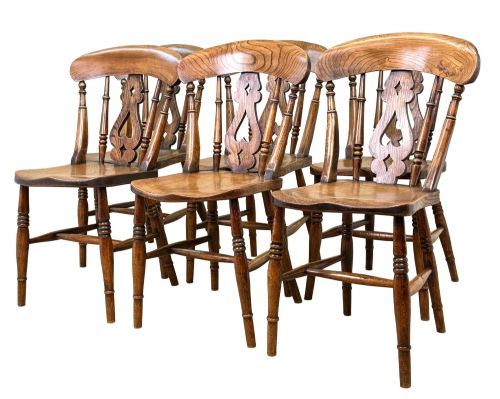
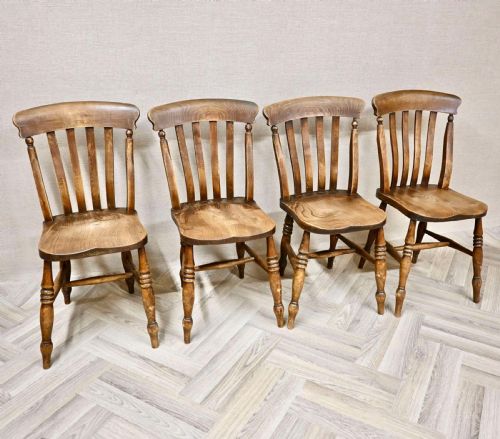
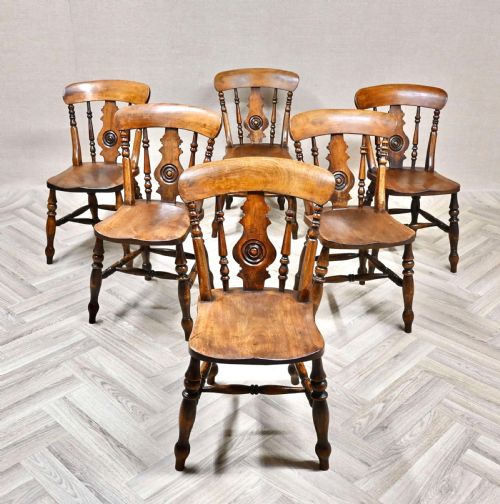
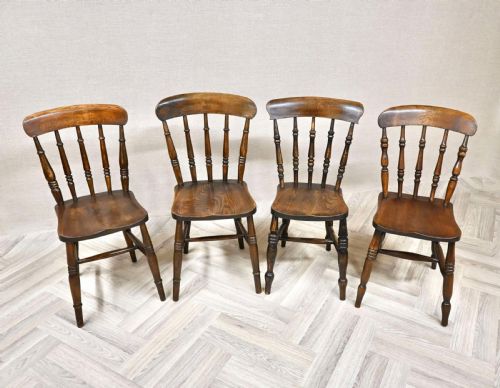
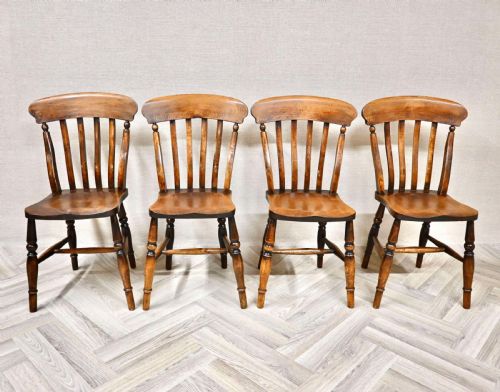
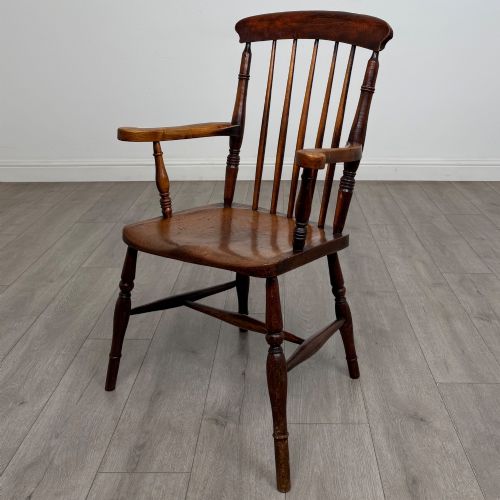
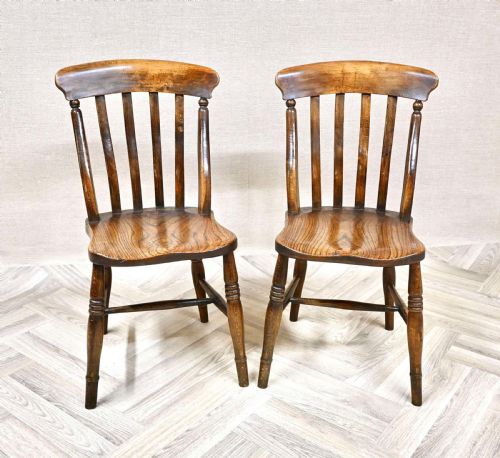
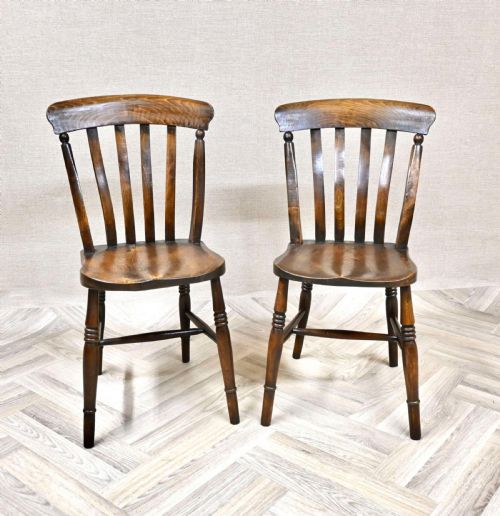
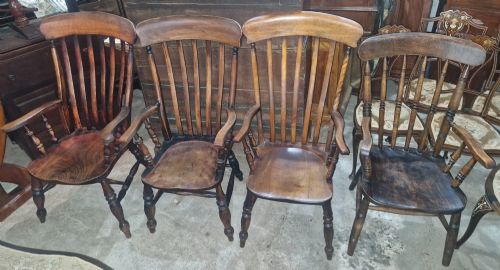
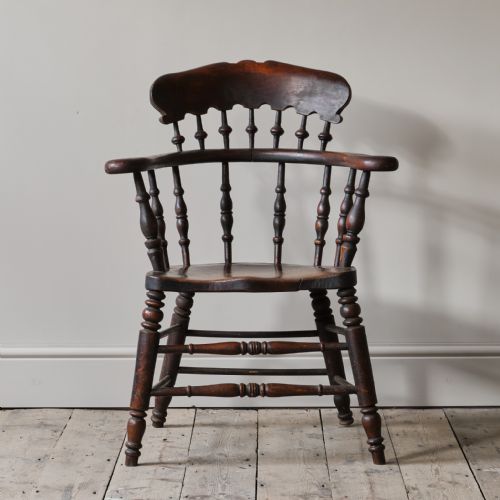
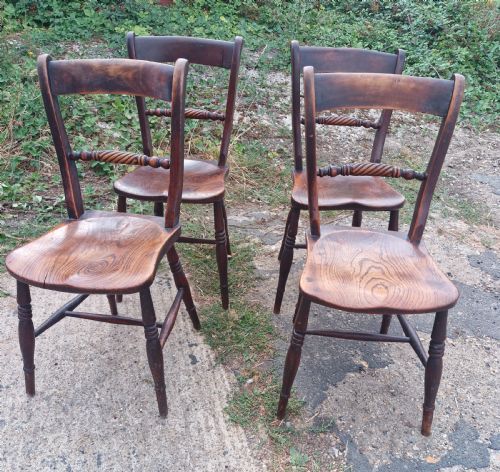
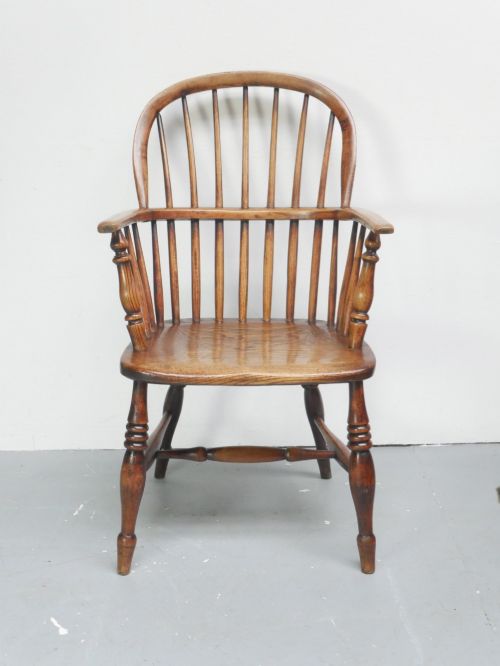
A country oak windsor chair typically combines a shaped wooden seat with steam-bent spindles and legs wedged directly into the heavy plank base. Buyers searching for a country oak windsor chair will frequently encounter nineteenth-century vernacular examples, including kitchen armchairs, smokers' bows, and kitchen dining sets.
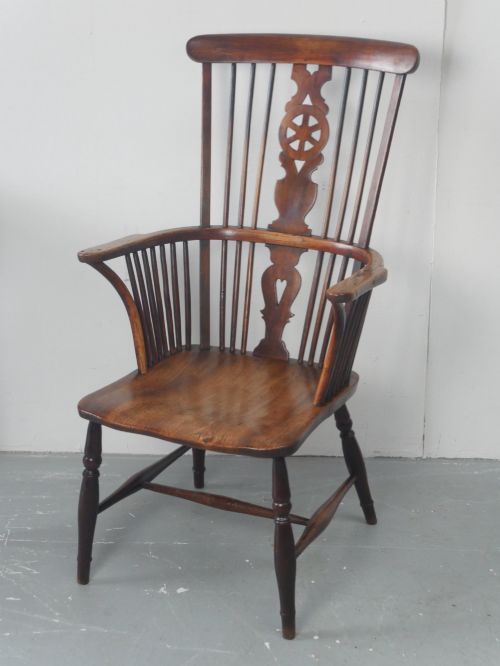
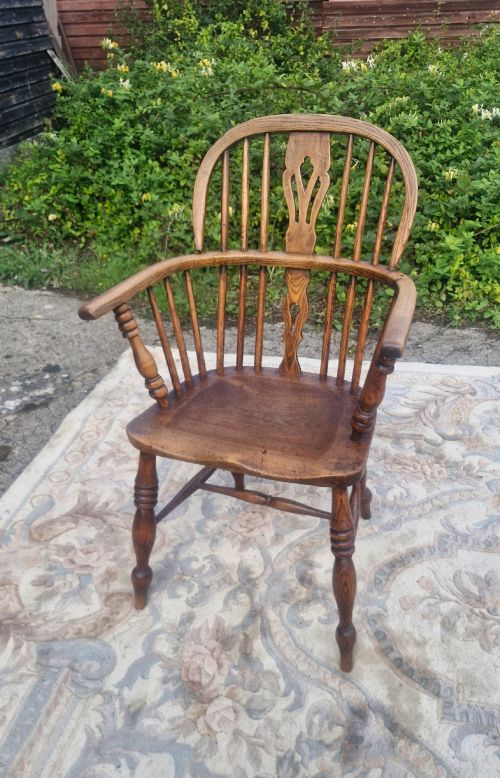
The regional variations across England and Scotland introduce distinct regional silhouettes, from low-back armchairs to tall comb backs and hoop backs. These pieces served primarily as sturdy utilitarian seating in farmhouses, cottages, and country houses before becoming sought-after decorative antiques.
Materials and Construction
Traditional makers built these chairs by combining multiple native timbers, most commonly pairing an elm seat for strength with oak, ash, beech, or yew for the framework and spindles. This mixed-wood construction utilised the specific mechanical properties of each timber, such as the interlocking grain of elm that prevented the thick saddle seat from splitting under pressure.
Component parts were shaped using drawknives, shaves, and lathes before being assembled using wedged tenon joints. Some examples retain original painted finishes or surface patination developed through generations of domestic use.
Some nineteenth-century makers cleverly recycled discarded cartwheel spokes to fashion the rear spindles of rural armchairs.
Assessing Quality and Character
Quality in these vernacular seats rests upon the proportional balance of the undercarriage splay and the comfort sculpted into the thick wooden saddle seat. Finer examples display slender, well-turned spindles and elegant steam-bent bows that retain their original structural integrity.
The depth of the accumulated patina and the crispness of the original turning provide clear indicators of superior craftsmanship. Greater quality often reveals itself in thoughtful timber selection, where highly figured oak or rich elm grain enhances the visual impact of the piece.
The Country Oak Windsor Chair Glossary
- Comb back
- A Windsor chair design featuring a low backrest topped by a horizontal crest rail resembling the teeth of a comb, into which the vertical spindles are wedged.
- Hoop back
- A continuous bentwood bow forming both the armrests and the upper back of the chair in a single sweeping arch.
- Smoker's bow
- A low-backed Windsor armchair with a rounded continuous rail and turned spindles, frequently utilised in country houses and taverns.
- Saddle seat
- A thick wooden seat plank heavily sculpted and scooped into a concave shape to provide ergonomic comfort for the sitter.
- Vernacular
- Objects designed and built by regional craftsmen to fulfill practical local functions rather than conforming to strict academic design rules.
Country Oak Windsor Chair: Frequently Asked Questions
What is a country oak windsor chair?
A country oak windsor chair is a traditional wooden seat featuring legs and spindles socketed directly into a solid sculpted plank seat. These pieces emerged from regional British vernacular traditions, prized for their sturdy construction and honest functional design.
They encompass various regional forms, including low backs, hoop backs, and smokers' bows, often combining oak with elm and other native timbers. Their robust build allowed them to serve demanding roles in farmhouse kitchens and country homes for centuries.
How do I date a windsor chair?
Dating these chairs relies on observing structural evolution, tool marks, and timber wear patterns. Eighteenth-century examples often feature taller comb backs and distinct regional turnings, while nineteenth-century pieces frequently show the standardisation of industrial lathe work.
Changes in the curvature of the bow and the thickness of the seat plank also help establish the approximate decade of manufacture. Examining the wedging of the leg tenons underneath the seat reveals early hand-crafting methods distinct from later production.
Were these chairs used only in kitchens?
Although commonly known as kitchen or farmhouse chairs, these sturdy seats served throughout country houses, cottages, and commercial establishments. Their comfortable saddle seats and supportive arms made them practical for reading, working, and general daily seating.
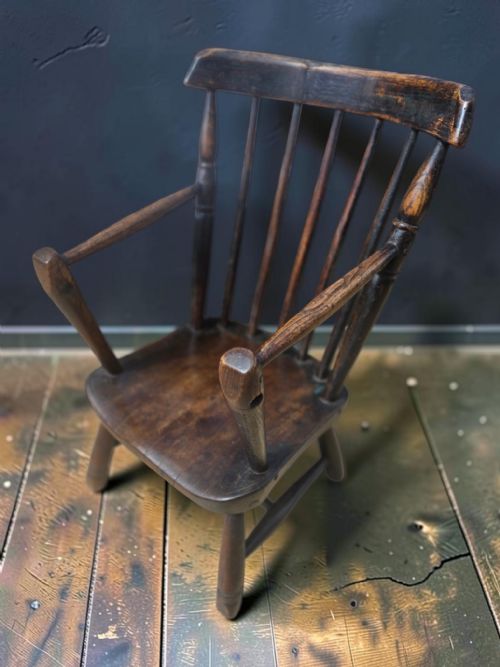
Some smaller scaled versions were specifically constructed as children's chairs or high chairs for domestic use. Heavier armchairs were frequently positioned by hearths or used as captain's chairs in study spaces.
How do I care for antique oak furniture?
Maintaining antique timber involves keeping pieces away from direct heat sources and sudden humidity shifts that can cause wood to split. Regular dusting with a soft, dry cloth preserves the surface without requiring heavy chemical polishes.
Applying a traditional beeswax occasionally helps nourish dry wood and maintains the natural lustre of the aged patina. Gentle care ensures the historic finish and structural joints remain stable over time.