

Country House Seating
Country house seating brings together generous proportions and vernacular character, offering deep comfort and enduring hospitality for domestic interiors.
Country House Seating
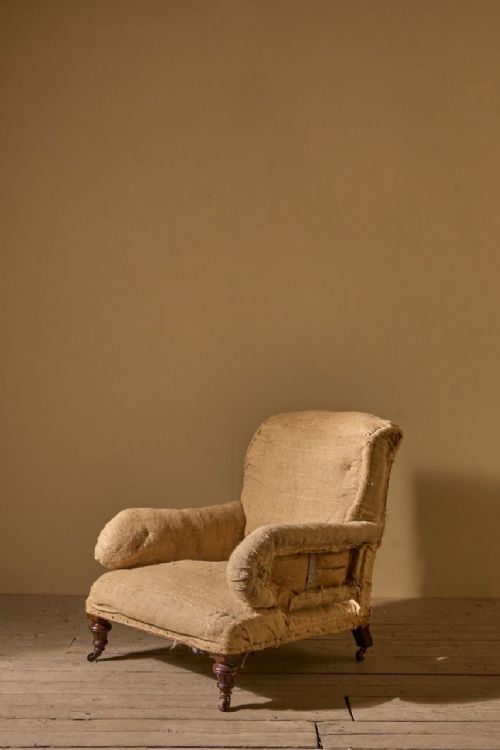
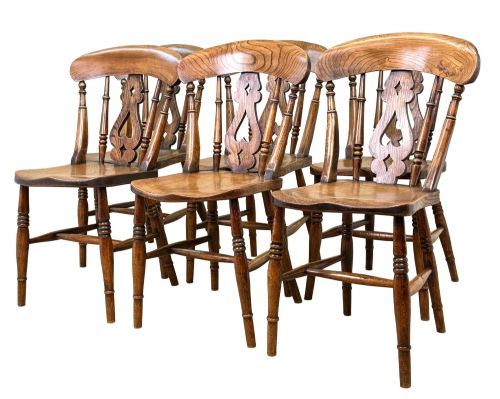
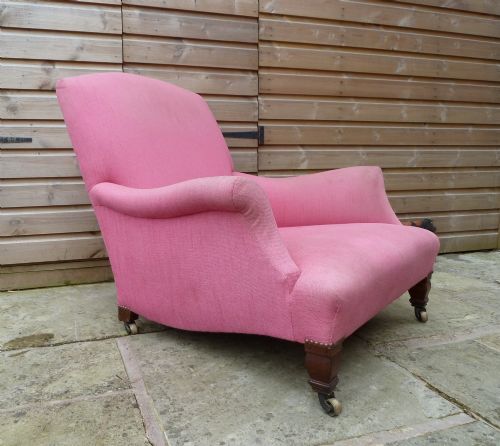
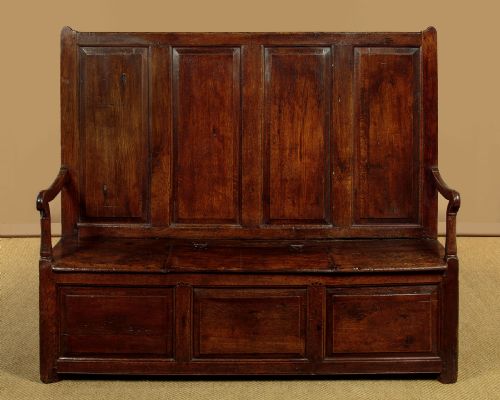
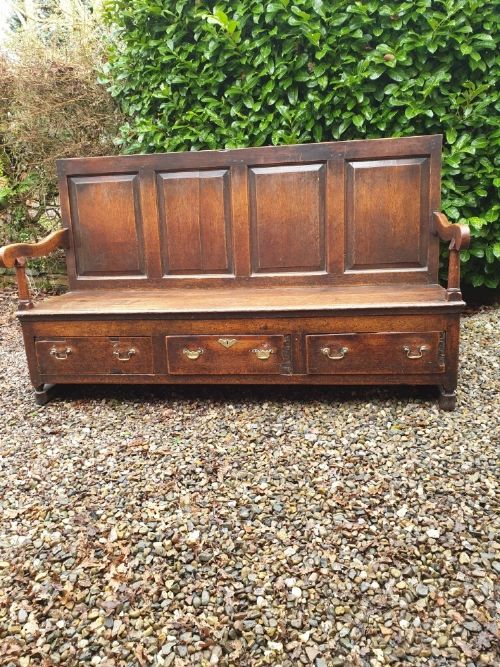
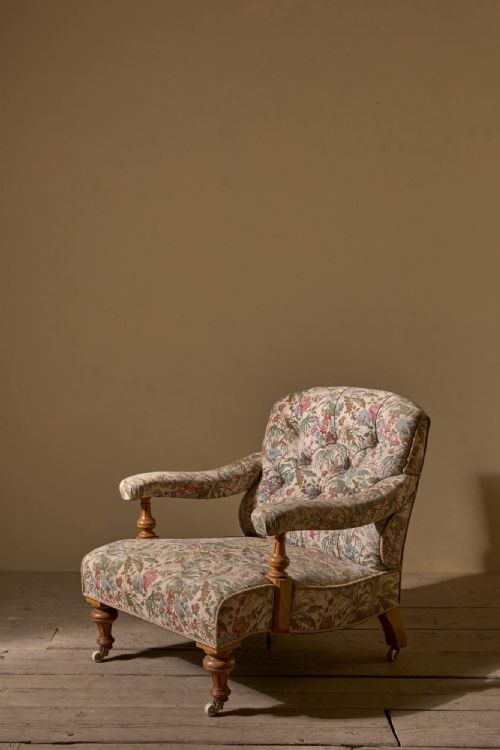
Country house seating encompasses a diverse range of forms designed for comfort and utility across large rural estates and smaller domestic spaces. When you search for country house seating, you encounter everything from sturdy oak box settles and ladderback dining chairs to deeply upholstered armchairs and generous sofas.
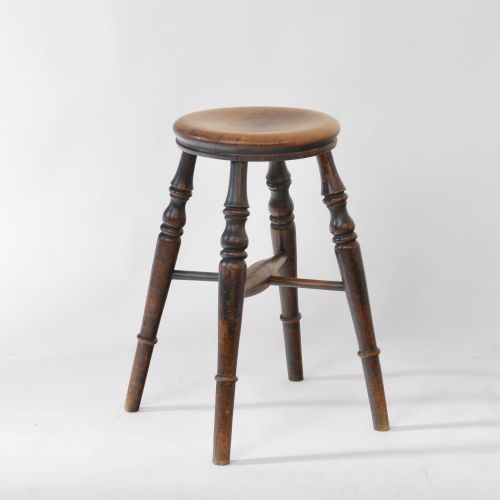
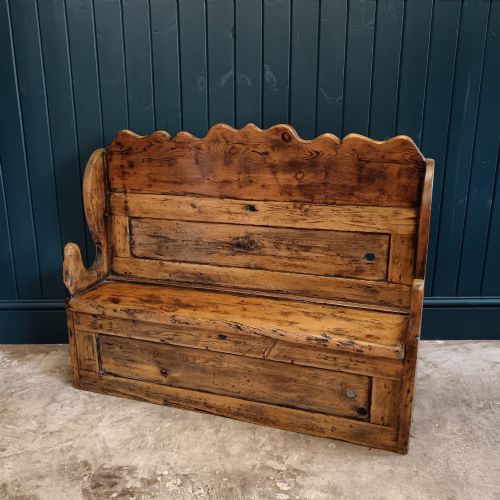
The pieces appearing on this page span several centuries, with a strong representation of nineteenth-century examples alongside eighteenth-century vernacular items and early twentieth-century creations. Forms range from utilitarian elm and pine benches and pub stools to refined mahogany sofas and maker-attributed lounge seating.
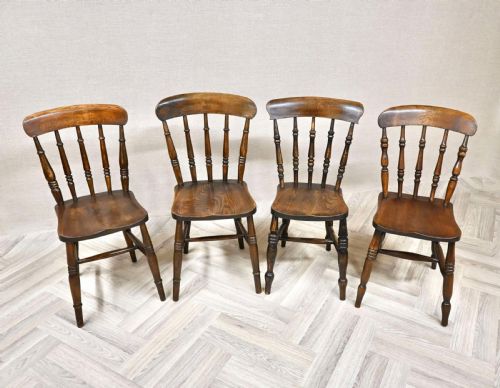
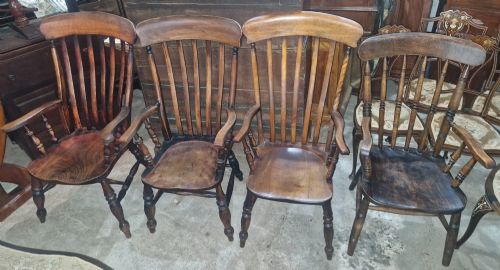
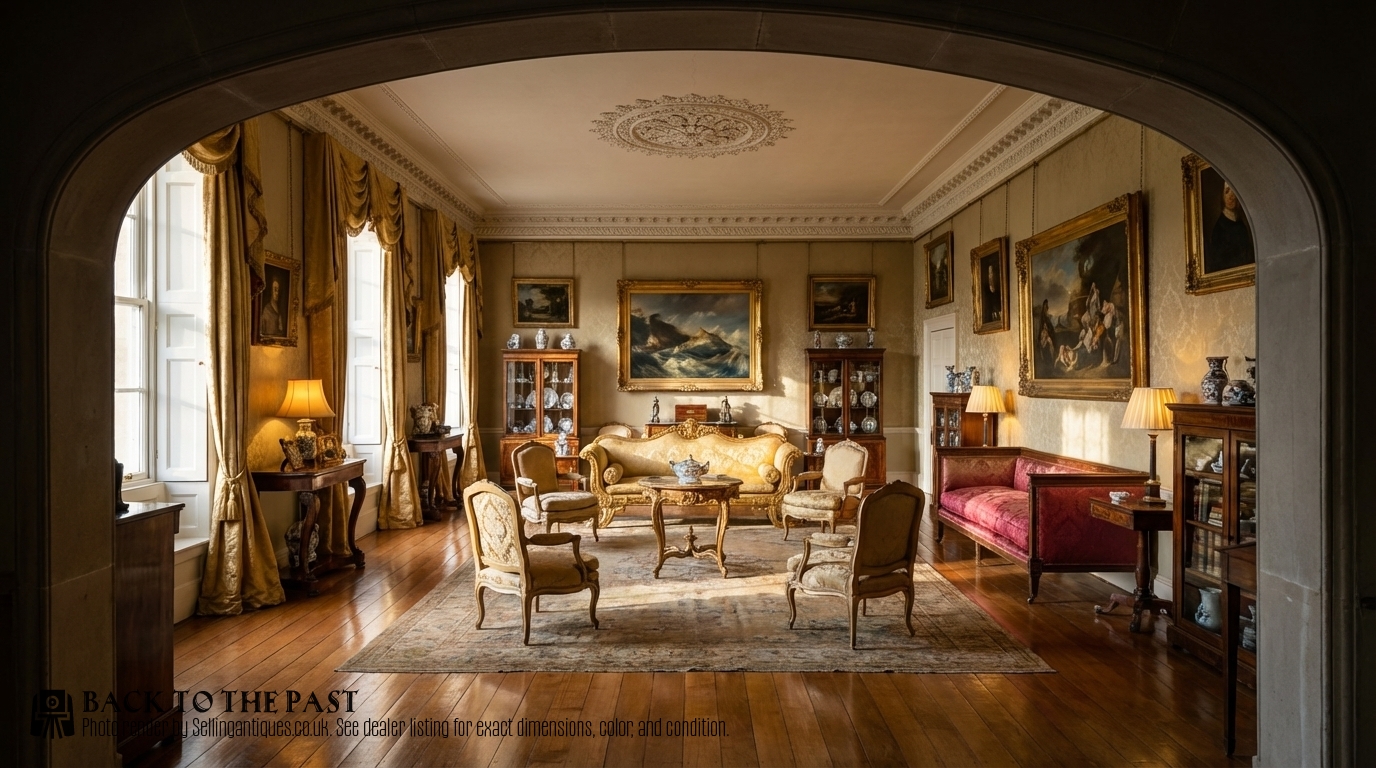
Vernacular Windsor chairs and ladderbacks sit alongside sophisticated upholstered chairs designed for the drawing room or library. This mix reflects how historic interiors combined functional everyday seating with grander furniture made for relaxation.
Materials and Construction
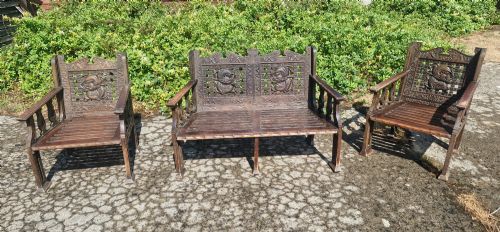
Makers utilised native timbers such as oak, elm, sycamore, walnut, and mahogany, selecting woods for structural strength and local availability. Solid timber frames, pegged joints, and turned spindles characterise the wooden seating forms found in regional workshops.
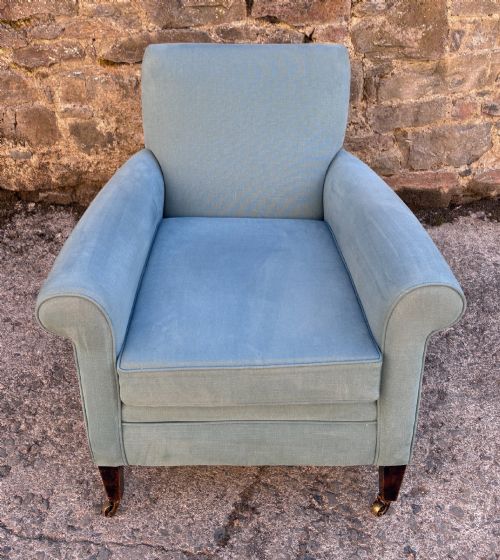
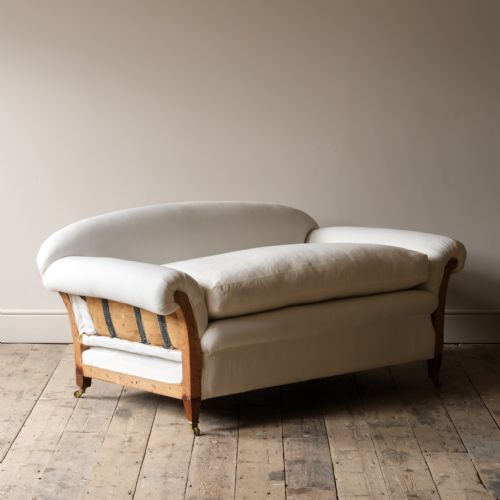
Upholstered pieces rely on supportive internal webbing, coiled spring systems, and traditional stuffing materials covered in fabrics like calico, leather, tapestry, and modern woven textiles. This combination provides the deep, resilient seating comfort associated with traditional domestic interiors.
Country House Seating Retail Price Guide 2026
Typical asking prices for country house seating among the pieces listed under this phrase on Sellingantiques today, from the lower quarter to the upper quarter. They describe what is for sale here now, not the wider market.
Listings feature eighteenth-century oak box settles alongside nineteenth-century Windsor chairs and twentieth-century upholstered sofas.
Assessing Quality and Character
Quality in these pieces rests upon the integrity of the timber frame, the retention of original surface patination, and the proportion of the design. Chairs with balanced proportions, tight joinery, and well-worn wood surfaces demonstrate superior craftsmanship.
For upholstered items, the depth of the seat, the quality of the sprung foundation, and the suitability of the fabric covering determine the standard of the piece. Maker attribution, particularly to notable firms, elevates the standing of an armchair or sofa.
Howard and Sons·Whytock and Reid·SF Cullen
The Country House Seating Glossary
- Box settle
- A high-backed wooden bench featuring a closed storage compartment beneath the seat. This form protected occupants from draughts in entrance halls and farmhouse kitchens.
- Ladderback
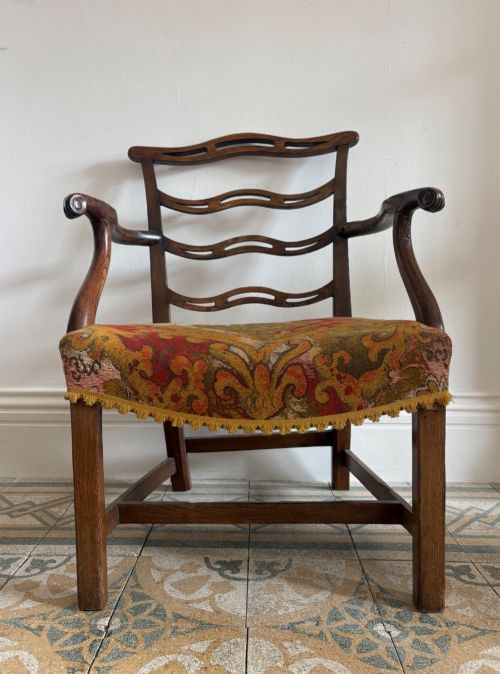
- A chair back constructed from horizontal wooden slats or rails set between upright posts. This design appears frequently in vernacular dining and armchair forms.
- Windsor chair
- A timber seat built by inserting turned legs and a spindle back directly into a solid carved wooden seat plank. Elm and yew are typical woods used in their construction.
- Chesterfield
- A large upholstered sofa distinguished by arms and back of equal height, traditionally featuring deep button tufting. These pieces are built for formal and informal reception rooms.
- Window seat
- A long, narrow stool or bench designed specifically to fit into the recess of a bay window. Examples often feature upholstered tops supported by mahogany or walnut frames.
Country House Seating: Frequently Asked Questions
How do I identify a Windsor chair?
A Windsor chair is identified by its solid wooden seat, into which the legs and back spindles are separately inserted rather than joined via a conventional frame. Regional variations often utilise elm or ash for the seat and hoops.
These chairs were common in farmhouses and country kitchens due to their sturdy, durable construction.
Where were box settles used?
Box settles were traditionally placed in the hallways, kitchens, and boot rooms of large houses and rural dwellings. The high back shielded occupants from cold draughts, while the box beneath the seat provided practical storage for boots or blankets.
They represent a key piece of functional vernacular furniture from the eighteenth and nineteenth centuries.
What defines an Edwardian armchair?
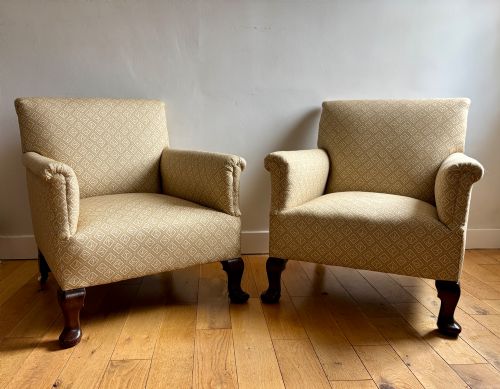
Edwardian armchairs typically focus on deep seating and comfort, often utilising sprung upholstery and loose cushions. They reflect the relaxed domestic styling popular at the start of the twentieth century.
Makers of this period frequently combined traditional joinery with soft, resilient stuffing materials to create inviting lounge furniture.
Can I use antique seating daily?
Most historic seating is structurally robust enough for everyday use, provided the frame and joints remain stable. Solid timber benches and chairs handle regular domestic life well.
Upholstered pieces may require periodic assessment of their internal webbing and springs to maintain their support and comfort over time.