





Country House Low Table
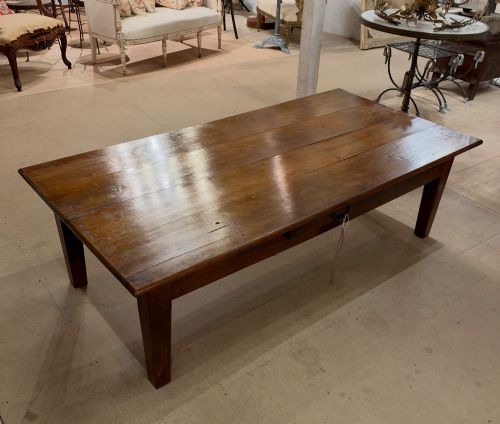
A country house low table brings warmth and informal practicality to a room, offering sturdy proportions and rich period timber.
Country House Low Table
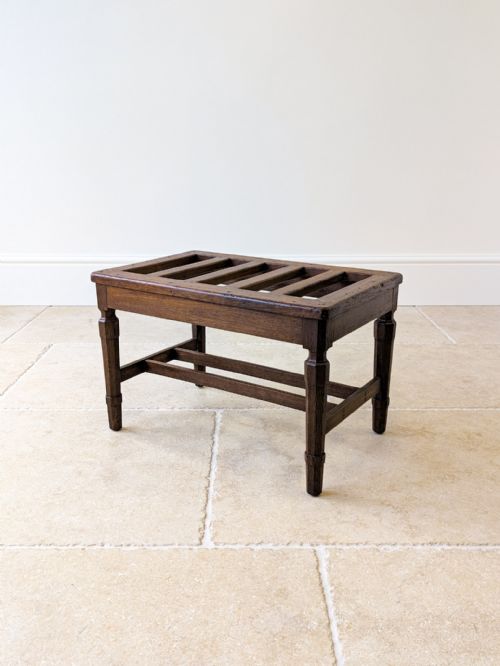
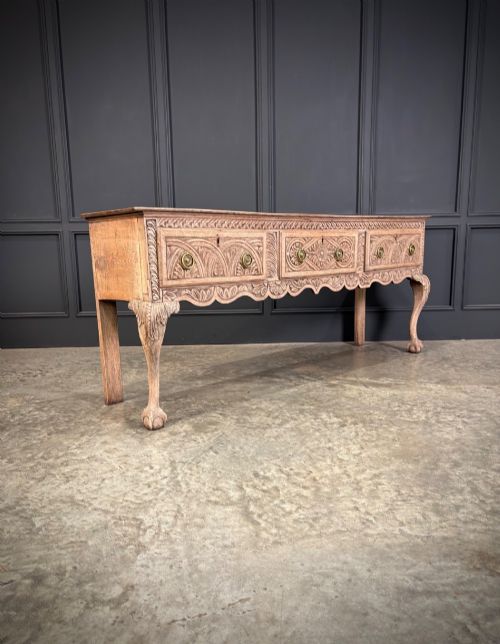
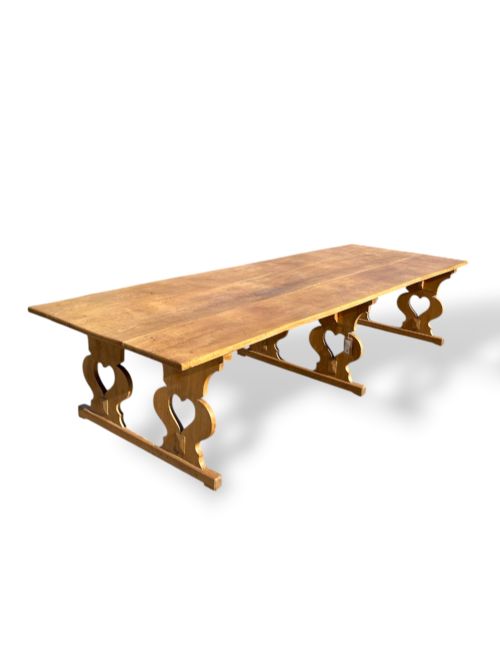
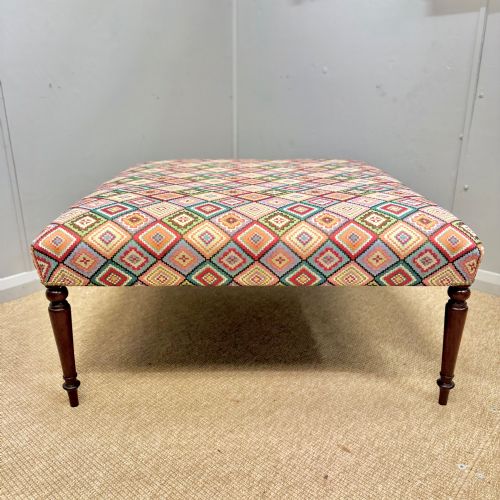
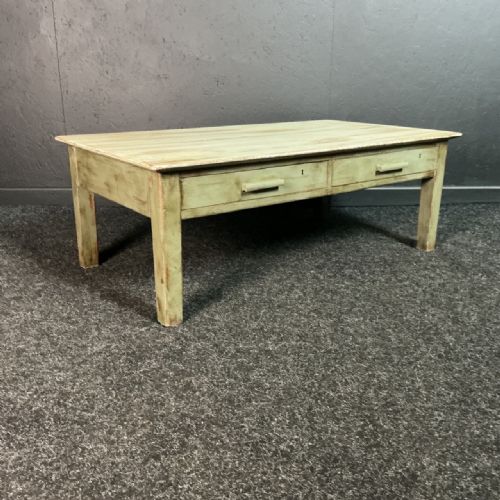
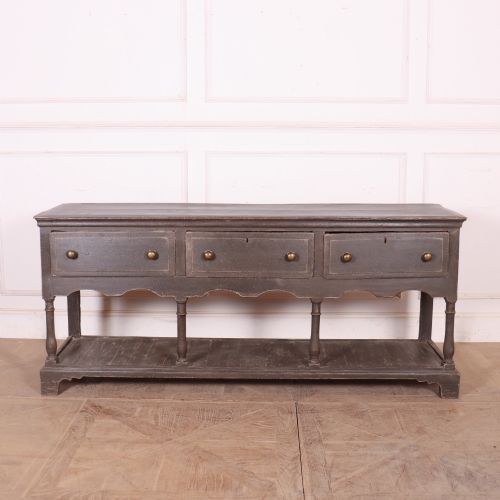
When you search for a country house low table, you encounter a diverse mix of adapted furniture forms originating from domestic interiors across the eighteenth and nineteenth centuries. These pieces encompass low coffee tables, converted benches, footstools, ottomans, and low boys derived from earlier side tables and dresser bases.
You are most likely to meet oak and walnut examples from the Georgian period onward, alongside painted hardwood surfaces and rustic farmhouse forms. Many pieces retain their original character through scrubbed timber tops, patinated painted finishes, or heavy brass hardware.
The aesthetic leans towards functional utility rather than formal salon elegance, reflecting generations of domestic use. Whether formed from a low bench, a cheese press table, or a low boy, each item provides a grounded centrepiece for a sitting room.
Quality and Proportion
Quality rests primarily in the integrity of the timber and the honesty of the conversion or survival. Pieces that retain their original patination and uncompromised structural proportions stand apart from those with excessive intervention.
The balance between the height and the footprint determines the success of the form, particularly when tables are adapted from older benches, dressers, or low boys. Finer examples display harmonious grain patterns in walnut or oak and retain genuine period fixings.
Country House Low Table Retail Price Guide 2026
Typical asking prices for country house low table among the pieces listed under this phrase on Sellingantiques today, from the lower quarter to the upper quarter. They describe what is for sale here now, not the wider market.
Listings feature oak, walnut, mahogany, cherry wood, yew wood, paint, pine, leather, and woven fabric across eighteenth and nineteenth-century forms.
Gillows
The Country House Low Table Glossary
- Low Boy
- A small Georgian table with drawers, often utilised as a dressing table or side table, frequently adapted to low table use.
- Potboard Dresser Base
- The lower section of a kitchen or dining room storage unit featuring an open lower shelf for displaying pottery.
- Pig Bench
- A sturdy low wooden bench historically used in agricultural settings, now repurposed as a low coffee table.
- Cheese Press Table
- A heavy structural timber table incorporating mechanisms or proportions derived from cheese-making equipment.
- Patination
- The surface sheen and colour acquired by wood, leather, and paint through decades of handling and exposure.
Country House Low Table: Frequently Asked Questions
What is a country house low table?
A country house low table is typically a period piece adapted for modern living at a lower height. This category includes converted low boys, oak benches, dresser bases, and upholstered footstools.
These items draw on eighteenth and nineteenth-century vernacular furniture styles, combining practical utility with aged timber patination.
How do I style a low table in a living room?
These tables provide a grounded, tactile surface that anchors a seating arrangement. Pair wooden or painted low tables with upholstered sofas and armchairs to create a relaxed atmosphere.
Allow the natural grain or old paint finish to remain visible, using the surface for books, lamps, and everyday objects.
Are these tables original or converted?
Many low tables originate as taller pieces of furniture, such as side tables, dresser bases, or benches, reduced in height for contemporary use. Other examples were constructed as low furniture or stools from the outset.
Checking the proportions and leg junctions reveals how and when the adaptation took place.
Which woods are most common?
Oak and walnut appear frequently across eighteenth and nineteenth-century examples, offering strong grain patterns and deep colour. Mahogany, cherry wood, yew wood, and painted hardwoods also feature in various forms.
Each timber species ages differently, contributing distinct character to the surface finish.