



Country House Drawers
Country house drawers bring the honest utility of 18th-century and 19th-century domestic service into a modern room.
Country House Drawers
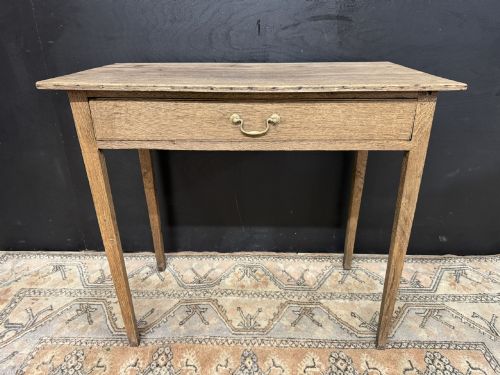
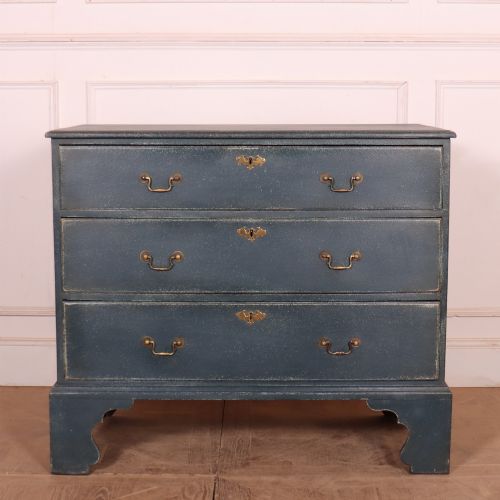
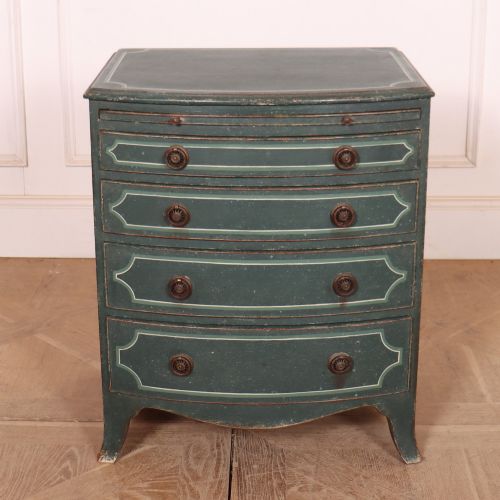
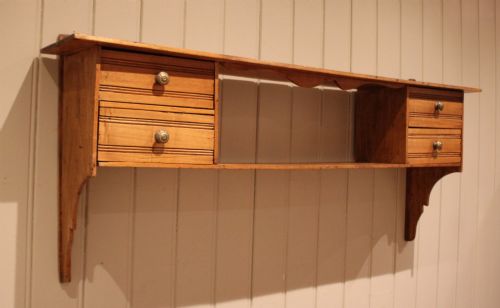
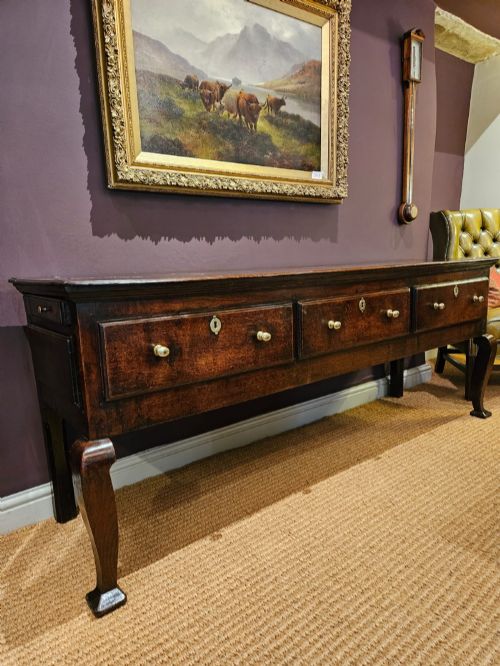
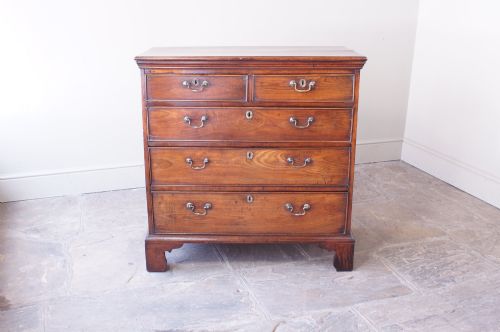
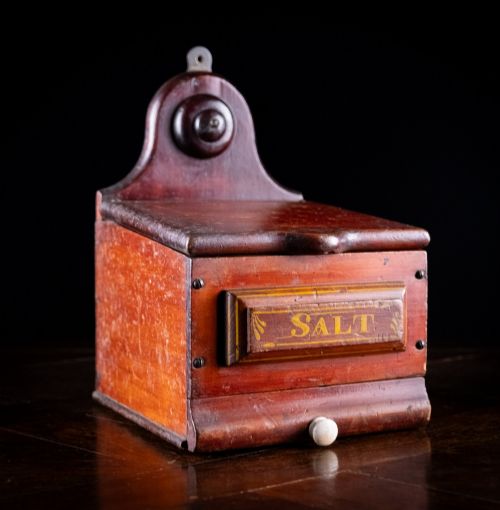
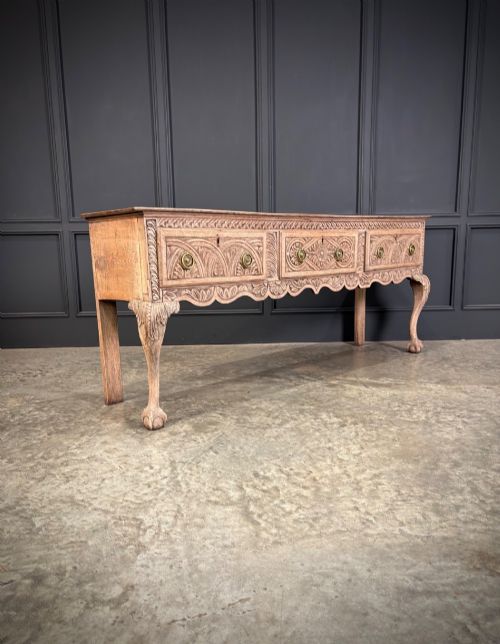
Country house drawers encompass robust storage pieces built for provincial estates, ranging from oak chests and painted linen presses to utilitarian spice drawers and dresser bases. These items originate predominantly from the Georgian, Victorian, and 18th-century periods, reflecting the functional needs of large British households.
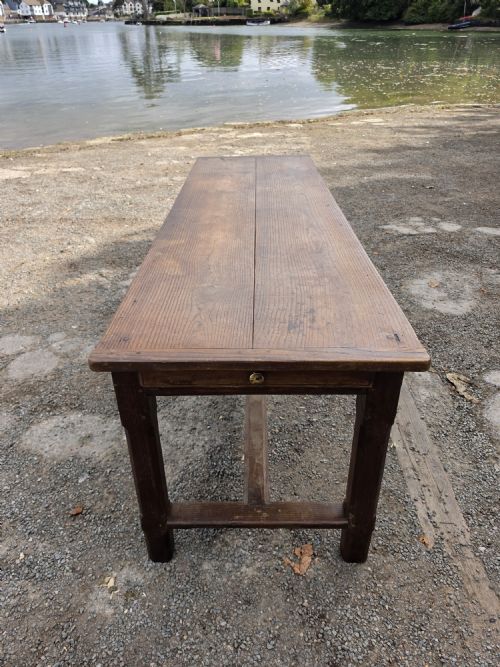
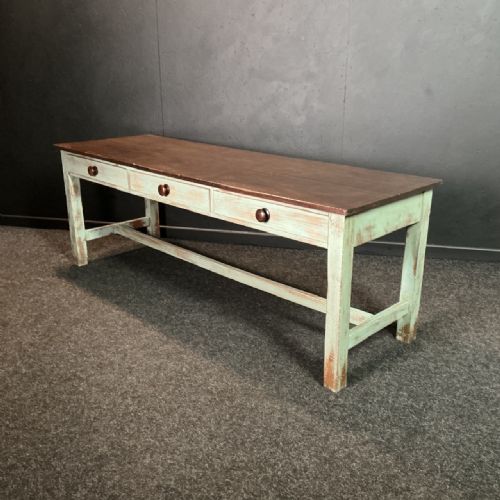
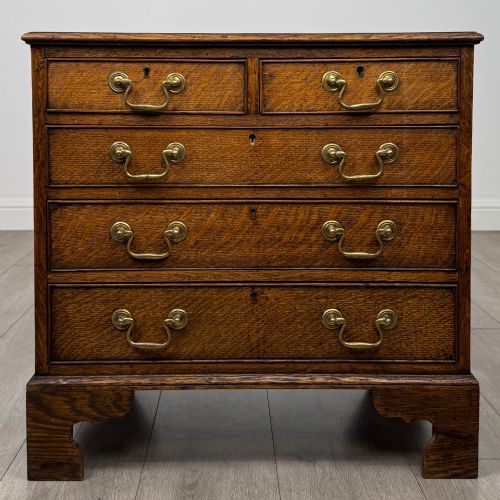
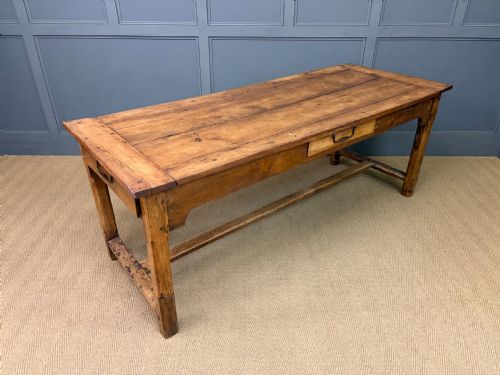
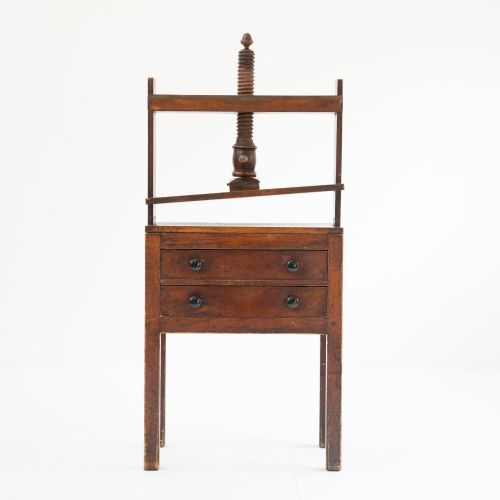
The versions most commonly met on this page are sturdy pine or oak chests of drawers and painted wood server units. They display straightforward lines, practical proportions, and occasionally later paint treatments that suit domestic interiors seeking a utilitarian aesthetic.
Materials and Construction
Carpenters constructed these pieces using accessible local timbers such as oak, pine, fruitwood, and chestnut, often combining hardwoods for structural integrity with softer woods for internal framing. Surfaces frequently carry layers of original or later paint, brass hardware, and iron fittings that served daily service tasks.
Joinery techniques prioritize durability over ornamentation, utilising plank construction, dovetail joints for drawer boxes, and sturdy stretchers. Potboard bases and panelled doors reflect a construction ethos designed to withstand heavy, continuous use in estate sculleries and bedrooms.
Country House Drawers Retail Price Guide 2026
Typical asking prices for country house drawers among the pieces listed under this phrase on Sellingantiques today, from the lower quarter to the upper quarter. They describe what is for sale here now, not the wider market.
Listings feature oak, pine, fruitwood, and painted wood items spanning the 18th century, Georgian period, and Victorian era.
Judging Quality
Quality rests upon the selection of timber and the integrity of the original construction, where tightly fitted dovetails and uncompromised structural timbers distinguish superior provincial output from standard utilitarian furniture. The retention of untouched surfaces or authentic original paint significantly elevates a piece above those stripped or heavily altered over time.
Proportion and utility balance dictate the standing of individual examples, with well-scaled chests and dresser bases demonstrating thoughtful regional craftsmanship. Pieces retaining their period brass handles or regional characteristics show an authenticity that lesser, heavily restored storage items lack.
The Country House Drawers Glossary
- Potboard dresser
- A sideboard or dresser featuring an open lower shelf used historically for storing pots and heavy kitchen equipment. This lower tier sits just above the floor on sturdy legs.
- Chest of drawers
- A primary storage unit composed of stacked horizontal drawers contained within a single frame. These pieces range from modest pine bedroom units to grand walnut Scottish variations.
- Linen press
- A tall cupboard traditionally used for storing household linens and garments, often combining upper doors with lower drawer storage. These tall items were staples in large estate service rooms.
- Fruitwood
- Timber sourced from fruit-bearing trees such as pear or apple, utilised by provincial makers for its dense grain and warm tone. It yields a distinctive finish on tables and smaller drawer units.
- Scullery table
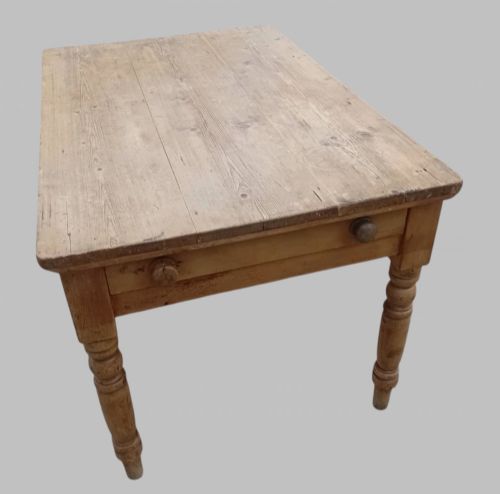
- A heavy, utilitarian work table designed for food preparation and messy kitchen tasks in country houses. They typically employ robust scrubbed pine or fruitwood tops.
Country House Drawers: Frequently Asked Questions
What defines country house drawers?
These pieces are practical storage units originating from provincial estates and large domestic households during the Georgian and Victorian eras.
Built primarily from oak, pine, and fruitwood, they prioritize utility and robust construction over decorative veneer work.
How were these chests used?
Staff in large country houses utilised these drawers and linen presses to store household textiles, clothing, and daily provisions.
Their sturdy construction allowed them to withstand heavy daily service in estate rooms and sculleries.
How do I live with them?
Their straightforward proportions and honest materials allow these pieces to integrate easily into modern bedrooms, hallways, and living spaces.
They offer deep, practical storage while introducing rustic warmth and historical texture to a room.
How do I tell periods apart?
Georgian examples often display finer proportions and traditional brass hardware like swan neck handles, while Victorian pieces tend toward heavier utility and pine construction.
Examining the joinery, timber selection, and surface finishes helps distinguish 18th-century craftsmanship from later 19th-century workshop output.