
Country House Art
Country house art gathers oil paintings, watercolours and prints depicting sporting dogs, pastoral landscapes and domestic scenes from Victorian and Edwardian interiors.
Country House Art
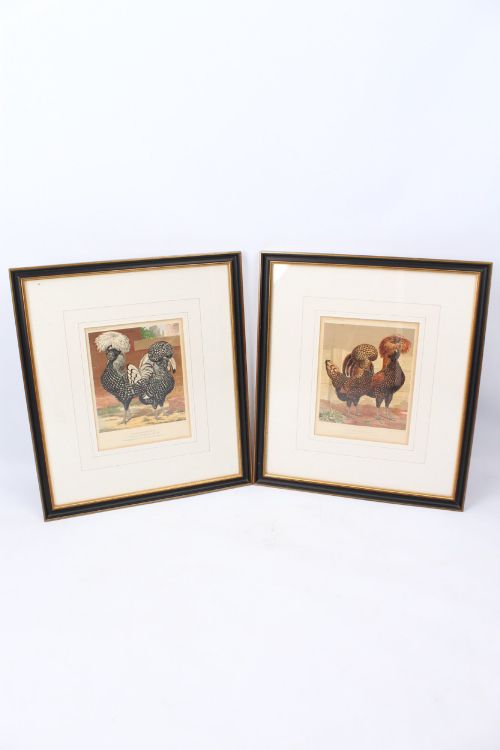
When searching for country house art, collectors encounter a diverse selection of oil paintings, watercolours, lithographs and framed prints rooted in nineteenth and early twentieth-century interiors. These works predominantly capture rural pursuits, equestrian portraits, farm animals and domestic scenes associated with historic estate properties.
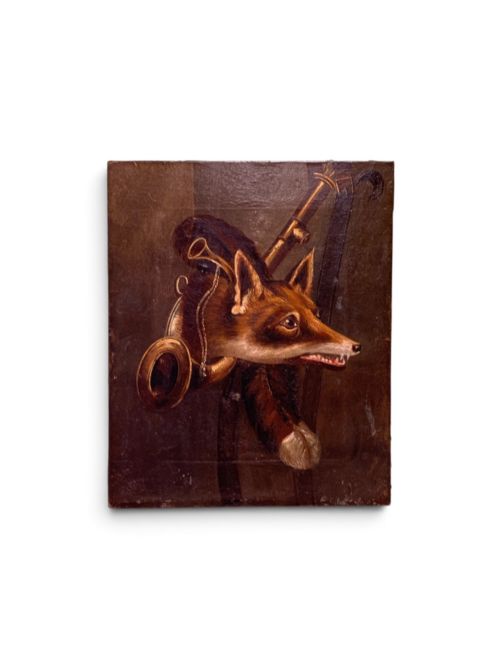
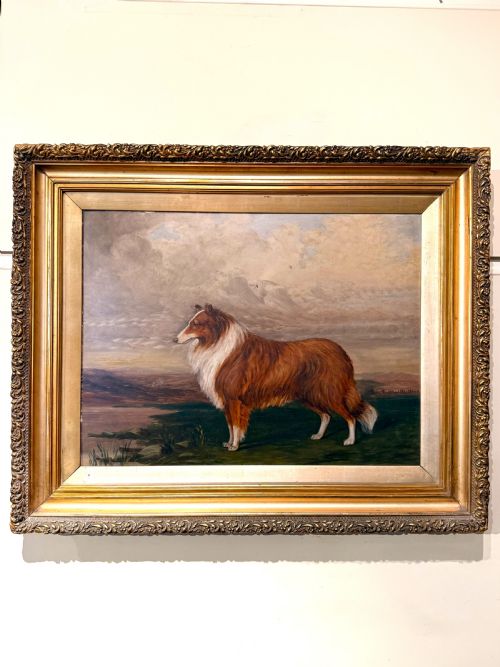
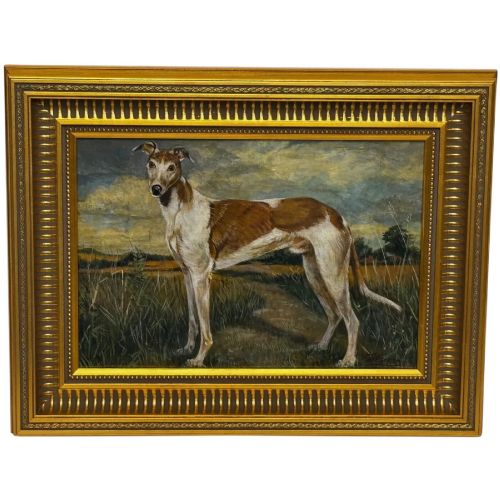
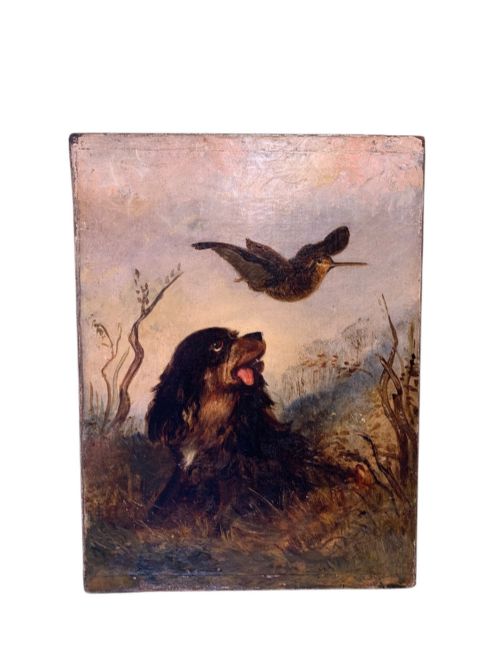
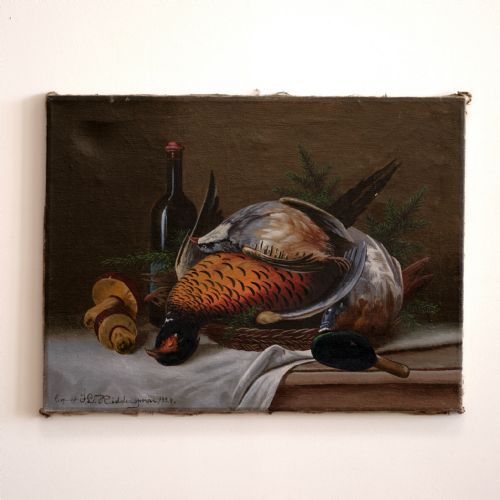
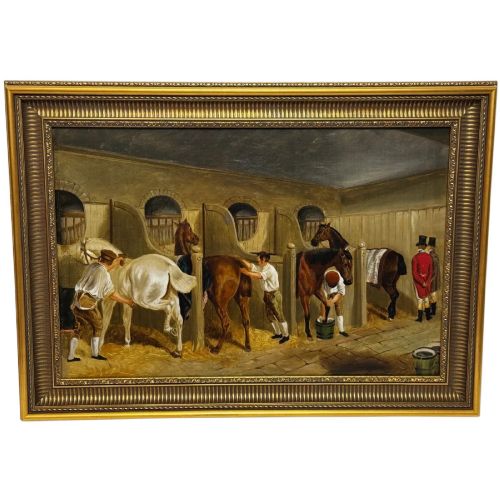
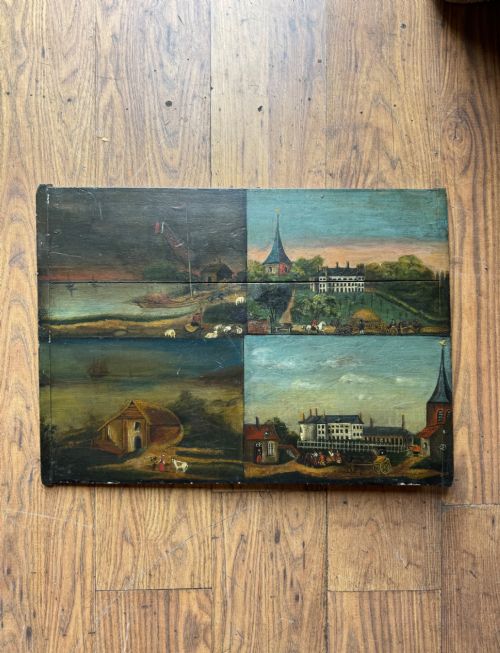
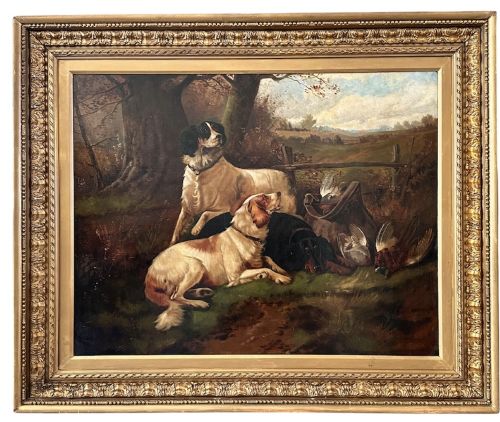
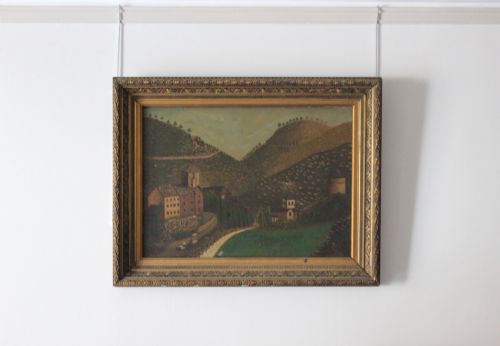
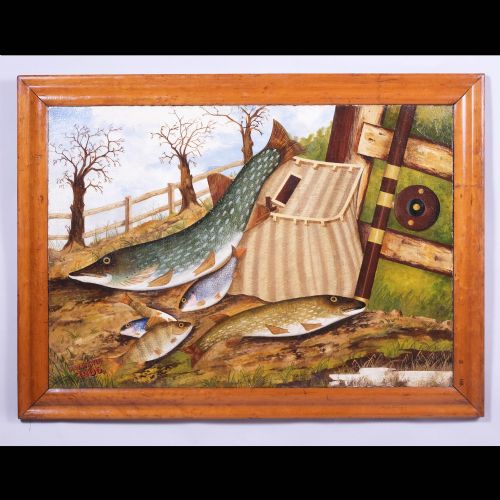
The selections available range from provincial naive folk art and decorative still lifes to detailed nineteenth-century realism and sporting animal studies. Buyers frequently discover depictions of gun dogs, hunting scenes, livestock and pastoral landscapes originating from Victorian, Edwardian and Georgian periods.
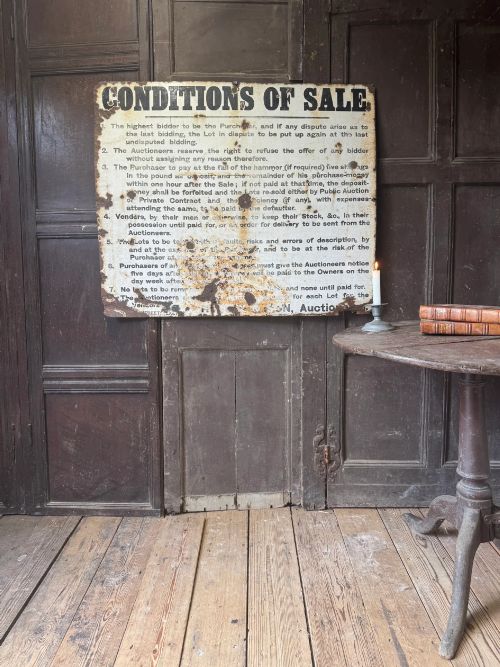
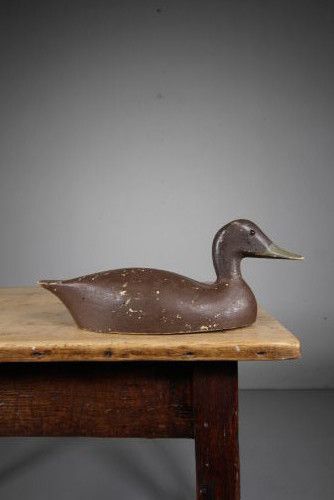
Beyond traditional canvas and paper works, the category extends to decorative objects, painted signs and sculptural vernacular pieces that once furnished historic domestic interiors. These diverse formats reflect the eclectic collecting tastes historically found within large country residences.
Materials and techniques
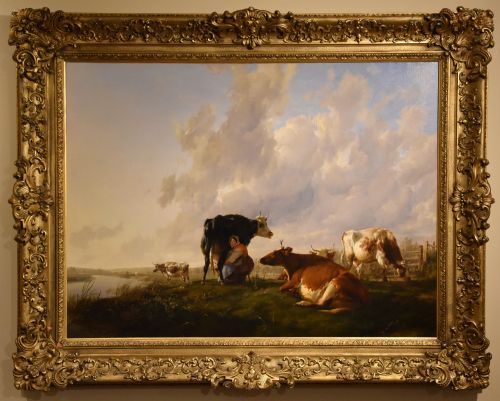
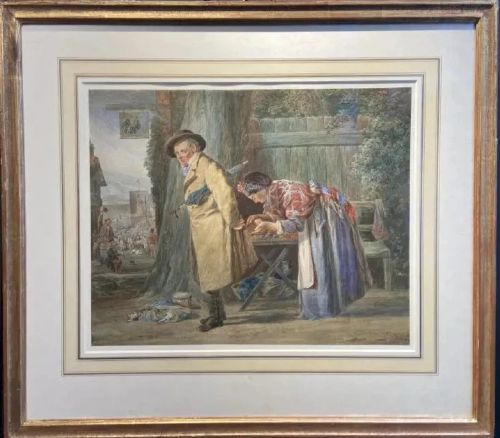
Many of the paintings within this category utilise oil on canvas or oil paint on board, applied by artists documenting pastoral and sporting subjects. Watercolours on paper and period lithographs also appear frequently, often preserved in original giltwood frames or glass-fronted settings.
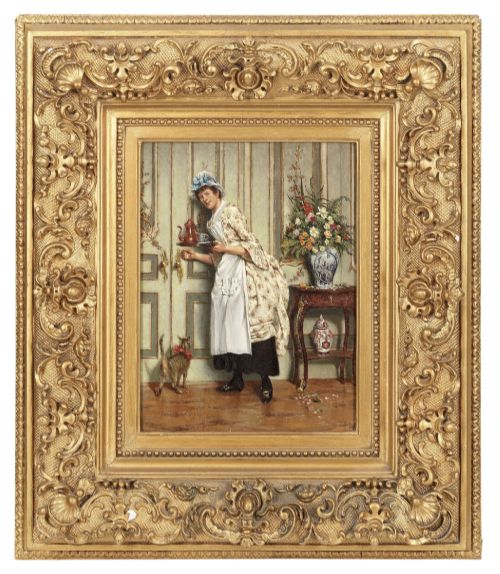
Support materials range from traditional canvas and heavy paper to timber panels and fruitwood mounts used in vernacular decorative objects. Gilt frames and gold leaf accents frequently accompany the fine art pieces, matching the decorative standards of period domestic interiors.
Listings feature oil paintings, watercolours, lithographs, and framed prints dating from the nineteenth and early twentieth centuries.
Distinctions in quality
Quality within this category depends upon the precision of brushwork, anatomical accuracy in animal and human portraits, and the overall preservation of the canvas or paper support. Works by documented academic painters demonstrate superior handling of light and texture compared to simpler provincial or naive pieces.
The integrity of the original framing, such as period giltwood and carved mouldings, significantly influences the standing of a piece. Finer examples maintain their original untouched surfaces and clear signatures, whereas lesser works may show heavy restoration or bear anonymous attributions.
Stephen Samuel Lewin·Thomas Sidney Cooper·Joseph H Barnes·John Sargent Noble·Carl Whitfield·C. H. Weigall·George Rankin·Johann Friedrich Voltz·C R Breytle·John Alfred Wheeler·Edwin Henry Landseer·John Frederick Herring Snr·Claude Cardon·Joseph Knight·F.A. Clark·Robert Sayer·A M Gauci
The Country House Art Glossary
- Oil on Canvas
- Pigment mixed with a drying oil binder applied to a stretched woven fabric support. This traditional medium allows for rich colour blending and layered texture.
- Lithograph
- A printmaking technique based on the repulsion of oil and water on a flat stone or metal plate. It enabled the mass production of detailed artistic prints in the nineteenth century.
- Giltwood
- Wood that has been treated with a thin layer of gold leaf or gold paint. It was commonly used for decorative picture frames in period interiors.
- Provincial Naive
- Art created outside academic traditions, often characterised by a flat perspective and simplified forms. These works offer a charming documentary record of rural life.
- Sporting Art
- Depictions of field sports, equestrian subjects, fishing and game animals. This genre gained immense popularity in nineteenth-century domestic settings.
Country House Art: Frequently Asked Questions
What subjects define country house art?
These pieces primarily feature sporting animals, hunting scenes, equestrian portraits and pastoral landscapes. Domestic interiors and farm animals also form a significant portion of the visual record.
Artists frequently documented the livestock, pets and rural pursuits associated with historic landed estates. This creates a cohesive aesthetic centred around nineteenth-century country living.
How should I frame period works?
Period works benefit immensely from contemporary or matching nineteenth-century frames, particularly gilded wood mouldings that complement the artwork. Retaining original framing helps preserve the historical integrity of the piece.
When framing works on paper, ensure conservation-grade materials are used to prevent degradation. Professional mounting protects delicate watercolours and lithographs from environmental damage over time.
How do I identify a Victorian oil painting?
Victorian oil paintings often feature characteristic canvas weaves, traditional stretchers and period pigments that reflect nineteenth-century manufacturing methods. Signatures, dates and framing styles frequently provide clues to the exact decade of creation.
Subject matter also serves as a strong indicator, as Victorian patronage favoured narrative realism, sporting dogs and moralising domestic scenes. Examining the reverse of the canvas can reveal old exhibition labels or dealer stamps.
Where were these pieces originally displayed?
Such artworks were commissioned or collected to adorn the libraries, halls, drawing rooms and dining parlours of substantial country residences. They reflected the status, sporting interests and refined tastes of the estate owners.
Many of these paintings and prints remained in private family collections for generations before entering the antiques market. Their subjects directly mirrored the outdoor activities and agricultural pursuits managed from the house.