
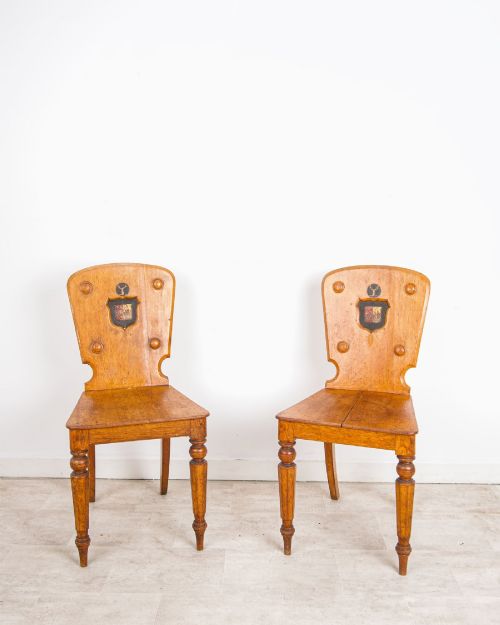


Country House Accent Chair
A country house accent chair brings centuries of English domestic character and relaxed seating into a modern room.
Country House Accent Chair
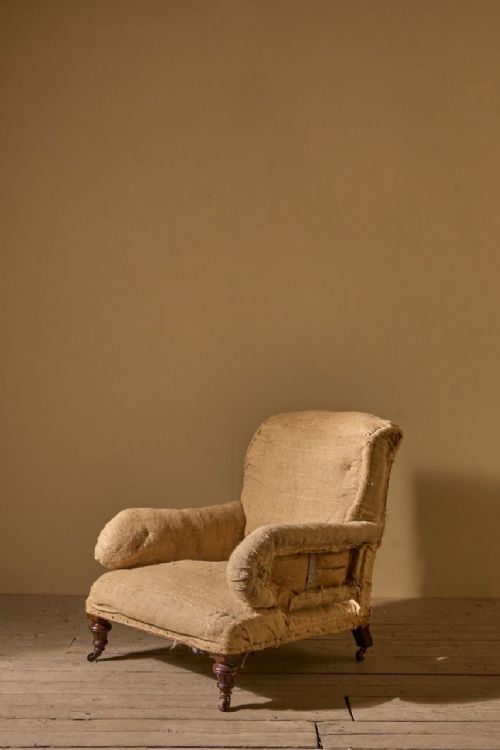
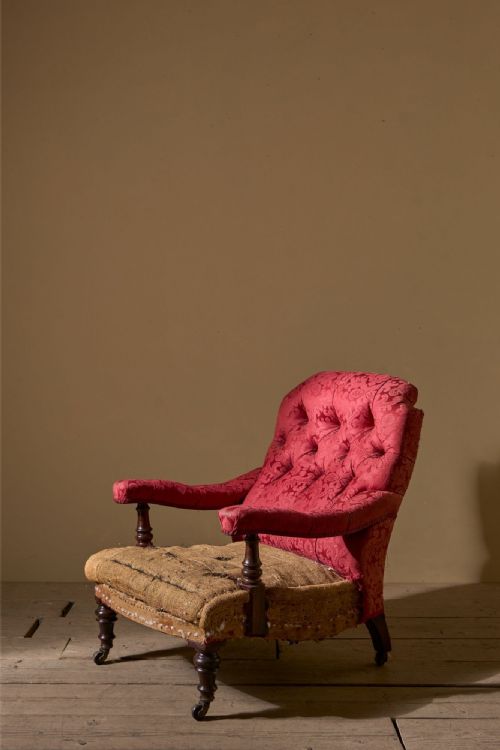
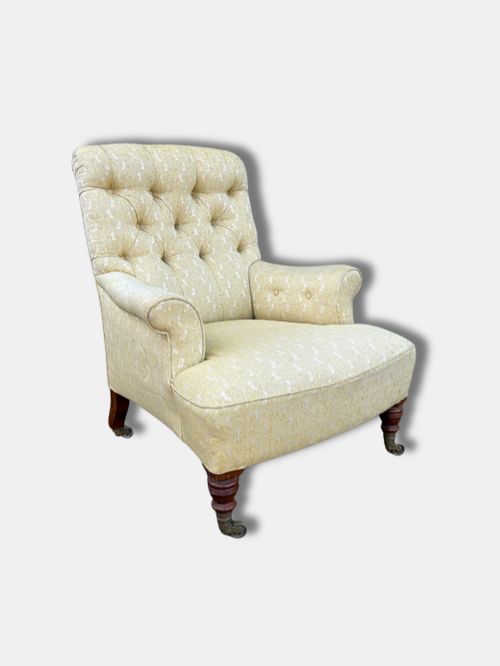
A country house accent chair encompasses a varied selection of antique seating, from low-slung slipper chairs to generous upholstered armchairs and traditional Windsor designs. You will frequently encounter Victorian and Edwardian examples alongside pieces dating back to the eighteenth century, reflecting long-standing domestic traditions.
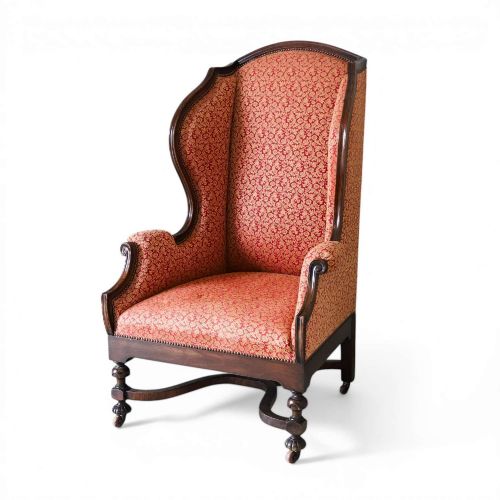
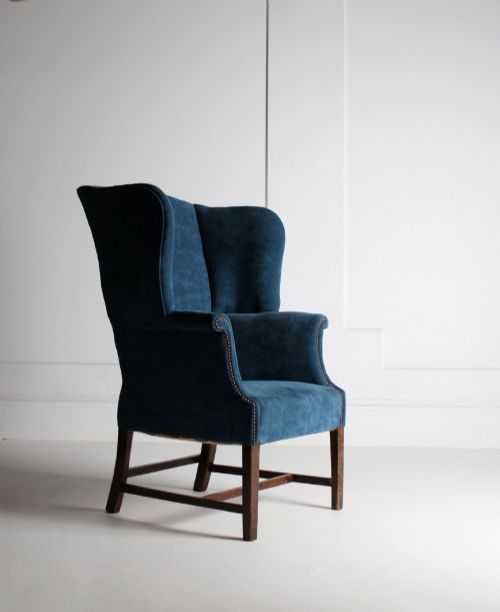
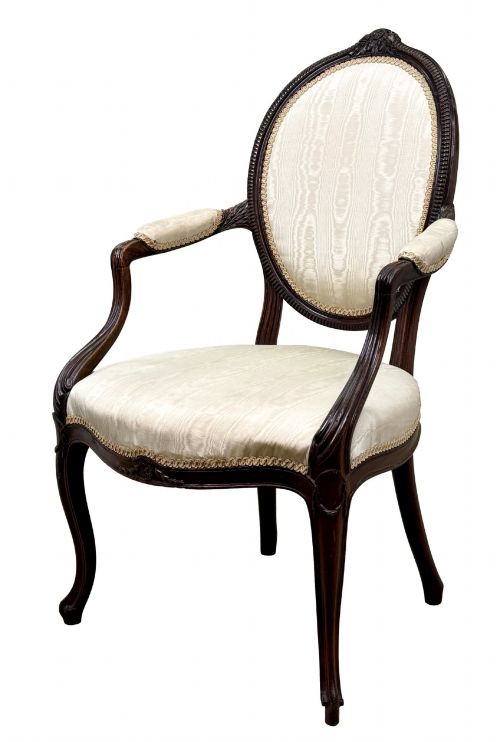
The assortment spans formal salon seating, wingback fireside chairs, and sturdy hardwood hall chairs with heraldic shield backs. These pieces emerged from diverse settings, ranging from grand country estates to regional farmhouse kitchens.
Open armchairs and deep-seated barrel back designs dominate the selection, offering comfortable proportions developed for relaxed daily use. Each chair carries the distinct aesthetic of its period, whether through carved woodwork or traditional upholstery.
Materials and construction
Cabinetmakers utilised robust native timbers such as oak, mahogany, walnut, cherrywood, yew, and elm to build the structural frames. These hardwoods provided the necessary strength for Windsor chair spindles, carved salon frames, and sturdy rocking chairs.
Upholstered models relied on durable foundations of hessian and fabric, finished with materials like velvet and horsehair stuffing. Exposed woodwork often featured turned details, block feet, or decorative carving appropriate to the prevailing style.
Assessing quality and craftsmanship
Superior examples demonstrate superior timber selection and precise joinery that keeps frames rigid over centuries of use. The refinement of hand-carved details and the balance of proportions distinguish exceptional cabinet work from standard regional production.
The integrity of the original frame structure and the quality of surviving woodwork dictate the overall worth of an un-upholstered or restored chair. Retaining original painted surfaces or authentic period timbers elevates a piece well above heavily altered alternatives.
Howard and Sons
The Country House Accent Chair Glossary
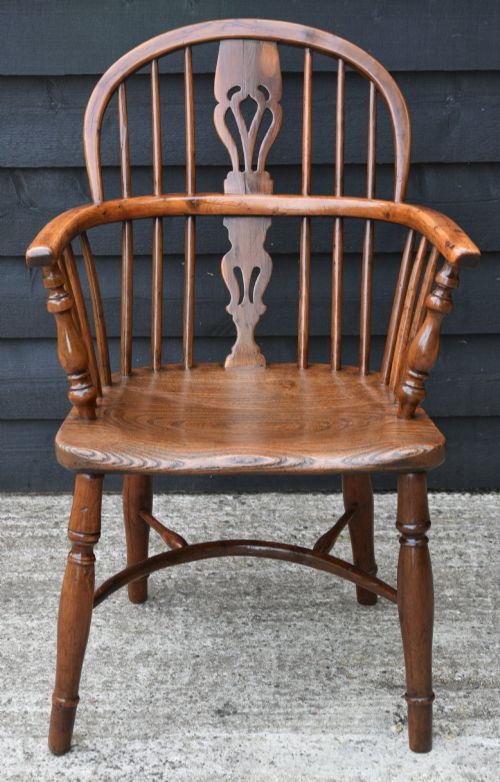
- Windsor chair
- A wooden chair featuring a solid saddle-shaped seat into which the back and legs are directly wedged. These vernacular forms utilise turned spindles and bentwood hoops.
- Wingback armchair
- An upholstered seat with flanking panels designed to shield the occupant from draughts near a fireplace. Early variants often feature deep-seated proportions.
- Hessian
- A coarse woven fabric typically utilised as a foundation layer in traditional upholstery underneath decorative textiles. It provides structural support for horsehair and stuffing.
- Spindleback
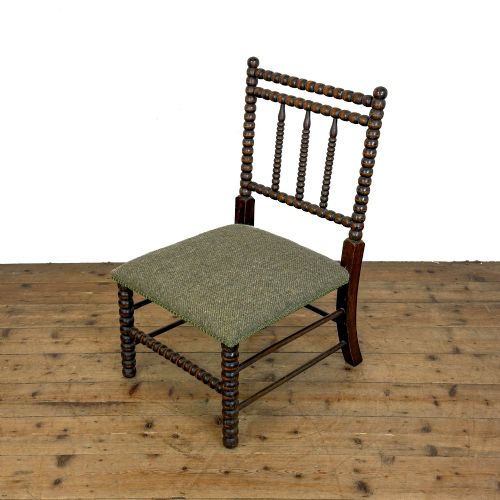
- A chair back constructed from multiple slender, turned wooden rods arranged vertically. This technique appears frequently in regional Lancashire and Windsor seating.
- Slipper chair
- A low-seated upholstered chair originally designed for bedrooms to assist with putting on footwear. These compact forms offer a relaxed, upright posture.
Country House Accent Chair: Frequently Asked Questions
How do I identify a country house accent chair?
Look for traditional English forms such as generous upholstered armchairs, Windsor wooden seats, and wingbacks that reflect centuries of domestic history. The presence of period hardwoods like oak, mahogany, and elm alongside traditional joinery helps signal authenticity.
Examine the proportions and upholstery style to determine whether a piece originates from an eighteenth-century estate or a later Victorian parlour. Regional variations in turned wooden components further distinguish these traditional seats.
Where were these chairs originally placed?
These pieces served varied functions across grand estates and provincial homes, appearing in drawing rooms, libraries, hallways, and bedrooms. Wingbacks and barrel backs provided fireside warmth, while hall chairs stood in entrance spaces.
Smaller slipper chairs and side chairs were kept in private chambers for daily dressing or salon use. Windsor and rocking chairs typically furnished more casual family living areas.
How do I care for antique wood and upholstery?
Protect wooden frames from direct sunlight and sudden temperature changes to prevent timber from drying out or splitting over time. Regular gentle dusting preserves polished surfaces on mahogany, walnut, and oak.
Vacuum upholstered surfaces carefully with a soft brush attachment to protect delicate fabrics like velvet and horsehair stuffing. Consult a specialist restorer for deep cleaning or structural repairs to maintain original materials.
Can I use an antique accent chair daily?
Many of these sturdy hardwood and upholstered armchairs were built for enduring functional use and easily accommodate modern seating habits. Checking the frame stability ensures the chair remains safe for everyday living.
Softer antique springs and horsehair padding offer a distinct, firmer feel compared to contemporary foam seating. Periodic checks of the underlying joints will keep the chair stable through regular use.
How do I tell Victorian chairs from earlier periods?
Victorian examples often display heavier proportions, button upholstery, and Revival styles that draw inspiration from earlier Carolean or Georgian designs. Earlier eighteenth-century pieces typically feature lighter, hand-carved mahogany or walnut frames with distinct regional characteristics.
Examining the tool marks, timber ageing, and upholstery webbing provides further clues to a chair's exact period of manufacture. Construction techniques evolved from pegged joinery toward industrial manufacturing methods as the nineteenth century progressed.