


Country Elm Table
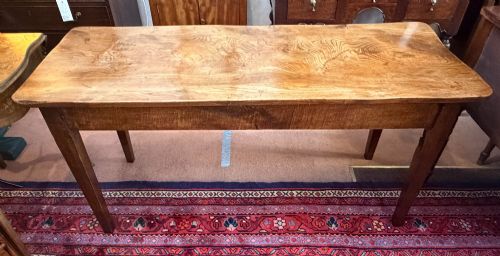
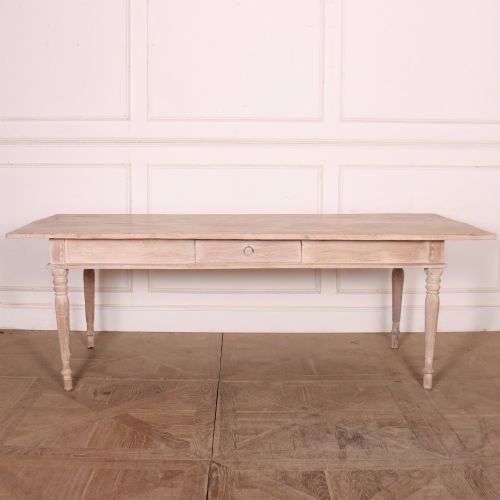
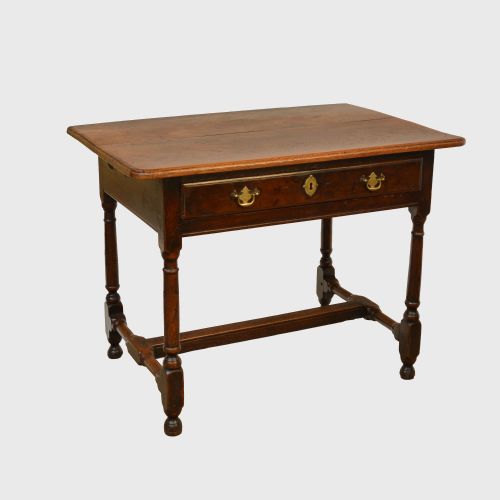
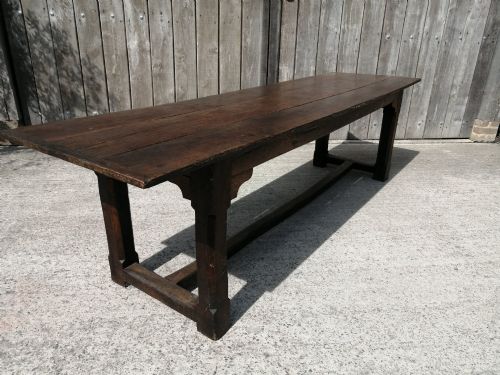
When you search for a country elm table, you step into a world of honest vernacular furniture built for everyday domestic labour.
Country Elm Table
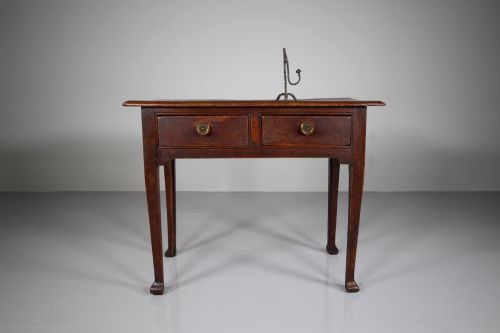
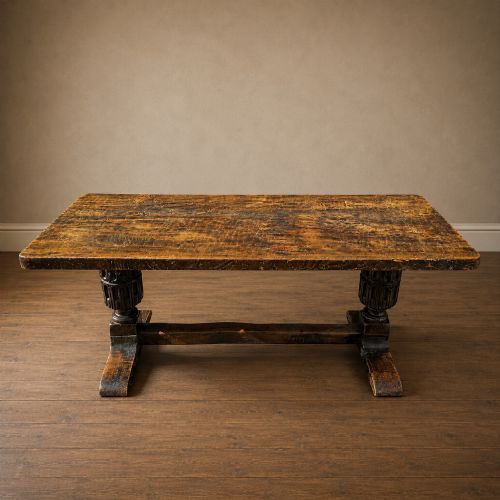
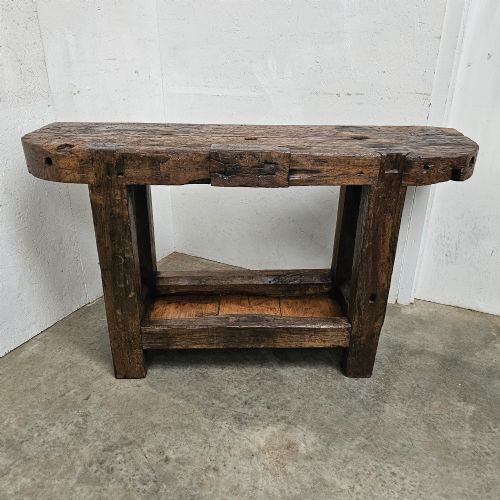
A country elm table encompasses a broad range of utilitarian domestic furniture designed for rural life across England, France, and Austria. The pieces encountered here span from the seventeenth century through the Georgian and Victorian eras, reflecting centuries of practical woodworking.
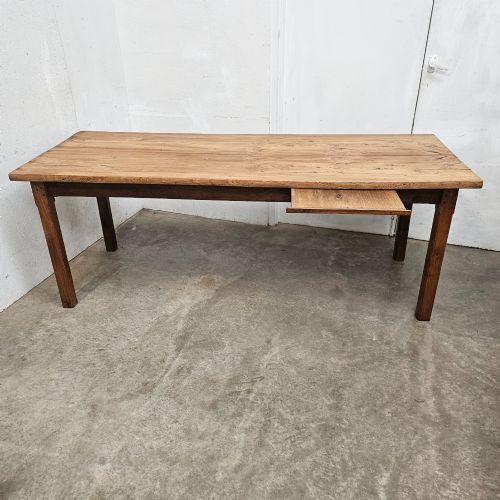
Dining and refectory forms dominate the selection, alongside smaller side tables, coffee tables, and occasional tripod tables. Buyers frequently find robust farmhouse dining tables featuring multi-board timber tops, supported by simple turned or tapered legs.
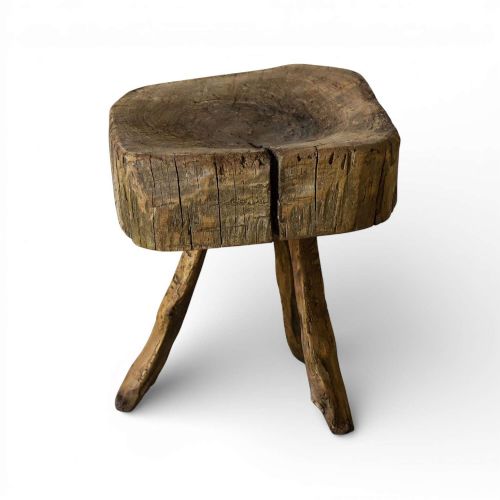
Vernacular pieces such as butchers' blocks, chopping blocks, and milking stools also appear under this designation, demonstrating the heavy reliance on durable local timbers in agricultural communities.
How they were made
Elm forms the primary material due to its interlocking grain and resistance to splitting, making it ideal for heavy kitchen surfaces and table tops. Cabinetmakers frequently paired elm with oak for structural frames, legs, and stretchers, whilst occasionally incorporating fruitwood, pine, or ash.
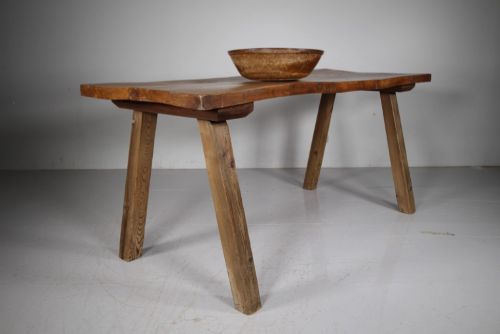
Construction techniques rely heavily on solid timber boards, pegged joints, and primitive framing methods that prioritised utility over ornamentation. Surfaces often display the marks of adzes, saws, and centuries of heavy use, leaving natural gnarled edges and live edges exposed.
Some nineteenth-century pieces preserve the distinct notches of pig benches, recording a former life in rural agricultural work.
What varies in quality
The distinction between ordinary utility items and finer examples rests upon the selection of timber and the harmony of proportions. Tables featuring single-plank elm tops command greater interest than those constructed from multiple narrow boards.
Originality of surface patina and underframe retention dictate the desirability of a piece. Examples retaining their early or original legs, uncompromised by extensive timber replacement, stand at the upper end of the range.
The Country Elm Table Glossary
- Refectory table
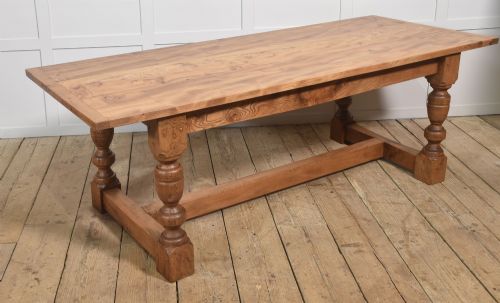
- A long dining table historically used in communal dining halls. These sturdy forms typically feature substantial stretchers connecting heavy wooden legs.
- Cricket table
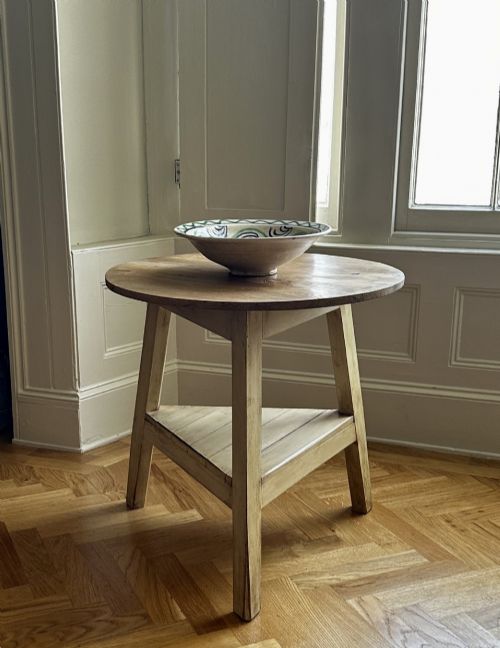
- A small, lightweight three-legged table with a round top. The three-legged design provided stability on uneven farmhouse floors.
- Gateleg table
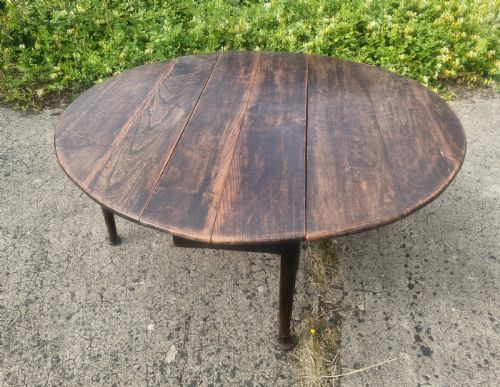
- A drop-leaf table featuring hinged legs that swing out to support the extended leaves. This design allowed furniture to be folded down when floor space was required.
- Joint stool
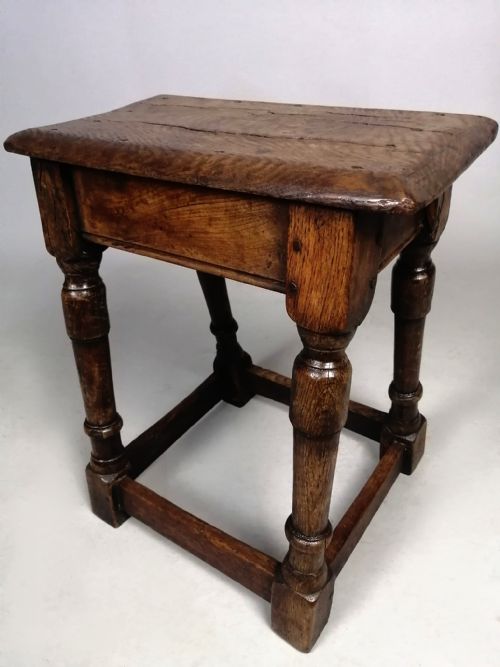
- A sturdy wooden stool constructed with mortise and tenon joints rather than turned legs. They served as primary seating before chairs became common domestic items.
- Burr elm
- A growth deformation in the timber that creates highly figured, swirling grain patterns. Cabinetmakers prized this material for decorative table tops and small occasional pieces.
Country Elm Table: Frequently Asked Questions
How do I care for an elm table?
Keep wooden furniture away from direct heat sources and sudden temperature shifts to prevent the timber from splitting. Feed the dry grain periodically with a traditional beeswax polish to maintain the surface sheen.
Avoid placing wet items directly onto antique timber surfaces. Use coasters and protective mats during daily use to preserve the historic patina.
Can I use an antique elm table daily?
These domestic tables were originally built for heavy daily labour in kitchens and farmhouses. Their robust construction makes them well suited to modern family life.
Careful positioning and sensible daily habits ensure these historic surfaces withstand everyday use. The timber develops further character through ongoing domestic life.
How do I identify eighteenth-century elm?
Examine the underside of the table top and the construction joints for hand-cut tool marks. Eighteenth-century pieces frequently show the use of pit saws and pegged joinery.
The grain of elm exhibits a characteristic interlocking twist that resists splitting. Over centuries, the timber acquires a deep, warm honey tone and dry surface sheen.
Why is elm often paired with oak?
Elm provides exceptional durability and resistance to splitting for flat surfaces like table tops. Oak offers superior structural strength and rigidity for legs, rails, and frames.
Cabinetmakers combined these native hardwoods to harness the specific mechanical strengths of each tree. This pragmatic approach ensured the furniture endured generations of farm use.