
Brown Elm Table
A brown elm table brings rich grain and honest utility into a room, spanning rustic vernacular styles to refined Georgian forms.
Brown Elm Table
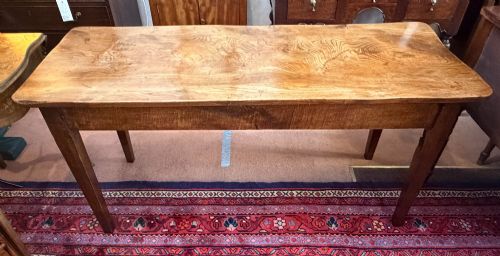
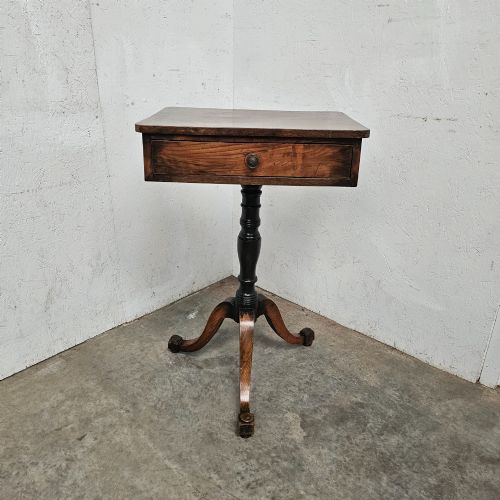
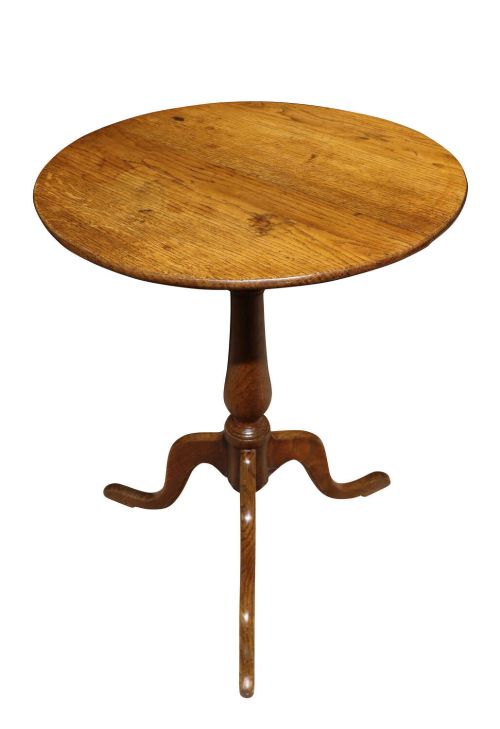
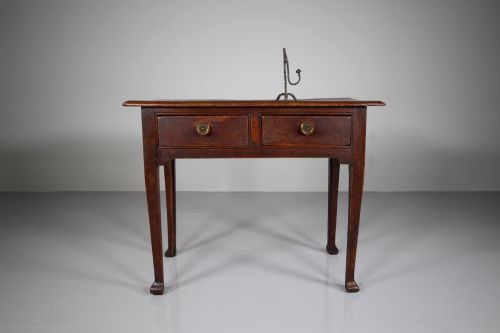
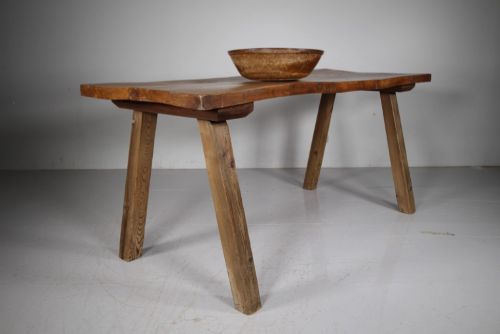
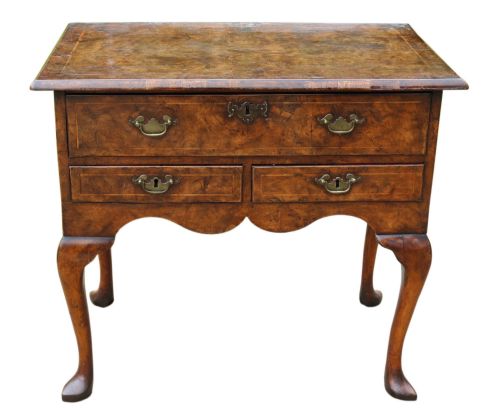
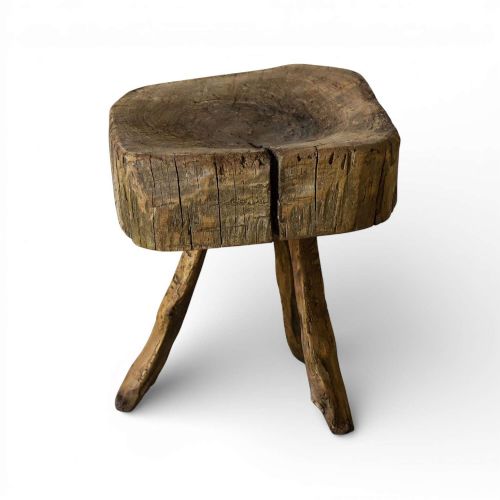
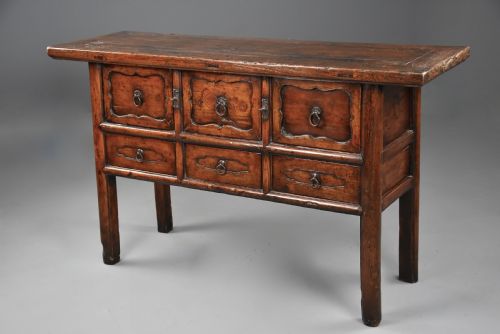
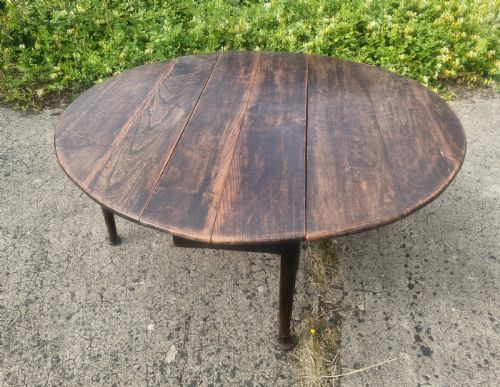
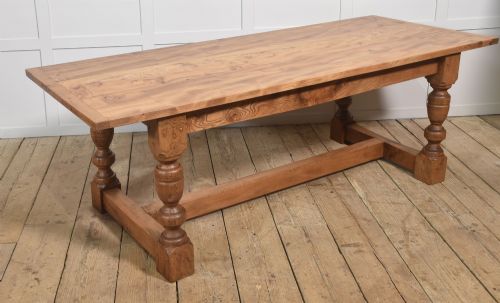
A brown elm table encompasses practical domestic forms ranging from expansive farmhouse dining surfaces to compact occasional tripod pieces and lowboys. Buyers seeking a brown elm table encounter various regional traditions, notably English country furniture, French provincial designs, and Chinese provincial scholarship.
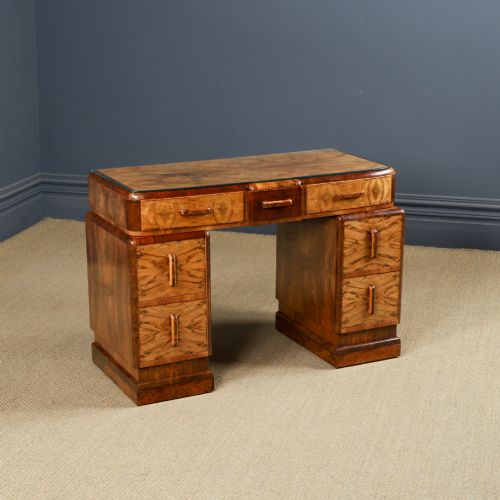
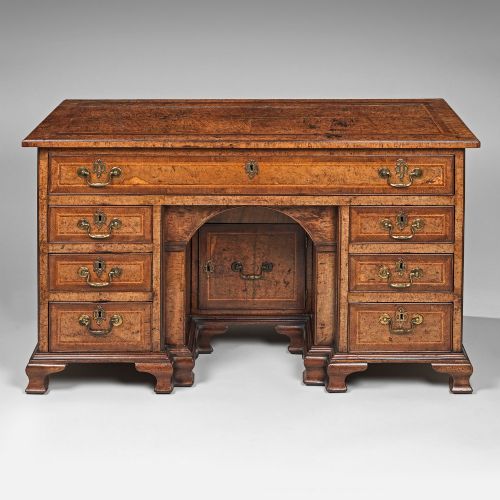
The selection includes specific functional types such as refectory dining tables, side tables, coffee tables, writing desks, and breakfast tables. Many examples date from the eighteenth and nineteenth centuries, displaying the distinctive figured grain and warm tones characteristic of mature timber.
Materials and construction
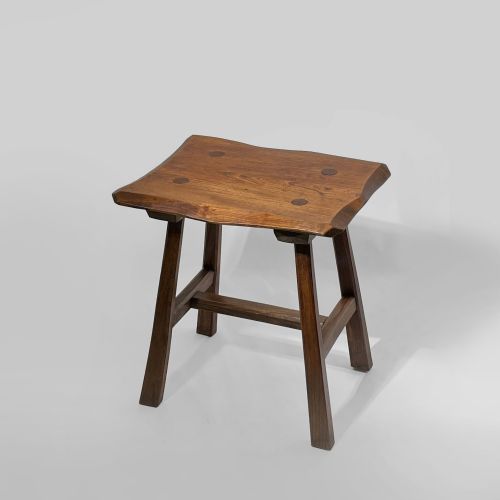
Construction methods vary from primitive peg-joined framing found in rustic farmhouse pieces to sophisticated cabinet work in George II and George III desks and lowboys. Timber was selected for toughness, as elm resists splitting and handles heavy daily use in kitchens and workshops.
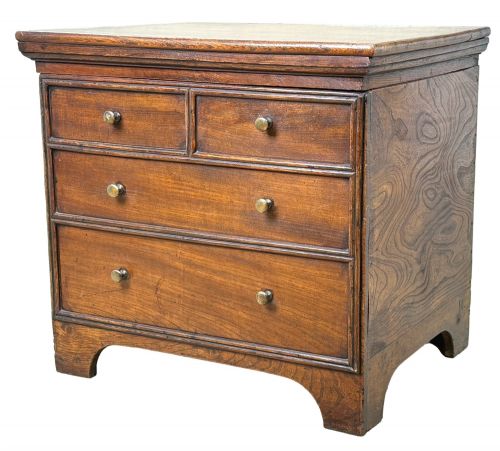
One historical piece doubles as a close stool disguised cleverly as a small Georgian bedside chest.
Assessing quality and character
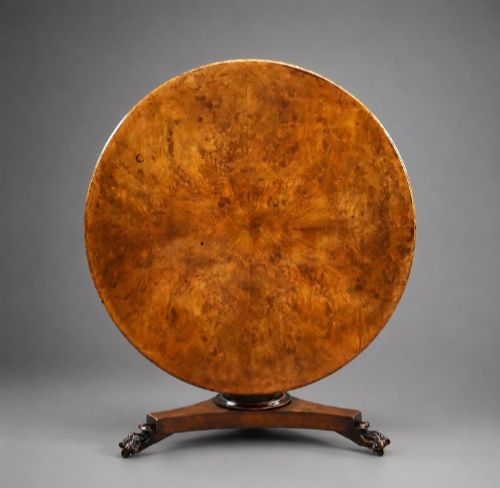
Quality rests upon the selection of the timber, particularly the presence of striking grain figures such as burr patterns versus plain utility boards. The integrity of the original structure, surface patina, and retention of original legs or bases determine the standing of each piece.
Regional provenance and period adherence separate utilitarian vernacular items from high-style Georgian cabinet pieces. Finer examples maintain original surface finishes that reveal decades of use without obscuring the natural warmth of the hardwood.
The Brown Elm Table Glossary
- Burr elm
- A figure found in timber grown from a tree's gnarled growth, producing intricate, swirling grain patterns highly prized by cabinet makers. It often appears on the top surfaces of occasional tables and desks.
- Lowboy
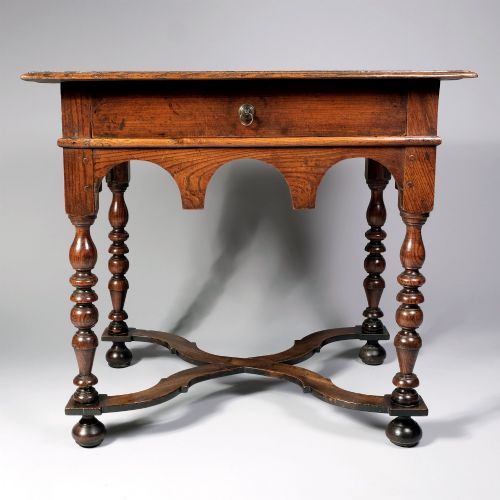
- A small kneehole dressing table or side table featuring drawers, typically standing on slender legs. Eighteenth-century examples often incorporate elm and oak.
- Tripod table
- A small circular or oval table supported by a central pillar above three splayed legs. These agile occasional pieces date commonly from the Georgian period.
- Refectory table
- A long, narrow dining table traditionally built for communal dining. Elm versions frequently display sturdy vernacular framing and thick plank tops.
- Vernacular style
- Furniture made by local craftsmen for regional use rather than following metropolitan fashion. These pieces emphasise functional construction using accessible local hardwoods.
Brown Elm Table: Frequently Asked Questions
How do I care for a brown elm table?
Keep the wood away from direct heat sources and sudden humidity shifts to prevent timber movement. Apply natural beeswax periodically to nourish the grain and maintain the surface sheen.
Avoid harsh chemical cleaners that strip the historic finish. Use coasters and mats to protect the timber from moisture rings and heat marks during everyday use.
What is the difference between English and Chinese elm tables?
English elm typically displays a denser, more rugged grain pattern suited to rustic farmhouse furniture and Georgian cabinet work. Chinese elm often exhibits distinct golden-brown tones and distinctive figuring found in altar tables and scholars' desks.
Both timbers offer exceptional durability, but their joinery and proportions reflect entirely different woodworking traditions and cultural interiors.
Are these tables suitable for daily dining?
Elm is a remarkably tough hardwood that resists splitting, making historical refectory and farmhouse tables robust enough for regular meals. Their sturdy construction handles the daily demands of a busy kitchen or dining room.
Consider the finish and joinery of specific examples before heavy use, as delicate tripod or antique writing tables serve better for display or occasional writing.
How can I tell an eighteenth-century table from a later copy?
Examine the underside and joints for hand-cut joinery, pegged tenons, and timber shrinkage appropriate to the age of the wood. Tool marks and natural wear patterns on the boards indicate genuine period use.
Look for consistency in the timber colour and patina that builds across centuries of handling, contrasting with modern machine-processed construction.