




Country Elm Settle
A country elm settle brings warmth and honest craftsmanship to an interior, offering robust seating built to endure.
Country Elm Settle
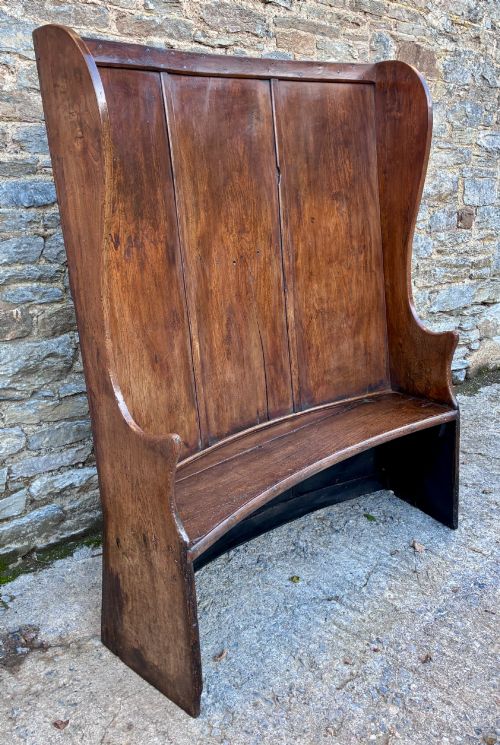
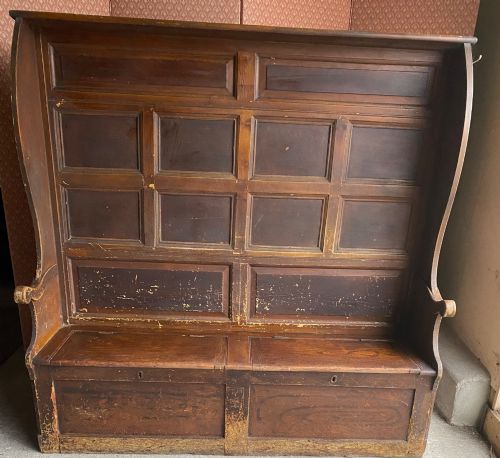
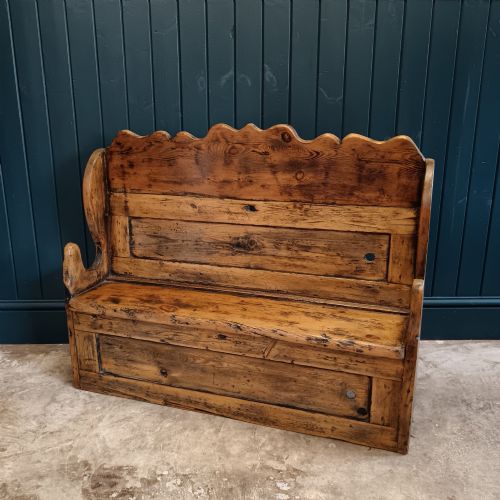
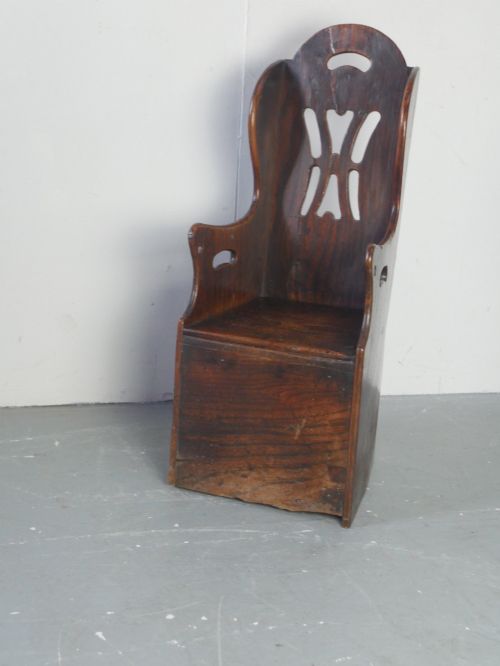
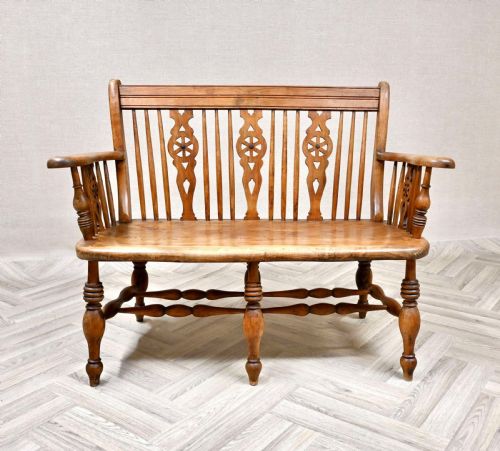
A country elm settle is a high-backed wooden bench designed to shield occupants from draughts in traditional interiors, frequently featuring panelled backs and substantial seats. The selections available encompass forms from the seventeenth, eighteenth, and nineteenth centuries, alongside regional variations in oak, pine, ash, and yew.
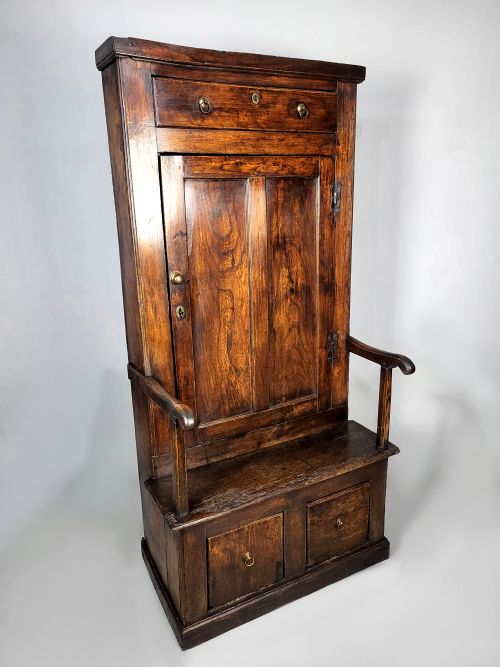
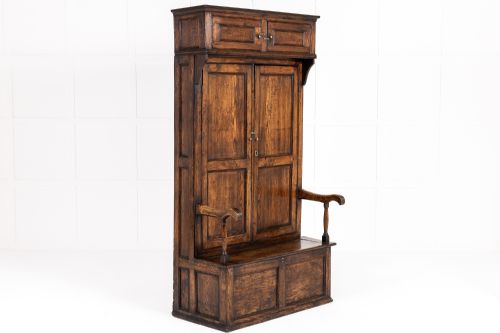
Buyers will encounter provincial examples and tavern settles, sometimes incorporating storage compartments or cupboards within the framework. These pieces range from compact childs chairs and slim hallway benches to large high-backed settles intended for farmhouse kitchens.
Materials and construction
These items rely heavily on solid elm, often combined with secondary woods such as oak, pine, and ash for internal framing or structural support. Iron and brass fixings appear on certain hinges, brackets, or panels.
Joinery methods reflect traditional regional carpentry, utilising box panelling, pegged joints, and solid timber planks fashioned into settles, benches, and cupboard combinations.
Country Elm Settle Retail Price Guide 2026
Typical asking prices for country elm settle among the pieces listed under this phrase on Sellingantiques today, from the lower quarter to the upper quarter. They describe what is for sale here now, not the wider market.
Current listings demonstrate periods spanning from the seventeenth century through to the nineteenth century, utilising elm, oak, pine, and ash.
Distinctions in quality
Quality rests in the integrity of the timber selection and the retention of original structural elements across the panelled backs and box bases. Pieces displaying harmonious integration of elm alongside secondary woods like oak or ash demonstrate superior provincial craftsmanship.
The sophistication of the joinery and the depth of the regional style, from seventeenth century provincial to Georgian country designs, separate standard utilitarian seating from more refined examples.
The Country Elm Settle Glossary
- Settle
- A wooden bench with a high back, solid arms, and often a enclosed box base. It provides shelter from cold draughts in domestic spaces.
- Bacon settle
- A specific variant featuring built-in cupboards or compartments in the upper back framework. Traditionally used for curing and storing meat.
- Box panelled
- A method of construction using framed wooden panels fitted into grooves. This technique adds structural rigidity to the back and base.
- Provincial
- Describing items made outside major metropolitan centres, reflecting local materials and vernacular traditions. These pieces embody regional character.
Country Elm Settle: Frequently Asked Questions
How were these settles used?
These benches served as primary seating for families gathered around the fireplace in traditional homes and taverns. The high wooden back and solid sides trapped heat from the hearth.
Some variants with integrated cupboards also functioned as storage for household provisions or garments.
How do I live with one?
Integrating a settle into a modern interior requires adequate wall space to accommodate the high wooden back and substantial depth. They work well in hallways, kitchens, or living areas.
Keep them away from direct heat sources and sudden humidity changes to protect the solid elm and secondary timbers.
How are periods told apart?
Seventeenth and eighteenth-century examples display heavier peg construction, simpler provincial lines, and deeper patination on the elm boards. Later nineteenth-century versions often show lighter framing and alternative wood combinations like pine.
Stylistic markers such as George II proportions or Georgian panel layouts help determine the era of manufacture.