

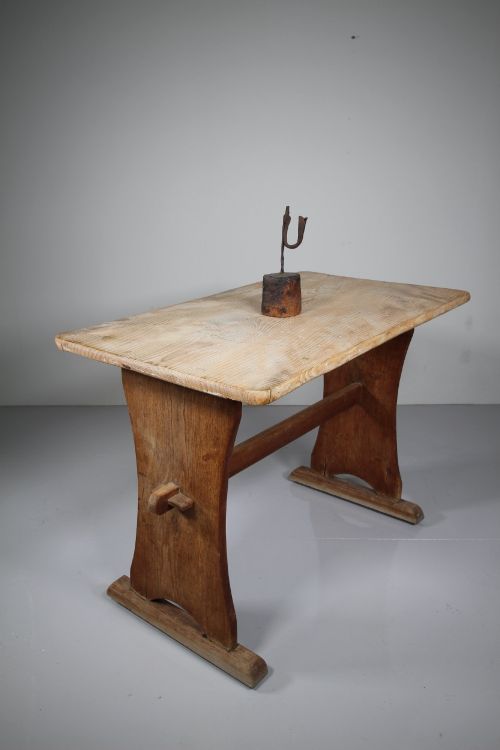
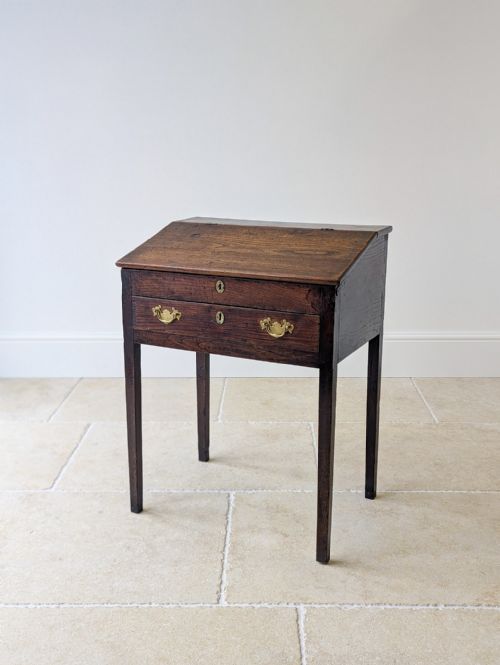
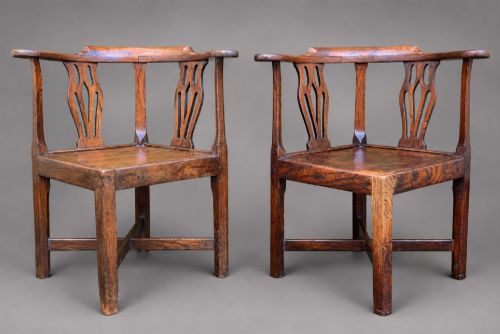
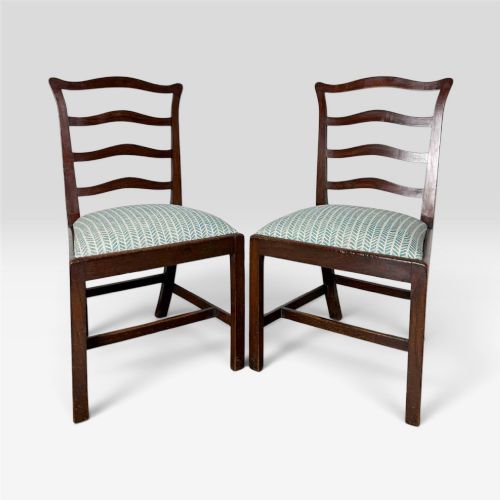
Country Elm Desk
A country elm desk brings tactile warmth and historic utility into a room through its rich grain and honest vernacular construction.
Country Elm Desk
A country elm desk embodies the practical work furniture of past centuries, combining sturdy local timber with straightforward utilitarian design. These pieces often merge utility with regional character, showing the robust nature of English and European farmhouse interiors.
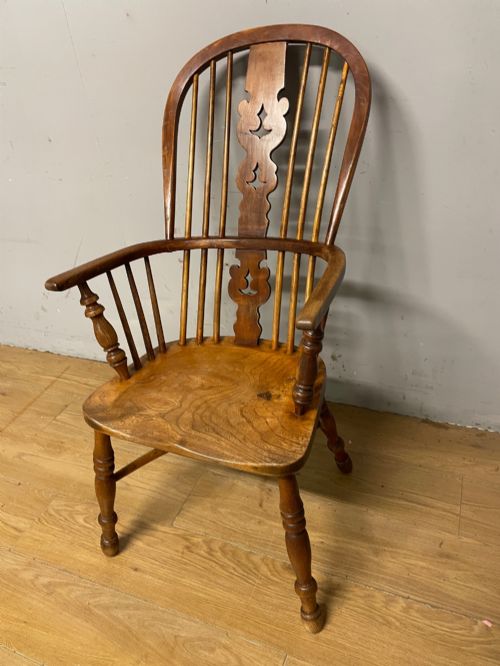
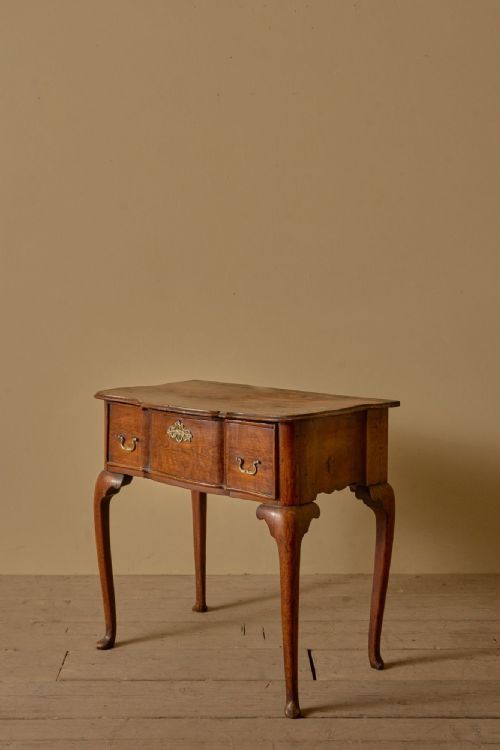
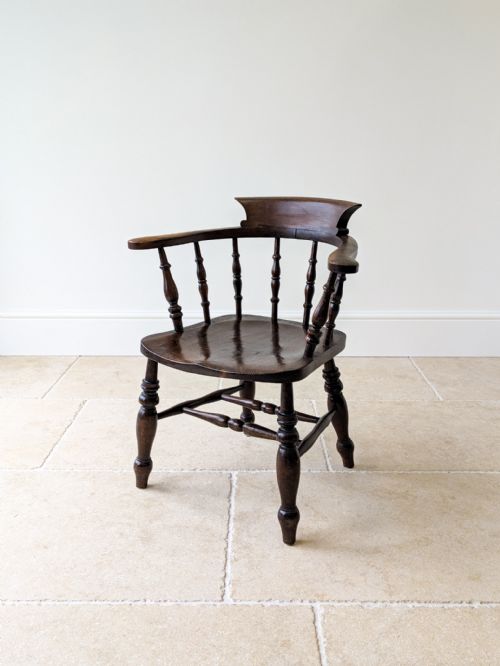
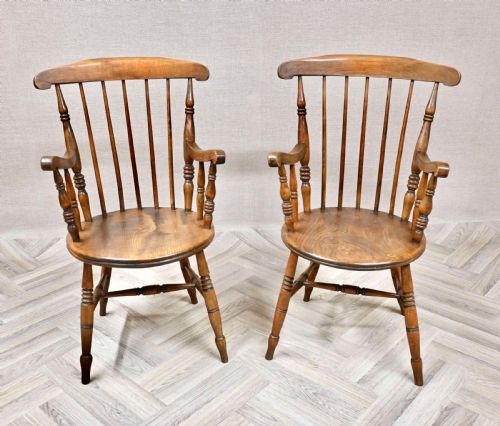
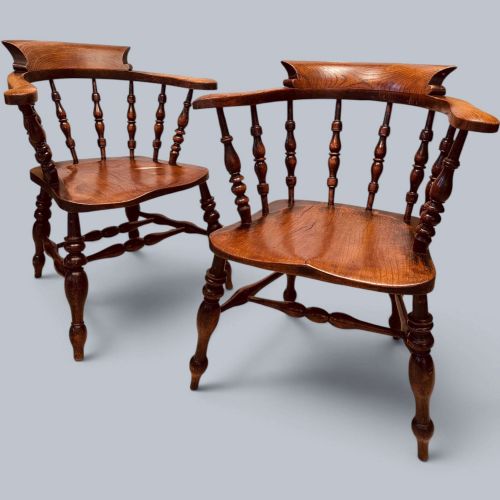
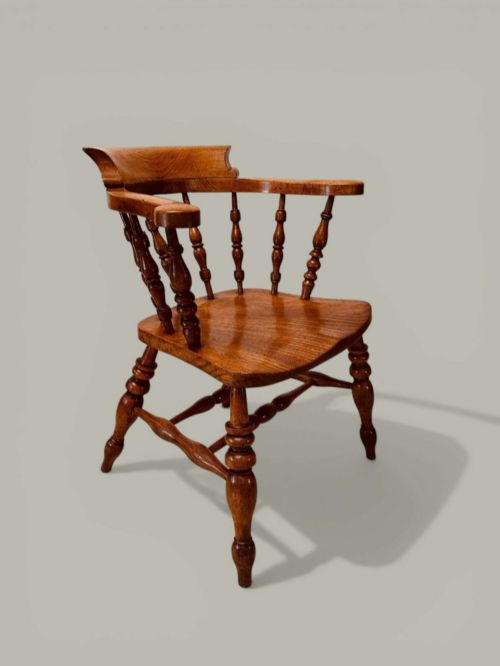
Buyers searching for a country elm desk frequently encounter related vernacular forms such as clerk's desks, lowboys, and captain's chairs constructed from mixed woods. The surviving examples span from the eighteenth century through the Victorian period and into the early twentieth century, reflecting enduring rural traditions.
How they were made
Cabinet makers and rural joiners utilised elm for its tough, interlocking grain, often pairing it with beech, ash, oak, or yew for structural stability. This combination of local hardwoods provided the necessary strength for daily writing and working tasks without relying on exotic imported timber.
Construction techniques relied on traditional joinery, turning, and steam-bending to shape components like bows and stretchers. Surfaces were left with natural finishes that highlighted the figure of the wood, secured with brass fixings where drawers or compartments required hardware.
Country Elm Desk Retail Price Guide 2026
Typical asking prices for country elm desk among the pieces listed under this phrase on Sellingantiques today, from the lower quarter to the upper quarter. They describe what is for sale here now, not the wider market.
Listings feature items from the eighteenth, nineteenth, and early twentieth centuries, constructed using elm, beech, ash, oak, yew, and pine.
What varies in quality
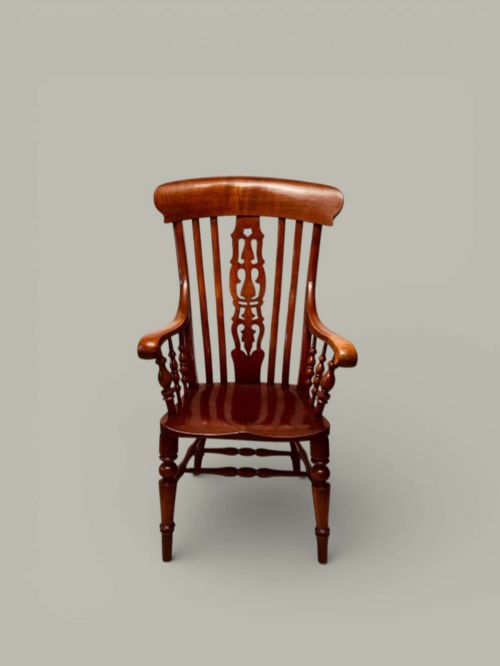
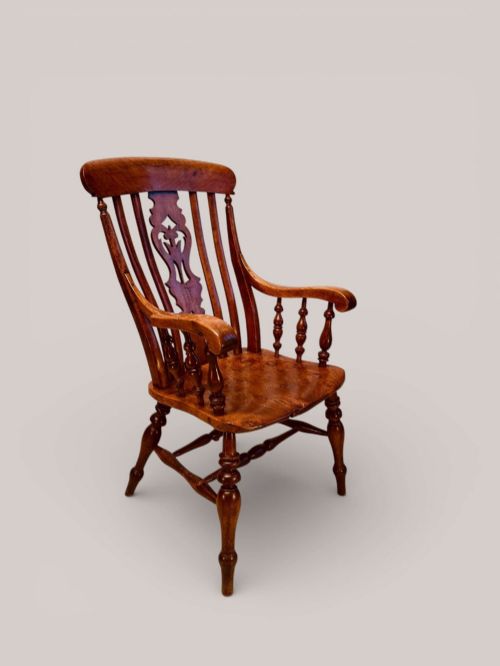
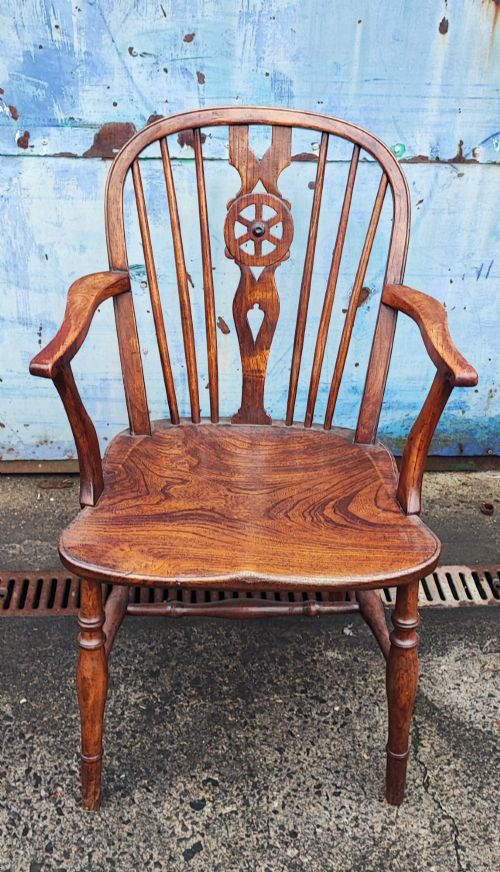
The distinction between standard utility items and superior examples lies in the selection of timber and the finesse of the joinery. Figured elm boards with rich patterning elevate a piece, while well-proportioned turnings and balanced Windsor structures show a higher standard of regional craftsmanship.
Proportion and material integration also dictate the standing of an item, as mixed-wood pieces where oak, yew, and elm are harmoniously combined demand greater skill. Original surface patination and minimal structural alteration preserve the integrity prized by collectors.
Rockley maker
The Country Elm Desk Glossary
- Vernacular
- Everyday utilitarian furniture made by regional craftsmen using local materials rather than following metropolitan high-style fashions. This style reflects the practical needs of rural households and provincial workshops.
- Windsor
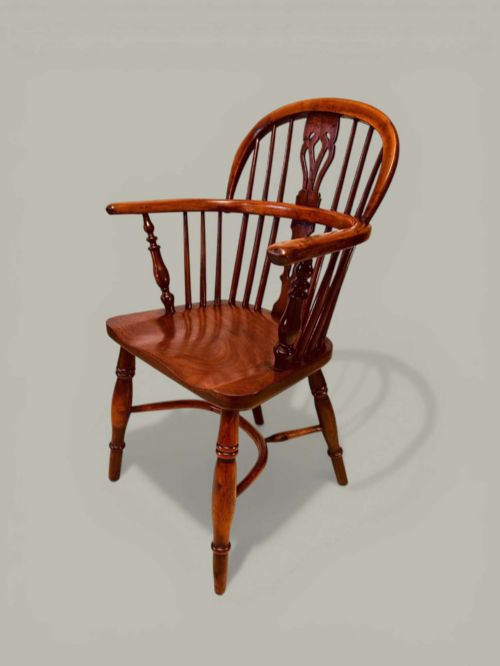
- A chair or seating form constructed with a solid wooden seat into which the legs and back spindles are directly inserted. This method provides robust support through pegged joints.
- Lowboy
- A small serving or writing table typically fitted with one or more drawers beneath a flat top. These low tables date primarily from the eighteenth century.
- Stretcher
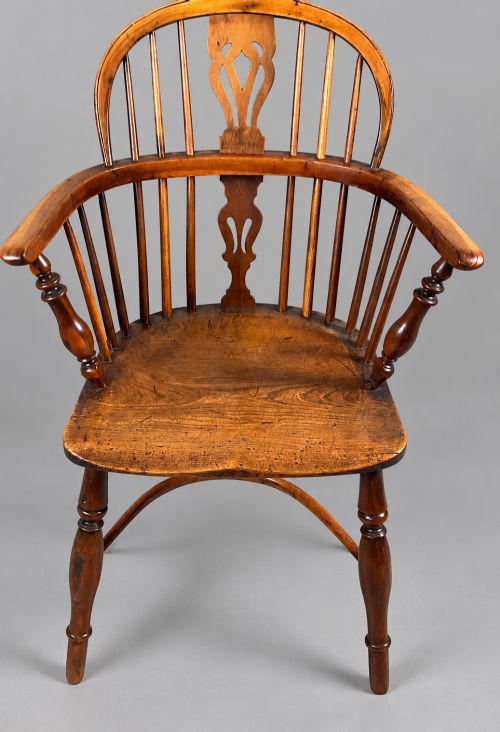
- A horizontal support connecting the legs of a table or chair to increase rigidity and strength. In country seating, these often take the form of bow or cross shapes.
- Smoker's bow
- A low-backed Windsor armchair with a continuous curved armrail popular in nineteenth-century public houses and parlours. It offers sturdy comfort for prolonged seating.
Country Elm Desk: Frequently Asked Questions
What is a country elm desk?
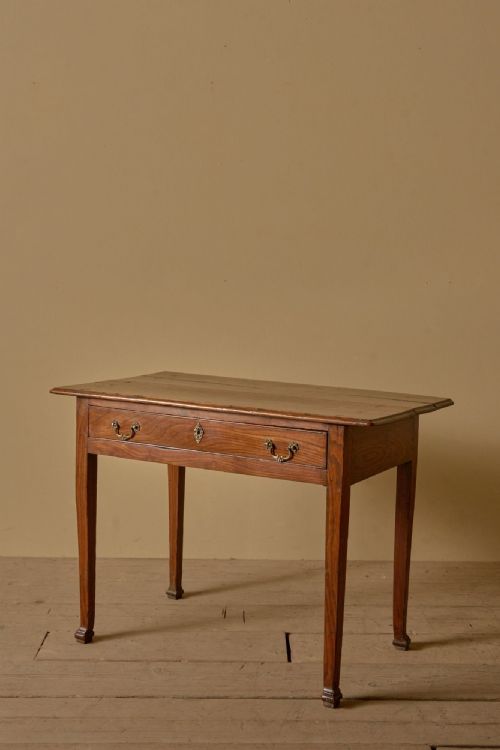
A country elm desk is a utilitarian workspace piece constructed from native elm timber, often featuring drawer storage and sturdy vernacular joinery.
These pieces originate from rural workshops and reflect the practical design priorities of eighteenth and nineteenth century makers.
How do I care for elm furniture?
Elm furniture responds well to regular dusting with a soft cloth and occasional applications of traditional beeswax to nourish the timber grain.
Keep these pieces away from direct heat sources and extreme humidity fluctuations to prevent the wood from splitting.
How are different wood types combined?
Country furniture makers frequently paired elm seats or tops with beech, ash, or oak for legs and spindles to utilise the best properties of each timber.
Elm provided durable, crack-resistant working surfaces, while straight-grained ash or oak offered strength for structural supports.
What periods do these pieces span?
Surviving country elm furniture spans from the eighteenth century through the Georgian and Victorian eras up to the early twentieth century.
Each period maintains traditional regional construction methods while adapting slightly to changing domestic requirements.