



Provincial Elm Table
A provincial elm table brings tactile timber and honest rural utility to a room, valued for its warm grain and unpretentious form.
Provincial Elm Table
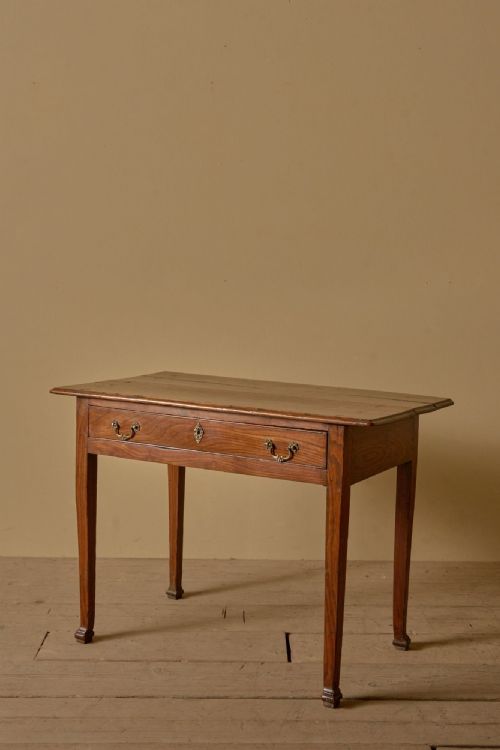
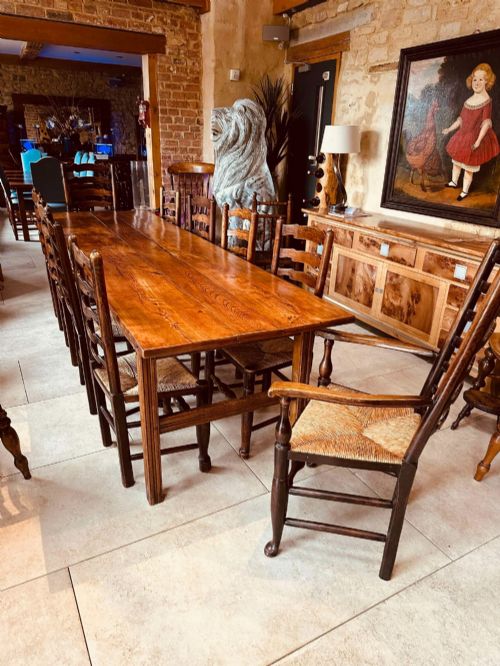
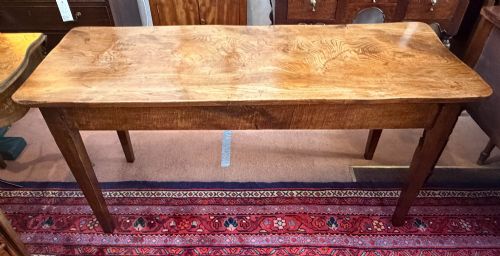
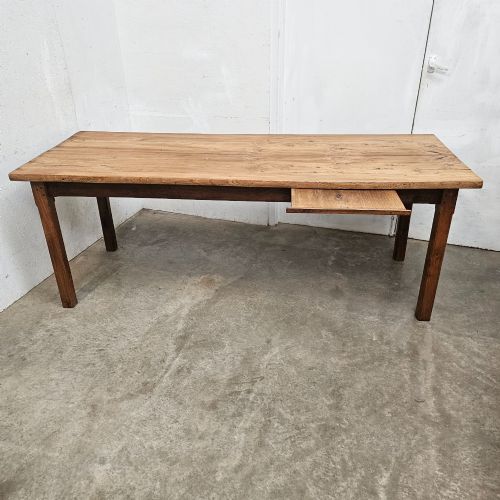
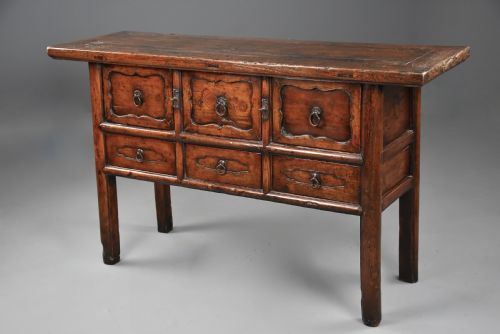
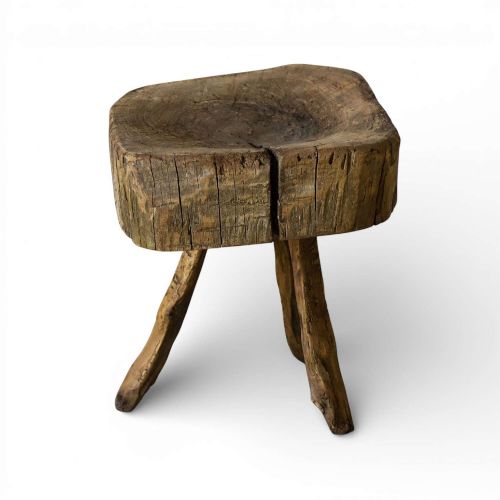
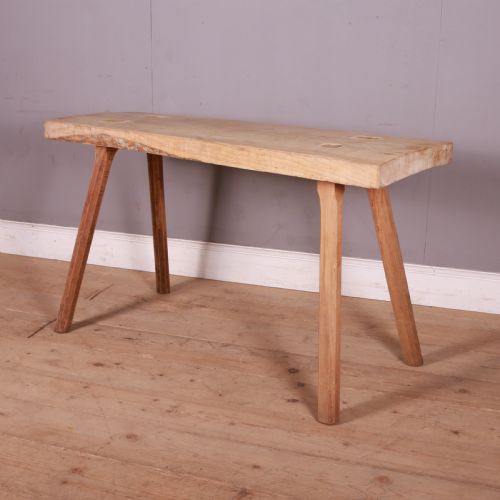
A provincial elm table covers robust dining boards, kitchen chopping blocks, and modest side tables produced across English, French, and Chinese rural workshops. These pieces span the eighteenth and nineteenth centuries, taking the form of refectory tables, harvest tables, and occasional side pieces.
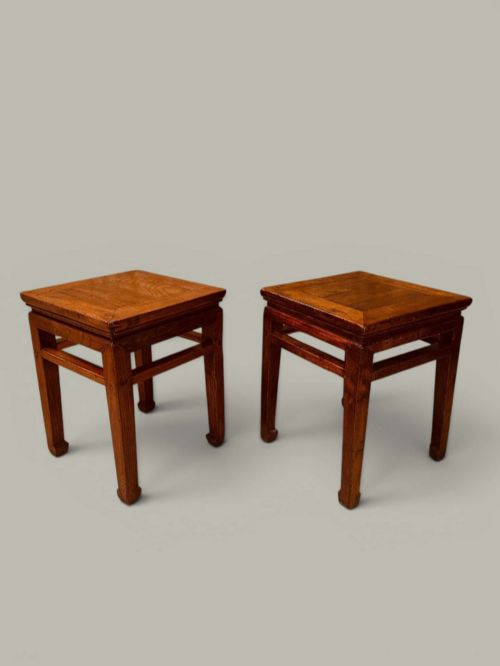
The version most frequently met on this page is the French farmhouse dining table or kitchen chopping block, often constructed with a substantial two-board top and supported by gnarled or straightforward legs. Alongside these, English and Chinese vernacular side tables appear, showing regional adaptations in timber and construction.
Materials and construction methods
Construction relies heavily on solid timber, pairing elm with supporting elements of oak, sycamore, or metal braces. Elm provides a tough, interlocking grain that resists splitting under heavy kitchen or workshop use.
Surface treatments range from scrubbed raw timber and natural patinated finishes to red lacquer, depending on whether the piece originated in an English cottage, a French kitchen, or a Chinese interior.
Provincial Elm Table Retail Price Guide 2026
Typical asking prices for provincial elm table among the pieces listed under this phrase on Sellingantiques today, from the lower quarter to the upper quarter. They describe what is for sale here now, not the wider market.
Evaluating quality and character
Quality rests in the integrity of the timber and the depth of the patina accumulated through decades of domestic labour. Tables retaining their original legs, uncompromised structural joints, and boards with pronounced grain variation stand above heavily restored examples.
The subtlety of proportion and the honesty of past repairs also dictate the standing of a piece. A top formed from two wide, well-matched planks holds greater visual coherence than a surface cobbled from mismatched timber strips.
The Provincial Elm Table Glossary
- Elm
- A dense, tough timber characterised by a tangled, interlocking grain that makes it resistant to splitting. It was widely utilised for vernacular furniture and heavy-duty chopping blocks.
- Patina
- The surface sheen and mellowing developed over centuries of handling, cleaning, and exposure to light. This gradual ageing alters the raw tone of the timber into a deeper hue.
- Refectory table
- A long dining table traditionally utilised for communal meals in large halls or rural settings. These pieces often feature stretcher bases for added stability.
- Vernacular rural style
- Furniture built by local tradesmen using regional materials to satisfy practical domestic needs rather than following metropolitan fashion.
- Trestle table
- A table comprising a horizontal top supported by two or more vertical legs or frames. This construction allows for maximum legroom along the length of the board.
Provincial Elm Table: Frequently Asked Questions
How do I clean a provincial elm table?
Maintenance requires only a damp cloth and mild soap, avoiding harsh chemical polishes that strip the historic surface.
Allowing the timber to breathe preserves the dry, patinated finish characteristic of working antique furniture.
Can I use an elm chopping block for dining?
Chopping blocks designed for domestic kitchens serve well as occasional work surfaces or unique centre tables in modern spaces.
Their heavy, solid construction provides immense stability despite their modest footprints.
What is the difference between French and Chinese elm tables?
French examples tend toward scrubbed tops, peg-jointed frames, and rustic farmhouse proportions.
Chinese pieces frequently display side table formats, plank tops, console designs, and occasional red lacquer treatments.
Are these tables suitable for everyday dining?
Solid timber construction makes these pieces remarkably durable for daily family meals and gatherings.
Their surfaces readily absorb the marks of daily use, adding further character to the historic grain.