


Brown Elm Writing Desk
These brown elm writing desk pieces bring warm timber character and practical workspace into a room, offering tactile grain and enduring utility.
Brown Elm Writing Desk
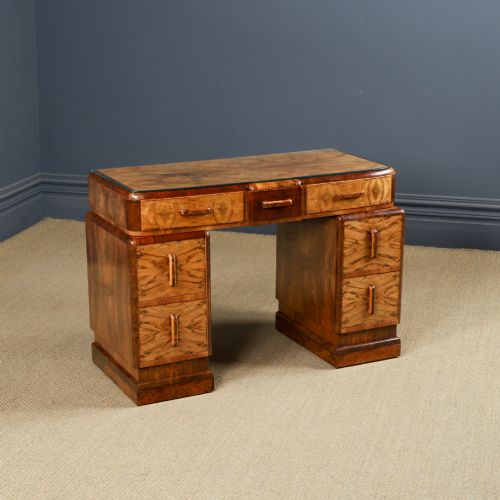
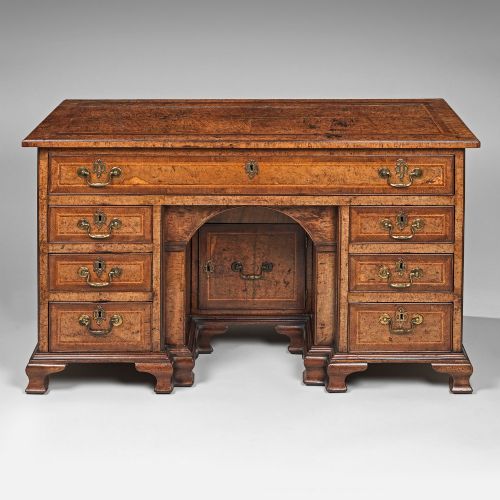
A brown elm writing desk brings together provincial character and functional workspace, featuring prominently in Georgian, Regency, and Art Deco designs. When searching for a brown elm writing desk, buyers encounter forms ranging from compact table top bureaux and Davenport desks to larger kneehole writing tables and side tables.
The material selection often pairs the primary timber with secondary woods such as oak, walnut, or yew, alongside brass hardware and leather inserts. Pieces span from the eighteenth century through to the early twentieth century, including English provincial works and international examples.
Bureau forms provide slope-front writing surfaces with internal compartments, while pedestal and partner formats offer larger timber expanses. The variety extends to childs desks and corner chairs, showing how diverse the domestic writing function was across periods.
How they were made
Construction relies heavily on elm and burr elm timbers, frequently combined with oak for framing and walnut or yew for decorative contrast. Cabinetmakers selected these woods for their figured grain patterns and robust structural qualities.
Hardware additions incorporate brass handles, hinges, and escutcheons to secure drawers and fall-fronts. Leather surfaces provide durable writing planes, while glass elements appear in later twentieth-century iterations.
Listings feature elm, burr elm, oak, walnut, and yew materials spanning the 18th, 19th, and 20th centuries.
What varies in quality
Quality rests on the depth of the timber figuring, particularly the lively grain found in burr elm panels compared to plain stock. The integration of secondary woods like oak and walnut also signals the tier of craftsmanship.
Proportion and execution define the distinction between straightforward provincial items and refined formal furniture. Hardware selection, dovetail construction, and the preservation of original leather or brass components further separate examples.
The Brown Elm Writing Desk Glossary
- Elm
- A durable hardwood noted for its interlocking grain and resistance to splitting. It forms the primary body of these desks.
- Burr Elm
- A specialised timber growth showing swirling patterns and knot clusters. Cabinetmakers used these highly figured sections for decorative veneer panels.
- Bureau
- A desk featuring a sloping lid that opens to reveal pigeonholes and small drawers. This form allows the user to conceal writing materials when not in use.
- Davenport Desk
- A compact pedestal desk with a sloping top and drawers opening to the side. It gained popularity during the Regency period for boudoir and study use.
- Kneehole Desk
- A freestanding desk with a central recess for the user's legs flanked by banks of drawers. George II examples demonstrate early mastery of this balanced configuration.
Brown Elm Writing Desk: Frequently Asked Questions
What is a brown elm writing desk?
A brown elm writing desk is a piece of wooden furniture designed for writing and paperwork, constructed primarily from elm or burr elm timber. These items include bureaux, Davenport desks, and kneehole tables originating from various historical periods.
Such desks combine practical storage compartments with durable wooden surfaces, reflecting both English provincial traditions and broader stylistic influences.
How do I date an elm desk?
Dating an elm desk involves examining its structural construction, hardware style, and overall form against known period characteristics. Pieces from the eighteenth century often display hand-cut dovetails and provincial cabinetmaking traits.
Later nineteenth and twentieth-century examples integrate machine-sawn components and different design revivals, such as Art Deco influences or Queen Anne revivals.
Where were these desks made?
These desks originate from a mix of English provincial workshops and international makers, including Anglo-Indian and traditional Chinese origins. Regional cabinetmakers utilised local elm timber for domestic commissions and trade.
The diversity in origin results in varied forms, from compact table top bureaux to large partners desks and side tables.
How should I care for elm timber?
Caring for elm timber requires maintaining stable indoor humidity levels and protecting the surface from direct heat and excessive sunlight. Regular dusting with a soft, dry cloth preserves the natural finish without damaging the grain.
Applying occasional appropriate furniture wax helps nourish the wood and maintain the rich brown tones of the burr and plain elm surfaces.