


Wooden Single Drawer Table
A wooden single drawer table brings compact utility and period character to a room, offering a convenient surface paired with discreet storage.
Wooden Single Drawer Table
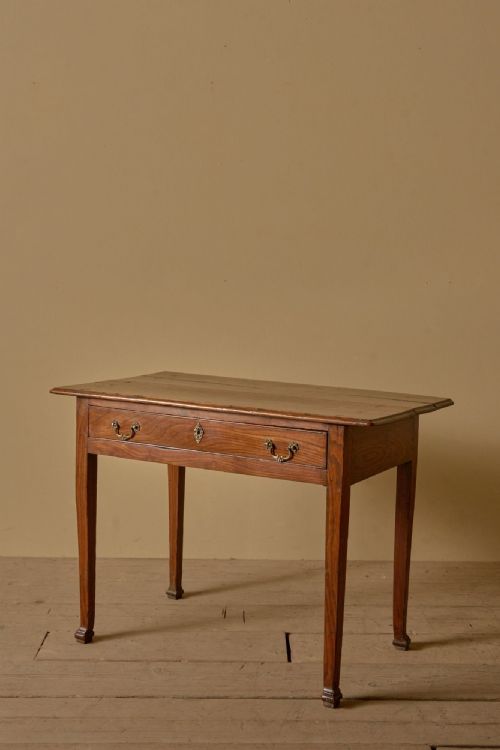
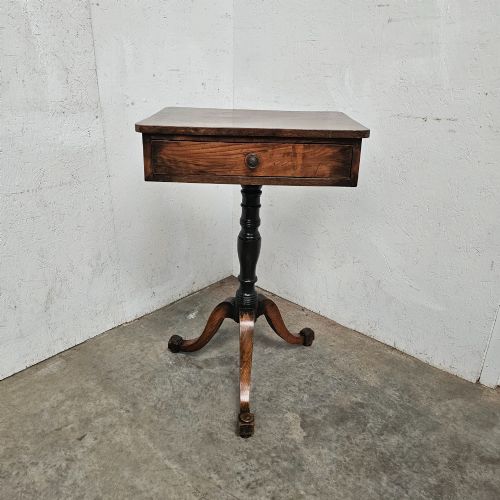
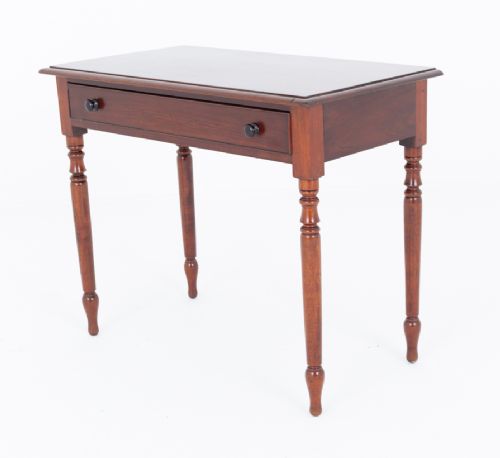
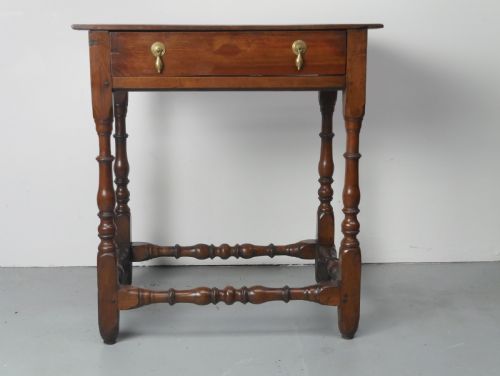
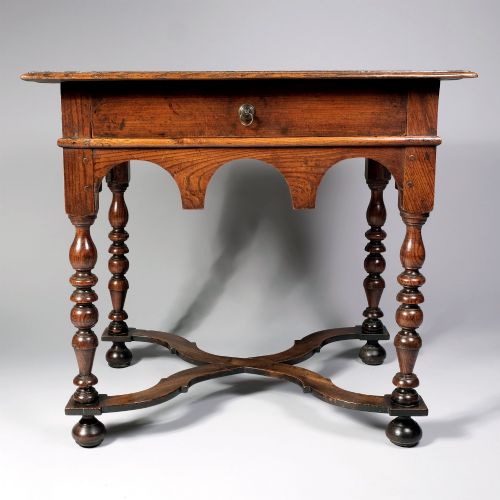
A wooden single drawer table functions primarily as a side, lamp, or writing table, designed to fit snugly against walls or beside seating. These items appear across numerous eras, including the Georgian, Victorian, and Edwardian periods.
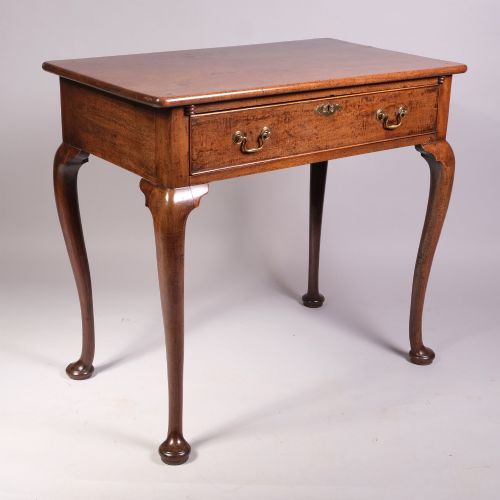
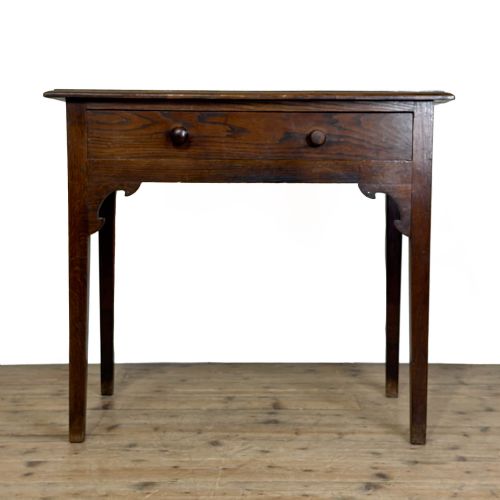
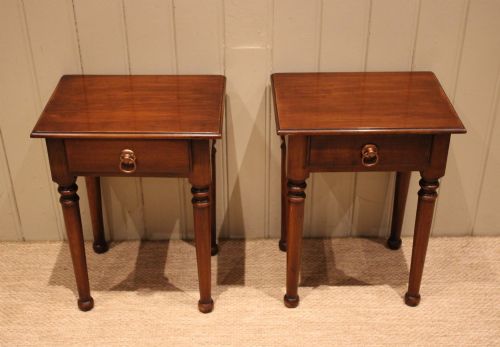
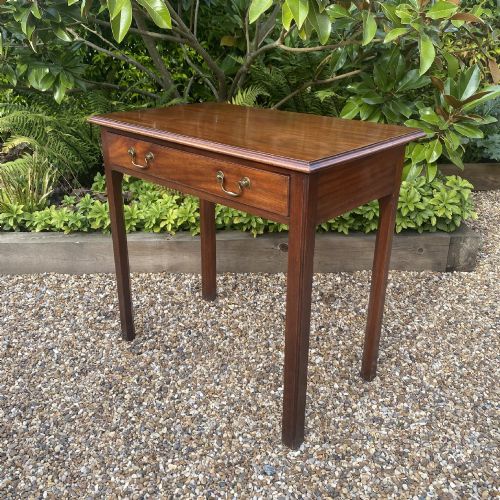
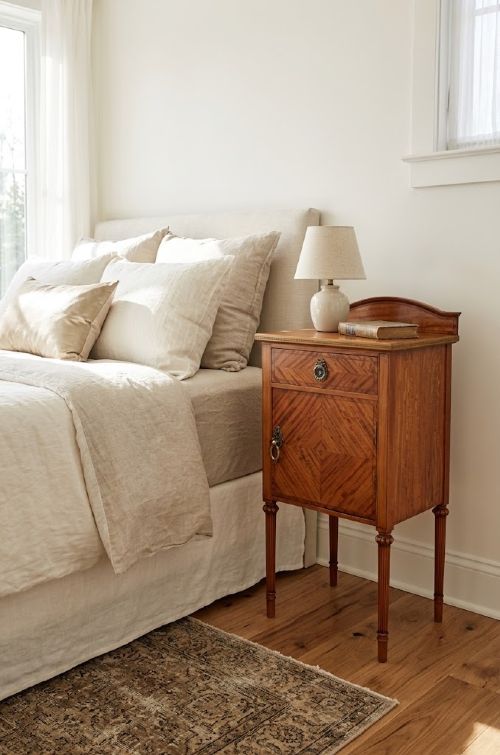
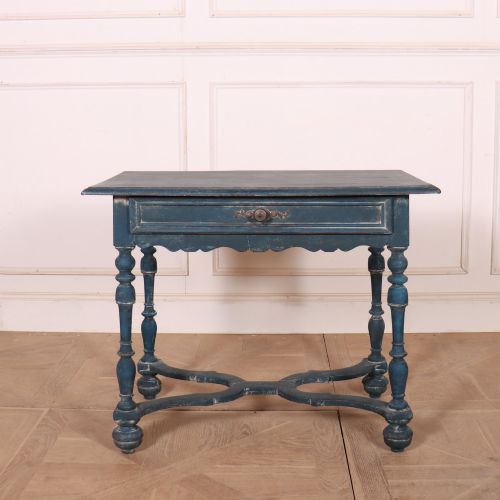
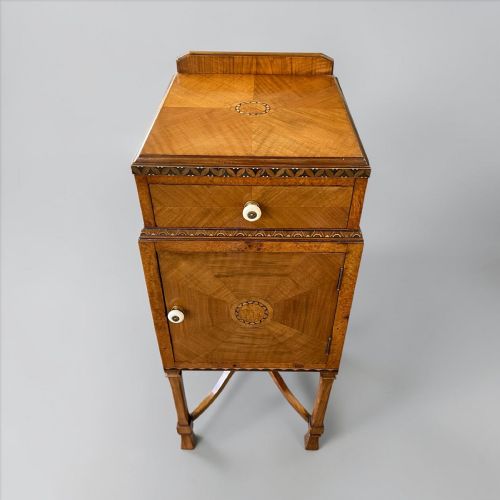
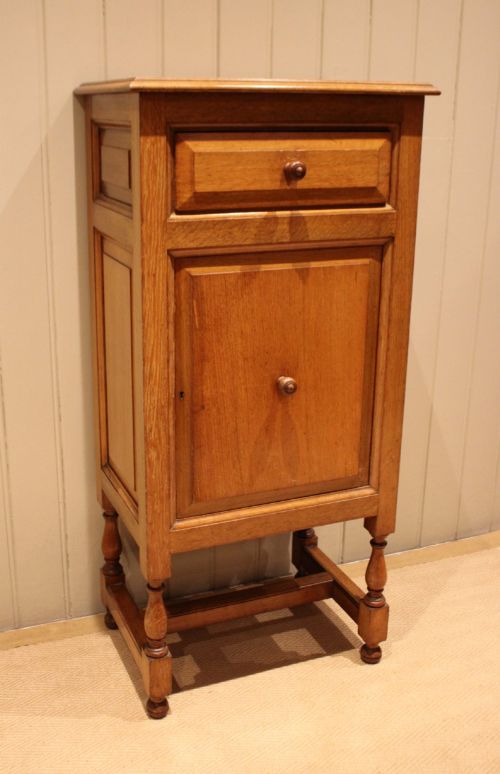
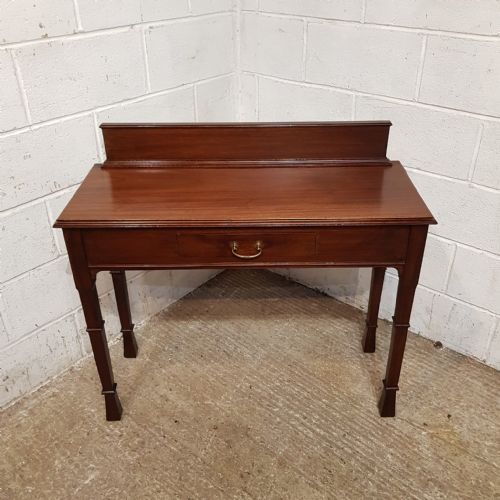
The selections on this page span diverse forms such as lowboys, console tables, and bedside cabinets. Buyers most frequently encounter mahogany and oak examples, alongside occasional pieces rendered in elm, walnut, and fruitwood.
Origins range from English country workshops to formal urban settings, reflecting varied regional tastes and domestic requirements. Each piece demonstrates how a singular drawer was integrated into compact furniture formats.
Materials and construction
Joinery relies on traditional timber framing, utilising hardwoods like mahogany, oak, and walnut alongside softer timbers such as pine and elm. Cabinetmakers shaped panels, legs, and aprons using hand tools suited to the specific grain and density of each wood.
Drawers are constructed with tight joints to slide smoothly within their apertures, often accented by brass pulls or handles. Surface treatments vary from polished French polish and natural wax finishes to historic painted surfaces.
Wooden Single Drawer Table Retail Price Guide 2026
Typical asking prices for wooden single drawer table among the pieces listed under this phrase on Sellingantiques today, from the lower quarter to the upper quarter. They describe what is for sale here now, not the wider market.
Listings feature timbers including mahogany, oak, walnut, elm, pine, ash, cherry wood, satinwood, and yew wood.
Assessing quality and finish
Superior examples distinguish themselves through the selection of finely figured timber veneers and the precision of the drawer joinery. The crispness of carved details or the harmony of proportions separates simpler utility furniture from more refined cabinetwork.
The integrity of the original timber surfaces and the retention of period hardware contribute significantly to an object's character. Subtle variations in execution reflect the individual hand of the maker and the intended domestic function of the table.
The Wooden Single Drawer Table Glossary
- Lowboy
- A small table with one or more drawers, typically standing on relatively tall legs and originating in the late 17th or 18th century. These pieces were often used as dressing tables or side tables.
- Pembroke table
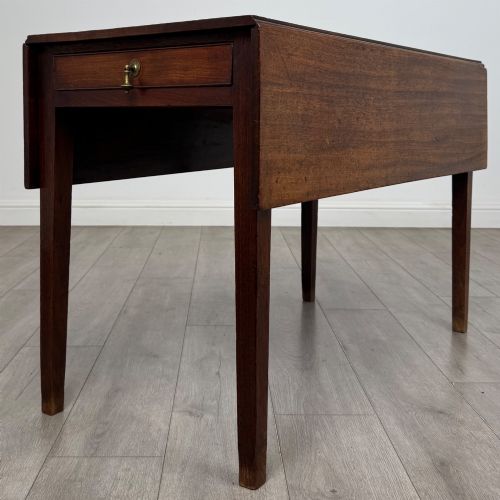
- A small occasional table featuring hinged drop leaves on either side and usually a single drawer. The design allows the surface area to expand or contract according to immediate needs.
- Side table
- A versatile small table designed to stand against a wall. They appear in numerous period styles and serve functional roles for display or storage.
- Bobbin turning
- A form of woodturning characterised by a succession of rounded, spool-like shapes resembling bobbins. This decorative technique appears frequently on 17th-century furniture frames.
- Bow-front
- A convex curved front contour typical of certain Georgian and Victorian case furniture and tables. This shape softens the profile and adds visual depth to smaller pieces.
Wooden Single Drawer Table: Frequently Asked Questions
Where should I place a wooden single drawer table?
These tables adapt easily to hallways, living rooms, and bedrooms where surface space and a small compartment are useful. Their modest proportions allow them to sit neatly beside armchairs or against empty wall spaces.
Because they do not dominate a room, they function well as lamp tables or bedside stands without cluttering the floor plan.
How do I identify a Georgian table?
Georgian pieces often display dense mahogany, oak, or walnut construction with restrained proportions and precise joinery. Cabinetmakers of this era frequently employed clean lines and subtle details like cockbeading around the drawer edges.
Examining the underside and drawer linings reveals hand-cut joints and timber ageing consistent with the 18th or early 19th century.
Can I use these tables for daily writing?
Certain examples designated as writing tables or lowboys provide sufficient height and knee clearance for light correspondence. Most variations, however, are intended primarily as lamp or side tables rather than dedicated desks.
Checking the height dimensions ensures the piece matches your seating if you plan to write at it regularly.
What woods were commonly used?
Mahogany and oak dominate the selection, offering durability and rich grain patterns across multiple stylistic periods. Elm, walnut, fruitwood, and pine also appear frequently, particularly in country-made or earlier pieces.
Each timber brings a distinct weight, colour, and texture that defines the visual character of the individual table.