




Counter Top Display
Counter top display pieces bring commercial history into domestic interiors, offering glass and timber cases designed to showcase small treasures.
Counter Top Display
When you search for counter top display, you encounter glazed timber cabinets, brass-framed vitrines, and tabletop cases originally built for Edwardian and Victorian retail trade. These commercial shop fittings were designed to sit upon counters, allowing customers to inspect goods while protecting them from handling.
The most common versions on this page are mahogany and oak cabinets dating from the Victorian and Edwardian periods through to the 1930s. They take the form of small glass-fronted cases, bow-end counters, and specialised vitrines made for pharmacies, tobacconists, and drapers.
How They Were Made
Makers constructed these cabinets using sturdy timber frames of mahogany, oak, and walnut, joined with traditional framing techniques to support heavy glass panes. Brass, bronze, and chrome framing became common by the 1920s and 1930s, offering slimmer sightlines for maximum visibility.
Interiors were frequently lined with velvet, felt, or mirrored glass to enhance the appearance of displayed goods. Specialised commercial cases incorporated drop-down wooden doors, sliding glass panels, and purpose-built drawers.
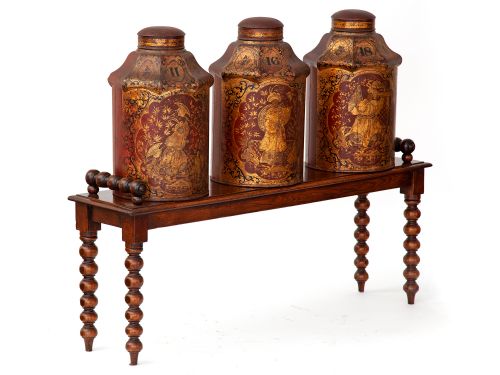
Specialised commercial forms include pharmacy jars, drapers cabinets, and dedicated cabinetry for pencils and confectionary.
What Varies In Quality
Quality rests in the integrity of the original framing, the clarity and age of the glass panels, and the retention of working brass hardware. Cabinets retaining original maker plaques, pharmacy labels, or manufacturer stencils command greater interest from collectors.
Simpler utility cases made for general merchandise contrast with purpose-built branded cabinetry produced for confectioners and stationers. The presence of specialised internal fittings, such as tiered shelving or velvet-lined trays, marks the distinction between standard shop furniture and high-end retail displays.
Saml Elliott & Sons·Quincy Showcase Works·J C King Ltd
The Counter Top Display Glossary
- Vitrine
- A glass display cabinet or case designed for protecting and exhibiting delicate objects. They often feature glazed sides and tops to allow maximum light penetration.
- Bijouterie case
- A shallow glass-topped table or cabinet specifically intended for displaying small valuables such as jewellery, watches, and trinkets. These frequently incorporate velvet or silk lined interiors.
- Bow end
- A curved glass or timber end panel on a cabinet or counter. This design softened harsh room angles and improved visibility from multiple retail vantage points.
- Haberdashery
- Retail furniture designed for storing and displaying sewing supplies, cotton reels, and small textiles. They utilise shallow drawers and glass fronts for easy stock selection.
- Apothecary jar
- A vessel used by chemists and pharmacists to store dry drugs, herbs, or medical liquids. Examples found in retail displays often feature hand-painted glass labels or ground glass stoppers.
Counter Top Display: Frequently Asked Questions
What were counter top display cases originally used for?
These glass and timber cases sat upon shop counters to showcase high-value goods like jewellery, cigars, and cosmetics directly to customers.
Retailers utilised them to protect small stock from theft or damage while keeping items clearly visible.
How do I style a counter top display in my home?
These cabinets suit living rooms, studies, or kitchens for housing collections of small antiques, ceramics, or natural curiosities.
Internal mirrors and glass shelves help distribute natural light around the displayed items.
Are branded shop displays authentic?
Many commercial cabinets bear original company names, ceramic plaques, or paper transfers related to confectioners, tobacconists, and thread manufacturers.
Some examples received later sign-writing for specific brands after leaving their initial point of manufacture.
How do I distinguish Edwardian display cabinets from Victorian ones?
Victorian examples tend to feature darker mahogany timbers, heavier mouldings, and more ornate brass handles reflecting formal retail aesthetics.
Edwardian and 1930s pieces often present lighter oak frames, cleaner geometric lines, and occasionally metal or chrome structural elements.