


Corinthian Column Clock
A corinthian column clock brings heavy architectural brass and bevelled glass to the mantelpiece, offering mechanical precision wrapped in classical revival style.

What these clocks are
A corinthian column clock takes the form of a brass carriage clock framed by classical fluted pillars and topped with decorative capitals. These pieces emerge from Victorian and Edwardian workshops, spanning the late nineteenth century through to the early decades of the twentieth century. They stand as robust timepieces designed equally for travel and for permanent display on a desk or mantel.
The prevailing examples on this page are French carriage clocks featuring heavy gilt brass cases and bevelled glass panels that reveal the escapement within. Makers incorporated striking mechanisms, repeater functions, and occasionally moon-phase complications into these architectural housings. The overall aesthetic draws heavily from French Second Empire and Victorian Classical Revival tastes.
The scale remains compact yet substantial due to the dense use of brass and glass. Buyers encounter both plain polished brass frames and more elaborate versions decorated with enamel panels or detailed cast capitals. Each piece relies on a platform escapement and an eight-day spring-driven movement to keep accurate time.
How they were made
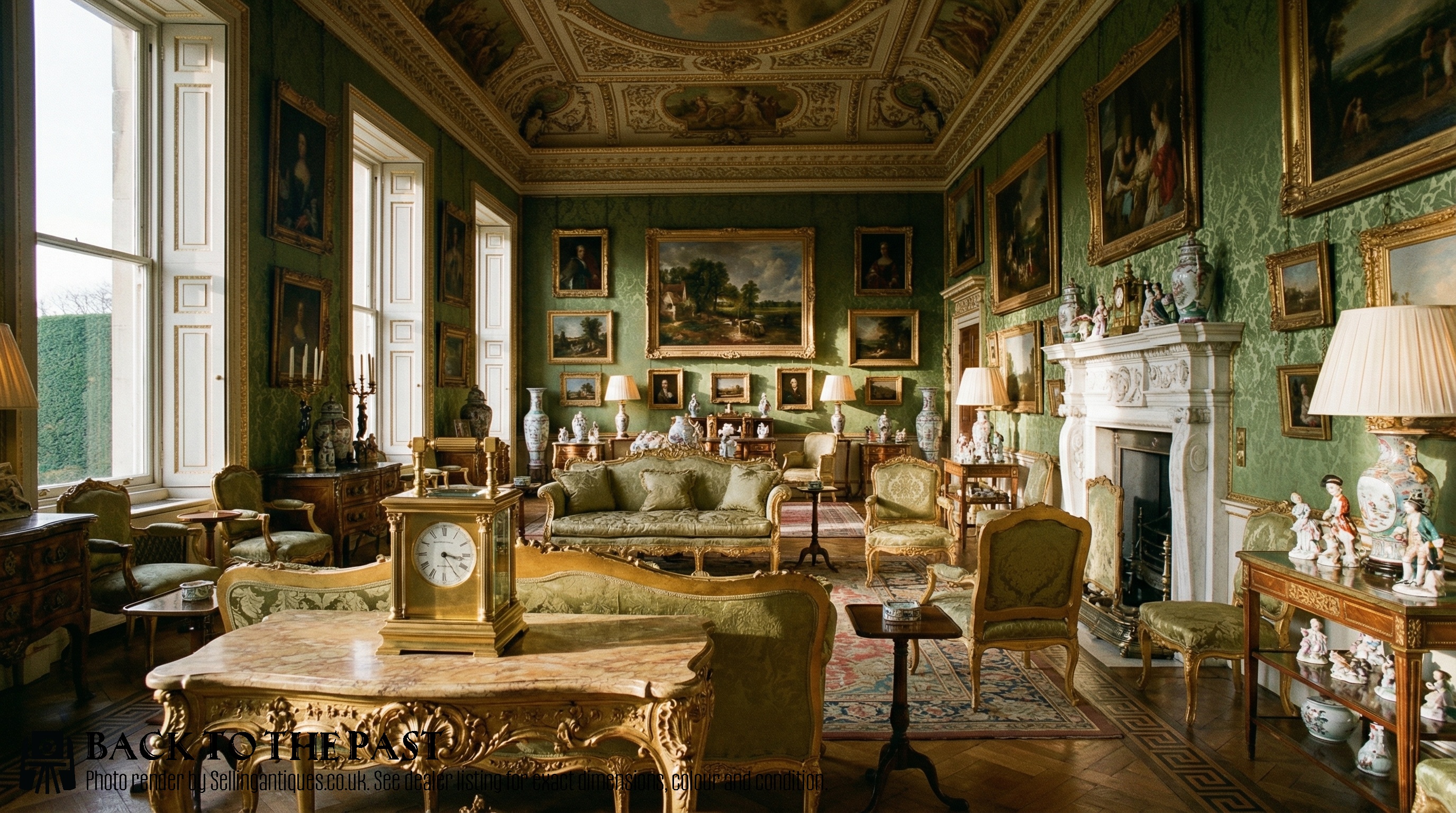
Casings combine cast and rolled brass components, frequently finished with a layer of gilt to enhance the bright metallic sheen. Four distinct corner columns are individually turned or cast with characteristic acanthus leaf capitals before being screwed to the heavy base and top plates. Bevelled glass panels are carefully fitted into the rebated brass frames to enclose the dial and movement safely.
Dials are constructed from white enamel fused to a copper or brass disc, painted with Roman or Arabic numerals and fitted with delicate blued steel hands. Complex movements behind the dial utilise brass plates, steel pinions, and hand-cut gear trains assembled by skilled horologists. The intricate striking and repeating mechanisms require precise manual adjustment to function in harmony.
Retail Price Guide 2026
Typical UK retail prices for corinthian column clock, calculated from the Sellingantiques database of over a million retail prices indexed since 2003. This retail price guide relies exclusively on Sellingantiques data; no external sources or auction records are used, so the figures do not describe the wider market.
Listings feature brass, gilt brass, bevelled glass, and enamel materials across Victorian, Edwardian, and nineteenth-century periods.
What varies in quality
The distinction between ordinary and exceptional pieces lies in the crispness of the brass casting and the depth of the gilding. Superior examples display sharply defined acanthus leaves on the column capitals and heavy, thick brass plates that lend a reassuring heft to the whole object. Finer movements incorporate complications such as grande sonnerie striking or moon-phase indicators rather than simple time-and-strike functions.
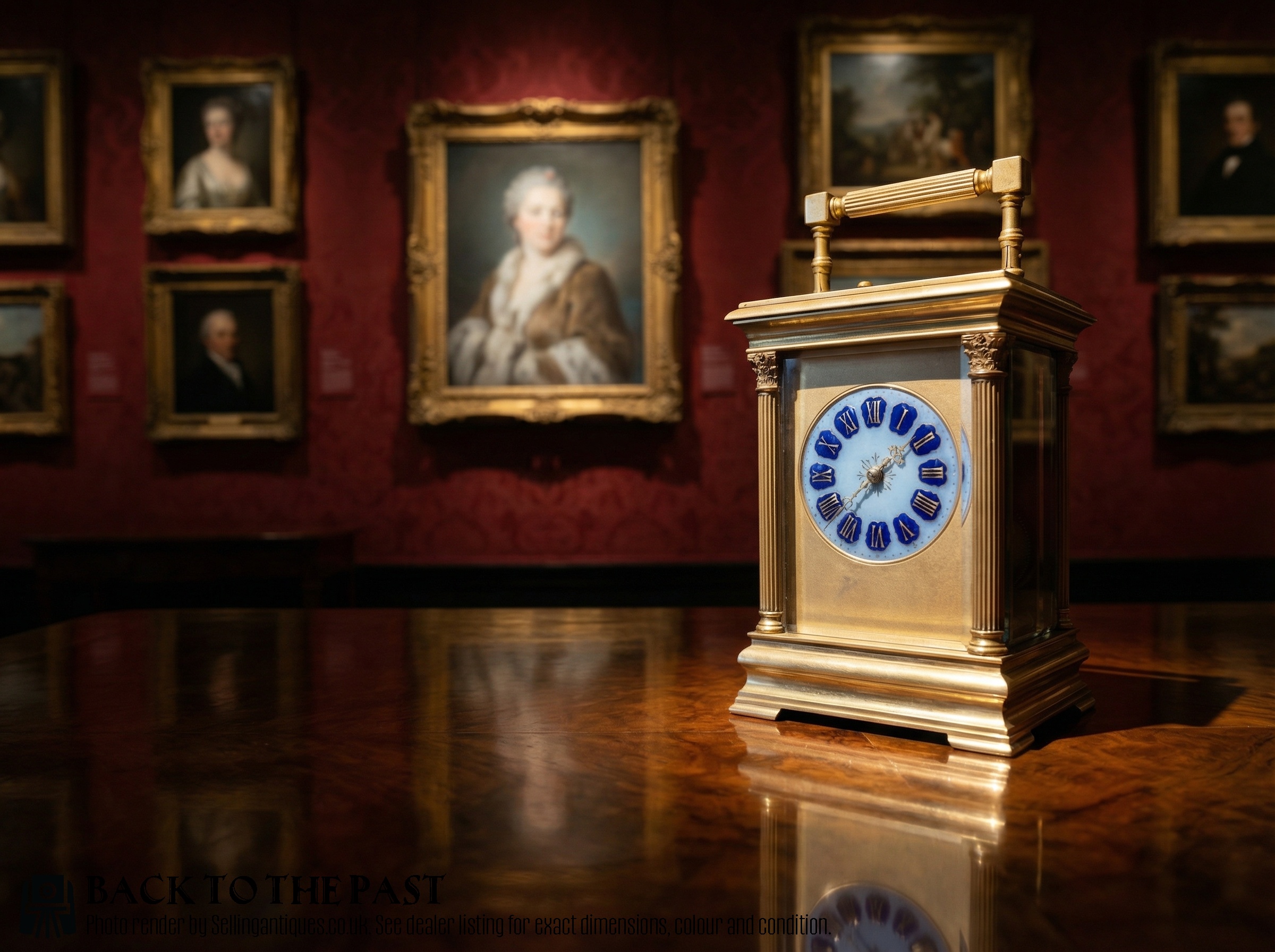
The clarity and thickness of the bevelled glass panels also indicate the tier of production, with premium pieces using heavy glass with pronounced bevels that catch the light cleanly. Dial execution separates standard production from the finest work, particularly where hand-painted enamel panels or retailers such as Mappin and Webb are involved. Original platforms and matching serial numbers across movement and case preserve the integrity of the better specimens.
Mappin and Webb
The Corinthian Column Clock Glossary
- Carriage clock
- A portable spring-driven timepiece developed for travel in the nineteenth century, fitted with a carrying handle and protective glass panels. These clocks were originally housed in leather travelling cases.
- Grande sonnerie
- A complex clock movement that strikes both the hours and the quarters automatically on every quarter hour. It represents a high achievement in nineteenth-century horology.
- Bevelled glass
- Glass panes with angled edges ground and polished to a slope, used to refract light and offer clear views of the inner movement. This technique adds depth and visual weight to the brass case.
- Platform escapement
- The small self-contained regulating assembly mounted visibly on top of the movement train, replacing the long pendulum of a stationary clock. It allows the carriage clock to keep time while moving.
- Repeater
- A mechanism operated by pushing a button on the case that sounds the last hour and quarters on demand. This feature allowed owners to tell the time in total darkness.
Frequently Asked Questions
How do I wind a carriage clock?
Use the dedicated winding key on the back plate, turning it gently clockwise until you feel firm resistance. Avoid over-winding, as this can strain the internal mainspring.
Ensure the clock is standing on a level surface before setting the time with the pointer arbor. Moving the hands backward on certain striking models can damage the gear train.
What is a repeater mechanism?
A repeater mechanism is an added complication that sounds the hours and quarters when a button on top of the case is pressed. It was designed for checking the time at night without lighting a candle.
This function relies on an extra rack and snail setup within the movement. Pressing the button engages the tiny hammers against the gongs.
How do I tell the age of a clock?
Look at the style of the escapement, the engraving on the back plate, and the shape of the numerals on the enamel dial. Victorian and Edwardian examples often feature specific retailer signatures or patent marks.
Comparing the case design to documented French Second Empire or Classical Revival patterns helps narrow down the decade. Hallmarks or workshop stamps on the brass plates provide further clues.
Where should I place my clock?
Display your clock on a stable mantelpiece, desk, or shelf away from direct sunlight, excessive moisture, and heavy vibrations. A steady surface ensures the platform escapement beats evenly.
Because the bevelled glass panels and gilt brass benefit from ambient light, a position near a window or lamp highlights the architectural details. Keep it out of reach of high-traffic walkways to prevent accidental knocks.