
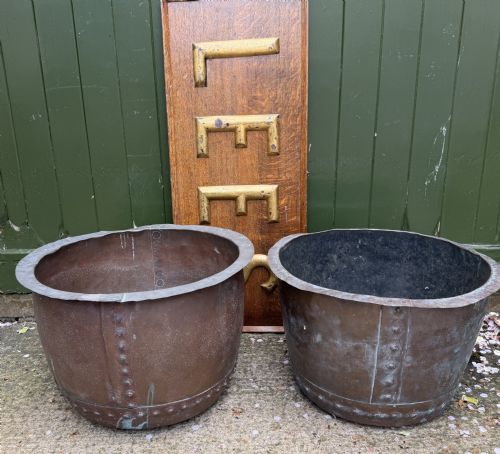


Copper Wash Boiler Vessel
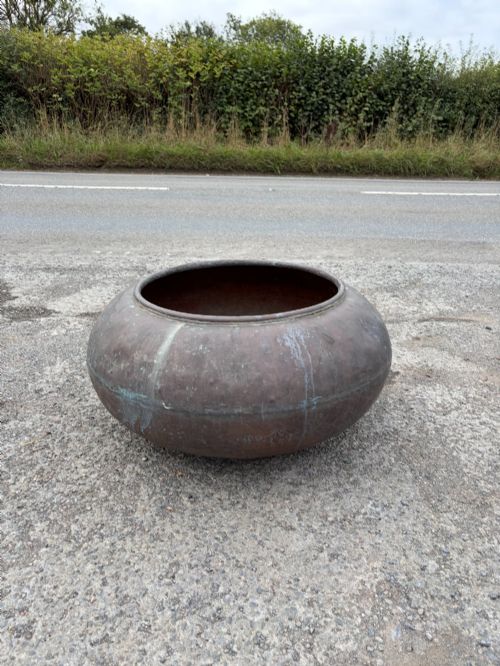
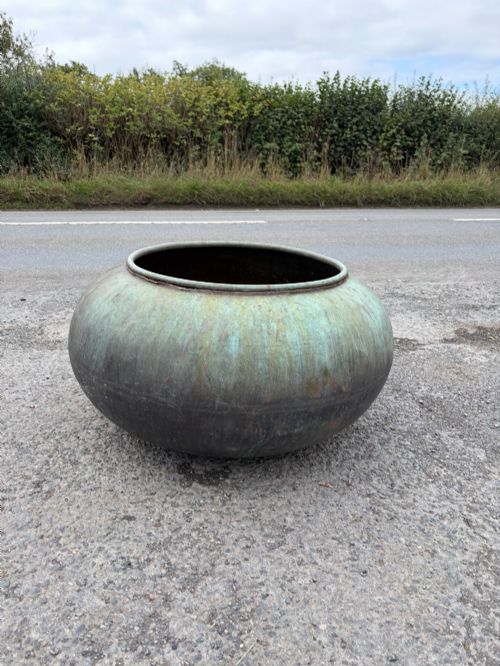
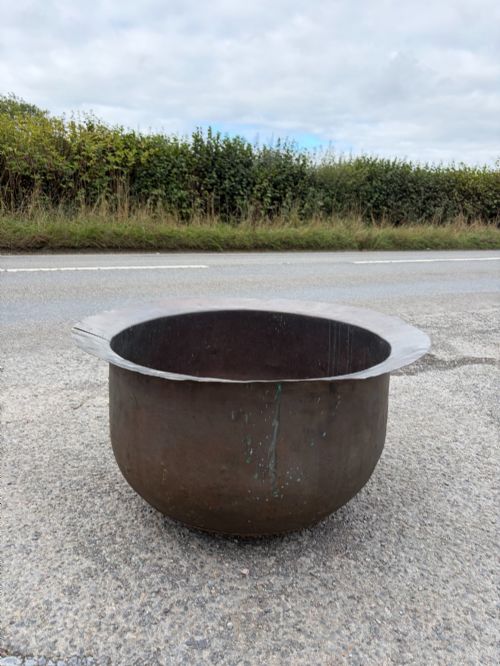
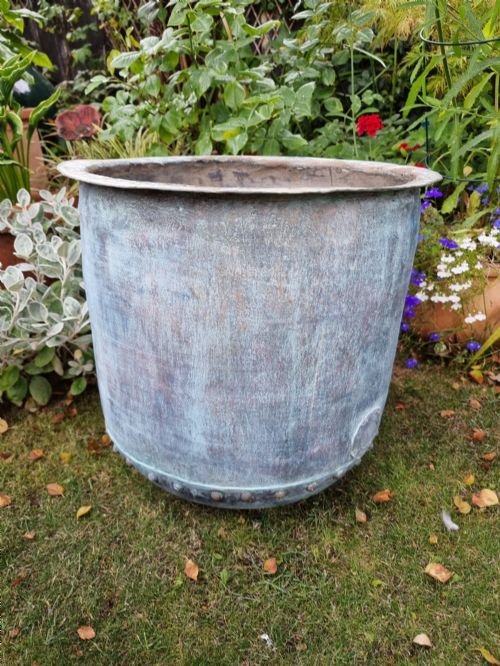
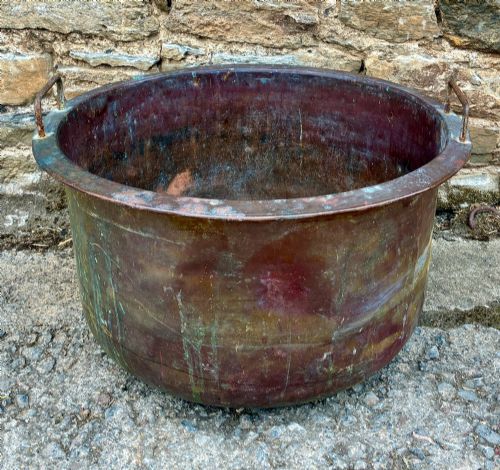
These heavy metal vessels built for heating water now serve primarily as robust garden planters and fireside log bins.
Copper Wash Boiler Vessel
When you search for a copper wash boiler vessel, you are looking at heavy utility items forged for domestic laundry and heavy cooking during the eighteenth and nineteenth centuries. These utilitarian cylinders and cauldrons originate from Georgian, Victorian, and early twentieth-century domestic spaces.
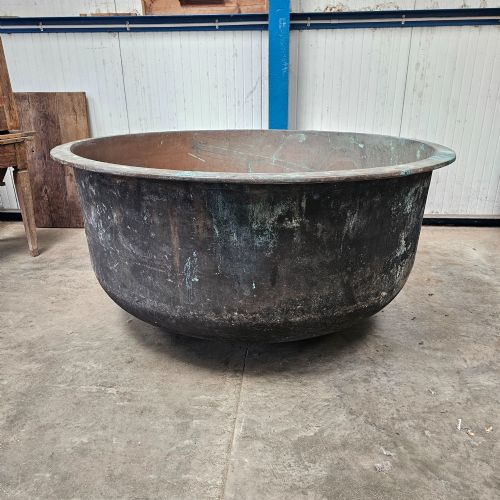
The versions you are most likely to meet on this page span the 1850s to the 1920s, often appearing as large pots, tubs, and cheese vats repurposed for modern interiors and gardens. English and French examples dominate the selection, frequently arriving with riveted seams and integrated iron handles.
Many of these industrial and rustic survivors function today as oversized log baskets, planters, and garden display pieces. Their transformation from practical laundry equipment to decorative statement items reflects a durable appreciation for nineteenth-century craftsmanship.
Metals and construction methods
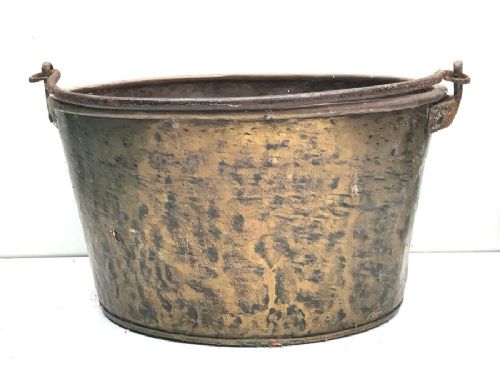
Makers shaped these vessels primarily from heavy sheet copper, hammering and joining the metal to withstand intense heat and constant moisture. Wrought iron and cast iron provide structural support through swing handles, rims, and base attachments.
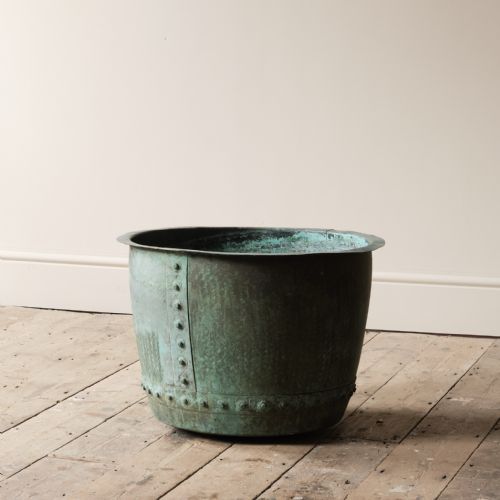
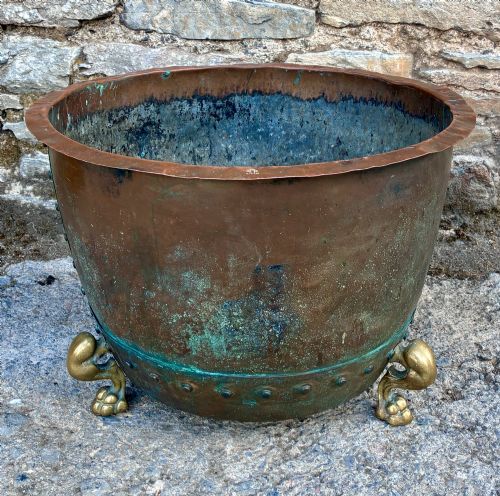
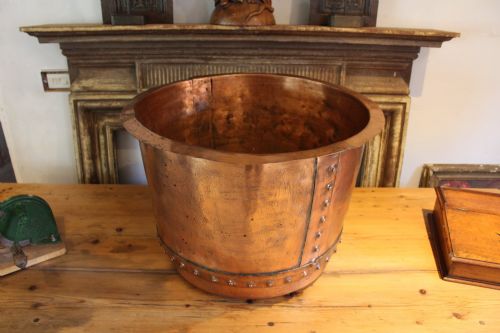
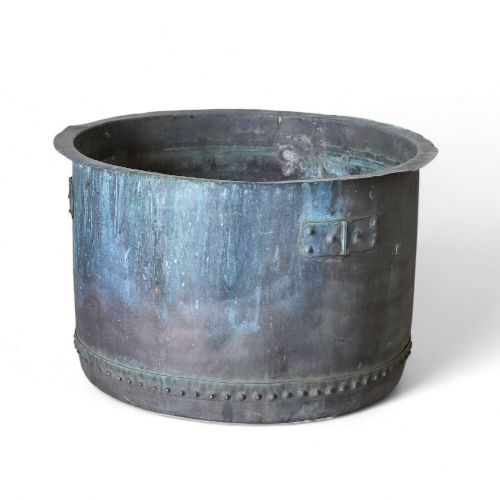
Manual riveting defines the construction of these pieces, with overlapping seams secured by rows of metal rivets. This robust method ensured watertight integrity for boiling water and heavy laundering before modern plumbing took over.
Several of these heavy vessels survived centuries of boiling laundry only to retire as luxury homes for potted ferns.
Assessing quality and character
Quality rests in the heaviness of the copper gauge and the integrity of the hand-riveted seams. Superior examples display thick, resilient metal walls that resist denting and hold their circular form over centuries of heavy use.
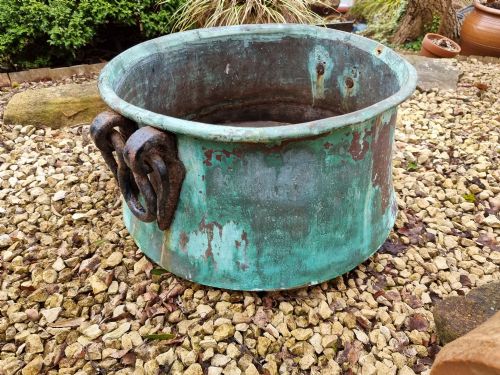
Surface character separates ordinary items from exceptional ones, particularly where natural patination and verdigris develop. Original iron handles and unaltered fixings elevate a piece, maintaining the direct link to its utilitarian past.
The Copper Wash Boiler Vessel Glossary
- Verdigris
- A green patina that forms naturally on copper when exposed to weather and moisture over long periods. This surface layer is prized by collectors for its visual depth.
- Riveted
- Joined together using metal bolts hammered flat at the ends before modern welding techniques became common. This method creates visible rows of dots along the seam.
- Patina
- The surface sheen and colour acquired by metal through age, handling, and environmental exposure. A rich natural skin indicates decades of unpolished history.
- Cauldron
- A large metal pot with a wide mouth and a curved base, frequently fitted with a swing handle for hanging or lifting.
- Cheese vat
- A massive vessel originally utilised in rural dairies for warming milk during the cheese-making process. These industrial cylinders provide enormous capacity.
Copper Wash Boiler Vessel: Frequently Asked Questions
How were copper wash boilers originally used?
These large vessels sat over hearths or built-in brick furnaces to heat vast quantities of water for weekly household laundering. Domestic staff used them to boil whites and steep heavy fabrics.
Beyond laundry, similar heavy pots served communal cooking needs and dairy production across nineteenth-century homesteads. Their thermal conductivity made them ideal for boiling liquids quickly.
Can I use these vessels outdoors?
The durable copper construction withstands outdoor weather exceptionally well, making these pieces popular for garden displays and patio planters. The metal naturally develops a protective verdigris finish when left to the elements.
Gardeners often drill drainage holes in the base if using them for direct planting, though many prefer to drop potted plants inside. Their substantial weight prevents them from tipping in high winds.
How do I date a copper wash boiler?
Hand-riveted construction, irregular surface textures, and wrought iron handle attachments generally point toward eighteenth or nineteenth-century production. Machine-rolled edges and uniform thickness typically suggest later Victorian industrial manufacturing.
Associated styles like Georgian pan designs or Victorian rustic farmhouse aesthetics offer further clues to the decade of origin. Maker marks remain uncommon, so construction methods provide the clearest dating evidence.