


Copper Hearth Log Store
A copper hearth log store brings warmth and practical storage to a fireplace, offering a handsome metallic texture for holding firewood.
Copper Hearth Log Store
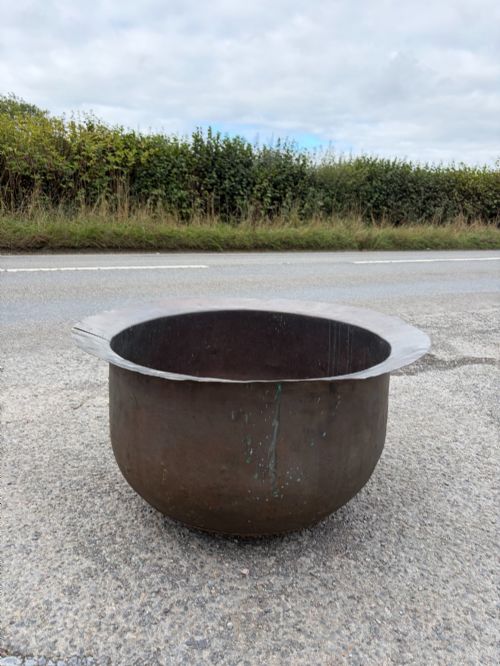
A copper hearth log store serves as a robust container for firewood near an open fire or hearth. When searching for a copper hearth log store, collectors typically encounter items spanning the eighteenth, nineteenth, and early twentieth centuries. These vessels often double as coal buckets, coal scuttles, and grain measures repurposed for domestic fuel.
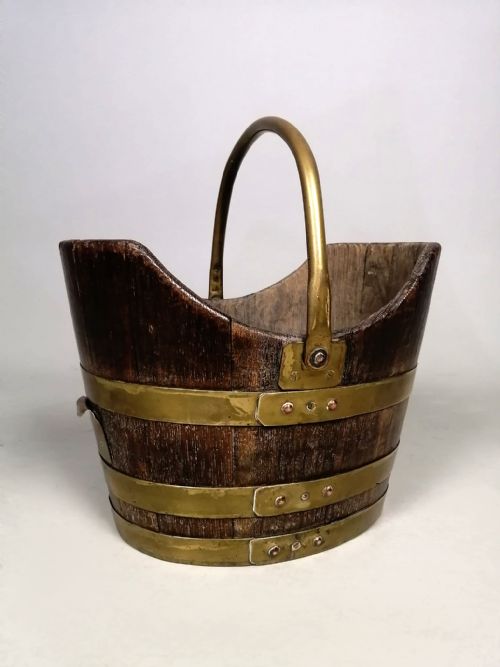
The materials and styles reflect utilitarian origins alongside decorative domestic ambitions. Pieces range from plain nineteenth-century cooking vessels and grain measures to ornate Arts and Crafts designs with embossed or riveted surfaces. Brass banding, iron handles, and wooden components frequently complement the primary copper construction.
The selection includes Victorian country pieces, Georgian brass-banded buckets, and Edwardian boxes featuring specific motifs like galleons. While some items were built for heavy farm or kitchen work, others were designed specifically for the refined Victorian and Edwardian fireside. Buyers will find both open buckets and enclosed boxes serving the same practical purpose.
How they were made
Makers formed these vessels primarily from sheet copper, joining seams with visible rivets to ensure structural strength under the weight of heavy timber or coal. Brass bands often reinforced the rims and bases, fixed securely with small pins or rivets.
Handles and feet typically incorporated wrought iron, brass, or cast iron, attached firmly to bear the load of lifting logs. Surface decoration relied on hand-beating, embossing, or leaving the planished hammer marks exposed as a feature of the construction process.
Current listings feature materials including copper, brass, iron, wood, and galvanized steel, spanning the Georgian, Victorian, and Edwardian eras.
What varies in quality
The integrity of the construction distinguishes standard utilitarian vessels from finer decorative pieces. Heavier gauge metal and secure, tight riveting indicate a superior build intended to withstand decades of heavy daily use.
Artistic execution and stylistic detail set individual pieces apart, particularly within Arts and Crafts or Art Nouveau examples. Crisp embossing, well-integrated brass and iron mounts, and balanced proportions elevate a simple container into a piece of fine fireside furniture.
The Copper Hearth Log Store Glossary
- Coal Scuttle
- A deep container with a sloping mouth and a handle, designed for carrying and pouring coal onto a fire. These shapes were frequently adapted for storing logs beside the hearth.
- Grain Measure
- A cylindrical or tapered vessel originally calibrated for dry goods like grain or corn. Their sturdy proportions and durable metal construction made them ideal for secondary use as log bins.
- Planishing
- The process of smoothing and shaping metal with a specialised hammer, leaving a subtle, faceted texture across the surface. This technique is particularly prominent on Arts and Crafts examples.
- Riveted
- Joined together using metal bolts or pins that are hammered flat at the ends. This method provided essential strength for vessels holding heavy loads of timber.
Copper Hearth Log Store: Frequently Asked Questions
What is a copper hearth log store?
A copper hearth log store is a metal container designed to hold firewood neatly beside an indoor fireplace. These vessels combine functional storage with decorative metallic warmth.
Most examples originate from the nineteenth and early twentieth centuries, drawing on traditional designs originally intended for coal or agricultural use.
How do I clean a copper log store?
Cleaning depends on whether you prefer a bright polished finish or an aged verdigris patina. Warm soapy water removes household dust and soot safely without stripping the metal.
Avoid harsh abrasive compounds that can damage historic surfaces and remove the character accumulated over decades of use.
Are these pieces waterproof?
Many historic metal vessels have riveted seams that may weep moisture if filled with damp or freshly cut wood. Lining the interior protects both the floor and the antique metal from prolonged dampness.
Dry seasoned logs are best suited for keeping inside these traditional containers.
How do I date an antique copper log bin?
Dating relies on examining construction methods, such as hand-riveting techniques, handle attachments, and stylistic clues from periods like Arts and Crafts or Victorian Gothic.
Makers often marked utilitarian items with capacity numbers or simple workshop stamps that help narrow down the decade of manufacture.