
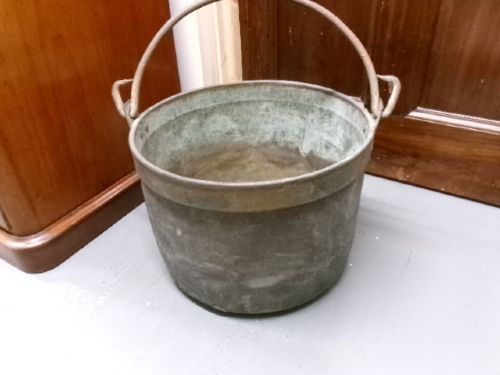
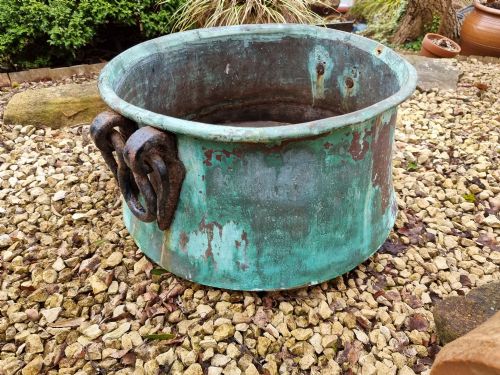


Vintage Copper Cauldron
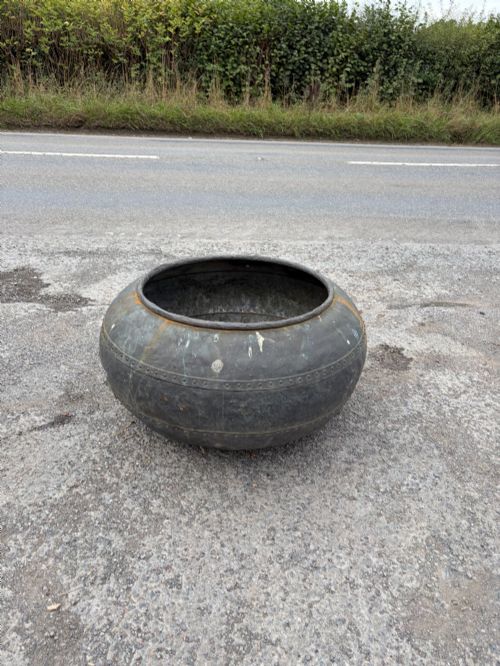
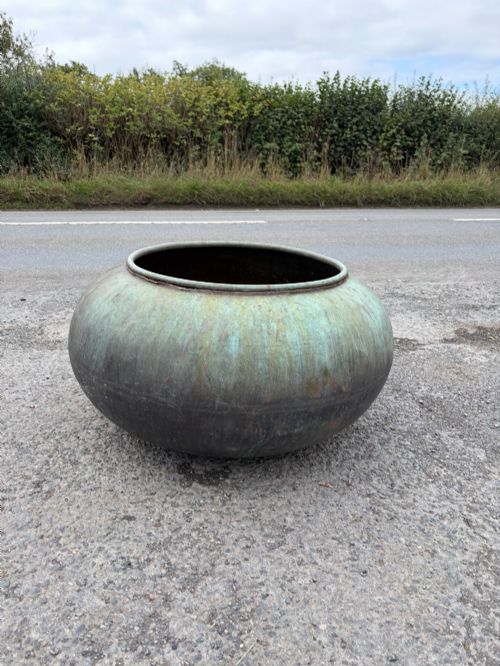
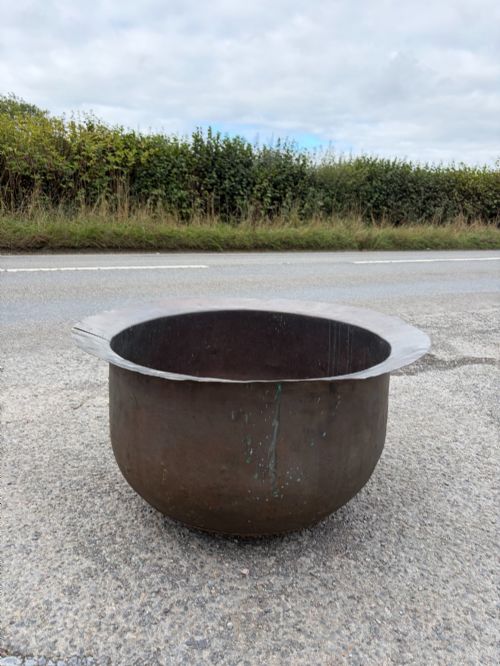
When you search for a vintage copper cauldron, you find robust vessels of heavy metal designed originally for hearth, farm and kitchen.
Vintage Copper Cauldron
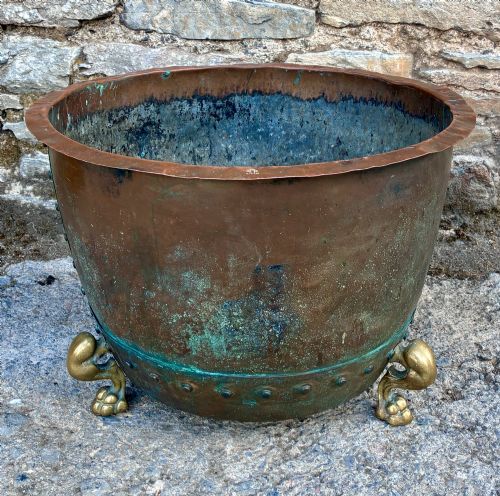
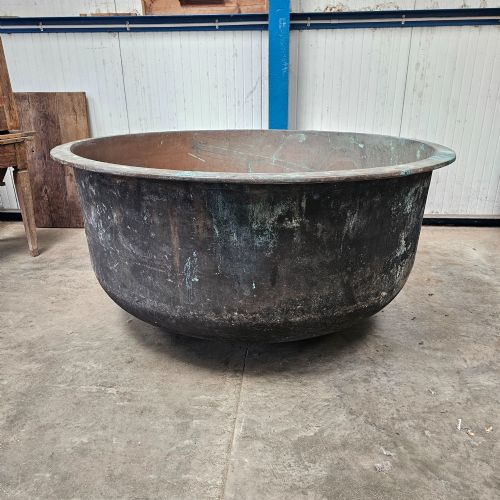
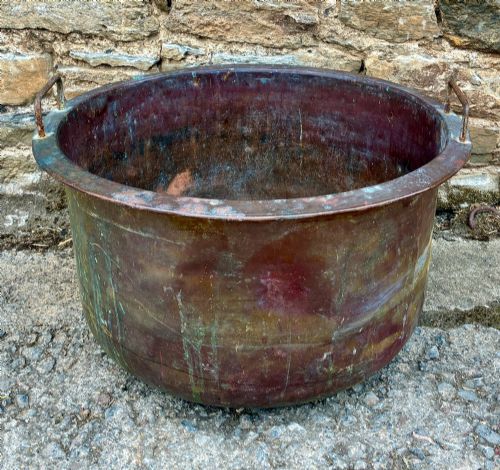
A vintage copper cauldron spans large utilitarian cooking pots, cheese vats, boilers and log bins dating from the Georgian period through the nineteenth century and into the early twentieth century. You will encounter deep round vessels, swing-handled pots and lidded tubs suited for fireside use or garden display.
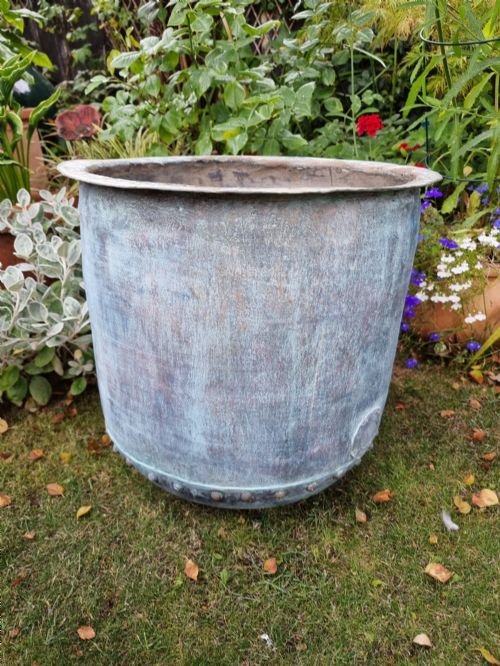
The styles appearing on this page range from plain Victorian utility and rustic farmhouse to French provincial and Art Deco dinanderie. Many of these pieces double as log buckets, planters or coal scuttles in contemporary rooms, shifting from hearth function to decorative storage.
Materials and construction methods
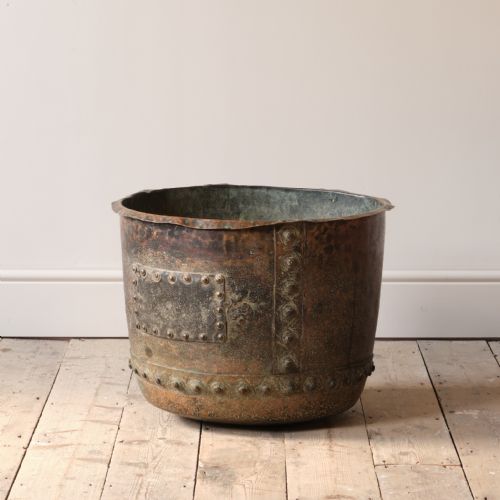
These vessels rely primarily on heavy gauge copper sheet formed into deep bodies, often joined with visible hand-beaten rivets that secure the overlapping seams. Makers added strength to the upper edges and bases by incorporating iron bands, brass rims and sturdy wrought iron swing handles.
Surfaces display the physical record of manufacture and age, including hammered marks, tinned interiors and natural verdigris finishes. Handles and feet utilise cast iron, brass or steel, fixed firmly to the copper body to bear heavy loads of wood, water or soil.
Listings span the Georgian period, the nineteenth century, and the early twentieth century, incorporating materials such as copper, wrought iron, brass, tin and steel.
Assessing quality in copper vessels
Quality rests on the thickness of the copper plate and the integrity of the original joints, where tight riveting distinguishes superior utilitarian work from lighter decorative pieces. Heavier gauge metal resists denting and maintains structural stability when the vessel holds logs or damp earth.
The character of the metal surface also defines the standard of a piece, with undisturbed patination, clear tool marks and original iron or brass mounts holding more interest than over-polished or stripped exteriors.
The Vintage Copper Cauldron Glossary
- Cauldron
- A large metal pot with a rounded base and a swing handle, traditionally used over an open fire for boiling or heating. These examples now serve as planters and log bins.
- Riveted
- Joined together using metal pins hammered flat at the ends. This technique secured heavy copper plates before modern welding became standard.
- Verdigris
- The green patina that forms naturally on copper and brass through exposure to moisture and air over decades. Collectors often value this stable atmospheric surface.
- Swing handle
- A movable arched metal handle attached to opposite sides of a pot. It drops down against the vessel wall when not in use.
- Dinanderie
- The European art of working brass, copper and other non-ferrous metals into decorative and useful objects. This term covers vessels shaped through hammering and spinning.
Vintage Copper Cauldron: Frequently Asked Questions
How do I clean a vintage copper cauldron?
Wash the metal gently with warm soapy water and a soft cloth to remove dust and dirt.
Avoid harsh abrasives or heavy metal polishes if you prefer to preserve the dark historic patina and verdigris finish.
Can I use these copper cauldrons outside?
Many of these vessels function well as garden planters or display pots for floral arrangements.
Ensure that standing water does not freeze inside the pot during winter to prevent stress on the antique metal seams.
Are the handles original to the pots?
Most pieces retain their heavy wrought iron, brass or steel swing handles attached through riveted lugs.
Examine the mounting points to ensure the metalwork matches the age and wear of the main copper body.