



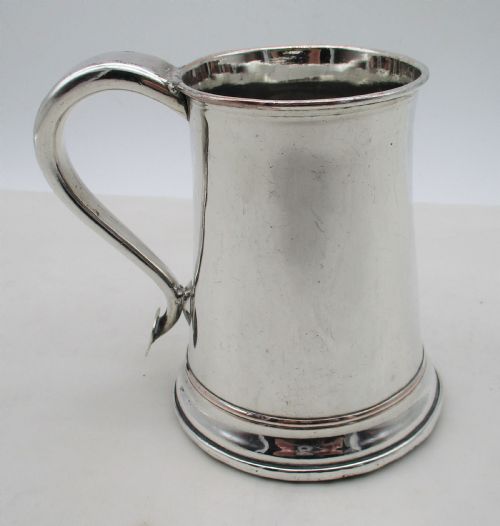


Copper Tankard Mug
These copper tankard mug examples bring robust metal drinking vessels from the eighteenth and nineteenth centuries straight to your table.
Copper Tankard Mug
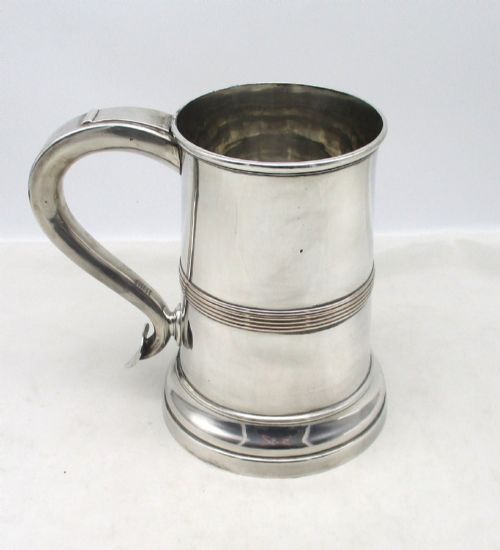
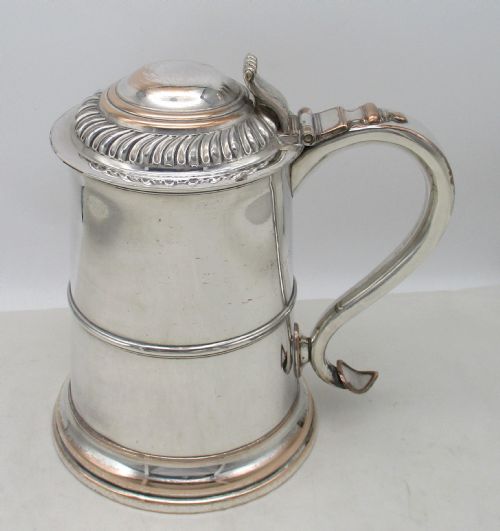
A copper tankard mug search reveals solid metal drinking vessels spanning the Georgian and Victorian eras, alongside related barware and liquid measures. These utilitarian drinking forms survive primarily in Old Sheffield plate, copper, silver plate, and brass.
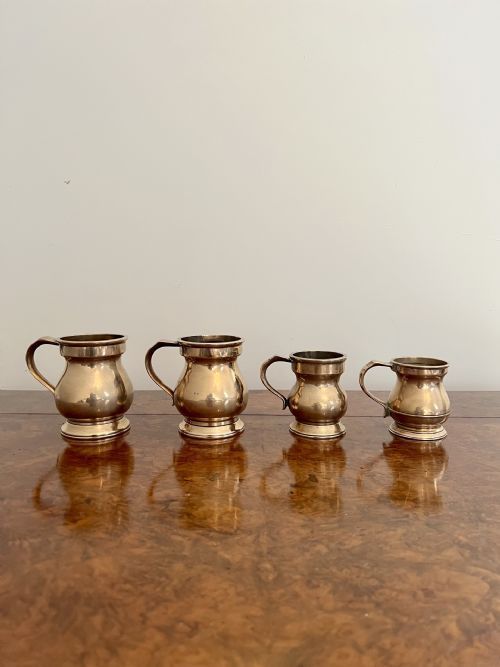
Buyers encounter single pint and quart tankards alongside matching sets of four bell-shaped Victorian measures. The selection moves between plain domestic ale containers and large presentation pieces dating from the eighteenth century up to eighteen eighty.
Materials and construction methods
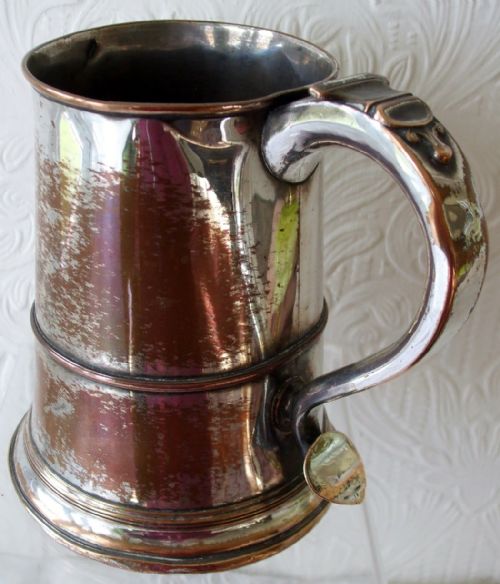
Makers formed these drinking vessels from sheet copper, often utilising Old Sheffield plate techniques to fuse a thin layer of silver onto a copper base. Some examples introduce brass mounts or nickel plating to strengthen the rims and handles.
The construction relies on raised sheet metal bodies joined with soldered seams, finished with applied handles suited for heavy tavern or household use.
Materials recorded across these drinking vessels include copper, brass, nickel, silver, and Old Sheffield plate.
Assessing quality in historical drinking vessels
Quality rests on the crispness of the form and the preservation of the underlying copper beneath silver plating. Pieces displaying heavier gauge metal and clean soldering show greater structural integrity.
The presence of matching sets, such as four bell-shaped tankards together, elevates a group above individual domestic measures.
Richard Morton
The Copper Tankard Mug Glossary
- Old Sheffield Plate
- A composite material made by fusing a thin sheet of silver to a thicker copper base. This technique preceded modern electroplating.
- Quart Tankard
- A large drinking vessel holding two imperial pints of liquid. These substantial pieces often served communal functions in taverns.
- Bell Shaped
- A curved profile swelling outward toward the base. This distinctive silhouette appears frequently on Victorian measures.
- Liquid Measure
- A standardised container used for dispensing and serving alcohol. These items often feature verified capacity markings.
Copper Tankard Mug: Frequently Asked Questions
What is a copper tankard mug used for?
These vessels originally held ale, beer, or other fermented drinks in homes and taverns. Today they function as decorative barware or historical display pieces.
Collectors often utilise them as desk accessories or mantel ornaments rather than for daily drinking.
How do I date an old copper tankard?
Dating relies on stylistic markers, manufacturing techniques, and touchmarks stamped into the metal. Eighteenth-century pieces often show hand-forged construction details.
Victorian examples frequently adopt standardised measure shapes or plated finishes characteristic of the later nineteenth century.
What is Old Sheffield plate?
Old Sheffield plate is an early fusion material created by heating a silver sheet on a copper block until they bonded. The resulting sheet was then worked into tankards and tableware.
Under closer inspection, the underlying copper typically shows along high points and cut edges.
Are these tankards safe for drinking?
Many historical tankards contain lead solder or worn silver plating that exposes the bare copper underneath. Modern usage requires careful checking of the interior surfaces.
Most buyers keep these pieces for display rather than consuming beverages from them.