



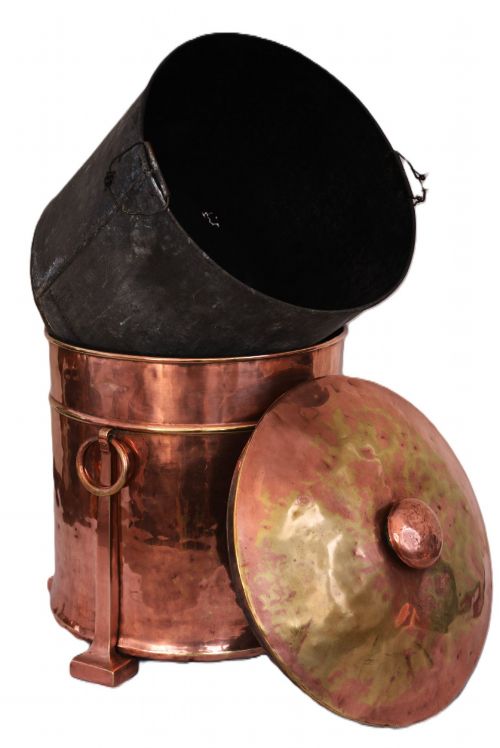


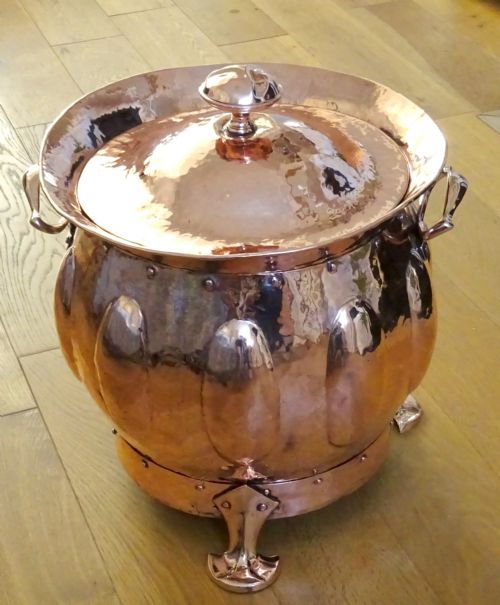


Copper Log Storage Bucket
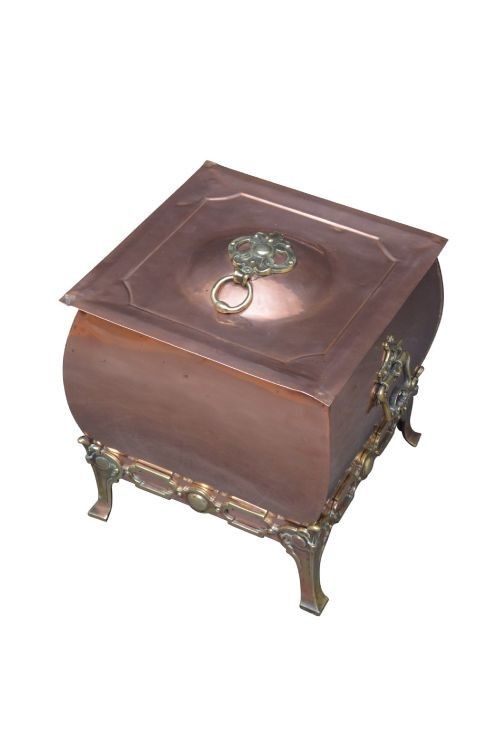
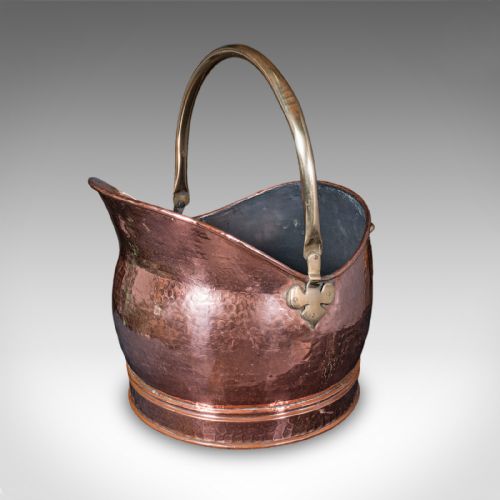
These copper log storage bucket pieces are robust fireside vessels designed to hold fuel while bringing warmth and texture to a hearth.
Copper Log Storage Bucket
A copper log storage bucket serves as a practical fireside container for wood, coal, and peat, appearing across various forms including traditional scuttles, planters, and bins. The pieces available here span the nineteenth century into the early twentieth century, showing particular strength in Victorian and Arts and Crafts designs.
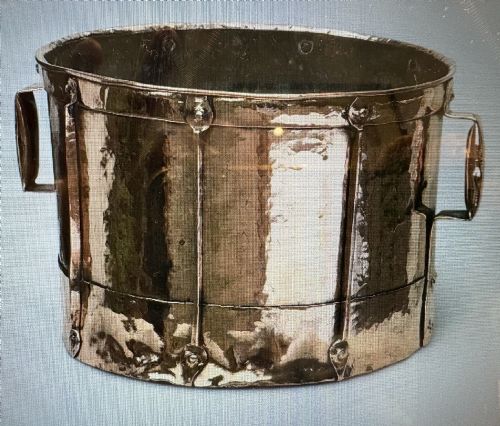
Makers often adapted utilitarian vessels, such as grain measures and water barrels, into domestic hearth accessories. This utilitarian heritage means many items combine heavy metal construction with decorative brass fittings, handles, and occasional iron framing.
Domestic interiors from the Georgian era through to the 1930s relied on these metal containers to keep hearths tidy. Today, buyers utilise them beside wood-burning stoves or repurpose them as large plant holders and jardinieres.
Materials and construction methods
Metalworkers formed these vessels primarily from sheet copper, often incorporating brass bands, handles, and paw feet for structural reinforcement. Many examples feature hand-hammered surfaces or embossed detailing that reflect period craftsmanship.
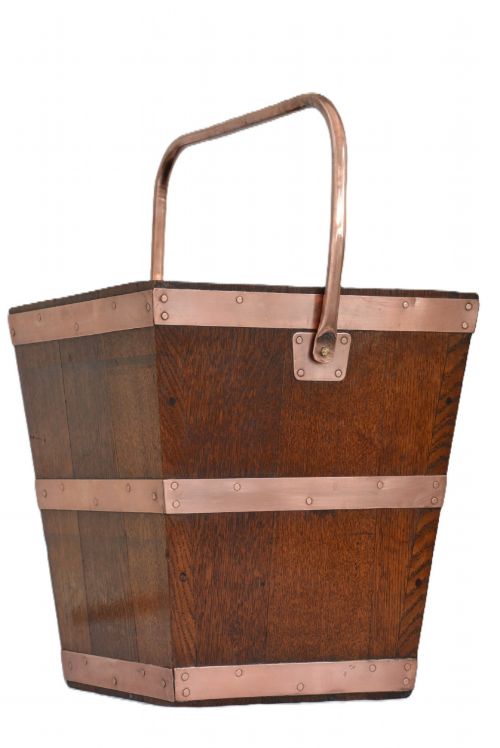
Frames and handles frequently utilise iron, wrought iron, or oak to support the weight of heavy logs and coal. Hand-finished joints and riveted seams ensure durability across decades of fireside use.
Copper Log Storage Bucket Retail Price Guide 2026
Typical asking prices for copper log storage bucket among the pieces listed under this phrase on Sellingantiques today, from the lower quarter to the upper quarter. They describe what is for sale here now, not the wider market.
One unexpected Victorian bucket wears a galleon design, proving hearth keepers appreciated maritime adventures.
Factors influencing quality and character
Quality rests in the weight of the metal gauge and the integrity of the original fixings, such as riveted handles and stable iron frames. Heavier copper bodies resist denting and maintain structural shape under the daily load of firewood.
Surface finish also distinguishes individual pieces, ranging from plain polished copper to richly textured Arts and Crafts hammerwork and embossed brass ornamentation. Original patination and intact structural timber or ironwork contribute significantly to the character of each vessel.
The Copper Log Storage Bucket Glossary
- Coal scuttle
- A fireside container designed with a sloping mouth or scoop for carrying and pouring fuel onto a fire. These often feature swing handles and flat bases.
- Jardiniere
- An ornamental pot or receptacle, usually ceramic or metal, used for holding flowering plants. Many large metal vessels double in function as indoor planters.
- Arts and Crafts
- A design movement valuing handcraftsmanship, simple forms, and honest materials over mass production. Pieces from this style often display visible hammer marks and stylised brass fittings.
- Purdonium
- A specialised domestic box or bin designed specifically for storing coal beside the hearth. They frequently include a hinged lid and an inner metal liner.
- Patina
- The surface sheen and colour acquired by metal and wood through age, handling, and environmental exposure. A natural patina indicates uncompromised historical integrity.
Copper Log Storage Bucket: Frequently Asked Questions
How do I clean a copper log bucket?
Wash the interior and exterior gently with warm soapy water using a soft cloth to remove dust and soot. Avoid abrasive pads that scratch the metal surface.
Leave the existing patina intact rather than polishing the copper to a bright mirror finish, as age adds character to fireside antiques.
Can these buckets hold wet logs?
Storing damp wood inside metal containers can accelerate internal corrosion and moisture damage over time. Line the base with protective material if storing logs with high moisture content.
Ensure the vessel dries thoroughly after any exposure to wet firewood to preserve the integrity of the seams.
Are these pieces waterproof for plants?
Many of these metal vessels double successfully as indoor planters and jardinieres for large house plants. Check the interior base for historical repairs or drainage modifications before adding soil directly.
Place a protective saucer or liner inside the bucket to catch excess water and protect your floors from dampness.
How do I identify a Victorian piece?
Victorian examples frequently incorporate embossed brass bands, heavy riveted construction, and traditional hand-finished metalwork. Look for proportions and handle attachments typical of nineteenth-century hearth accessories.
Cross-reference the form with documented styles from the period to distinguish mid-century designs from later Edwardian productions.