





Polished Copper Coal Bucket
A polished copper coal bucket brings the warmth of metal to a hearth, combining sturdy storage for fuel with reflective Victorian and Georgian craftsmanship.
Polished Copper Coal Bucket
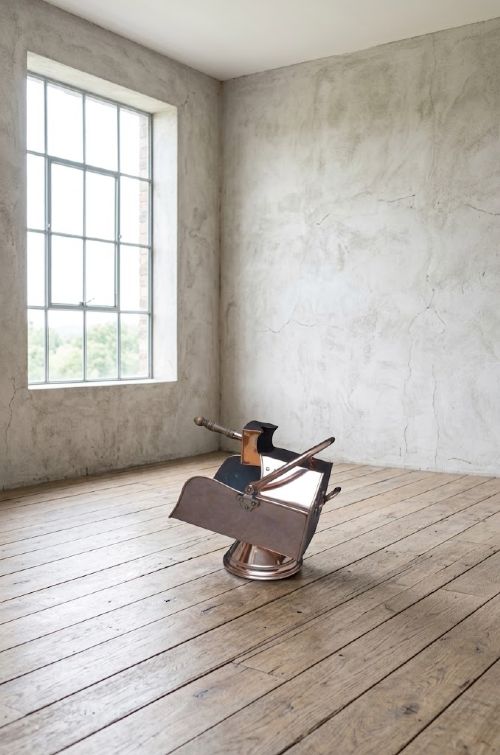
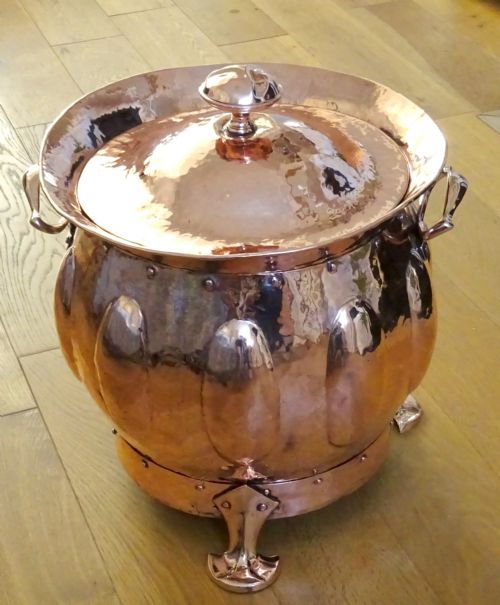
A polished copper coal bucket serves as a traditional hearth accessory designed to hold solid fuel or logs beside the fireplace. When you search for a polished copper coal bucket, you encounter various forms including helmet shapes, lidded boxes, and riveted cylindrical log bins.
Most examples originate from the Victorian and Georgian periods, with specific designs spanning the George III era through to Arts and Crafts and Art Nouveau styles. These pieces often incorporate brass handles and feet to contrast with the warm sheen of the primary metal.
Beyond domestic coal storage, some variants double as planters and jardinieres or originate from trench art repurposing shell cases. The range encompasses simple utilitarian vessels alongside decorative helmet scuttles intended for formal drawing rooms.
Materials and construction
Makers constructed these vessels primarily from sheet copper, hammering or rolling the metal into cylindrical, bucket, or helmet forms. Rivets provided both structural reinforcement and a decorative border, particularly on heavy-duty log buckets.
Brass formed a secondary material utilised for handles, feet, rims, and swinging bails, offering a bright metallic contrast. Wooden elements, such as carrying grips on iron or brass handles, protected hands from conduction when moving the fuel.
Polished Copper Coal Bucket Retail Price Guide 2026
Typical asking prices for polished copper coal bucket among the pieces listed under this phrase on Sellingantiques today, from the lower quarter to the upper quarter. They describe what is for sale here now, not the wider market.
Listings feature items spanning the 1800s, Victorian era, and early twentieth century, incorporating brass and wood alongside copper.
Distinguishing quality and craftsmanship
The calibre of a piece rests heavily on the thickness of the copper sheet and the robustness of its construction. Heavier metal resists denting and maintains its structural integrity under the weight of coal or logs.
Hand-finished details, such as neatly spaced rivets, dovetailed or brazed seams, and well-cast brass mountings, separate standard utility items from finer examples. The elegance of the silhouette, especially in helmet-shaped scuttles and Art Nouveau bins, dictates the visual appeal.
William Soutter And Sons
The Polished Copper Coal Bucket Glossary
- Helmet scuttle
- A coal container featuring a flared rim and a tapered body resembling a classic helmet shape. This design allowed coal to be poured cleanly onto the fire.
- Riveted bucket
- A vessel joined at the seams by small metal pins that are hammered flat to hold the copper plates securely. These joints add industrial texture to the exterior.
- Trench art
- Objects fashioned from military scrap metal and shell cases, often during wartime periods. Examples feature engraved insignia or heraldic motifs.
- Jardinier
- An ornamental pot or stand designed to hold live plants or flowers. Many copper fuel buckets found a second life in this capacity.
Polished Copper Coal Bucket: Frequently Asked Questions
What is a polished copper coal bucket used for?
These pieces functioned as practical containers to hold coal, slack, or logs near an open fireplace. Their construction allowed them to be carried easily from an outside fuel store to the hearth.
Today, many owners continue to use them for storing firewood or repurposed them as umbrella stands and indoor plant holders.
How do I clean a copper coal bucket?
Maintenance typically involves wiping away dust with a soft cloth and applying a specialised copper cleaner to preserve the bright finish. Avoid harsh abrasives that might scratch the metal surface or remove aged patination.
Leaving the metal unpolished allows a darker, natural oxidation to develop over decades, depending on personal preference.
Are these buckets safe for holding logs?
Solid copper vessels with riveted construction are robust enough to withstand the weight of heavy logs and coal. The metal naturally endures the minor impacts associated with daily hearth use.
Inspecting the base and seams ensures the interior remains sound and capable of containing any residual bark or debris.
How can I tell a Georgian bucket from a Victorian one?
Georgian and George III items often display simpler, restrained lines with heavier gauge hand-hammered copper and subtle brass detailing. Victorian and Edwardian examples frequently embrace more flamboyant shapes like ornate helmet scuttles or embossed Arts and Crafts motifs.
Stylistic cues such as the profile of the foot and the shape of the brass handle help indicate the manufacturing era.