



Brass Handle Coal Purdonium
These brass handle coal purdonium examples combine practical fireside storage with period craftsmanship.
Brass Handle Coal Purdonium
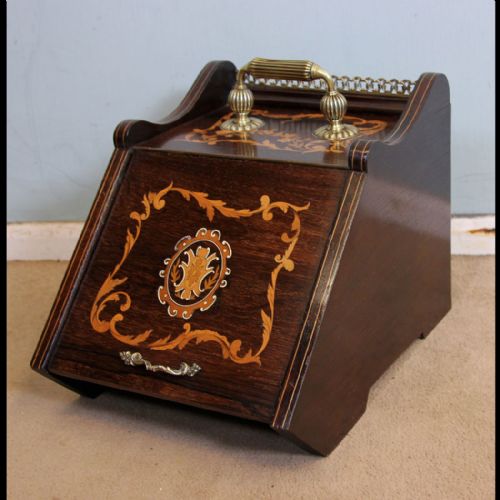
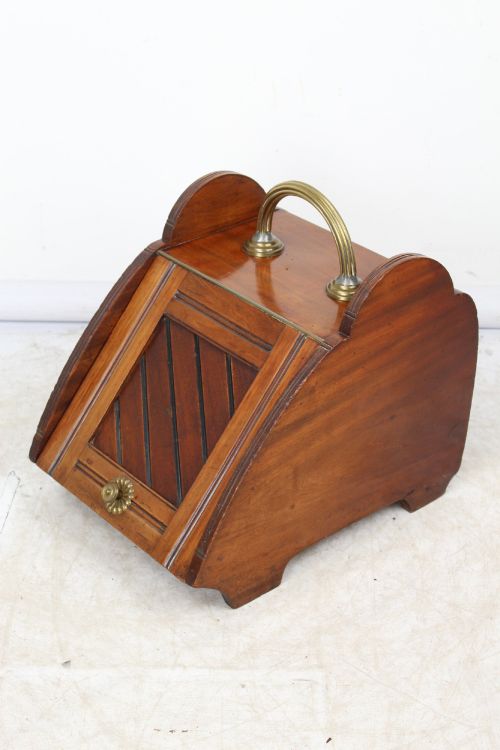
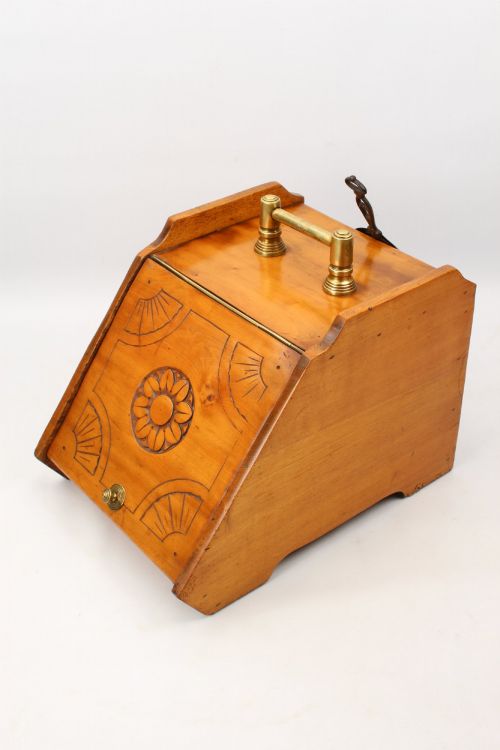
A brass handle coal purdonium is a fireside accessory designed to hold and dispense fuel for an open fire, appearing frequently in Victorian and Edwardian iterations.
The inventory on this page consists primarily of coal boxes, scuttles, and bins made from timbers such as mahogany, oak, walnut, and pine, often complemented by metal components.
Originating in English homes, these pieces range from simpler painted metal boxes to ornate carved and inlaid designs featuring brass handles and dedicated shovels.
Materials and construction
Cabinetmakers constructed these pieces from solid and veneered hardwoods like mahogany, walnut, and oak, alongside utilitarian pine and painted metal.
Makers integrated brass and copper for handles, hinges, and buckets, combining structural woodwork with durable metal elements suited for daily hearth use.
Brass Handle Coal Purdonium Retail Price Guide 2026
Typical asking prices for brass handle coal purdonium among the pieces listed under this phrase on Sellingantiques today, from the lower quarter to the upper quarter. They describe what is for sale here now, not the wider market.
Listings span the Victorian and Edwardian eras, incorporating materials from solid mahogany and oak to copper, brass, and painted metal.
Judging quality in fireside containers
Quality rests upon the choice of timber and the execution of decorative details, distinguishing carved mahogany and inlaid rosewood from plain painted metal.
Superior items feature substantial brass work, such as buckets and handles by known makers like William Soutter and Sons, alongside integrated metal liners and matched shovels.
William Soutter and Sons
The Brass Handle Coal Purdonium Glossary
- Purdonium
- A box or cabinet designed specifically for holding coal beside a fireplace. It typically includes an interior metal liner and a drop-front or sloping lid.
- Coal scuttle
- A bucket or container used to carry fuel to the hearth. Many feature a swing handle at the top and a smaller handle at the back for tipping.
- Aesthetic Movement
- A late nineteenth-century design style emphasising visual beauty over narrative subject matter. Pieces from this period often display refined lines and restrained ornament.
- Metamorphic
- Describing furniture that transforms into another form or serves a dual function. In coal containers, this involves internal mechanisms that alter the box's configuration.
Brass Handle Coal Purdonium: Frequently Asked Questions
What is a coal purdonium?
A coal purdonium is an enclosed box designed to store fuel near a fireplace while concealing it from view.
These pieces typically feature a hinged lid or drop front and contain a removable metal liner for carrying coal cleanly.
How do I date a coal box?
Dating relies upon identifying the prevailing timber choices, construction techniques, and stylistic influences such as Aesthetic Period details or Victorian carving.
Reference markers include maker stamps on brass components and the specific type of handles or hinges fitted to the body.
Where were these pieces used?
These containers were kept beside the hearth in the principal rooms of nineteenth and early twentieth-century English homes.
They provided a tidy method for keeping coal close to the fire without scattering dust across the carpet.
What are the common woods?
Cabinetmakers utilised durable hardwoods such as mahogany, walnut, and oak for domestic fireside containers.
Pine and painted metal also appear frequently in utilitarian examples or simpler country pieces.