

Copper Lantern Light
These copper lantern light fixtures bring functional illumination and robust metalwork from the nineteenth and twentieth centuries into modern interiors and gardens.
Copper Lantern Light
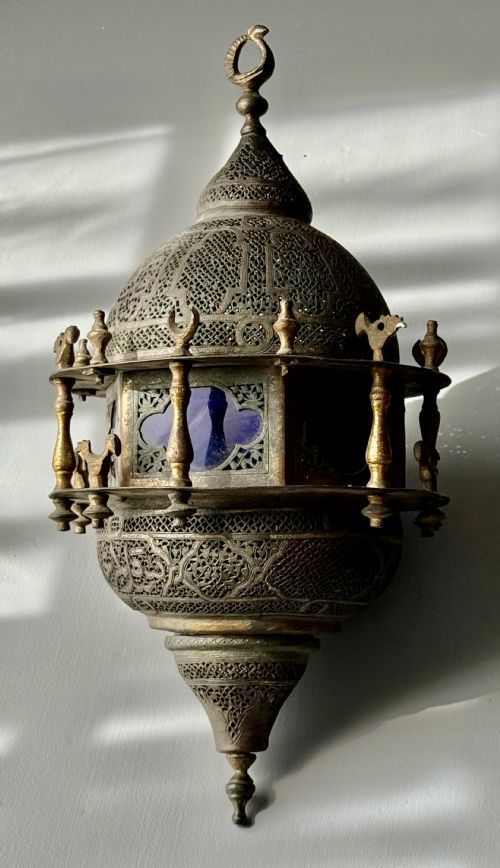
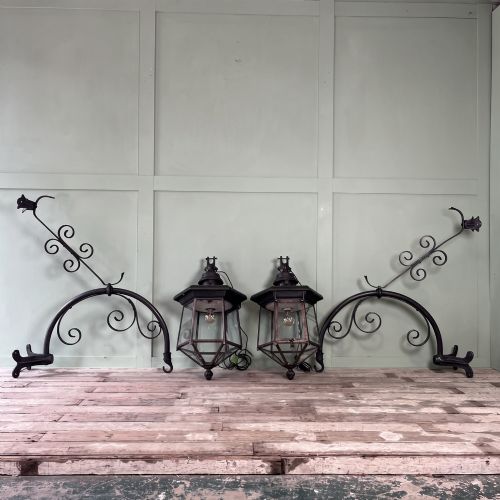
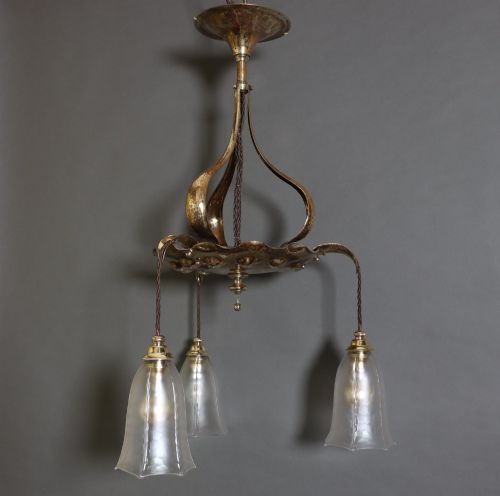
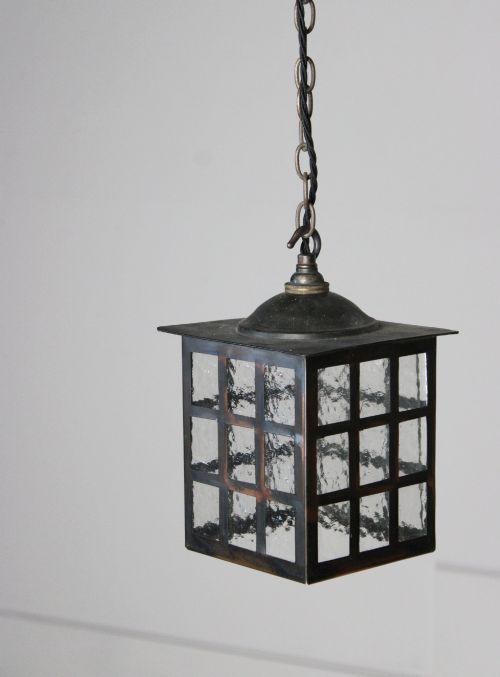
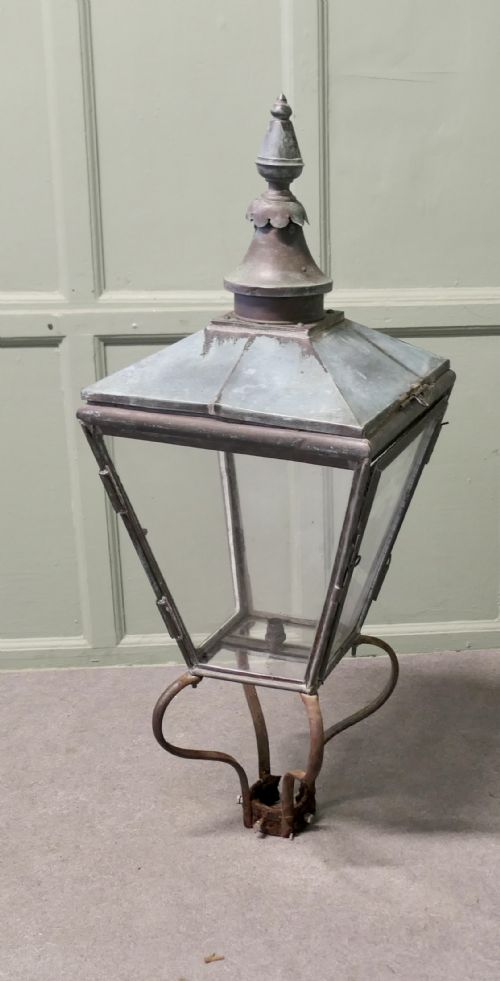
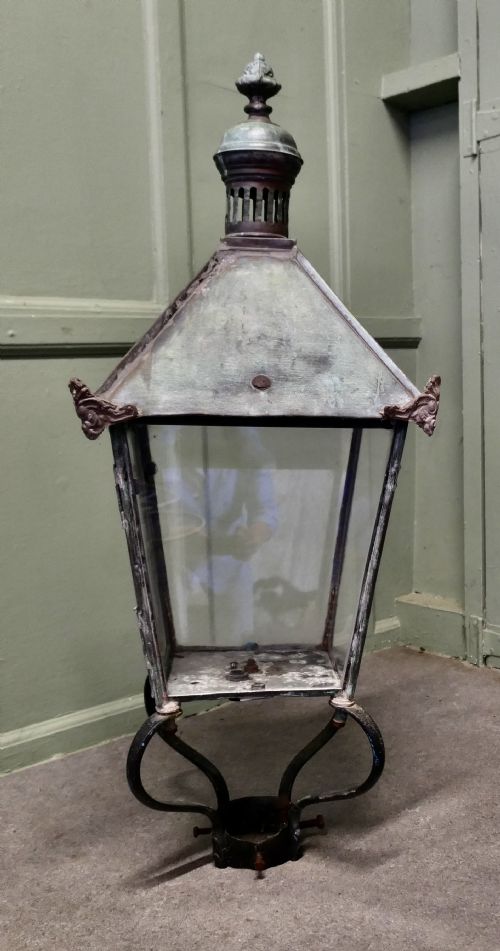
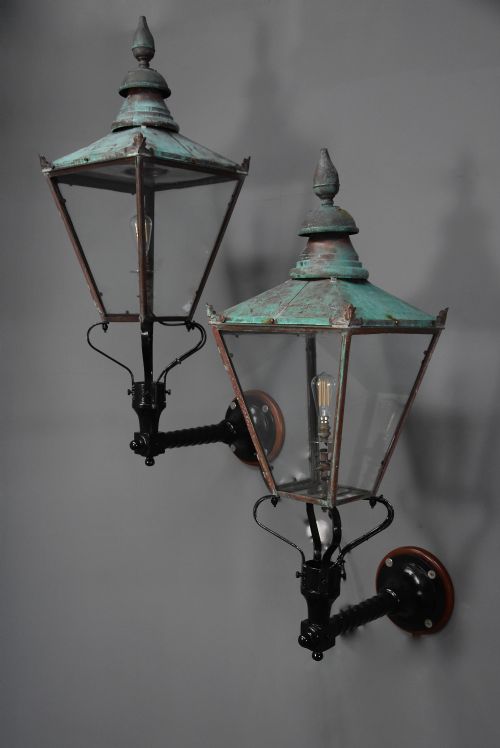
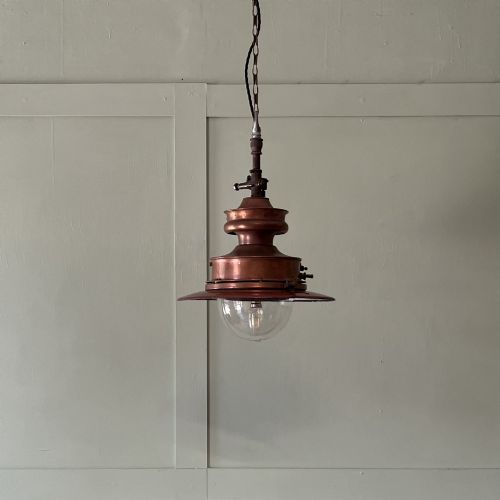
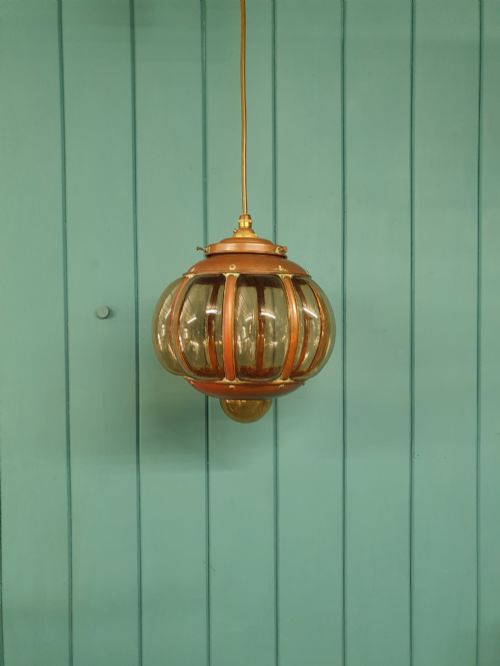
A copper lantern light encompasses hanging lanterns, wall lights, post lamps, and pendant fittings sourced primarily from Victorian, Edwardian, and mid-twentieth-century periods.
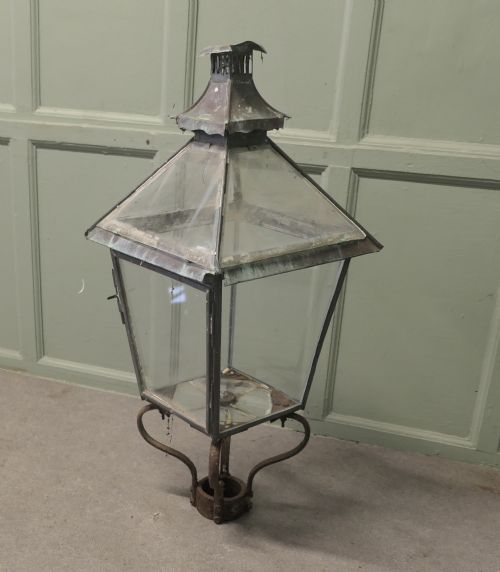
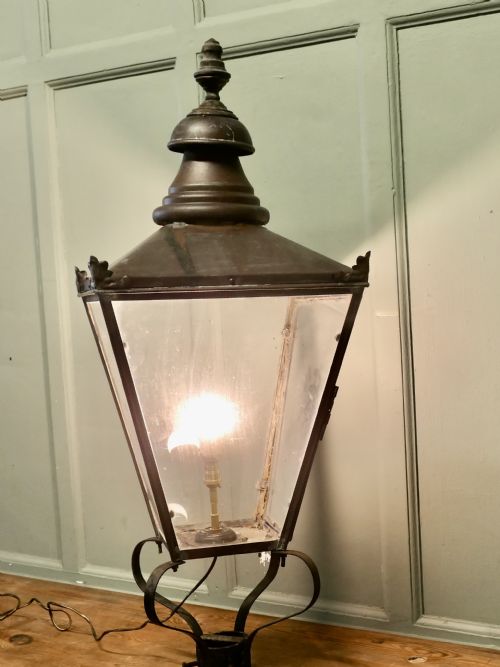
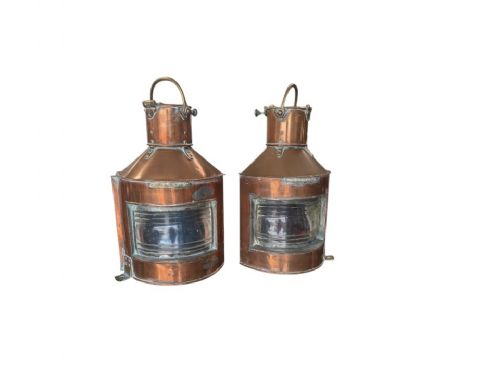
Street lights, railway lamps, coach-house fixtures, and nautical ship lanterns form the bulk of surviving examples, reflecting utilitarian origins repurposed for domestic and architectural settings.
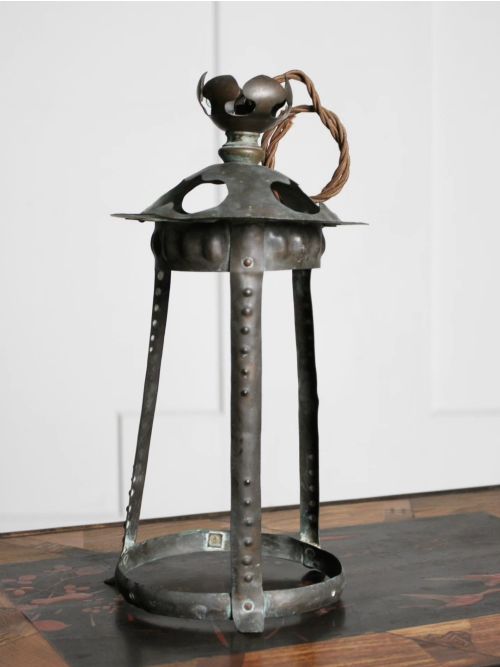
Stylistic influences range from Arts and Crafts hand-beaten designs to French neo-classical half-lanterns and industrial street lamps.
Materials and Technique
Sheet copper provides the primary body construction, often combined with brass, cast iron, wrought iron, and wood components for structural reinforcement and brackets.
Glazing typically utilises clear, smoked, or heavy-set glass panes secured within metal frames designed to withstand exterior weather or interior use.
Construction techniques include hand-beaten metalwork on Arts and Crafts pieces, riveted or soldered seams on utilitarian street and ship lamps, and cast brass mountings.
Listings feature copper, brass, cast iron, and wrought iron materials spanning from Victorian street lights to 1940s trade sign fittings.
Evaluating the Metalwork
The substance of the metal body and the integrity of the joins distinguish substantial commercial or municipal lighting from lighter domestic hardware.
Surface patination, whether natural verdigris or aged bronze tones, indicates the age and historical exposure of the copper and brass components.
The sophistication of original brackets, heavy cast fixings, and specialised maker plaques elevates the architectural merit of individual pieces.
REVO Leicester·Alderson and Gyde Ltd·G.E.C·Foster and Pullen Bradford
The Copper Lantern Light Glossary
- Verdigris
- A green patina or crust of copper carbonate formed on copper, brass, or bronze surfaces through atmospheric oxidation. This natural weathering layer indicates considerable age and historical exposure to the elements.
- Port and Starboard
- Nautical designations for the left and right sides of a vessel, traditionally marked by red and green lenses in ship lanterns. These directional navigation lights share robust metal construction with domestic exterior fittings.
- Coach-House Lantern
- An exterior wall-mounted lamp originally designed to illuminate carriage houses and stable entrances during the nineteenth and early twentieth centuries. They frequently employ bracket supports and glass panels for weather resistance.
- Post Lantern
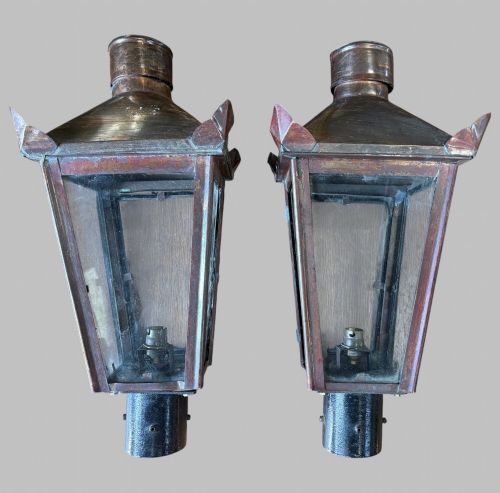
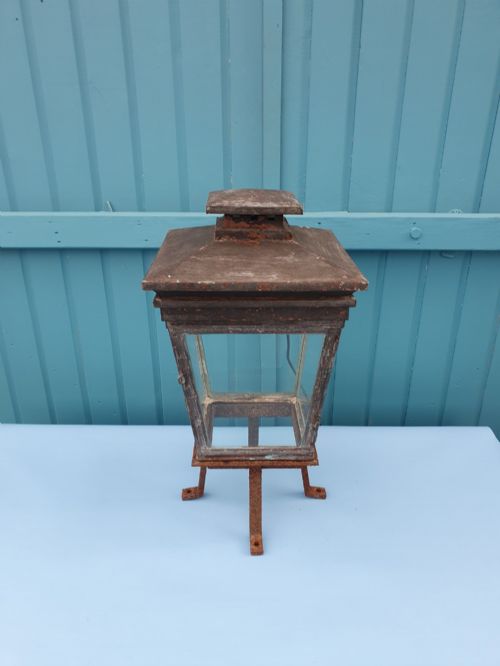
- An outdoor lighting fixture engineered to mount directly on top of a gate pier, boundary wall, or dedicated support post. These pieces generally feature multi-paned glass enclosures designed for all-around illumination.
Copper Lantern Light: Frequently Asked Questions
Are these copper lights suitable for outdoor use?
Many surviving examples originate as street lights, railway lamps, or coach-house fixtures designed specifically to withstand external weather conditions. Their copper and brass construction naturally resists rust.
Buyers should verify the current electrical rewiring and weatherproofing status of any antique fitting before exterior installation.
How do I mount a wall lantern?
Wall-mounted variants typically require secure attachment to exterior masonry or interior studs using appropriate brackets and backing plates. Due to the substantial weight of cast iron, brass, and copper components, proper structural support is essential.
Professional installation ensures safe connection to modern household electrical circuits.
Can I convert a gas lantern to electricity?
Numerous nineteenth-century and early twentieth-century street and porch lamps originally operated on gas supply before conversion. Modern internal lamp holders and wiring are integrated into the existing metal casing without altering the historic exterior.
This conversion preserves the original patina while providing standard domestic illumination.
What periods do these lanterns date from?
The available selection spans from the mid-nineteenth century through the Edwardian era and into the mid-twentieth century. Common markers include Victorian utilitarian lighting, Arts and Crafts hand-beaten pieces, and 1930s industrial designs.
Stylistic details such as neo-classical brass mounts or simple riveted copper help narrow the manufacturing decade.