
Copper Brass Vessel
A copper brass vessel brings warmth and heavy metal texture into a room, spanning utility and display from the Georgian era through to the twentieth century.
Copper Brass Vessel
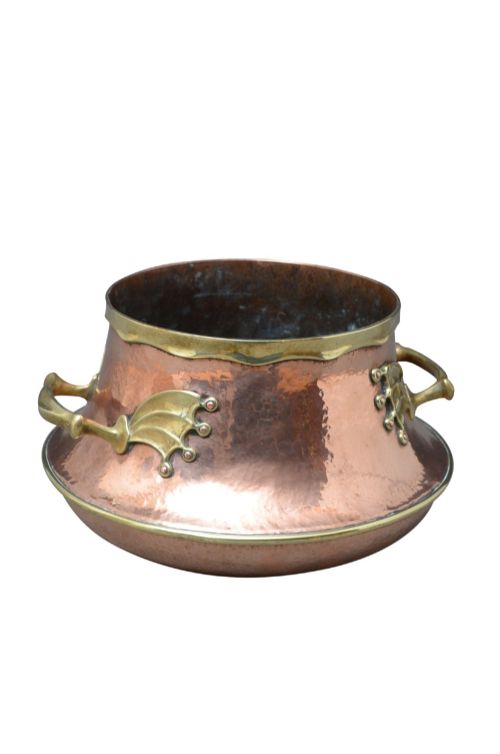
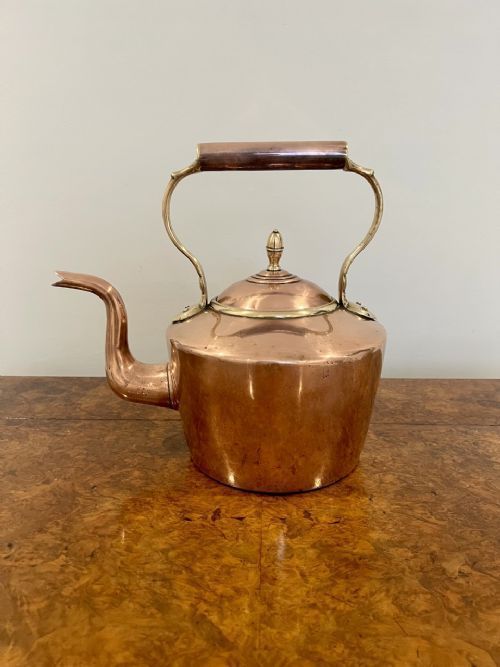
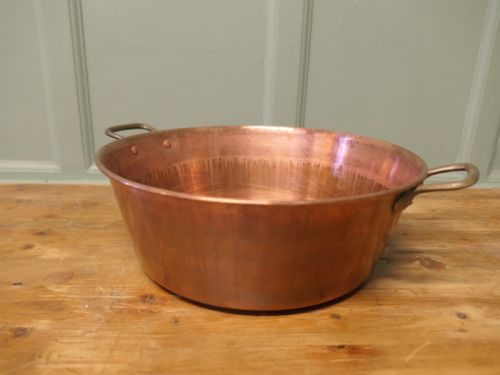
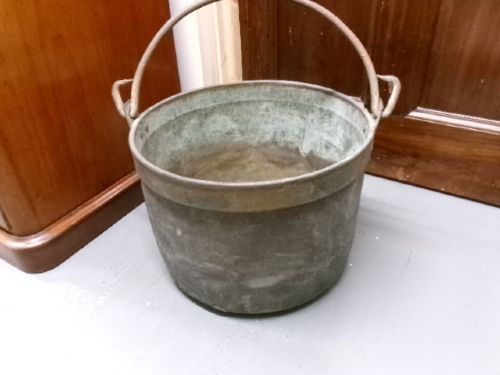
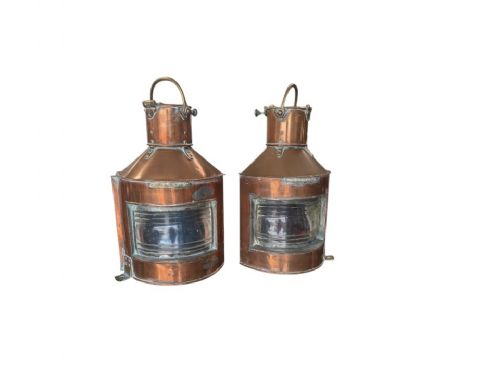
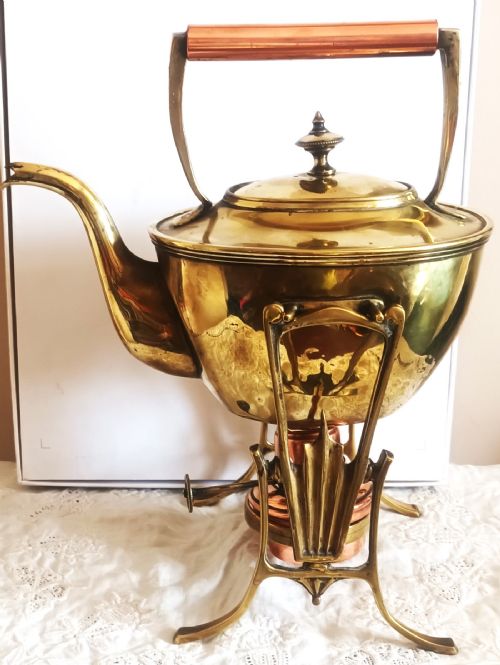
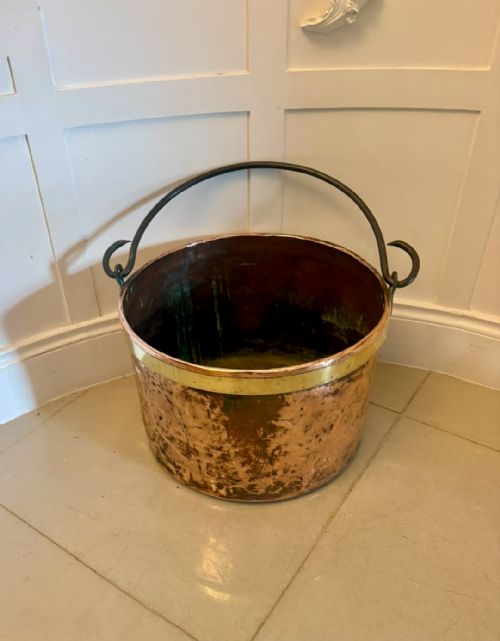
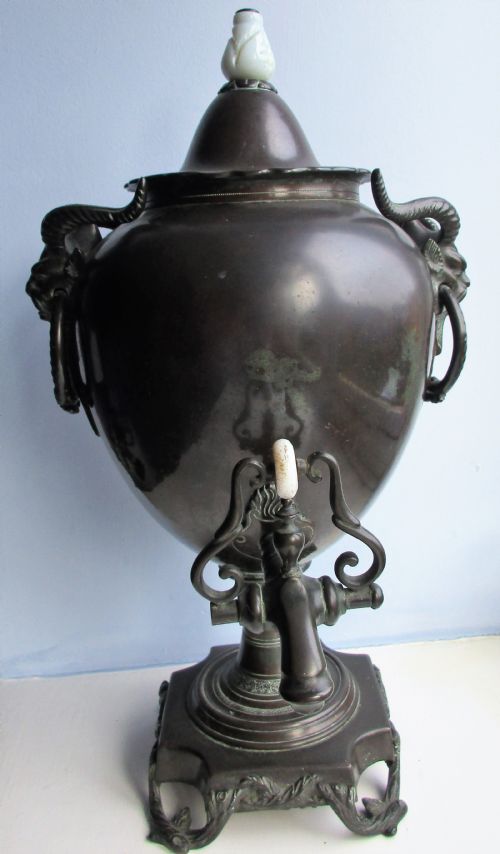
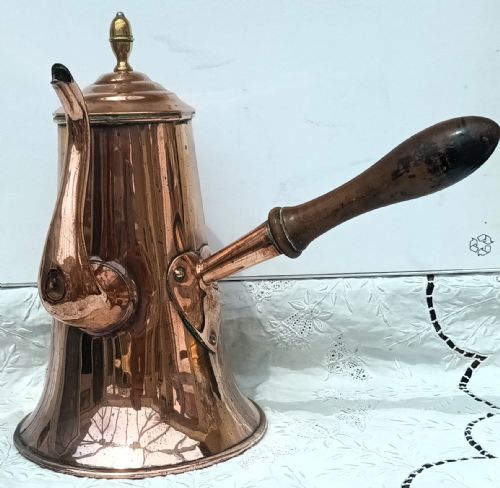
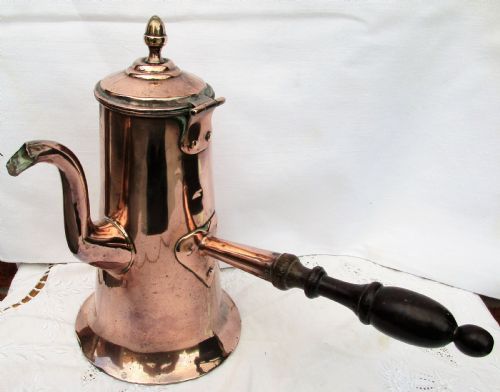
When you search for a copper brass vessel, you encounter a wide selection of utilitarian and decorative objects made primarily from these two metals. The pieces range from large kitchenware like jam pans and water boilers to domestic items such as kettles, planters, and samovars.
You are most likely to meet nineteenth-century Victorian examples on this page, alongside Georgian pieces and twentieth-century items from the Arts and Crafts and Art Nouveau periods. Form follows function closely in these categories, whether the object served a domestic hearth or travelled from distant workshops.
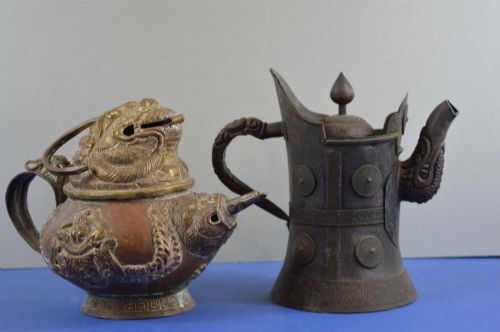
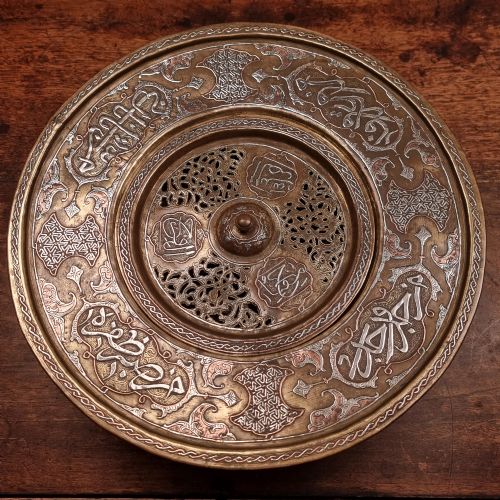
The category also encompasses specialised international forms, including Islamic cairoware bowls, Tibetan ceremonial ewers, and Indian wash bowls. These diverse geographical origins reflect global trade and nineteenth-century revival styles that embraced mixed metalwork.
How they were made
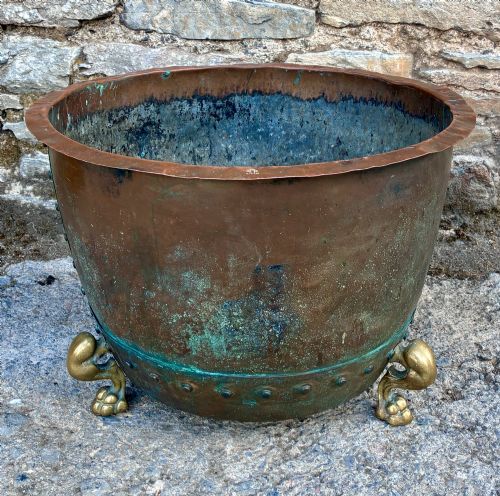
Makers shaped sheet copper and cast brass through traditional metalworking techniques such as hammering, riveting, and spinning. Riveted seams and heavy-gauge construction characterised utility pieces meant to withstand daily fireside heat and boiling water.
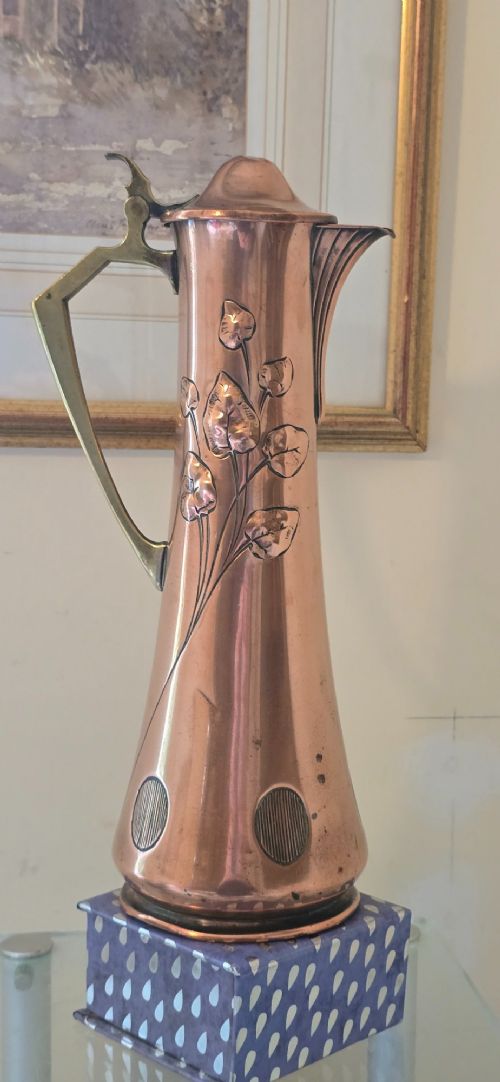
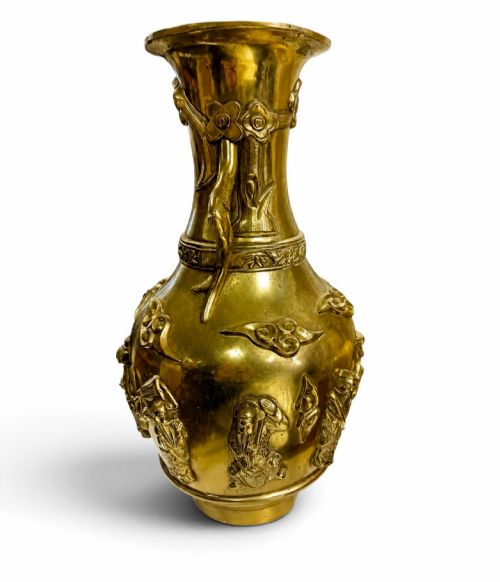
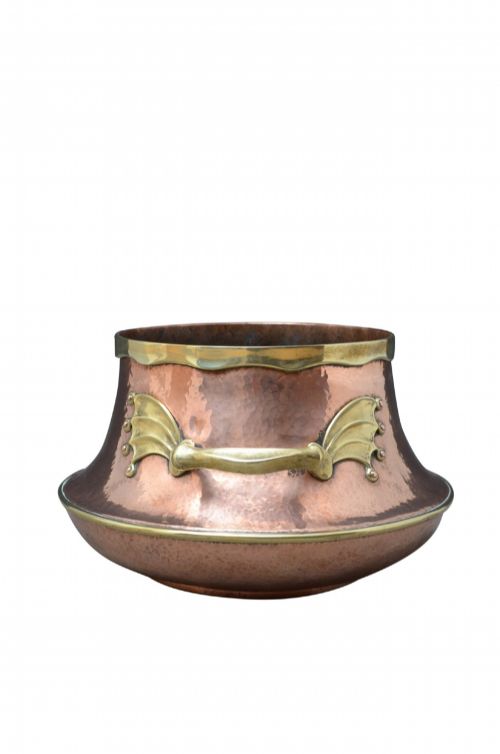
Many vessels combined both metals, utilising copper bodies for heat retention and brass for handles, taps, feet, and rims. Decorative surfaces often displayed high-relief repoussé work, chasing, or silver inlay applied over mixed metal alloys.
One determined collector snapped up a matching set of six graduated vessels just to see them nest together.
What varies in quality
The distinction between standard utility items and finer pieces lies in the crispness of the hand-hammering and the integration of mixed metals. Superior examples display balanced proportions, substantial metal weight, and carefully dovetailed or riveted joints that remain tight and true.
Artistic execution sets apart the decorative items, particularly in the depth of relief work on floral motifs or figural scenes. Maker signatures, foundry marks, and structural integrity under heavy use elevate certain vessels far above basic kitchen equipment.
WMF·Alderson And Gyde Ltd·William Soutter And Sons·Benetfink And Co·Hodges And Sons·J Bower
The Copper Brass Vessel Glossary
- Samovar
- A heated metal container traditionally used to boil and heat water in Russia and surrounding regions. These large urns often feature an internal vertical pipe and a spigot.
- Jardiniere
- An ornamental pot or stand for holding plants or flowers. They frequently appear in heavy copper or mixed metal finishes.
- Cairoware
- Nineteenth-century European or Middle Eastern brass and mixed metal vessels inlaid with silver and copper. These pieces imitate medieval Mamluk metalwork.
- Repoussé
- A metalworking technique where the metal is hammered from the reverse side to create a raised design in relief. This method requires considerable skill to maintain uniform wall thickness.
- Haystack measure
- A traditional British standard measure for capacity, typically made of brass with a distinctive tapered body. They were utilised for regulating liquid volumes in markets.
Copper Brass Vessel: Frequently Asked Questions
What were copper and brass vessels used for?
These vessels served heavy domestic and ceremonial duties ranging from boiling water for tea to cooking jams and heating rooms.
Larger pieces operated as water urns, coal bins, and wash bowls, while smaller items functioned as measures, spirit kettles, and decorative planters.
How do I clean an antique metal vessel?
Most collectors prefer to leave a natural aged patina on copper and brass rather than polishing them to a bright mirror finish.
Gentle washing with warm soapy water removes accumulated dust and grime without stripping the historical surface colouring that develops over centuries.
How can I tell a Georgian vessel from a Victorian one?
Georgian pieces generally exhibit simpler, robust utility forms with hand-beaten surfaces and heavy dovetailed seams suited to open hearths.
Victorian examples frequently introduce decorative mixed metals, machine-spun components, and specific revival styles such as Mamluk or Arts and Crafts ornamentation.
Are these vessels safe to use for cooking today?
Many historical copper cooking vessels were lined with tin to prevent toxic reactions between acidic foods and bare copper.
Because linings wear down over long periods of use, most collectors treat antique pans, kettles, and boilers as decorative objects rather than active kitchenware.
Where should I place a large planter in my home?
Large copper and brass planters or coal scuttles anchor empty hearth corners, stair landings, and wide entrance hallways.
Their reflective metallic surfaces bounce ambient light around darker spaces while providing sturdy containers for dried branches or large house plants.