


Continental Walnut Drawers
Continental walnut drawers combine robust European craftsmanship with rich timber figures, offering practical storage and striking historic presence for any interior.
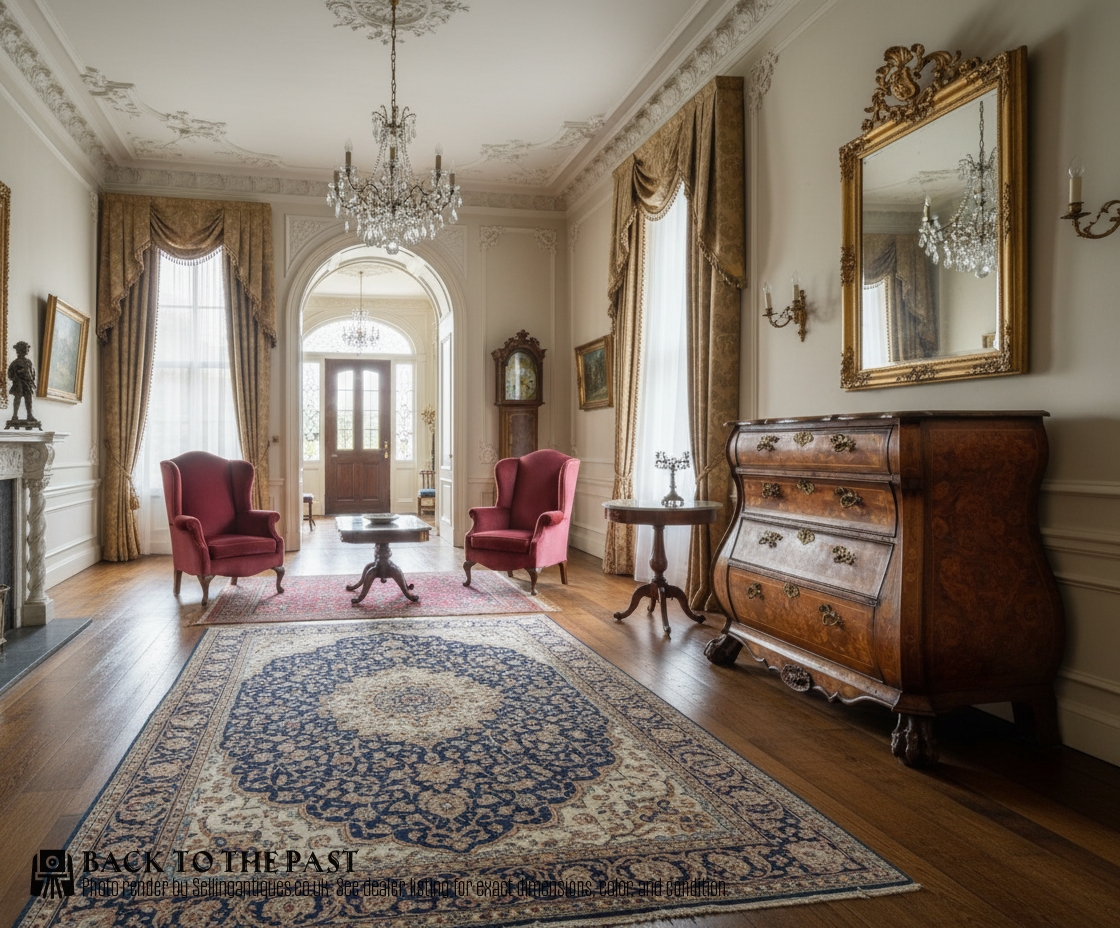
Continental Walnut Drawers
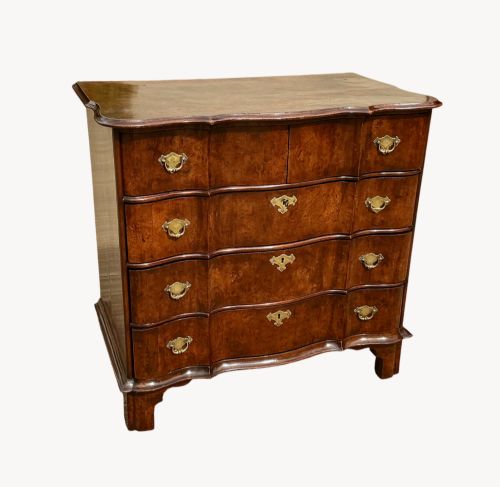
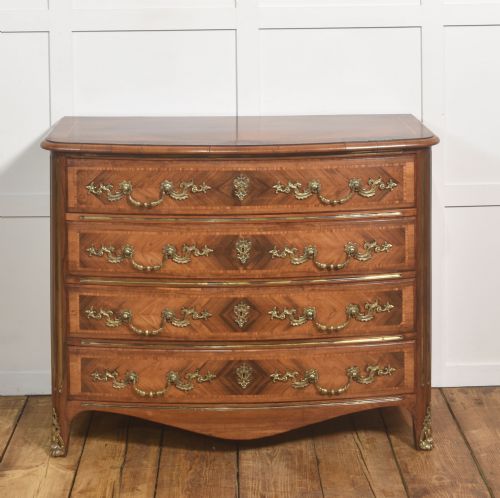
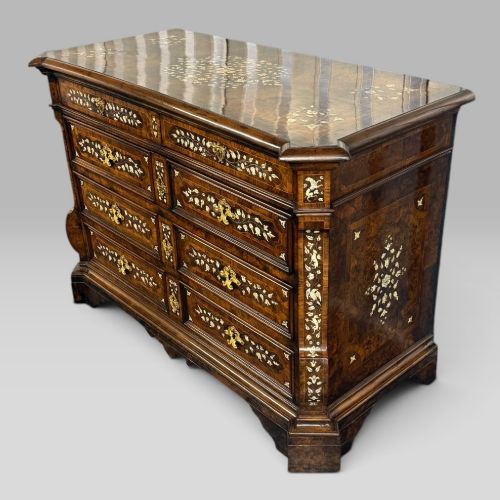
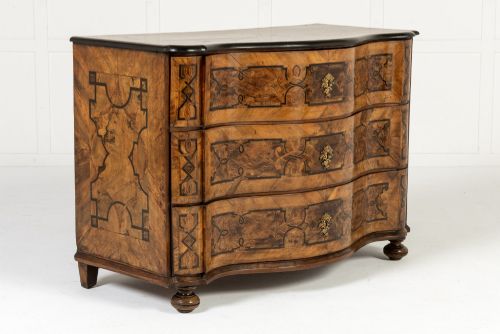
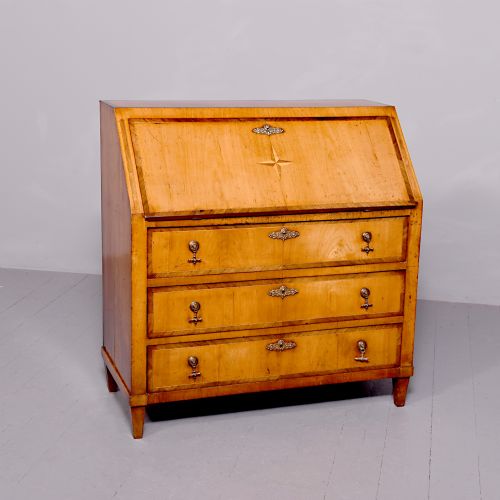
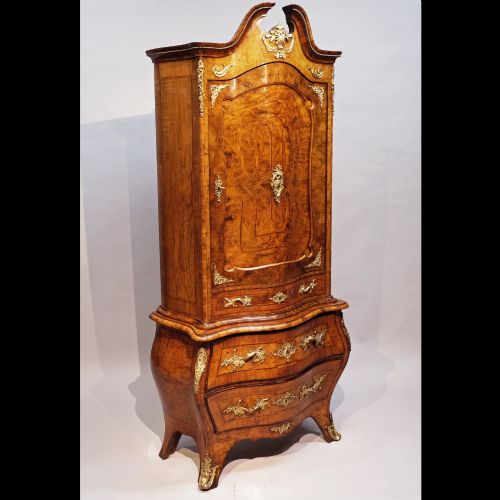
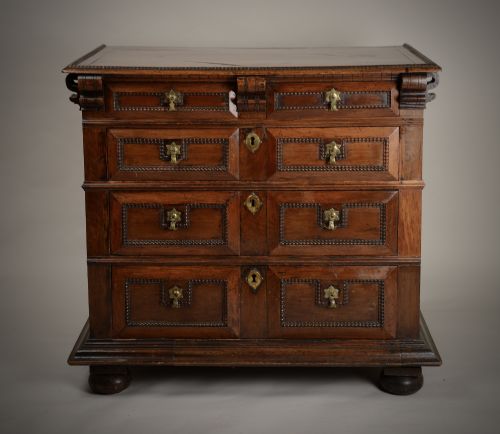
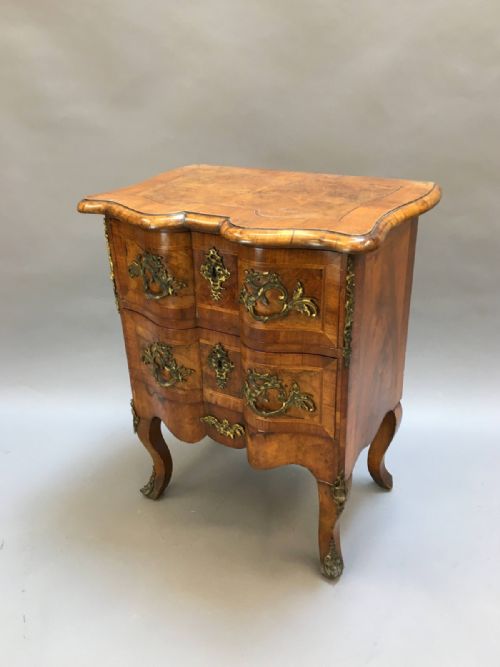
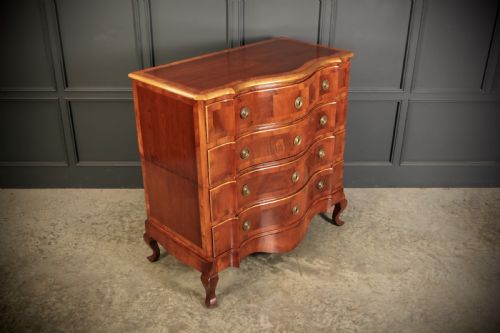
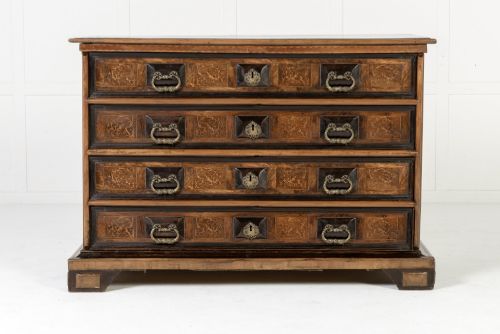
When you search for continental walnut drawers, you encounter a diverse array of historic case furniture originating from workshops across Europe, spanning from the seventeenth century through to the early twentieth century. The selection ranges from grand Baroque commodes and serpentine chests to practical bureaus and tall cabinets, reflecting the distinct regional aesthetics of nations such as Italy, Germany, France, Austria and the Netherlands.
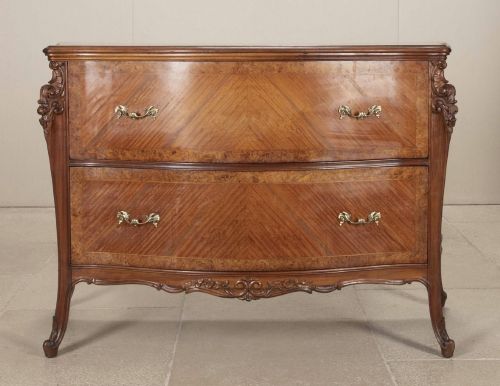
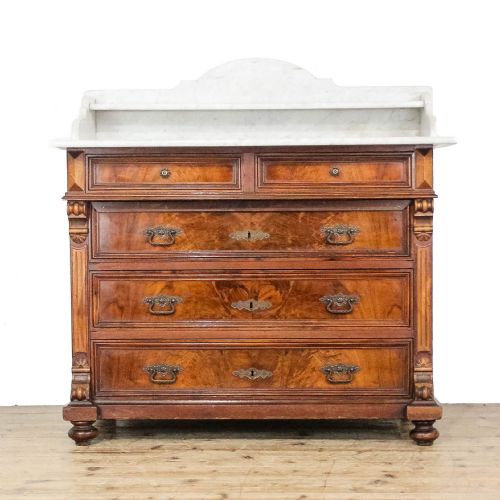
The version you are most likely to meet on this page is the eighteenth-century commode or chest of drawers, often exhibiting rich burr timber figures, serpentine fronts, or intricate marquetry inlay. Alongside these, nineteenth-century interpretations show the evolution of regional styles including Biedermeier and Neo-Rococo, whilst earlier seventeenth-century pieces display heavier baroque proportions.
These pieces served various domestic functions, acting as grand storage chests in reception rooms, writing desks in private chambers, or display cabinets for treasured possessions. Their forms bridge utility and decorative opulence, making them enduring centrepieces in traditional and contemporary homes alike.
Evaluating Quality
Quality in these pieces rests primarily on the choice of timber and the dexterity of the veneer work, where master cabinetmakers aligned burr figures symmetrically across drawer fronts to create harmonious patterns. The crispness of the carving on baroque scrolls, the fluidity of the serpentine or bombe contours, and the integrity of the underlying carcase construction distinguish workshop masterpieces from simpler provincial pieces.
Original mounts, surviving marble slabs, and untouched patination elevate a piece significantly. Superior examples maintain the original balance between structural robustness and delicate decorative detailing, whereas lesser items may exhibit clumsy proportions or replacement hardware that disrupts the historic harmony.
Continental Walnut Drawers Retail Price Guide 2026
Typical asking prices for continental walnut drawers among the pieces listed under this phrase on Sellingantiques today, from the lower quarter to the upper quarter. They describe what is for sale here now, not the wider market.
Form variations recorded here include commodes, bureaus, breakfront cabinets, and bombe chests featuring marble, brass, and marquetry details.
Grand Ducal Workshops
The Continental Walnut Drawers Glossary
- Commode
- A low chest of drawers or cabinet, originating in France, typically standing on legs and dating from the seventeenth century onwards. They often serve as decorative focal points in principal rooms.
- Bombe
- A swelling, bulging contour found on the sides and fronts of advanced case furniture, particularly popular in continental pieces. This sweeping profile requires immense skill in veneer application.
- Marquetry
- The art of applying pieces of veneer to a structure to form decorative patterns and pictures. Craftsmen used various tinted woods to achieve tonal depth.
- Serpentine
- A furniture front or top shaped with a central convex curve flanked by two concave curves. This undulating line defines many refined eighteenth-century chests.
- Bureaux
- Sloping-front desks that conceal internal compartments and drawers, sometimes surmounted by bookcase superstructures. They represent the sophisticated administrative furniture of historic European households.
Continental Walnut Drawers: Frequently Asked Questions
How do I identify a continental chest?
Continental pieces typically display regional cabinetmaking traits such as distinct walnut veneer selections, continental lock mechanisms, and characteristic hardware mounts. Their proportions often differ from British equivalents, favouring bombe shapes, serpentine fronts, or architectural baroque outlines.
Look closely at the secondary woods used inside the drawers, as continental workshops frequently utilised local fruitwoods or oak alongside the primary walnut exterior. Regional design markers, such as specific Austrian or Italian moulding profiles, further confirm their continental origin.
What is burr walnut?
Burr walnut is taken from a growth on the walnut tree where the grain has grown in a deformed, swirling manner. This produces complex, highly decorative patterns that cabinetmakers prized for veneering prominent surfaces.
Because of its wild and irregular grain, burr walnut was sliced into thin sheets and laid carefully over a stable softwood or hardwood carcase. Skilled artisans often book-matched these veneers to create symmetrical, mirrored designs across drawer fronts.
Where should I place a commode?
A antique commode functions well in a hallway, living room, or bedroom where its decorative drawer fronts can be appreciated. Because many historic examples feature finished tops or marble slabs, they provide a stable surface for lamps, mirrors, or display objects.
Ensure the piece sits away from direct heat sources and strong sunlight to protect the fragile walnut veneers and historic polish from drying out. Allowing adequate clearance around curved bombe or serpentine fronts ensures the piece commands the space properly.