










Continental Carved Sculpture
Continental carved sculpture brings centuries of European craftsmanship into your interior through wooden figures, saints, and architectural fragments.
Continental Carved Sculpture
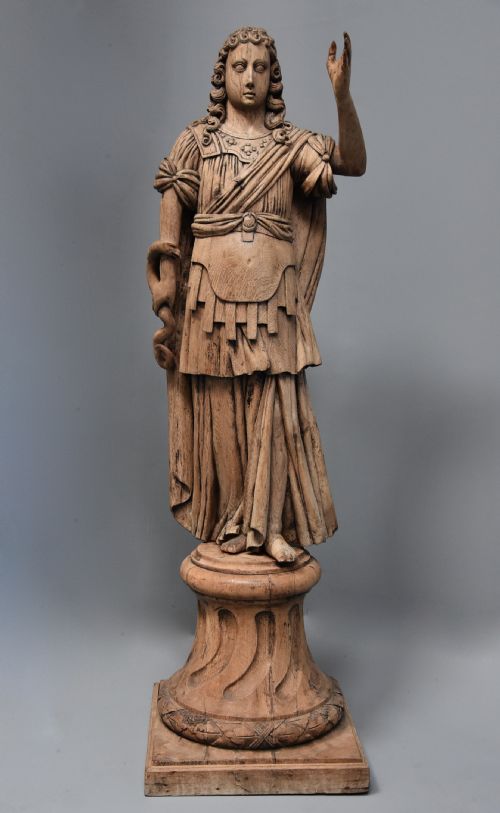
Continental carved sculpture encompasses wooden figures, religious statues, architectural elements, and decorative objects originating from various European regions across multiple centuries. These pieces range from medieval devotional carvings to later baroque figures and decorative carvings.
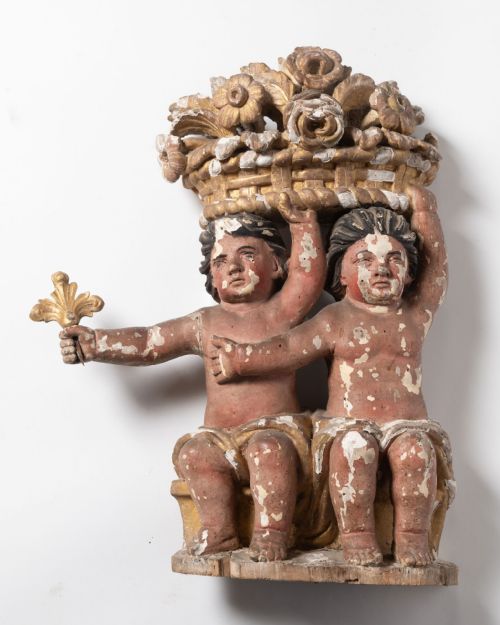
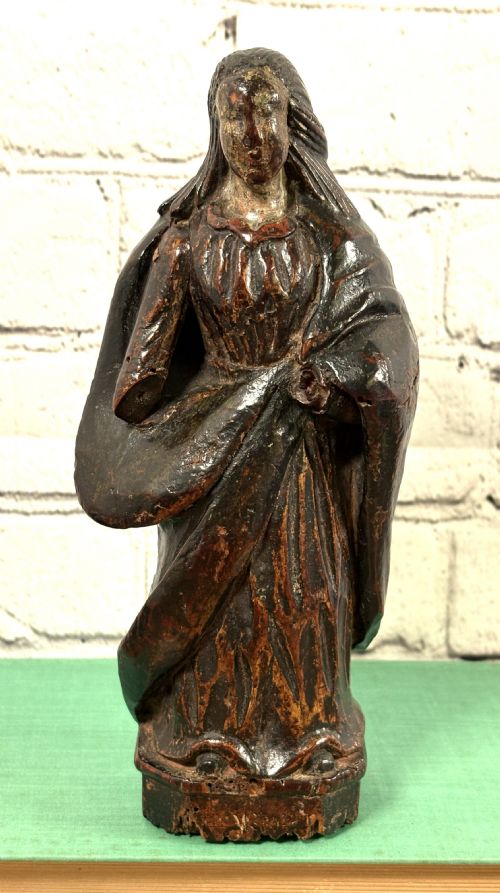
The selections most frequently encountered on this page date from the seventeenth and eighteenth centuries, alongside sixteenth-century examples and nineteenth-century interpretations. Figures of saints, madonnas, and putti dominate the offerings, often carved from oak, limewood, or walnut.
Religious subjects form the core of these listings, reflecting the historic patronage of European churches and domestic shrines. Collectors also encounter architectural salvage such as corbels, alongside occasional secular decorative objects.
Materials and Techniques
Carvers utilised local timbers suited to detailed work, selecting oak, walnut, limewood, applewood, and pine depending on regional availability and the desired scale of the sculpture. Hardwoods provided durability for structural elements and larger figures, whilst limewood allowed for intricate drapery and facial expressions.
Many surfaces received preparation with gesso before application of polychrome paint, silvering, or gold leaf to enhance the visual impact of religious figures. Surviving traces of original pigment and gilding reveal how these sculptures appeared in their original settings.
Listings span from pre-sixteenth-century fragments up to early twentieth-century decorative pieces, executed in oak, walnut, limewood, and pine.
Evaluating Quality
The distinction between standard workshop production and master carving lies in the handling of anatomy, movement, and the natural fall of drapery. Finer sculptures demonstrate precise toolwork that suggests deep familiarity with the grain and density of the wood.
The survival of original surface treatments, such as polychrome paint or gilding beneath later layers, significantly influences the standing of a piece. Carvings retaining authentic early finishes command greater interest than those stripped to bare wood or heavily repainted.
The Continental Carved Sculpture Glossary
- Polychrome
- Painted in several colours. This finish was commonly applied to wood sculptures to heighten realism.
- Corbel
- A structural piece of stone or wood projecting from a wall to support a weight. These often take carved figural forms.
- Gesso
- A plaster mixture used as a smooth base for paint or gold leaf on wood. It prepared the carved surface for decoration.
- Giltwood
- Wood that has been covered with gold leaf or thin gold powder. This technique imparted a rich appearance to religious statues.
- Socle
- A short plinth or pedestal supporting a statue or candlestick. It elevates the carved figure above the base surface.
Continental Carved Sculpture: Frequently Asked Questions
Where were these sculptures originally displayed?
Many figures stood within churches, domestic chapels, and monastic settings as objects of contemplation and devotion. Architectural elements like corbels served structural and decorative roles in European buildings.
Over time, secular collectors acquired these religious works for display in domestic interiors as fine art objects.
How do I identify the wood used?
Close examination of the grain structure and weight helps distinguish between dense timbers like oak and walnut versus lighter ones like limewood or pine. Regional carvers tended to use local woods typical of their specific geographic area.
Patina and surface ageing also offer clues to the age and origin of the timber.
Should I clean the painted surface?
Original painted and gilded surfaces require a gentle approach to preserve surviving pigment and gesso layers. Professional conservation prevents the accidental removal of historic finishes.
Dusting with a soft, dry brush remains the safest method for routine maintenance.
How do I date a carved wooden figure?
Dating relies on stylistic markers, tool marks left by the carver, and the natural ageing of the wood. Comparing costume details and artistic conventions helps place a piece within periods such as the Renaissance or Baroque.
Radiocarbon dating can provide scientific confirmation for earlier timber, though stylistic analysis usually leads.