


Concertina Action Table
These concertina action table designs offer the clever mechanical grace of an expanding frame without losing the poise of a fine antique.
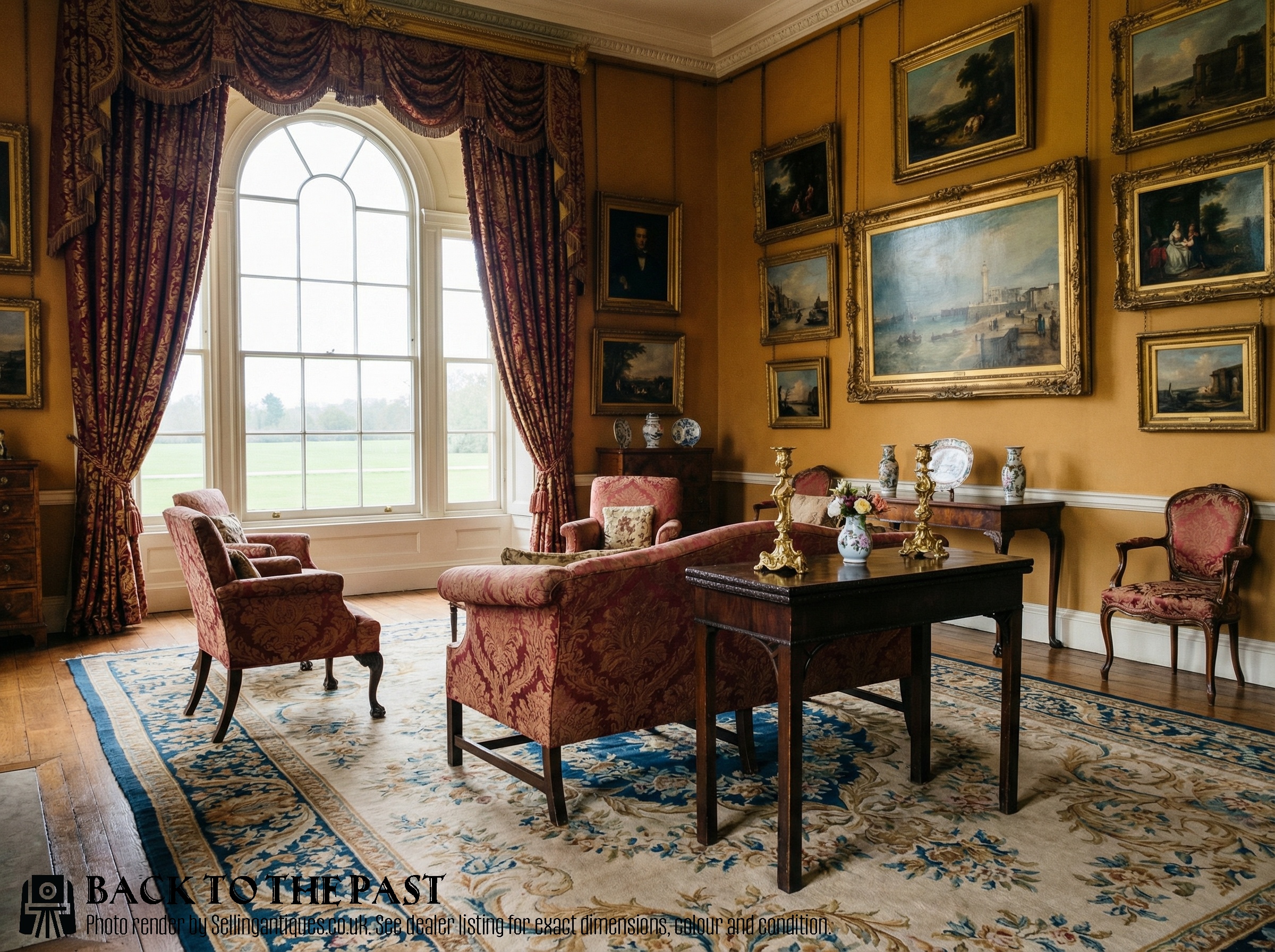
What they are
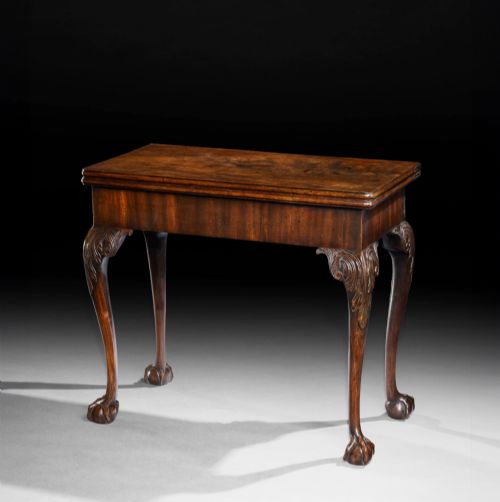
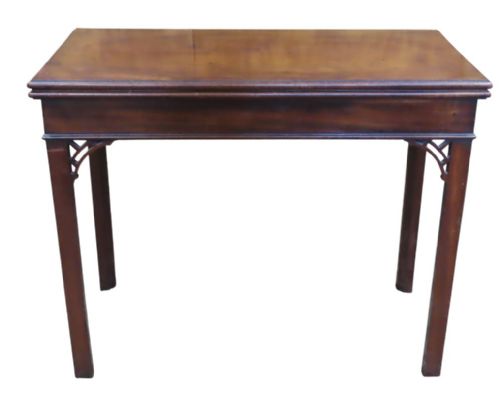
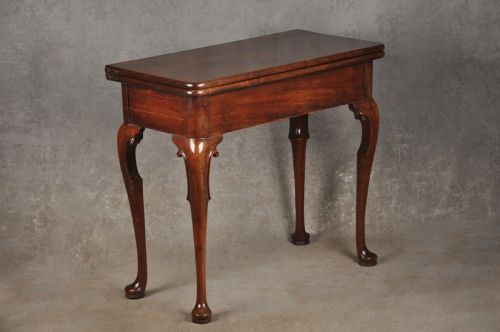
A concertina action table is a sophisticated piece of convertible furniture designed to expand its frame to support a folding top. When you search for a concertina action table, you encounter period examples primarily from the eighteenth and early nineteenth centuries. These pieces function as card tables, games tables, tea tables, and larger extending dining tables.
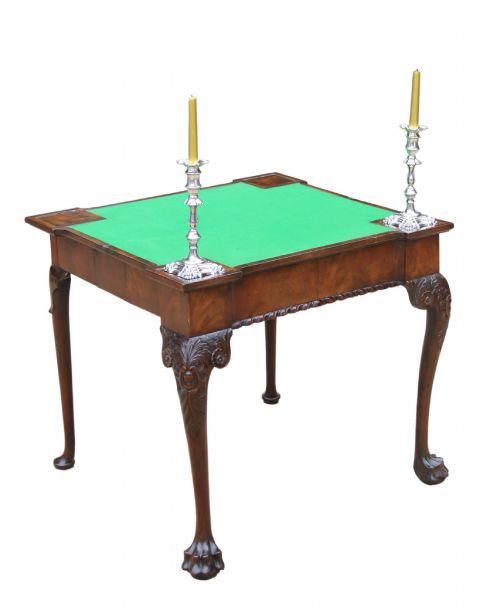
The version you are most likely to meet on this page is an eighteenth-century mahogany card or games table from the Georgian or Chippendale style. These pieces often feature timber veneers and lined surfaces such as baize. Earlier items showcase Irish craftsmanship alongside traditional English cabinet-making.
Beyond the standard card tables, the historical record includes larger Regency dining tables that utilise the same expanding concertina mechanism. These dining variants provide substantial length while maintaining structural stability when closed. Every form prioritises dual-purpose utility without sacrificing domestic elegance.

How they were made
Cabinet-makers constructed these tables using solid timber and wood veneers over a primary wood carcass. Mahogany serves as the dominant material across the surviving examples, providing both structural strength and a rich ground for polishing. Brass components frequently appear within the folding hardware and internal hinges.
The defining mechanism relies on an expanding concertina frame that extends outward to support all four corners of the unfolded top. This engineering feat distributes weight evenly, removing the need for a central swing leg. Interior surfaces often receive baize lining to create a suitable playing field for cards.
Retail Price Guide 2026
Typical UK retail prices for concertina action table, calculated from the Sellingantiques database of over a million retail prices indexed since 2003. This retail price guide relies exclusively on Sellingantiques data; no external sources or auction records are used, so the figures do not describe the wider market.
What varies in quality
The distinction between ordinary and superior pieces rests on the precision of the concertina mechanism and the selection of timber. Top-tier examples exhibit seamless mechanical movement where the folding frame locks squarely into position without play or sag. Cabinet-makers who matched wood veneers meticulously across the folding leaves achieved a coherent visual field.
Carved detail and stylistic attribution separate standard production from masterworks. Pieces bearing distinct Chippendale or George II stylistic markers display crisp hand-carving along the frieze and legs. The integration of solid brass hardware rather than inferior metals signals higher workshop standards.
Howard & Sons
The Concertina Action Table Glossary
- Concertina action
- An expanding wooden frame mechanism that extends like a bellows to support a folding table top. This design allows all four legs to remain at the corners when opened.
- Baize
- A coarse woollen fabric, typically green, used to line the playing surfaces of card and games tables. It provides a tactile, non-slip texture for gaming.
- Turnover top
- A hinged table top that folds flat for use as a side or occasional table and unfolds to double its surface area. The concertina frame specifically supports this second leaf.
- Veneer
- A thin slice of figure-rich timber applied over a secondary wood base to create decorative surfaces. Eighteenth-century makers selected mahogany for its deep grain patterns.
Frequently Asked Questions
What is a concertina action table?
A concertina action table is a convertible piece of furniture featuring a folding top supported by an expanding wooden frame. When opened, the frame stretches outward to place legs at all four corners for maximum stability.
These pieces span card tables, tea tables, and large dining tables primarily from the eighteenth and nineteenth centuries. The clever mechanism eliminates the awkward central swing leg found on simpler turnover designs.
How do you use a games table?
A games table serves as a decorative pier or side table during daily use, remaining folded against a wall. When entertaining, the top unfolds to reveal a baize-lined playing surface for cards or board games.
Inside the table, concealed wells or compartments often store gaming pieces, counters, and packs of cards. The concertina action pulls outward to support the extended leaves safely during play.
How do you distinguish Georgian periods?
Georgian furniture spans the reigns of the first four Georges, encompassing distinct stylistic shifts from early walnut and mahogany curves to classical neoclassical lines. Cabinet-makers during the George II and Chippendale periods favoured rich mahogany, elaborate carved details, and robust proportions.
Later Regency examples introduce crisper lines, brass inlay, and structural adaptations suited for expanding dining formats. Examining the timber quality, joining techniques, and hardware helps isolate the specific period.
Why use mahogany for these tables?
Mahogany became the favoured timber for eighteenth-century cabinet-makers due to its exceptional tensile strength and resistance to warping. This stability proved vital for complex moving parts like the concertina action frame.
Furthermore, the dense grain took a deep, lustrous polish and permitted intricate hand-carving without splintering. The material allowed makers to combine structural durability with refined aesthetic appeal.