




Irish Georgian Table
An irish georgian table brings distinct regional carving, heavy timber and robust proportions into a room.
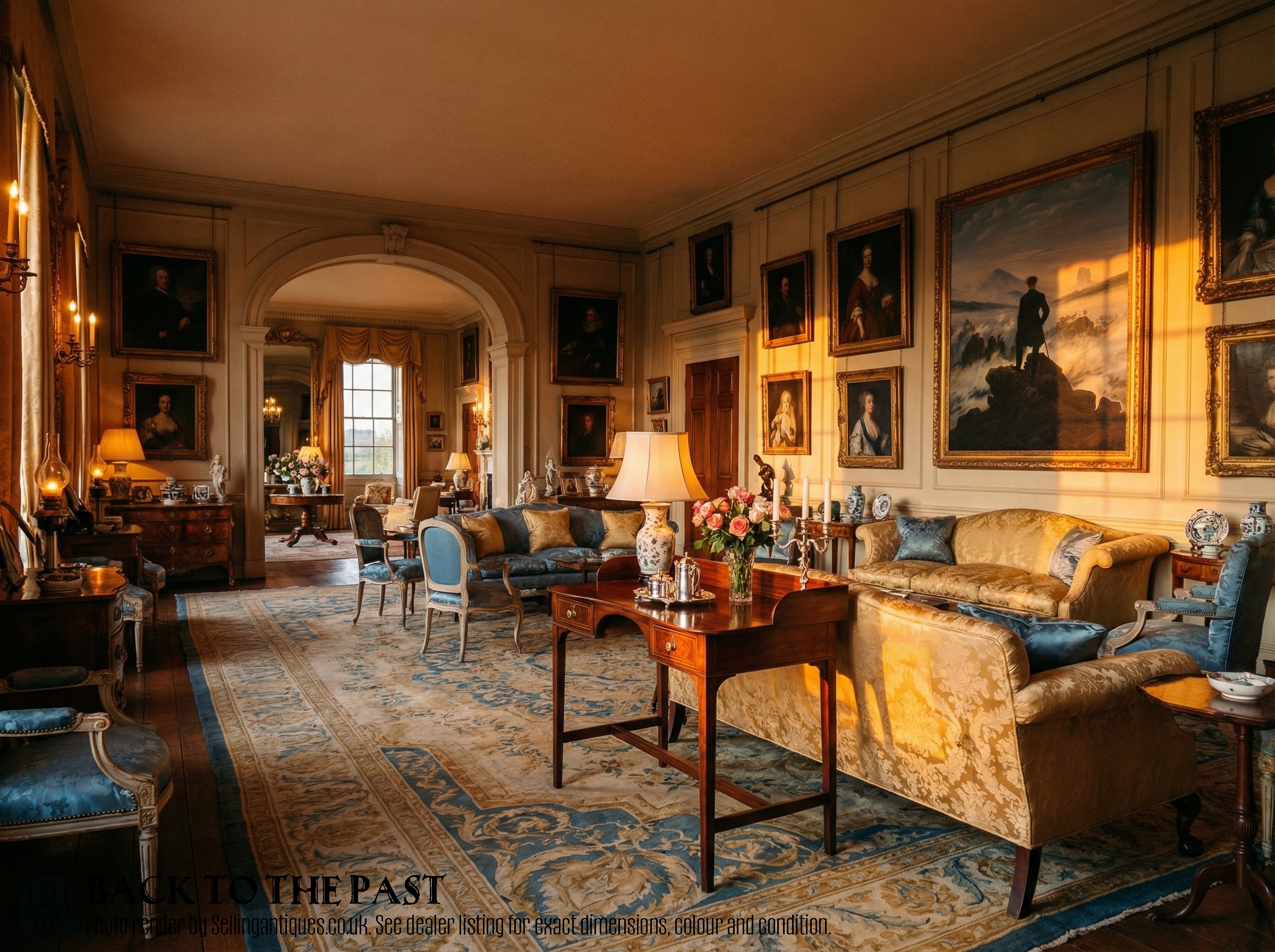
Irish Georgian Table
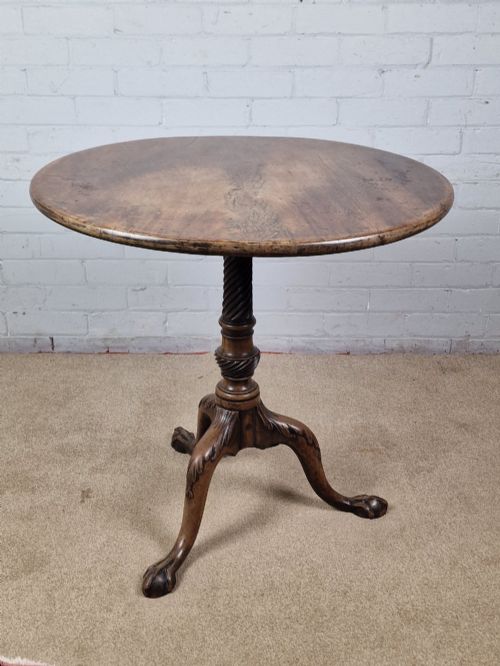
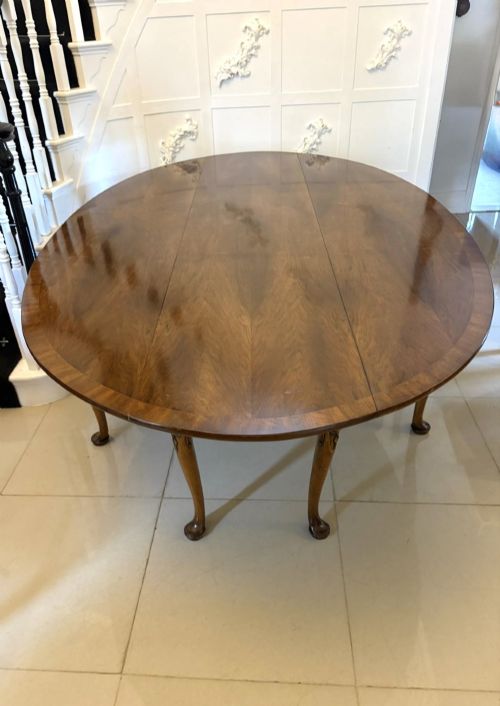
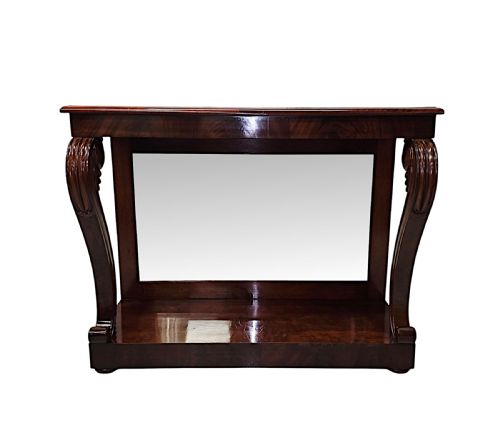
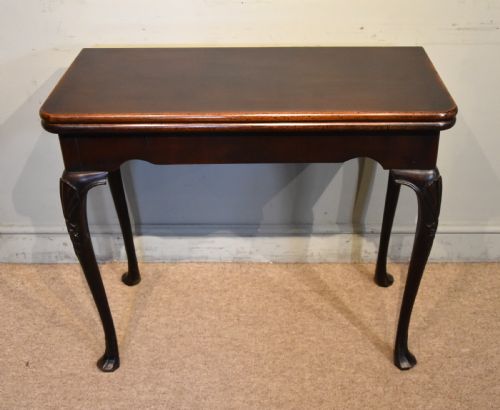
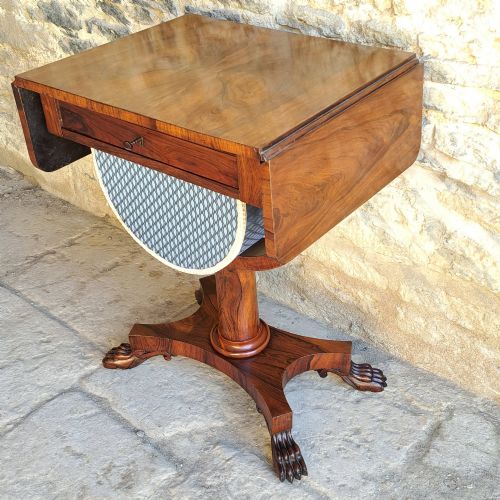
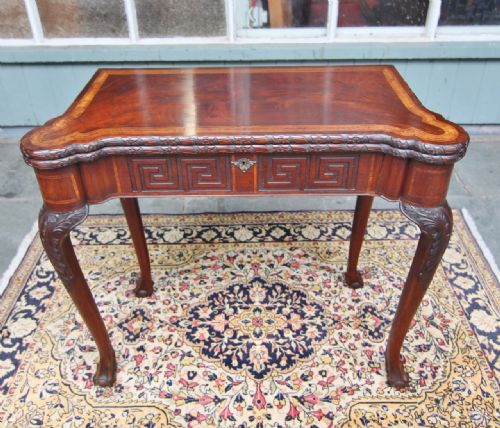
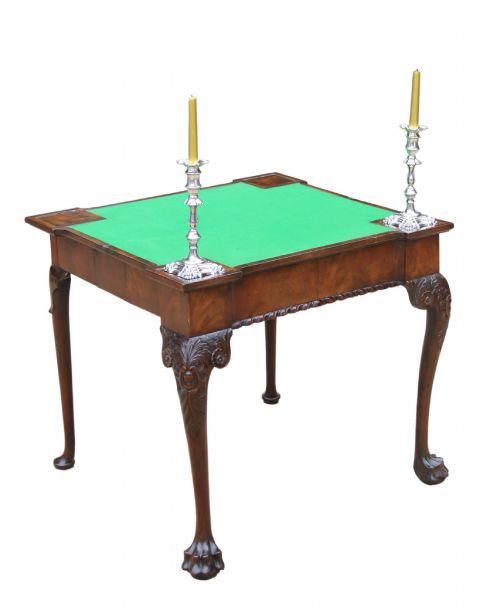
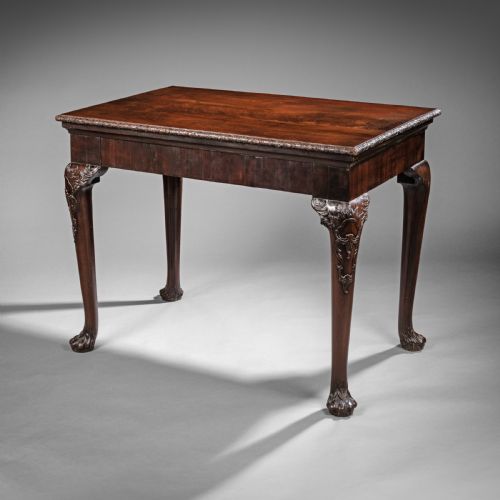
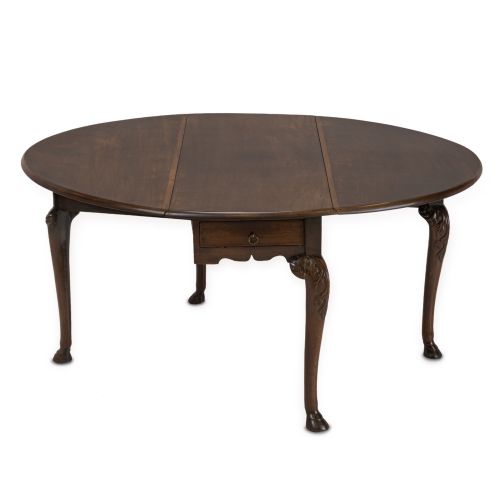
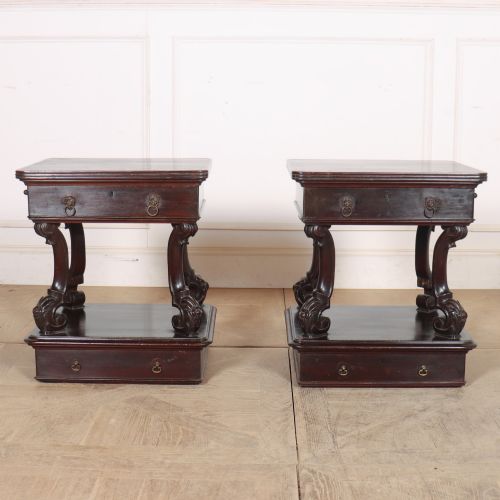
When searching for an irish georgian table, a buyer encounters pieces intended for dining, serving, card playing and tea, spanning the eighteenth and nineteenth centuries. The listings frequently feature console and side tables alongside drop-leaf dining forms and tilt-top supper tables.
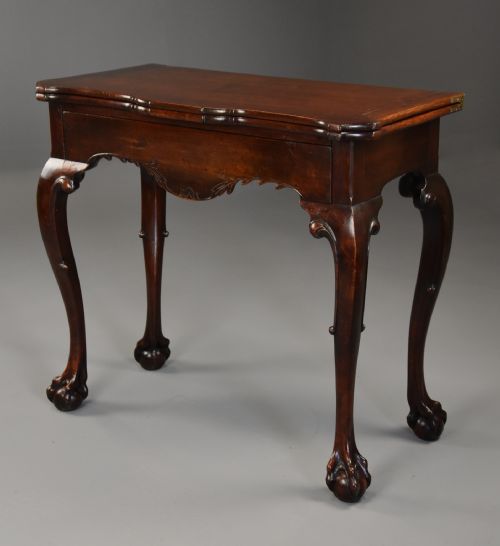
Makers often utilised native timbers such as walnut, oak and mahogany to create robust furniture with distinct regional characteristics. Console and serving tables often display vigorous carving, while smaller occasional and card tables utilise folding or concertina actions.
The material palette extends from figured mahogany to burr oak and American black walnut. These surfaces develop deep patination over centuries of domestic use.
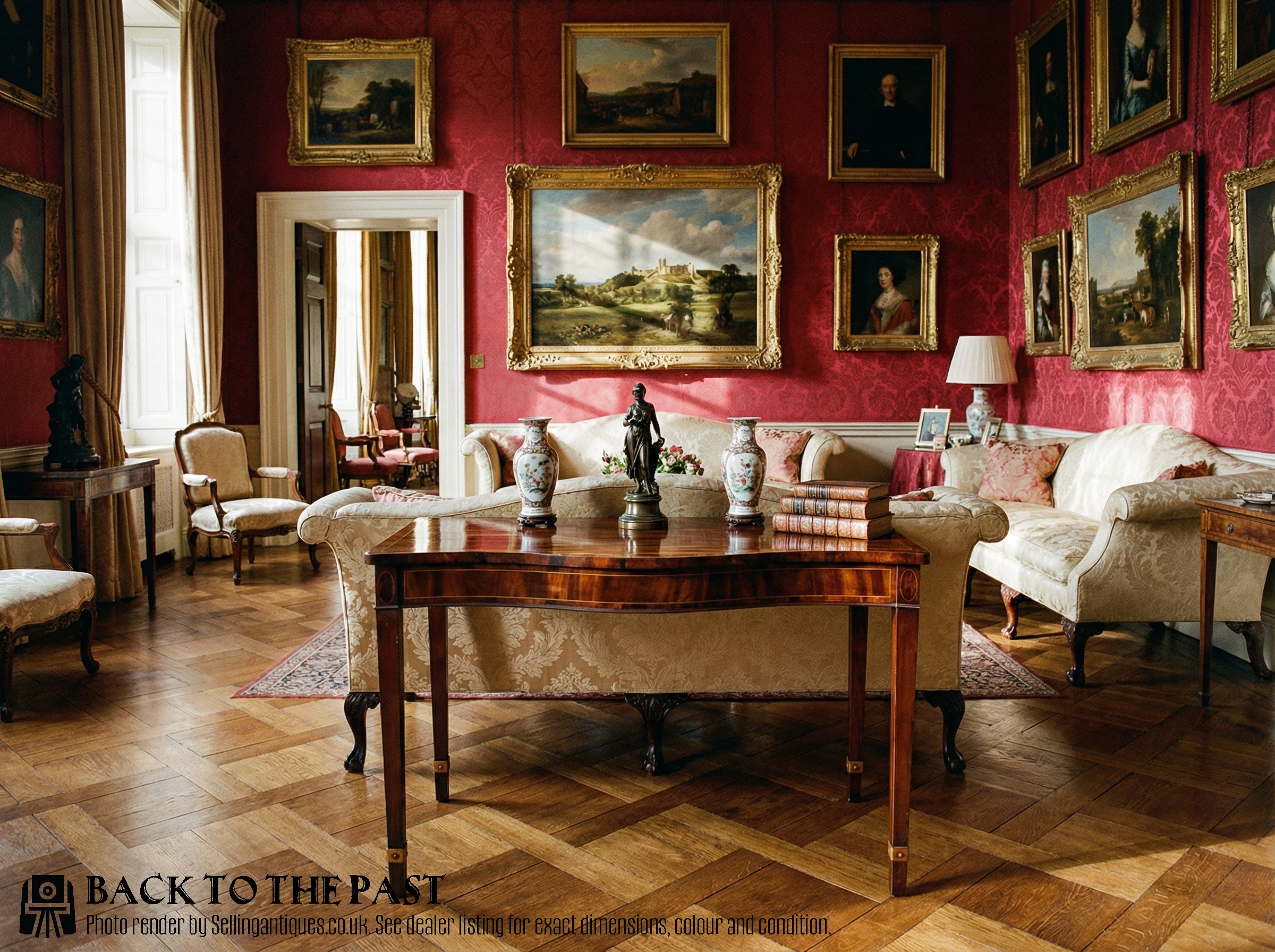
Materials and construction methods
Cabinetmakers constructed these tables using solid mahogany, walnut and oak, frequently enhanced with burr veneers and crossbanding. Joints were pegged or dovetailed by hand, providing structural strength for heavy dining and console forms.
Carved details such as lion masks, claw and paw feet, and cabriole legs were executed directly into the dense timber. Folding mechanisms on card and tea tables relied on precision hinges and concertina wooden frames.
Irish Georgian Table Retail Price Guide 2026
Typical asking prices for irish georgian table among the pieces listed under this phrase on Sellingantiques today, from the lower quarter to the upper quarter. They describe what is for sale here now, not the wider market.
Distinctions in craftsmanship and preservation
Quality rests in the crispness of the hand-carved ornament and the depth of the timber's natural figure. Superior examples retain their original patination and uncompromised structural joins.
The scale of carving and the density of the chosen mahogany or walnut separate standard domestic pieces from grander architectural tables designed for formal interiors.
Gillingtons of Dublin·John Pittar·John Locker·Hicks of Dublin·The Woodworkers Ltd Kilkenny
The Irish Georgian Table Glossary
- Concertina action
- An expanding frame mechanism that supports a folding table top evenly when opened. This design allows four legs to support the extended surface securely.
- Cabriole leg
- A furniture leg that curves outward at the knee and tapers inward toward the foot. It often terminates in a hoof, paw or pad foot.
- Drop-leaf
- A table with a fixed central section and hinged flaps that lower or raise. These flaps are supported by swing legs or folding brackets.
- Patina
- The surface sheen and colour developed over years of handling, polishing and ageing. It indicates genuine age on hardwood furniture.
- Tilt-top
- A table top attached to a pivoting mechanism that allows the surface to tilt vertically for storage. It is commonly found on tripod wine and supper tables.
Irish Georgian Table: Frequently Asked Questions
What is an irish georgian table used for?
These tables served various domestic functions ranging from formal dining and serving meals to playing cards and holding tea services.
Larger versions accommodated gatherings, while smaller console and occasional pieces fitted against parlour walls.
How do I care for antique mahogany furniture?
Protect the timber from direct sunlight and sudden temperature shifts to prevent warping or fading.
Apply traditional wax sparingly and polish with a soft cloth to maintain the natural patination.
How do I identify regional irish furniture?
Irish pieces frequently display heavier proportions, distinctive carved motifs like lion masks, and native timbers such as local walnut or dense mahogany.
Cabinetmakers in Dublin and regional workshops employed construction methods distinct from their English counterparts.