


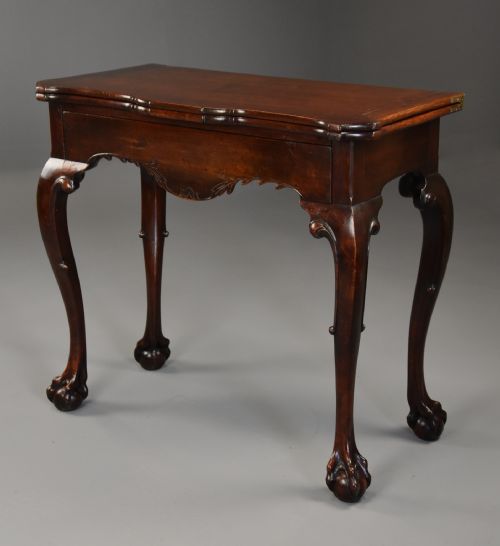


Claw and Ball Card Table
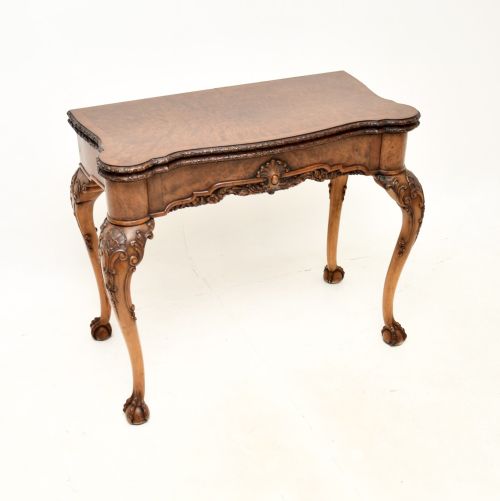
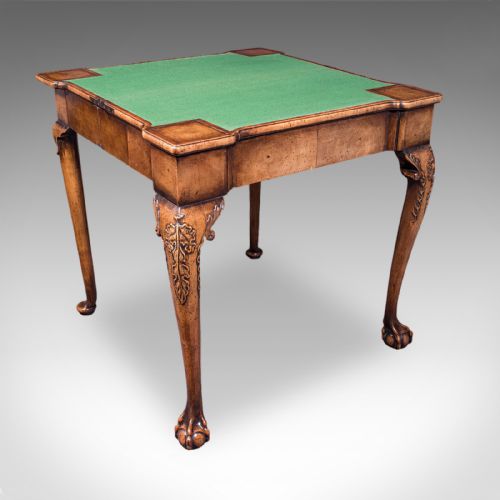
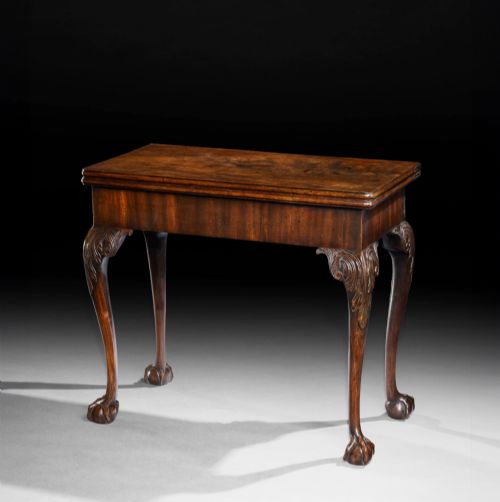
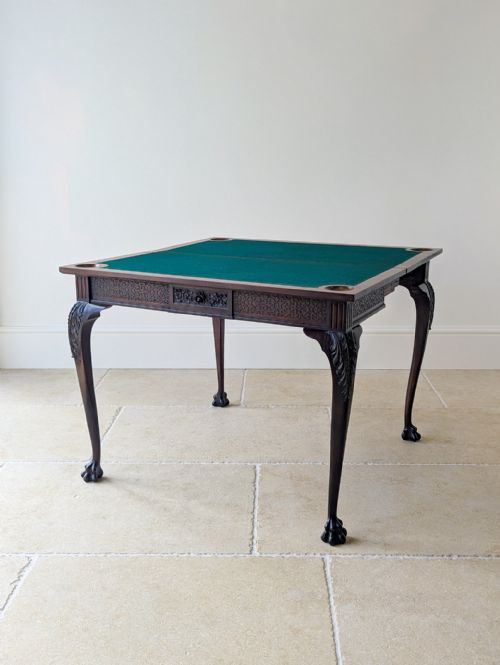
A claw and ball card table is a folding timber surface for gaming or tea, grounded on carved talons clutching spheres that give the form its enduring appeal.
Claw and Ball Card Table
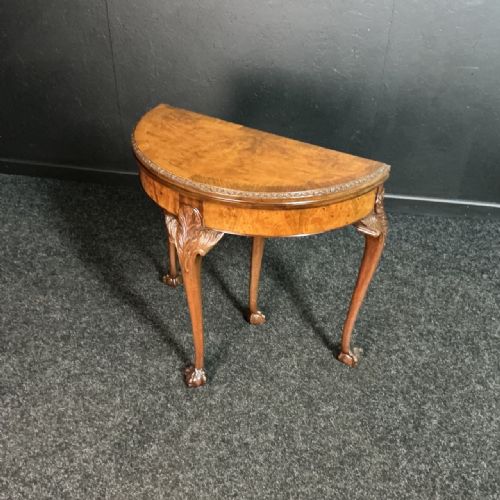
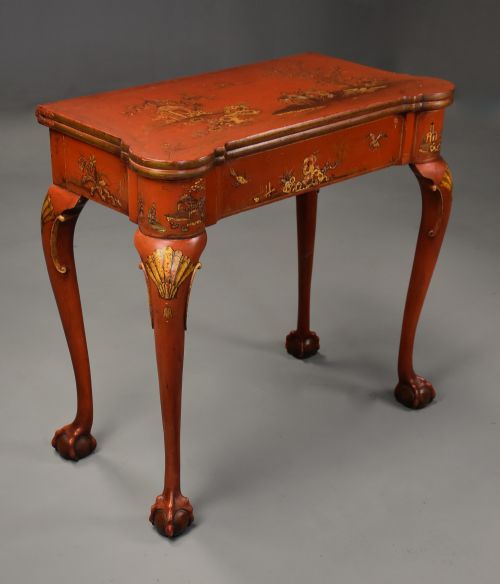
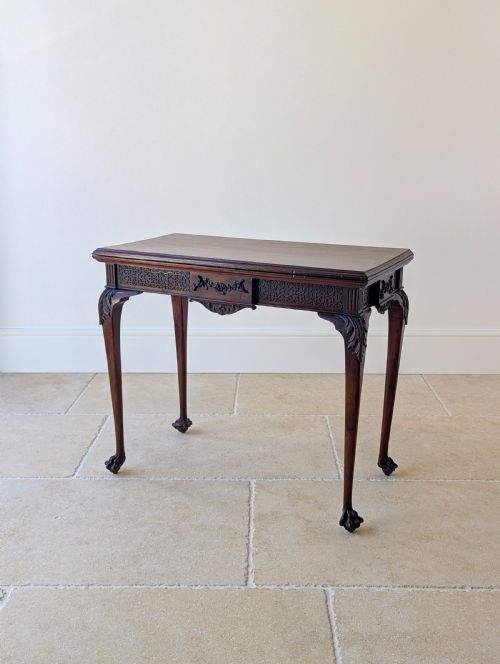
A claw and ball card table serves as a folding timber surface designed for pastimes like cards or tea, spanning periods from the eighteenth century to the twentieth. Buyers encounter eighteenth-century originals alongside later revivals from the Edwardian era and the nineteen-twenties.
The form appears most frequently in mahogany or walnut, constructed with concertina actions, fold-over tops or tea combinations. Irish examples and revival interpretations demonstrate how makers adapted the silhouette across generations.
How they were made
Cabinetmakers utilised dense timbers such as mahogany and walnut, frequently selecting burr veneers to create figured surfaces on the fold-over tops. Carvers shaped the distinctive feet directly from the timber leg blanks.
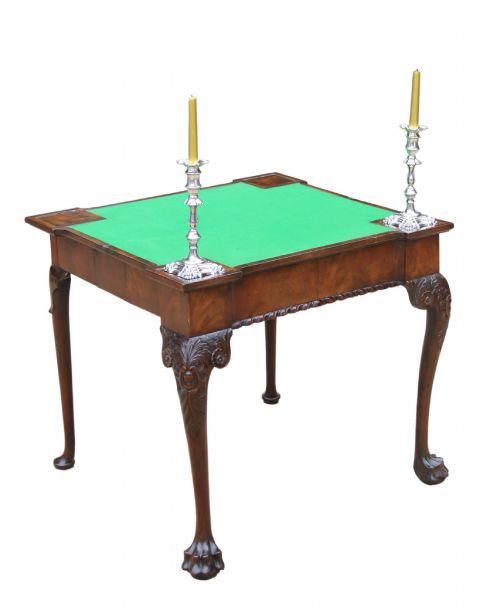
Interiors often incorporated baize or wool baize as a playing surface, whilst brass hinges and concertina mechanisms permitted the frames to expand smoothly for gaming.
Several tables manage to look as though they are about to scuttle off across the floor on their carved bird claws.
What varies in quality
The distinction between tiers rests upon the crispness of the talon carving and the depth of figure in the mahogany or walnut timber. Subtlety in proportion and the integration of secondary woods elevate certain examples above standard workshop output.
Patination and the preservation of original folding actions dictate the standing of a table. Finer pieces maintain crisp edge mouldings and well-balanced concertina frames that operate without strain.
Giles Grendey·James Shoolbred and Co·Maple and Co
The Claw and Ball Card Table Glossary
- Concertina action
- An expanding frame mechanism that allows four legs to move outward simultaneously when the table opens, supporting the unfolded top securely. This construction requires sophisticated joinery compared to simple swing-leg designs.
- Baize
- A coarse woollen fabric traditionally used to line the playing surfaces of gaming furniture. It provides a durable, tactile mat that softens the sound of counters and cards.
- Chippendale
- A style originating from the mid-eighteenth century characterised by carved cabriole legs, foliage motifs and robust proportions. Later revival periods reinterpreted these distinctive motifs with varying degrees of fidelity.
- Burr walnut
- Timber sliced from walnut tree growths, yielding intricate, swirling grain patterns. Cabinetmakers applied these decorative veneers to table tops to create striking visual movement.
- Patina
- The surface sheen and mellow tone developed by wood over centuries through handling, polishing and exposure to light. It serves as an indicator of age and careful maintenance.
Claw and Ball Card Table: Frequently Asked Questions
What is a concertina action?
A concertina action is a specialised frame construction that expands to support the open fold-over top on four matching legs. This arrangement distributes weight evenly and offers unobstructed legroom during play.
Craftsmen favoured this mechanism on higher-status tables from the eighteenth century. It requires precise joinery to ensure the folding wooden frame aligns perfectly when closed.
How do I care for wool baize?
Wool baize requires gentle brushing and protection from direct sunlight to prevent fading and wear. Keeping the fabric dry preserves its texture and colour over decades of use.
Avoid using liquid cleaners on vintage playing surfaces, as moisture can damage the underlying timber and glue joints. Professional textile conservation methods suit delicate or historical linings.
How can I tell a revival piece apart?
Revival pieces from the Edwardian period or the nineteen-twenties often display machine-sawn timber uniformity and different secondary woods inside the frame. Examining the construction methods and interior blocks helps clarify the manufacturing date.
Eighteenth-century originals show hand-tool marks and timber shrinkage consistent with age. Cabinetmakers working in later revival styles adopted historical aesthetics whilst employing contemporary workshop practices.
How were these tables used?
These tables functioned primarily as versatile furniture for card games, social gatherings and serving tea. Owners kept them folded against a wall when not in use to save space in the room.
Opening the top revealed a baize-lined playing area complete with corner recesses for counters or candlesticks. Dual-action models converted easily from tea tables into gaming surfaces as required.