

Compact Wooden Chest
A compact wooden chest offers sensible storage for smaller rooms, spanning Georgian elegance to Edwardian practicality.
Compact Wooden Chest
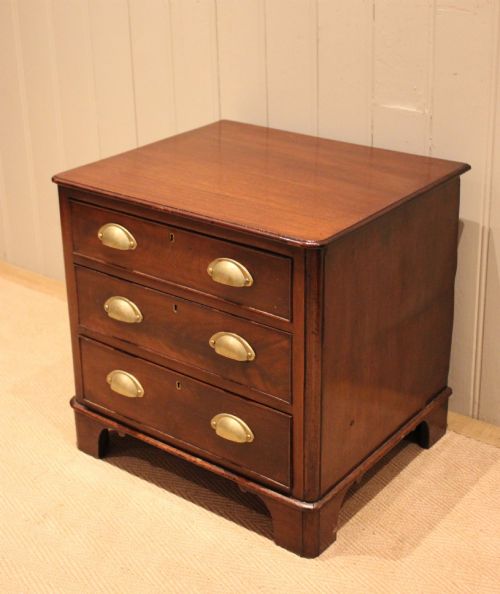
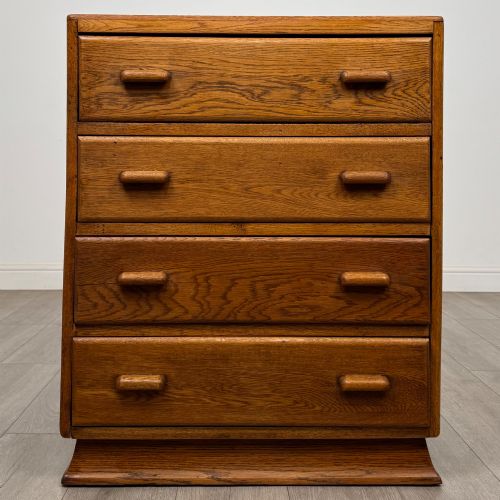
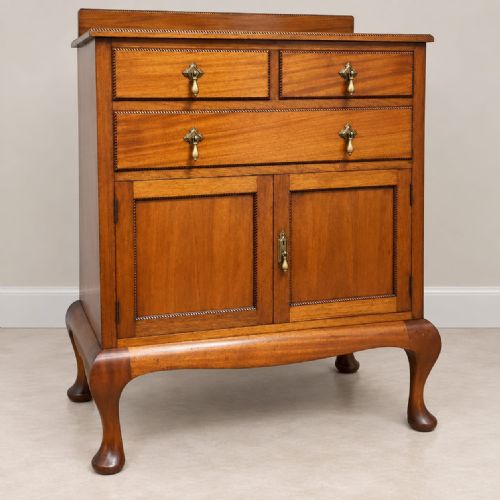
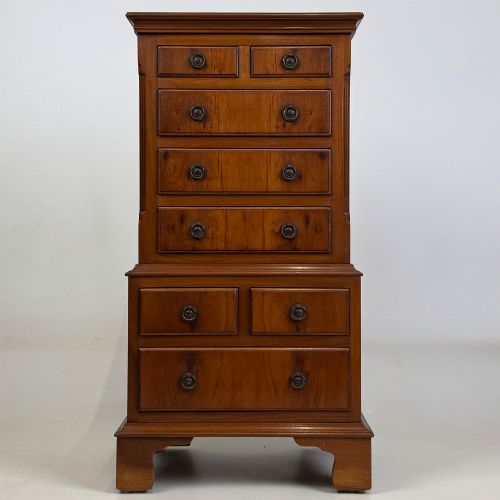
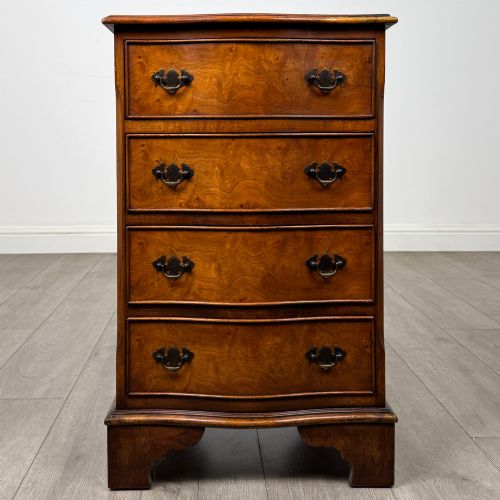
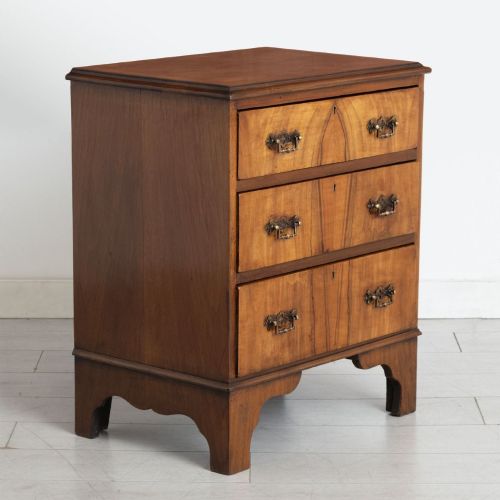
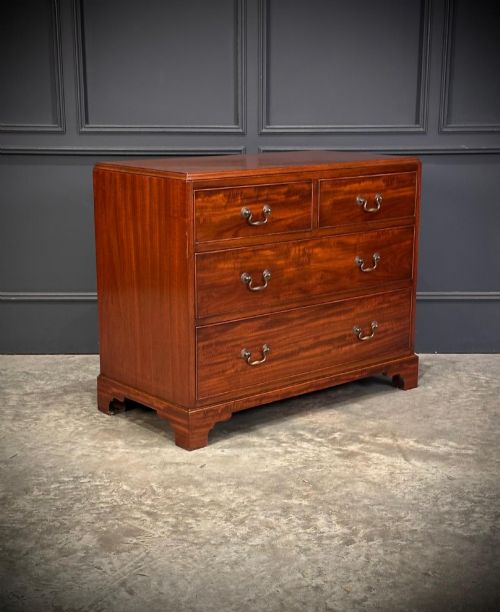
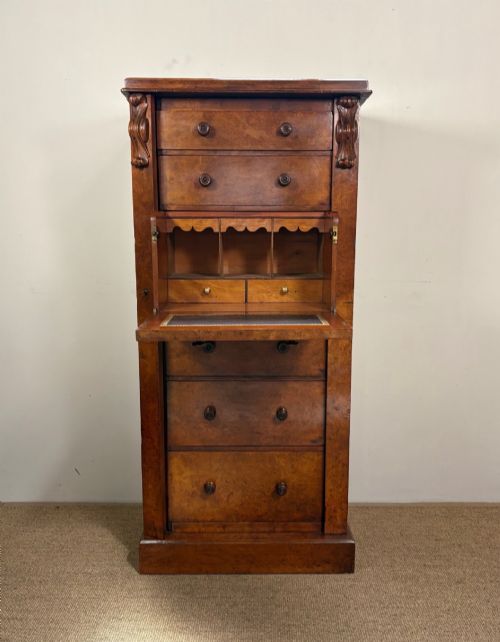
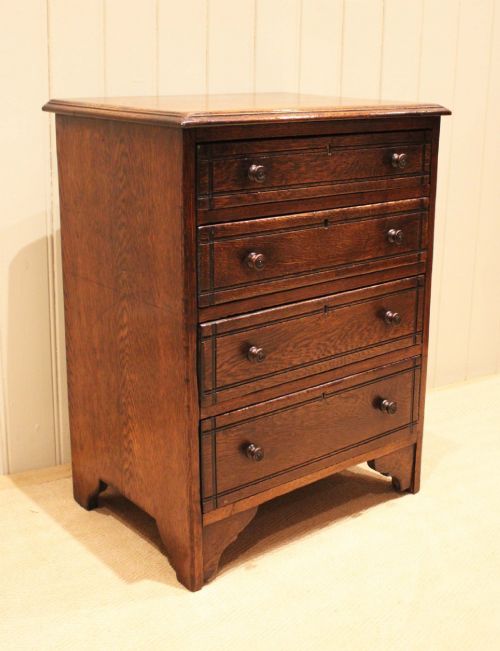
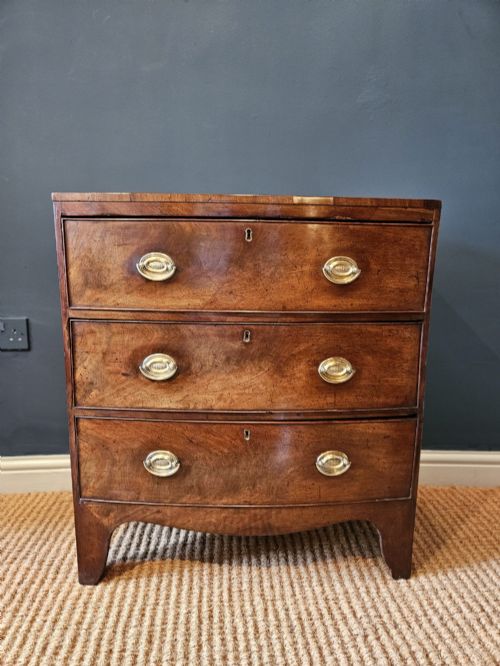
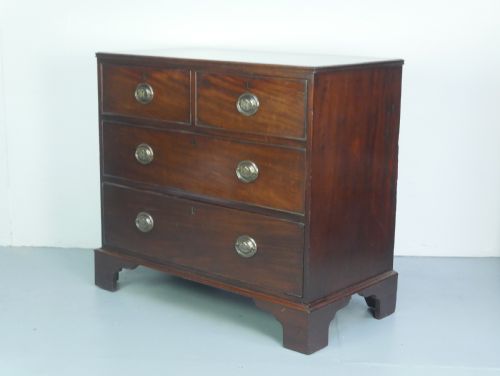
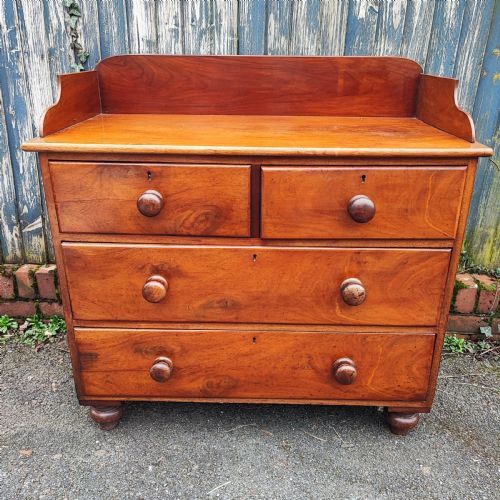
A compact wooden chest provides efficient storage while occupying minimal floor space in a room. The items found here include small chests of drawers, tallboys, bachelors chests, and Wellington chests dating from the seventeenth century through to the Edwardian period.
Mahogany and oak form the backbone of the selection, accompanied by walnut, yew, ash, and teak. Buyers most frequently encounter nineteenth-century and Edwardian examples featuring small proportions, narrow widths, or low profiles suited for modest spaces.
What varies in quality
Timber selection dictates the distinction between standard items and exceptional pieces. Highly figured grains, book-matched veneers, and choice cuts of Cuban mahogany or oyster olive wood elevate a piece significantly.
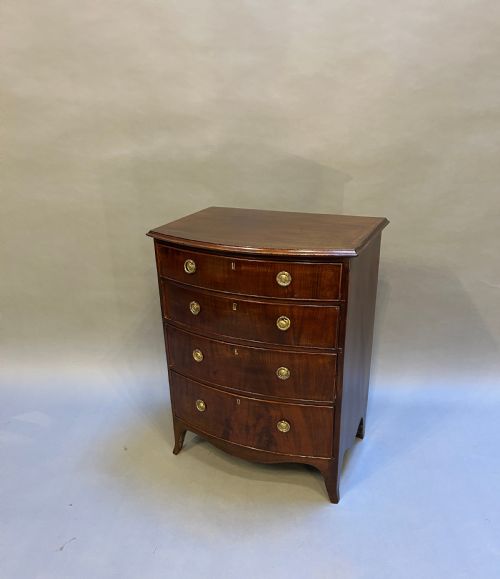
Proportion and cabinet-making refinement also determine worth. Neat, smaller scales, clean lines on serpentine or bow-front shapes, and integrated locking mechanisms like those on Wellington chests demonstrate superior workshop execution.
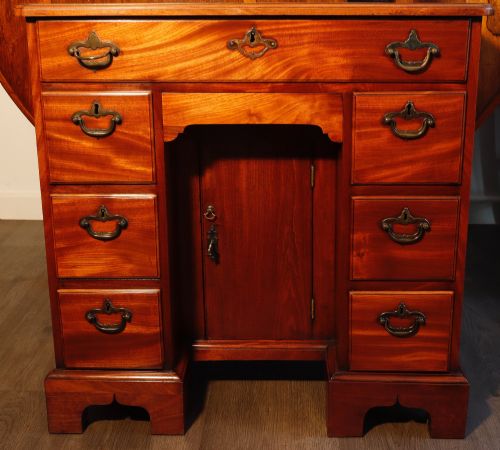
The listings span multiple centuries, incorporating oak, mahogany, walnut, and yew across forms like tallboys, bedside cabinets, and dressing tables.
Gillow of Lancaster
The Compact Wooden Chest Glossary
- Tallboy
- A tall chest of drawers, often constructed as one smaller chest stacked upon a larger base. These tall forms maximise vertical storage space.
- Wellington chest
- A tall, narrow chest of drawers secured by a hinged vertical locking bar on one side. This mechanism locks all drawers simultaneously with a single key.
- Bachelor's chest
- A small chest of drawers traditionally featuring a fold-over top to create a writing surface. They date primarily from the eighteenth century onwards.
- Bow front
- A convex curved cabinet front popular during the Georgian and Victorian periods. This shape softens the profile of a small chest.
- Serpentine front
- A cabinet front featuring an undulating contour that curves outward at the centre and inward at the sides. It requires advanced woodworking skill to execute.
Compact Wooden Chest: Frequently Asked Questions
Where should I place a compact wooden chest?
These small chests suit hallways, bedrooms, or tight alcoves where standard furniture overwhelms the floor plan. Their modest proportions allow them to function as bedside tables or accent pieces.
Ensure you measure the available depth and width carefully before placement, particularly with bow-front or serpentine models that extend further outward at the centre.
How do I identify a Georgian chest?
Georgian pieces display classical proportions, subtle cockbeading around drawer edges, and understated brass hardware. Timbers typically feature dense, rich mahogany or figured oak.
Examine the drawer sides for hand-cut dovetailing and check the backboards for age indicators such as pit-saw marks or hand-driven nails.
What is a Wellington chest used for?
A Wellington chest provides secure vertical storage across multiple shallow drawers. The locking side pilaster historically kept private papers or valuables safe.
Today, these narrow pieces serve well for storing accessories, jewellery, or smaller garments without consuming significant floor space.
Are these chests suitable for daily use?
Solid construction and traditional joinery make these pieces robust enough for everyday domestic use. Drawers glide on wooden runners that benefit from occasional waxing.
Treat the timber surfaces with care by avoiding direct sunlight and excessive moisture to preserve the antique polishes and veneers.