



Compact Folding Occasional Table
A compact folding occasional table offers practical surface space that tucks away neatly when not in use.

Compact Folding Occasional Table
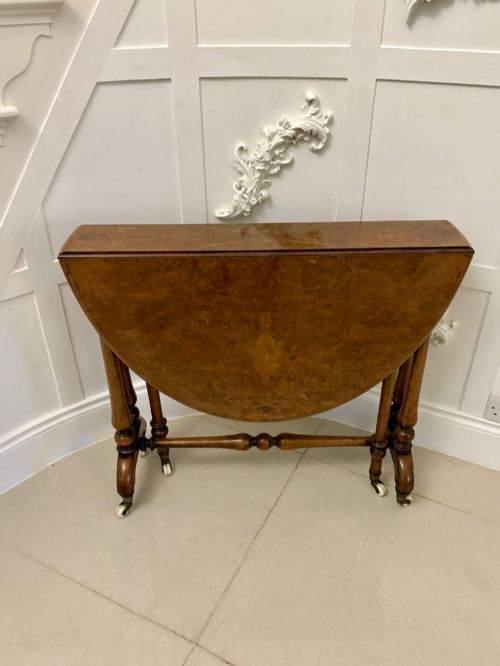
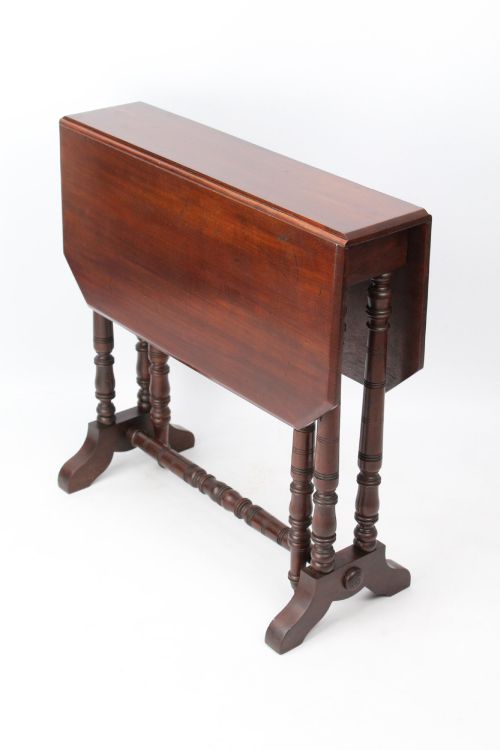
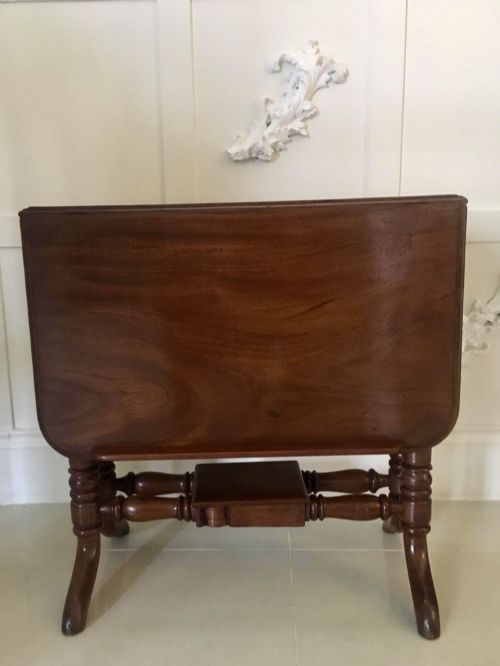
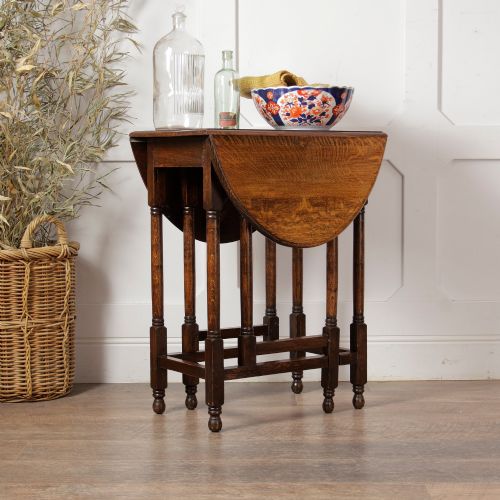
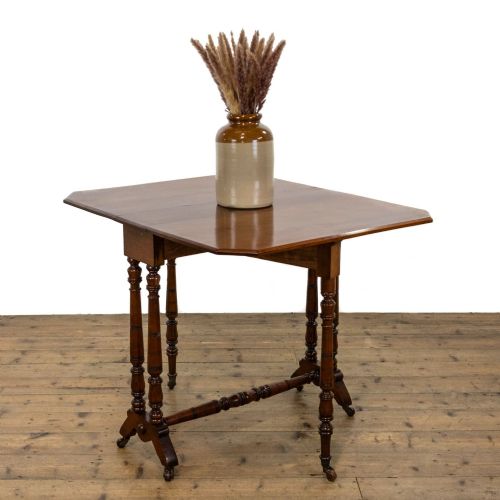
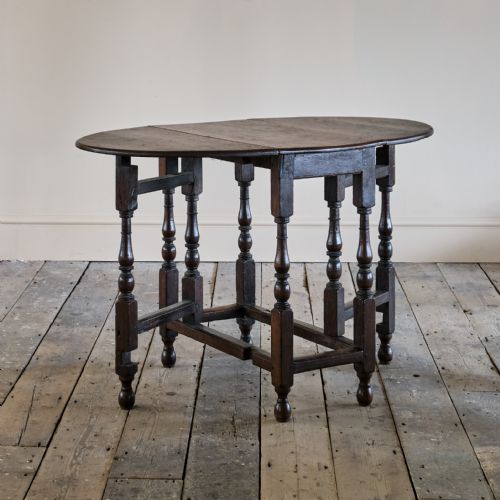
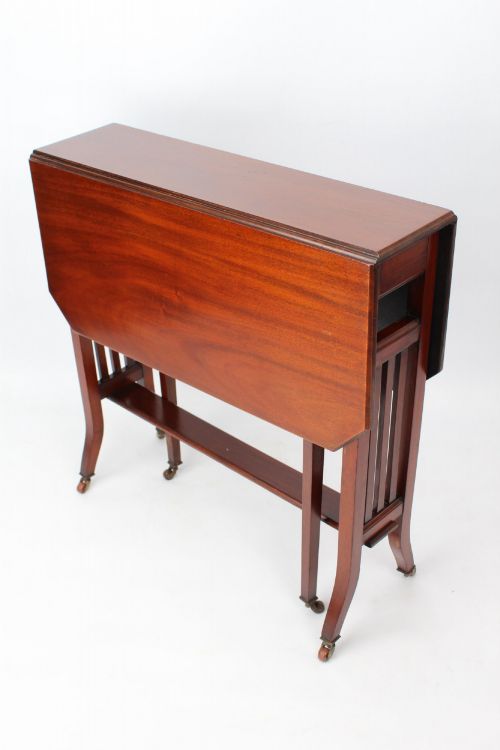
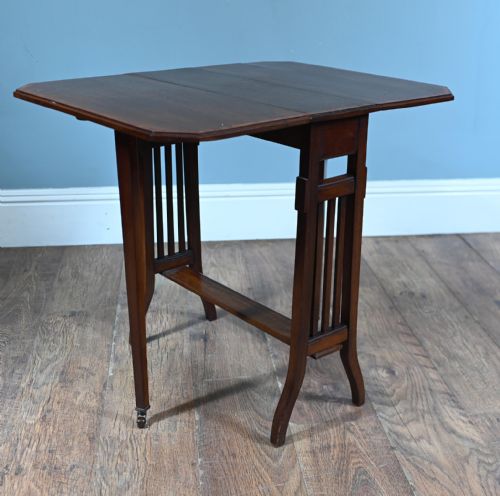
A compact folding occasional table serves as a flexible surface for tea, reading, or display in sitting rooms. Buyers seeking a compact folding occasional table typically encounter drop-leaf designs, particularly Sutherland tables and gateleg side tables from the Victorian and Edwardian periods.
How they were made
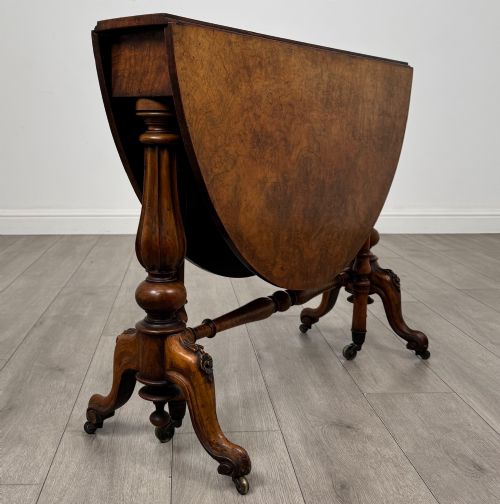
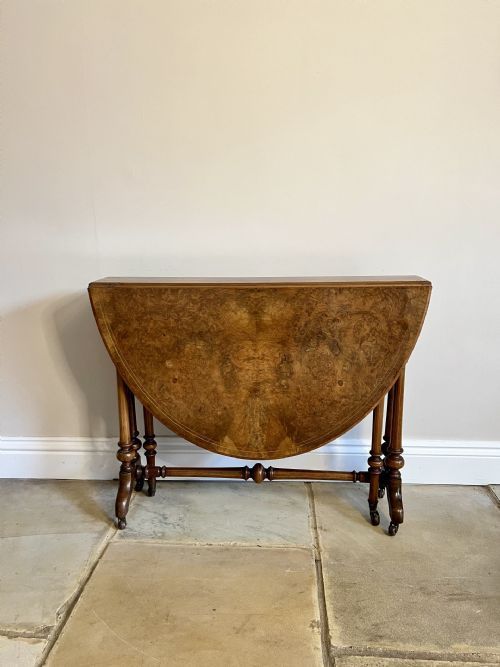
Cabinet makers utilised dense hardwoods such as mahogany and walnut, often selecting highly figured burr walnut veneers for top surfaces. Satinwood inlay and brass fittings appear frequently as decorative and functional elements on refined examples.
The drop-leaf and gateleg mechanisms rely on sturdy hinge construction and pivoting leg frames that fold flat against a central fixed top. Joinery techniques from the Victorian and Edwardian eras ensure stability despite the slim profiles of spider leg and Sutherland frames.
Listings span from the Victorian and Edwardian eras into the nineteen-twenties, showcasing mahogany, burr walnut, and oak.
What varies in quality
The choice of timber underpins the distinction between standard and superior pieces, with rich burr walnut veneers and finely figured mahogany representing the upper tier. Craftsmanship in the folding mechanism and the slenderness of the supporting spider legs also dictate the refinement of the piece.
Inlaid decoration and satinwood details elevate the visual interest of Edwardian examples, separating simple utilitarian items from salon-ready tea tables. Proportions matter significantly, with smaller baby Sutherland tables and double-tiered variations achieving greater desirability through their delicate scale.
Maple & Co
The Compact Folding Occasional Table Glossary
- Sutherland table
- A narrow-topped drop-leaf table with exceptionally slim gate legs that fold flat nearly parallel to the lowered leaves. This form became particularly popular during the Victorian era for its space-saving versatility.
- Gateleg table
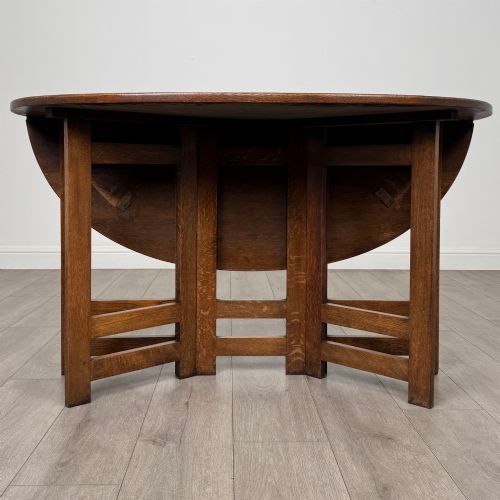
- A table with hinged leaves supported by legs that swing outward like a gate to hold the flaps in position. Examples in the listings span from oak seventeenth-century revivals to Edwardian mahogany versions.
- Spider leg
- A style of very slender, turned wooden legs often braced with fine stretchers, frequently seen on lightweight Victorian and Edwardian occasional tables. This design maximises legroom while keeping the frame exceptionally light.
- Burr walnut
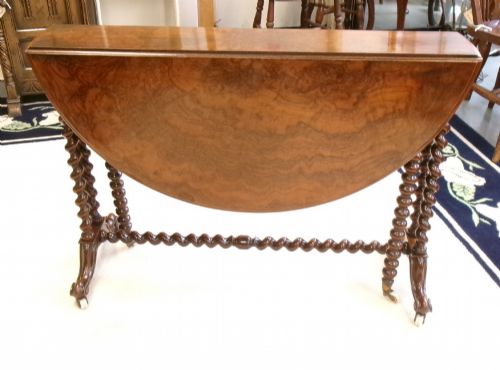
- A wood harvested from walnut tree growths, yielding intricate, swirling grain patterns highly prized by nineteenth-century cabinet makers. It frequently surfaces on the tabletops of formal Victorian examples.
- Drop leaf
- A hinged table section that can be lowered to reduce the footprint of the furniture when floor space is restricted. It defines the core functionality of the tables gathered here.
Compact Folding Occasional Table: Frequently Asked Questions
What is a Sutherland table?
A Sutherland table is a specific type of drop-leaf table featuring narrow central top boards and very wide leaves supported by swinging gate legs.
Victorian and Edwardian makers designed them to fold down into an exceptionally flat profile when not holding tea or books.
How do you fold a gateleg table?
To fold the table, you lift the drop leaf slightly to release any support catch and swing the pivoting leg inward toward the centre frame.
The leaves then drop down vertically on their hinges, allowing the entire piece to stand flat against a wall or tuck into an alcove.
Where were these tables used?
These tables served primarily in Victorian and Edwardian sitting rooms and drawing rooms as flexible surfaces for afternoon tea, reading, or needlework.
Their mobility allowed residents to reposition them easily depending on whether guests were visiting.
How do I date an Edwardian table?
Edwardian tables generally date from the period between nineteen hundred and nineteen ten, often displaying lighter timbers like satinwood or mahogany.
They frequently incorporate decorative inlay work and sleeker proportions compared to heavier mid-Victorian walnut pieces.