



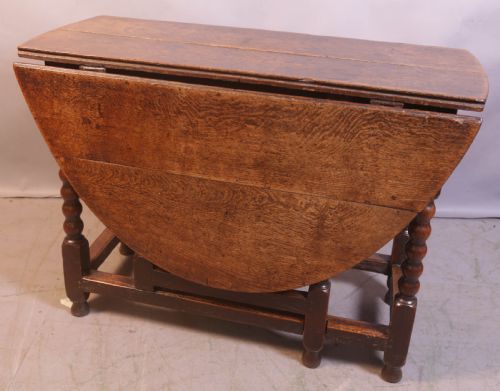


Small Wood Flap Table
These small wood flap table examples span centuries of clever joinery, offering folding leaves that turn compact furniture into useful surfaces for daily life.

Small Wood Flap Table
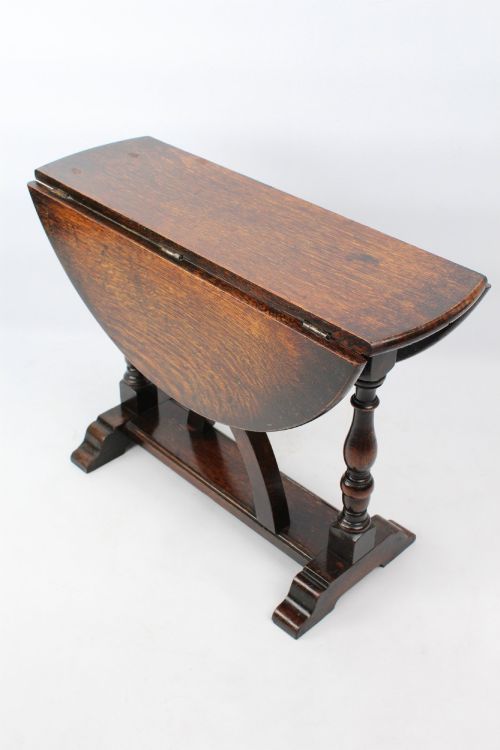
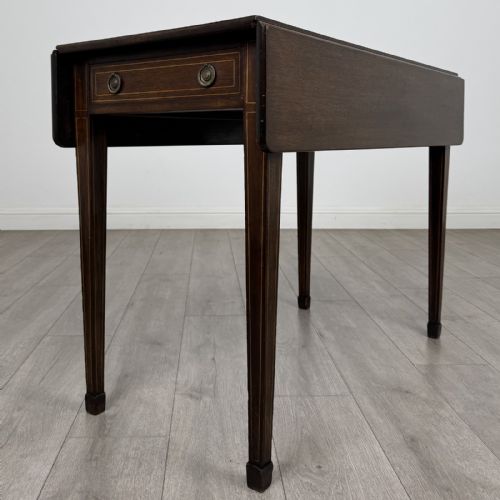
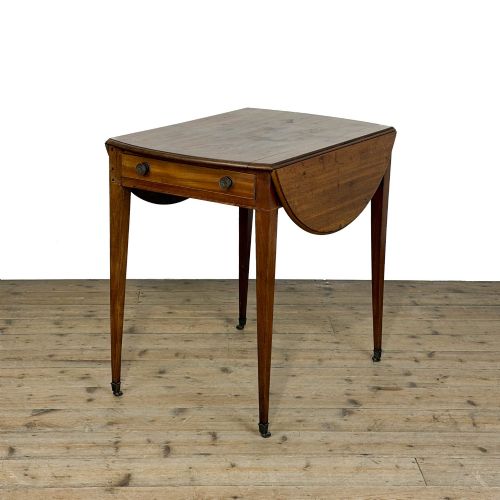
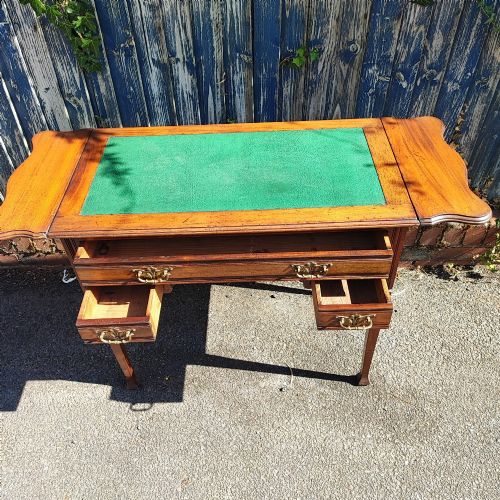
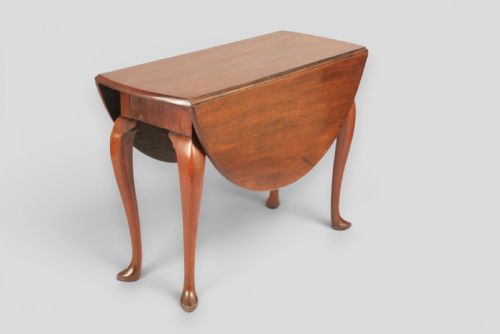
A small wood flap table combines hinged leaves with sturdy framing to provide expandable surface area in compact spaces. When searching for a small wood flap table, buyers encounter formats like Pembroke tables, Sutherland tables, and drop-leaf occasional tables spanning periods from the Georgian era through the Edwardian years.
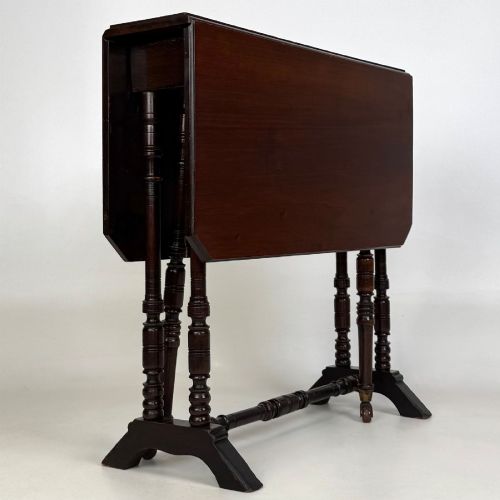
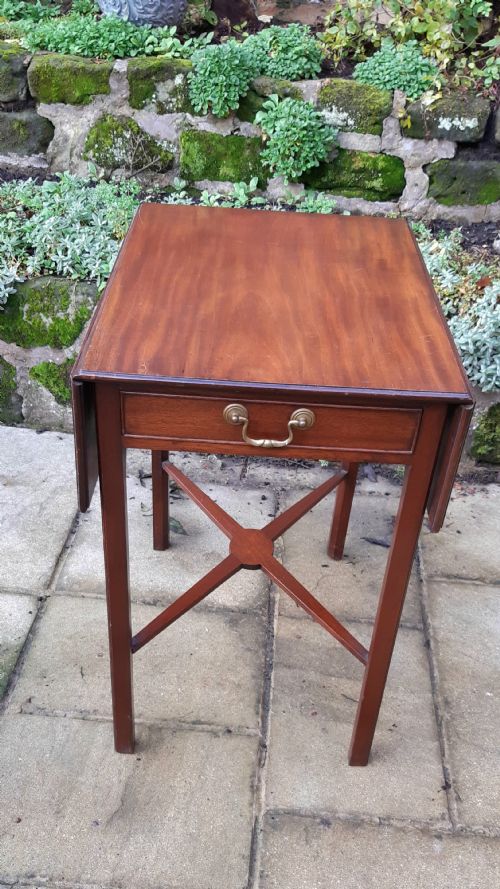
Mahogany and oak dominate the surviving examples, often built as Pembroke tables with single drop leaves or Sutherland tables featuring slender folding flaps. These pieces served diverse roles from dining to writing, utilising clever hinge mechanisms to drop away when floor space was required.
Materials and construction methods
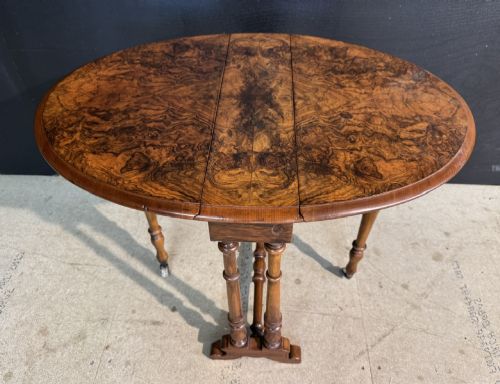
Cabinet makers utilised dense hardwoods including mahogany, walnut, oak, elm, and rosewood to construct these folding surfaces. Timber selection depended on the intended elegance of the piece, with burr walnut and inlaid mahogany reserved for refined drawing-room tables.
Joinery techniques focused on supporting the hinged flaps securely using swing legs, gatelegs, or bracket pivots. Brass fittings frequently reinforced hinges and castors, while turned legs or barley twist supports carried the weight of the dropping leaves.
Small Wood Flap Table Retail Price Guide 2026
Typical asking prices for small wood flap table among the pieces listed under this phrase on Sellingantiques today, from the lower quarter to the upper quarter. They describe what is for sale here now, not the wider market.
Listings feature woods like mahogany, burr walnut, oak, elm, and rosewood across Georgian, Victorian, and Edwardian periods.
Assessing quality in folding tables
Superior examples demonstrate seamless integration between the fixed top and the drop leaves, ensuring the grain aligns when fully extended. Finer pieces incorporate subtle crossbanding, string inlay, or carefully matched burr walnut veneers rather than plain secondary timbers.
The stability of the flap support mechanism determines the daily utility of the table. High-grade items operate smoothly on well-fitted brass hinges and solid pivot legs without sagging or rocking under weight.
Gillow
The Small Wood Flap Table Glossary
- Pembroke table
- A small occasional table featuring two hinged drop leaves on opposite sides, frequently fitted with a drawer. It emerged in the eighteenth century and remained popular through the Victorian period.
- Sutherland table
- A narrow drop-leaf table where the leaves comprise a very large proportion of the top surface, supported by folding gate legs. When lowered, the table stands in a remarkably compact vertical profile.
- Gate-leg table
- A table with hinged leaves supported by extra legs that swing out like a gate. This design provides robust support beneath folding flaps.
- Drop leaf
- A hinged panel attached to the edge of a table top that can be raised to increase surface area or lowered when not in use. It defines the core mechanics of these space-saving pieces.
- Barley twist
- A type of turning carved in a spiral resembling a twisted rope. This decorative woodworking style appears frequently on legs and supports of early twentieth-century tables.
Small Wood Flap Table: Frequently Asked Questions
How do I use a small wood flap table in a modern room?
These tables function well as bedside surfaces, lamp tables, or compact desks by keeping one or both leaves dropped against the wall. Raising the flaps provides extra room when guests arrive.
Their narrow footprint allows them to tuck into hallways or beside seating without dominating the floor plan.
Are drop leaf tables sturdy enough for daily dining?
Pembroke and breakfast tables built from solid mahogany or oak offer substantial strength for meals once the drop leaves are secured by their swing brackets.
Lighter occasional tables and miniature Sutherland models suit decorative items or writing better than heavy daily use.
How do I distinguish a Georgian pembroke table from a Victorian one?
Georgian versions generally exhibit restrained lines, tapered legs, and minimal ornamentation, focusing on the natural figure of mahogany or satinwood.
Victorian iterations often display heavier proportions, richer carving, turned legs, and occasionally elaborate inlay or burr walnut veneers.
What maintenance do antique wood flap tables need?
Protect the polished timber surfaces from direct heat and moisture by using coasters and mats beneath cups or vases. Regular dusting with a soft cloth maintains the natural lustre of the timber.
Check the brass hinges and pivot joints periodically to ensure the flap supports move freely without straining the wood.