


Commercial Cabinet
A commercial antique cabinet brings utilitarian retail history into domestic rooms with sturdy timber, generous glass, and functional banks of drawers.
Commercial Cabinet
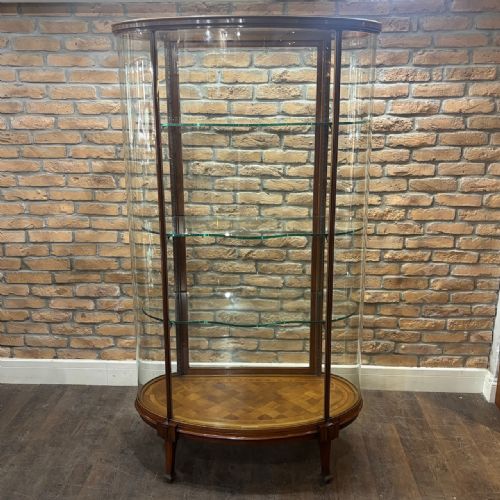
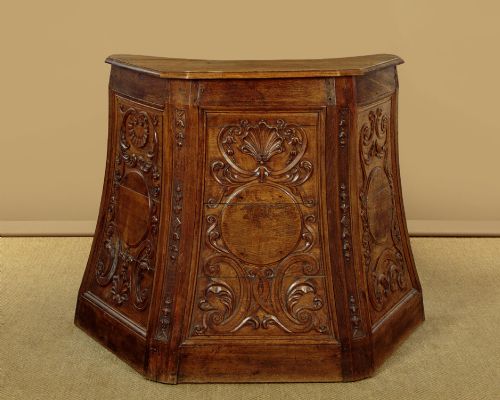
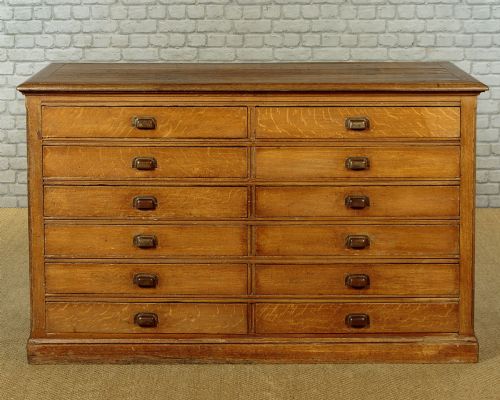
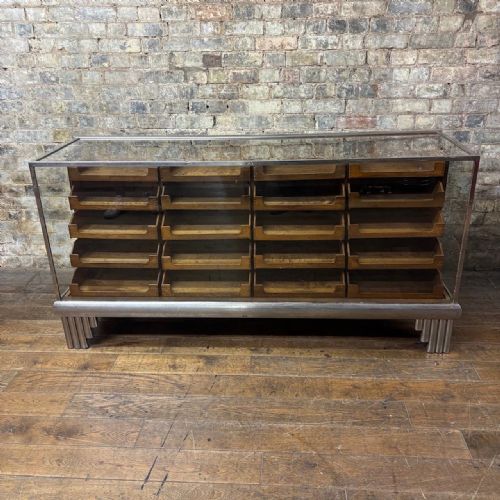
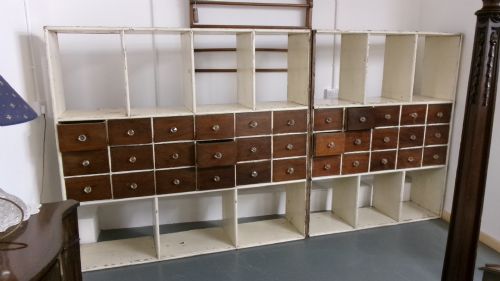
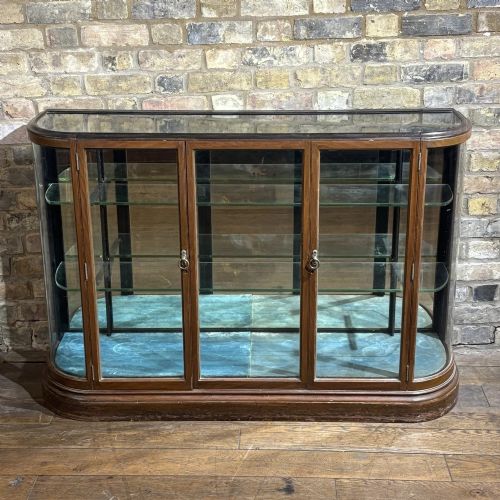
A commercial antique cabinet encompasses trade furniture built for Victorian and twentieth-century shops, pharmacies, banks, and offices. Buyers seek these pieces for practical storage and prominent display in modern homes. The selection here leans heavily towards glazed display cabinets, haberdashery counters, and multi-drawer filing units.
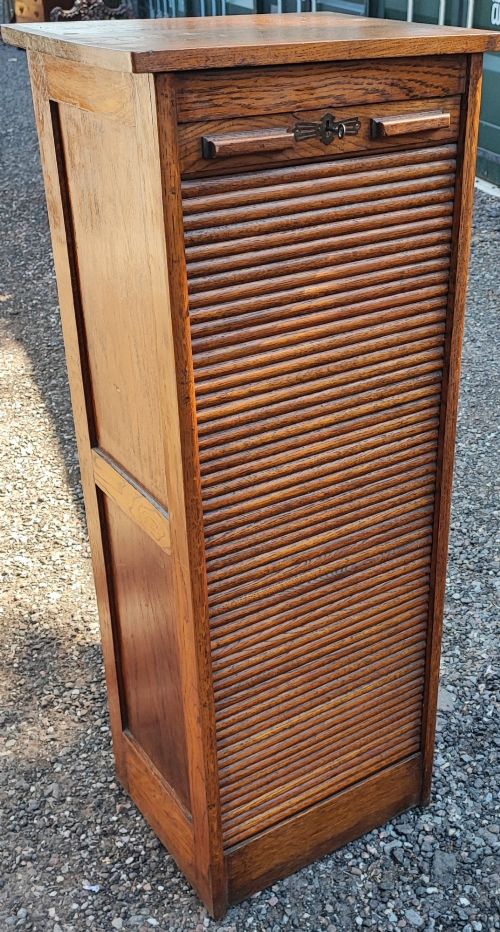
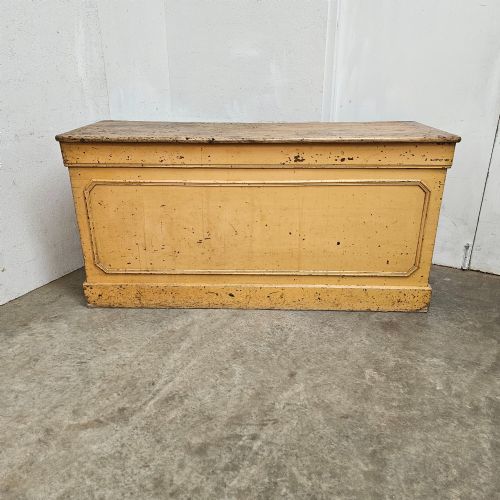
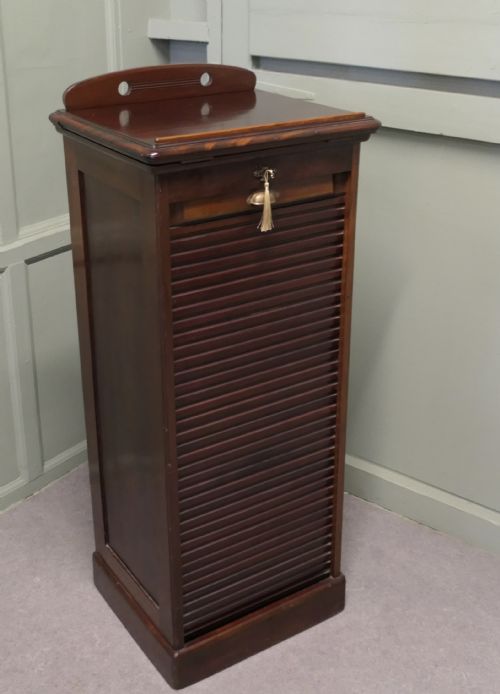
Forms span from large bow-end shop counters and tambour front file cabinets to countertop needle drawer units and wall display cases. Origins trace back to commercial makers and shopfitters who designed furniture for rigorous daily retail use. This industrial pedigree ensures robust construction that easily suits contemporary hallways, kitchens, and living spaces.
The aesthetic merges austere practicality with handsome timber frames, brass hardware, and clear glass panels. Pieces range from late nineteenth-century chemist fittings to Art Deco sweet shop cabinets made by confectionery brands. Each item retains the specific functional character demanded by its original trade context.
Materials and Construction
Makers utilised dense timbers like solid mahogany and oak to withstand heavy commercial demands, frequently pairing them with pine or metal internal framing. Glass panels, whether flat or curved in bow-end designs, permitted clear merchandising while protecting contents from dust and handling.
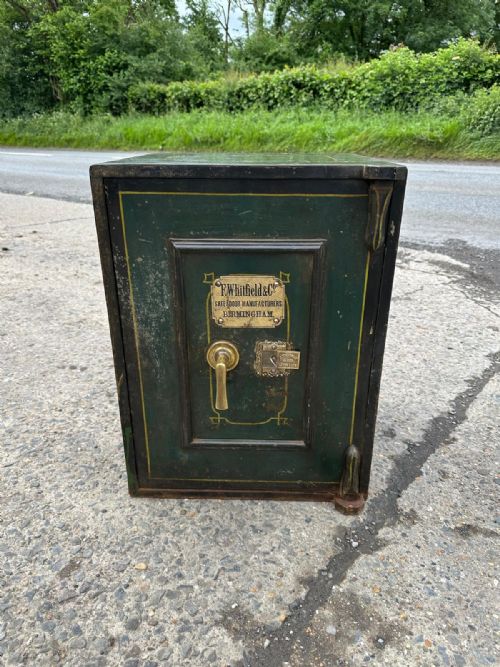
Hardware played a crucial structural role, incorporating brass strips, aluminium frames, and iron fittings alongside specialised mechanisms like tambour shutters and patent letter filing systems. Joinery was built for longevity, utilising deep bank of drawer construction and heavy framing to support continuous daily operation.
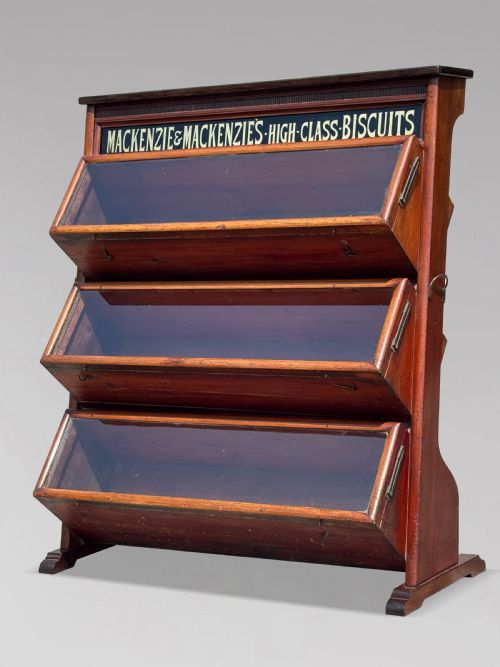
Surface treatments varied from polished mahogany and waxed oak to original painted finishes and hand sign-written retail branding. Metal components such as chrome handles and brass label holders added both functional utility and structural reinforcement to high-wear areas.
Listings feature commercial cabinets spanning the Victorian era through the 1930s, utilising mahogany, oak, pine, and aluminum.
Judging Quality
Quality rests in the integrity of the original trade fittings, the weight of the timber, and the crispness of maker signatures or brass badges. Superior examples retain untouched hardware, original glass panels, and the authentic patina of active commercial use.
F. Sage & Co·Dudley & Co·F. Whitfield & Co·John Stow Ltd·Manoah Rhodes & Sons Ltd·Saml. Elliott & Sons
The Commercial Cabinet Glossary
- Haberdashery cabinet
- A specialised multi-drawer shop unit traditionally used for storing ribbons, cottons, and sewing accessories. These pieces typically feature narrow glazed drawers or glass-fronted pull-outs designed for quick inventory browsing.
- Tambour front
- A flexible sliding door shutter constructed from narrow vertical strips of wood glued to a canvas backing. This mechanism allows smooth access to filing cabinets and desks without requiring clearance for swinging doors.
- Bank of drawers
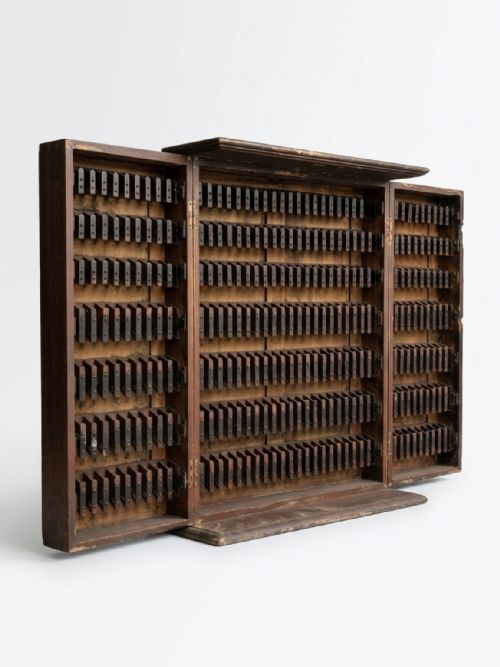
- An assembly of multiple small or medium drawers arranged in a grid formation. Commercial iterations were built to sort railway tickets, pharmacy items, letters, or hardware.
- Shop fitting
- Custom-built interior furniture and counters manufactured for retail premises by specialised outfitters. These items were designed to coordinate across an entire shop interior.
Commercial Cabinet: Frequently Asked Questions
What were commercial antique cabinets used for?
These cabinets served functional roles in Victorian and twentieth-century shops, offices, and banks. They stored merchandise, sorted documents, and displayed goods to customers.
Retailers utilised specialised units like haberdashery drawers for textiles, chemist banks for medicines, and glazed counters for confectionery or tobacco.
How do I style a shop counter at home?
Commercial counters work exceptionally well as kitchen islands, hallway consoles, or living room display surfaces. Their generous proportions and glazed compartments provide practical storage while showcasing decorative objects.
Pairing the weathered timber or painted finish with modern interiors creates a striking visual contrast that highlights the history of the piece.
Are advertising cabinets genuine period pieces?
Original advertising cabinets were manufactured for brands like Fry's, Cadbury, and Rowntree's to promote confectionary directly on shop countertops. They feature authentic branded glass, brass badges, or painted lettering.
These promotional display cases were produced in specific eras to encourage point-of-sale purchases and remain sought-after examples of retail history.