

Colonial Indian Tripod Table
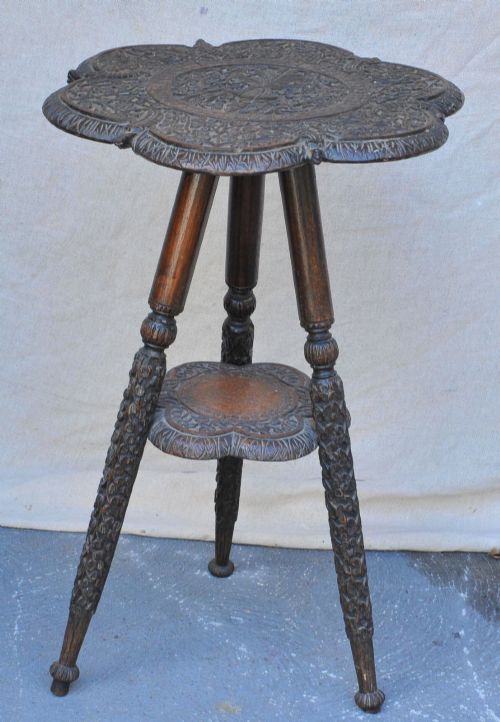
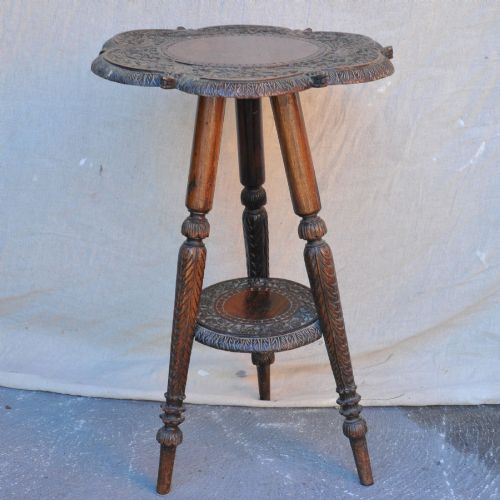
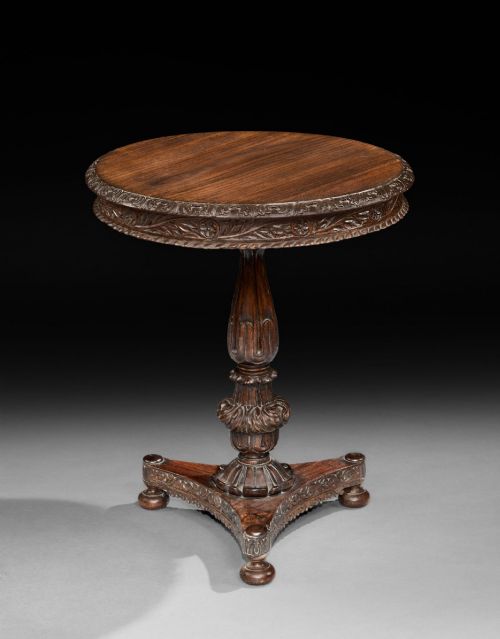
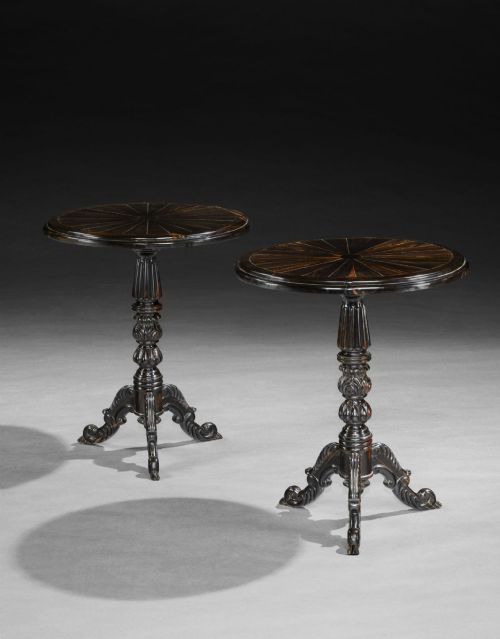
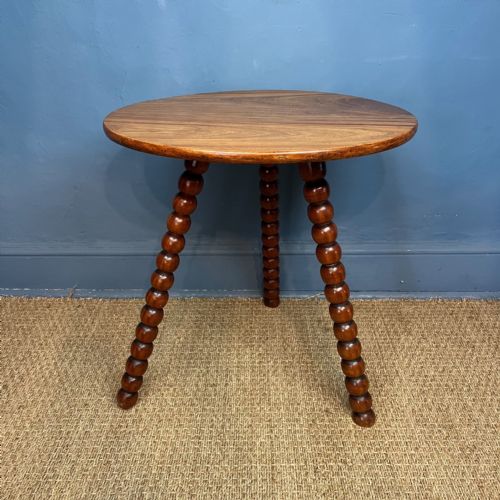
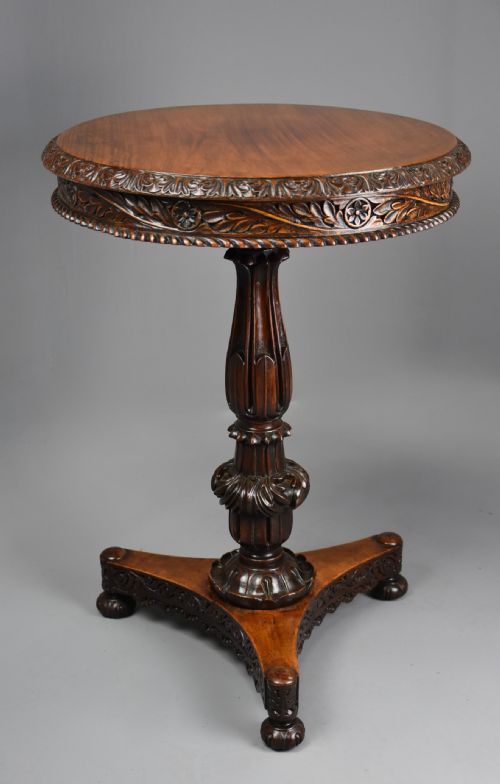
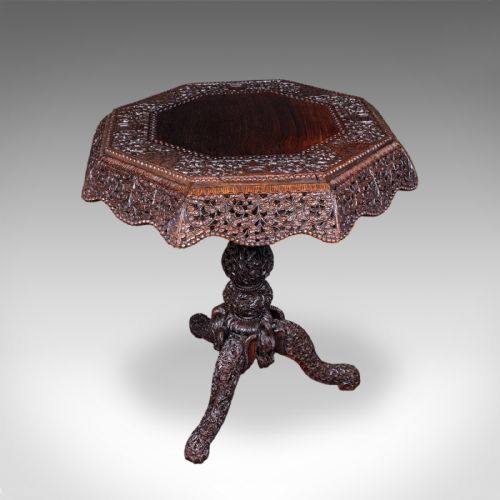
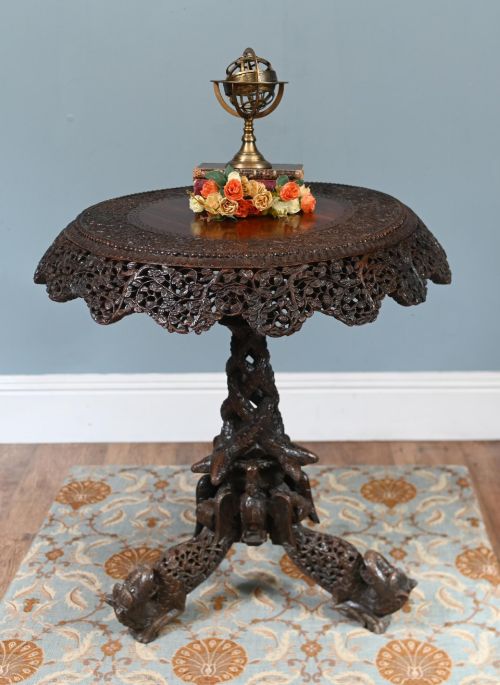
A colonial indian tripod table brings dense regional timbers and intricate hand-carved surfaces into a domestic interior.
Colonial Indian Tripod Table
A colonial indian tripod table combines British furniture forms of the nineteenth century with native woodworking traditions from the subcontinent and surrounding regions. The listings on this page include side tables, occasional tables, tilt-top tables, plant stands, centre tables, and work tables.
Most examples date from the nineteenth century and the Victorian era, reaching into the early twentieth century. These pieces originate from various regions including Ceylon, Burma, and the Bombay presidency, reflecting diverse local craftsmanship.
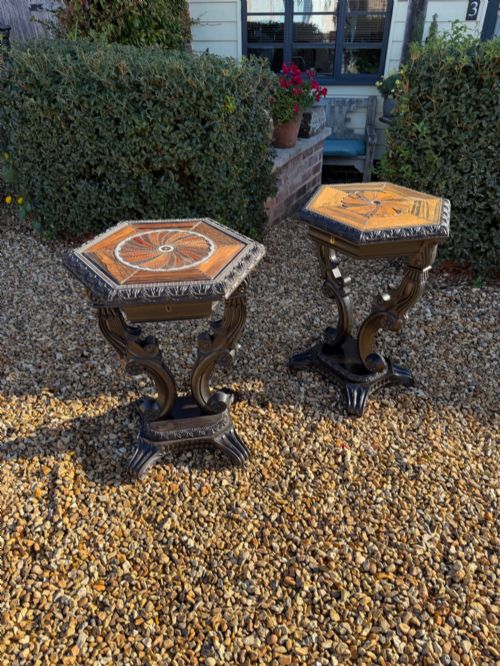
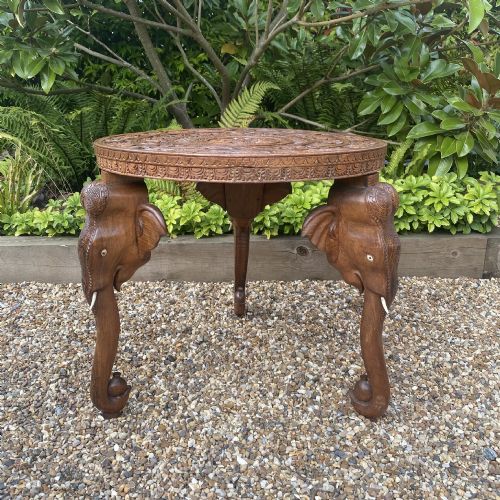
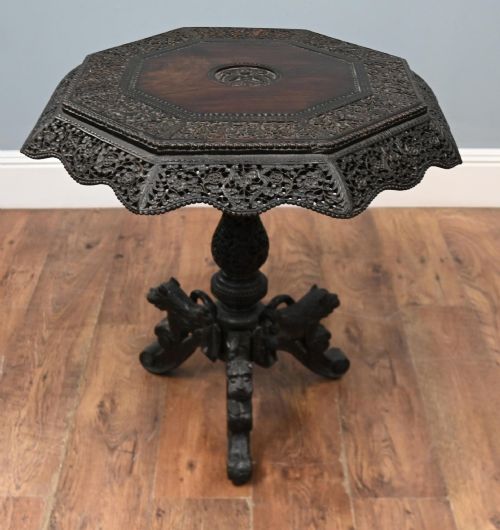
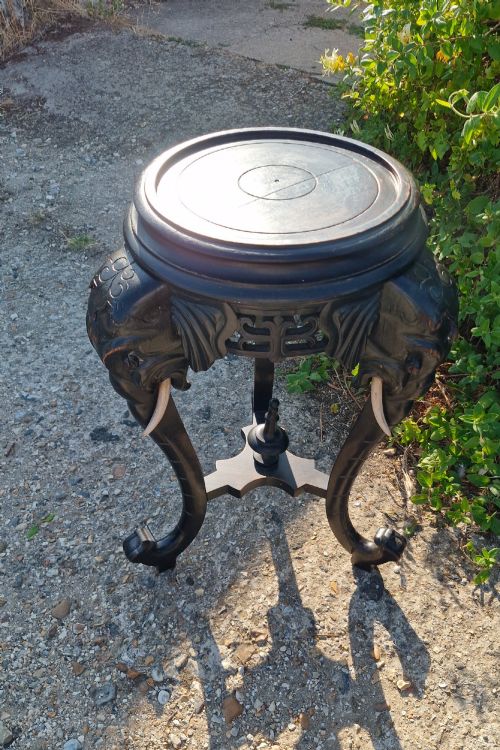
Forms range from simple circular occasional surfaces to elaborate elephant tables supported by carved animal figures. Tilt-top mechanisms and pedestal bases appear frequently across the selection.
Materials and construction
Workshops utilised dense tropical hardwoods such as teak, padouk, rosewood, ebony, and satinwood, selected for their stability and capacity for deep relief carving. Specimen wood combinations and exotic timber pairings also occur in regional pieces.
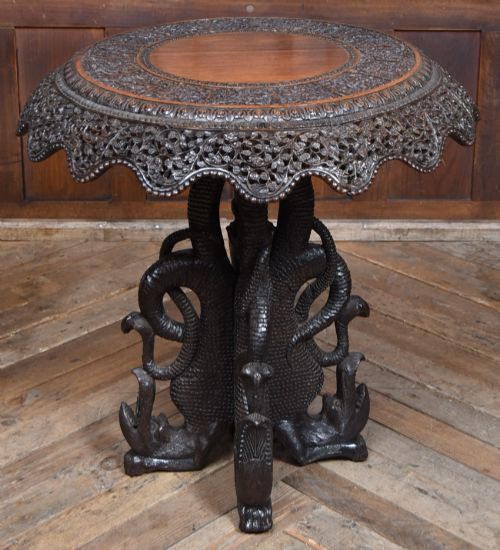
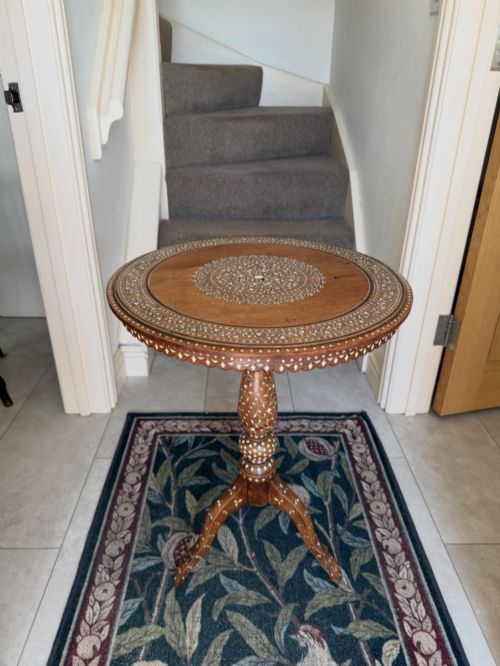
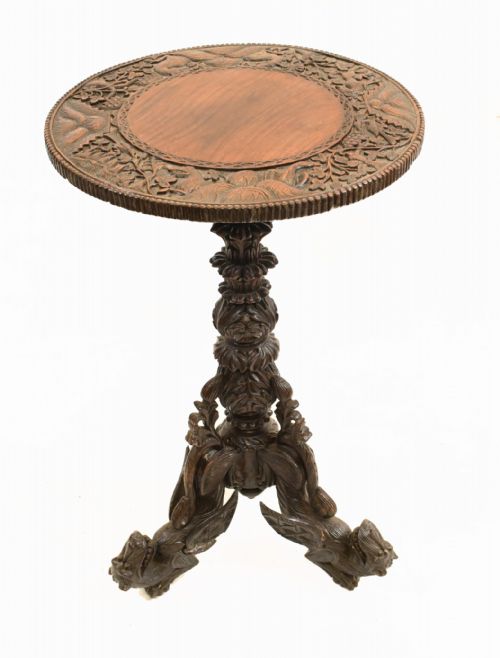
Surface decoration relies on extensive hand-carving executed in dense floral patterns, scrolling foliage, and figural motifs. Selected tables incorporate contrasting materials such as bone and bone inlay to highlight specific details.
Colonial Indian Tripod Table Retail Price Guide 2026
Typical asking prices for colonial indian tripod table among the pieces listed under this phrase on Sellingantiques today, from the lower quarter to the upper quarter. They describe what is for sale here now, not the wider market.
Recorded forms span the nineteenth century and extend into the nineteen-twenties, incorporating tilt-top mechanisms and pedestal bases.
The spectrum of quality
Quality rests upon the crispness and depth of the hand-carving across the timber surface. Superior examples maintain sharp relief details in dense woods like ebony or padouk, whereas lesser pieces display softer contours and shallower incisions.
The choice of material heavily dictates the grade of the piece, with solid exotic timbers and intricate bone inlay marking out the more ambitious workshops. Structural integrity of the tripod base and the seamless operation of tilt-top mechanisms also separate standard items from finer productions.
The Colonial Indian Tripod Table Glossary
- Tripod table
- A small freestanding table supported by a pillar above three legs. This form gained popularity for its portability and versatility in nineteenth-century interiors.
- Tilt-top table
- A table with a hinged top that folds vertical when not in use. This mechanism allowed the furniture to stand flat against a wall to save space.
- Padouk
- A heavy tropical hardwood valued for its reddish-brown colour and durability. Workshops utilised this timber extensively for carved colonial furniture.
- Hoshiarpur
- A North Indian centre known for intricate woodwork and inlay techniques. Pieces from this region often feature dense geometric or floral patterns.
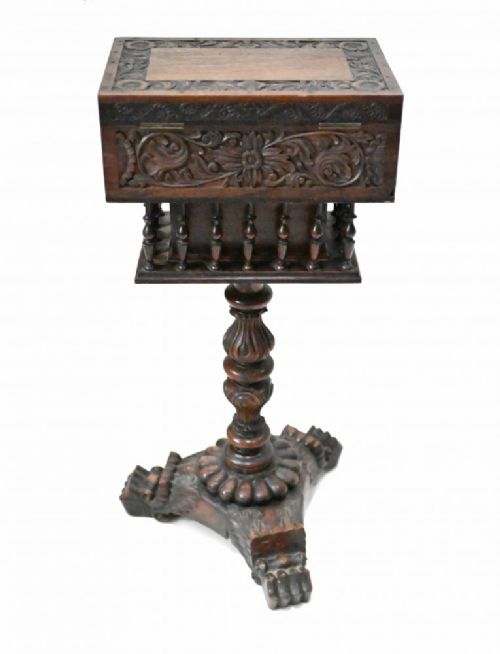
- Teapoy
- A small occasional table traditionally used for serving tea. The form adapted into various occasional and coffee table designs during the colonial period.
Colonial Indian Tripod Table: Frequently Asked Questions
What is a colonial indian tripod table?
A colonial indian tripod table is a nineteenth-century occasional table that merges British furniture shapes with traditional Asian woodworking. These pieces typically feature a central pedestal supported by three legs.
Craftsmen in regions such as Burma, Ceylon, and India produced these tables using dense local hardwoods and intricate hand-carved ornamentation.
How were these tables used originally?
These tables served various domestic functions in colonial households and British drawing rooms. They acted as surfaces for tea service, lamps, books, or decorative plants.
Tilt-top variants provided the added convenience of folding flat to clear floor space when the room was required for other activities.
How do I care for exotic timber furniture?
Maintain these tables by keeping them away from direct sunlight and sudden temperature shifts which can split dense hardwoods. Dust them regularly with a dry cloth rather than applying heavy liquid polishes.
Treat inlaid bone sections with particular care to prevent moisture damage or loosening of the decorative elements over time.
How can I tell different regional styles apart?
Regional styles emerge through timber choices and specific carving motifs. Ceylonese pieces frequently employ dark ebony or satinwood, while Burmese and Indian workshops rely heavily on teak and padouk.
Figural elements like elephant heads point towards specific Indian workshops, whereas intricate geometric bone inlay often indicates North Indian production from centres like Hoshiarpur.