


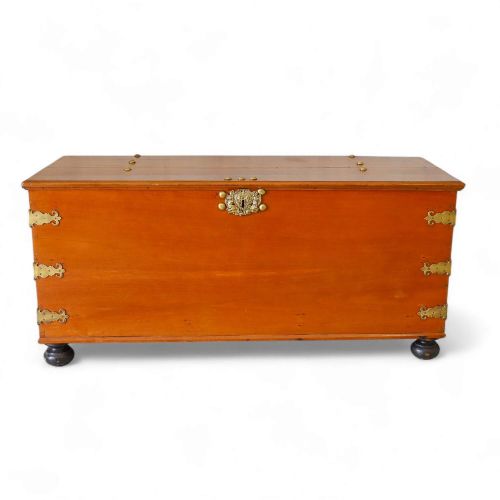
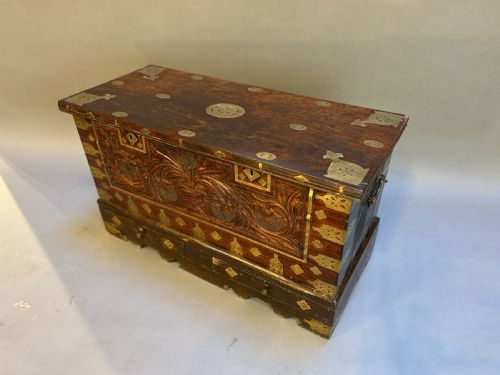
Colonial Blanket Box
A colonial blanket box offers sturdy storage built for travel across distant shores, combining utilitarian function with rich imported timbers.
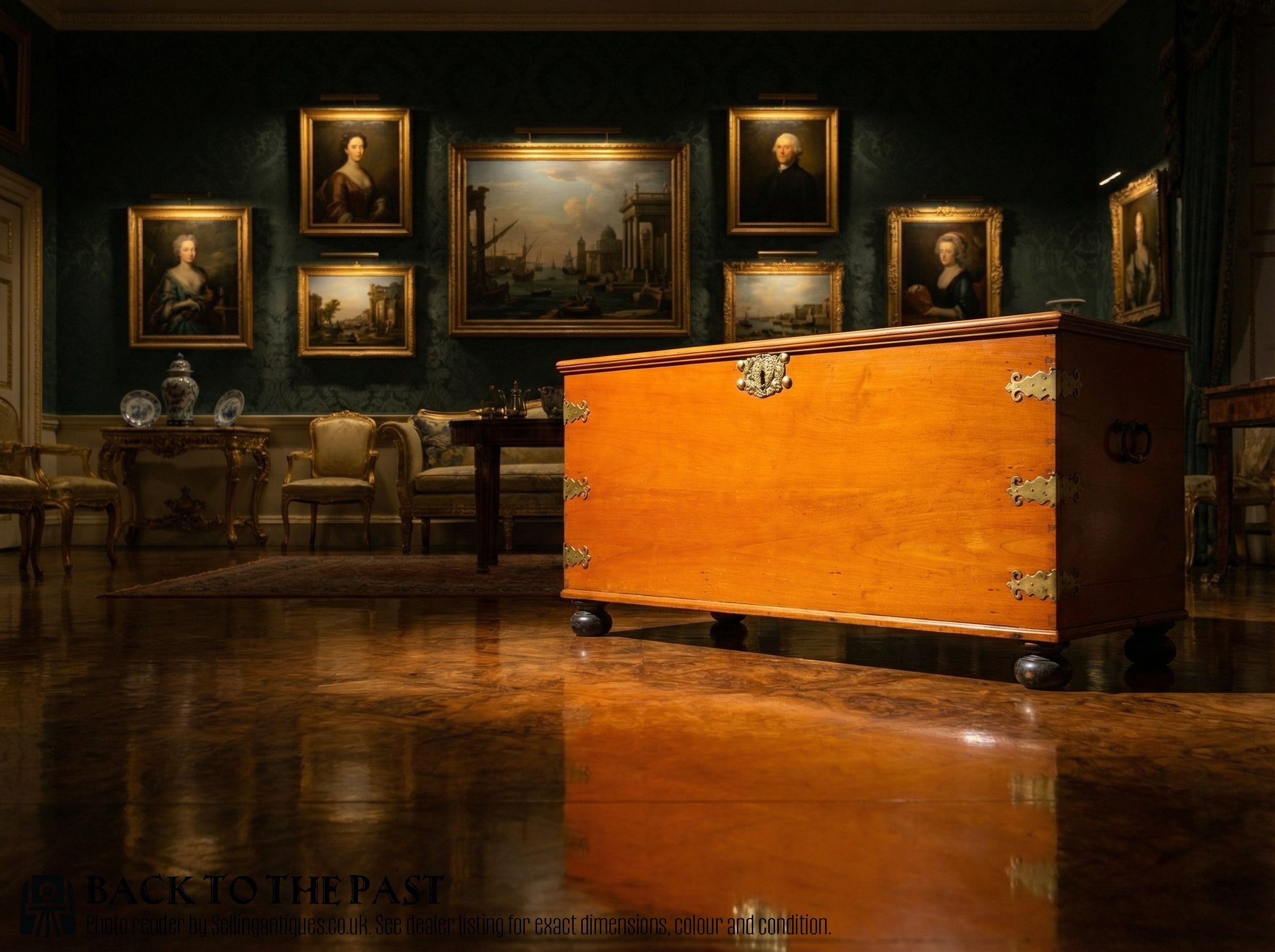
Colonial Blanket Box
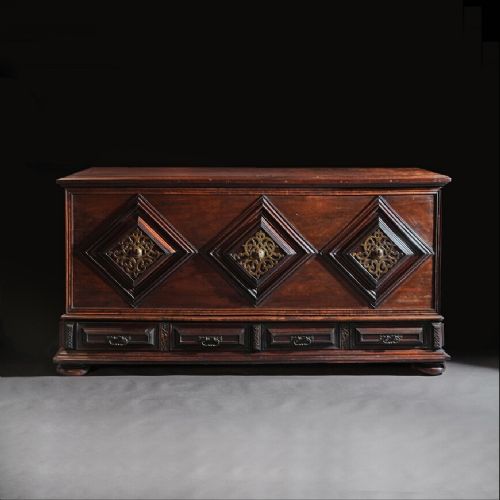
A colonial blanket box serves as a robust storage chest designed to protect textiles and valuables during long maritime journeys. These pieces emerge from various global trade routes, spanning Dutch, Spanish, Portuguese, and Anglo-Indian influences.
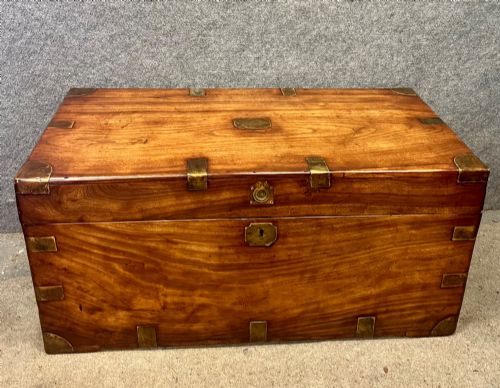
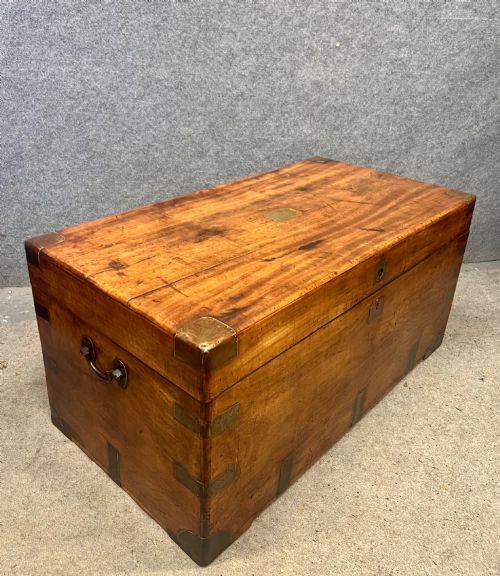
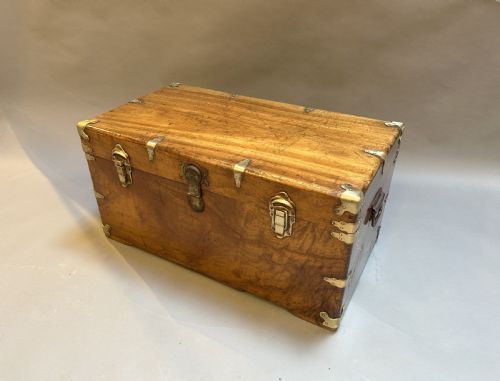
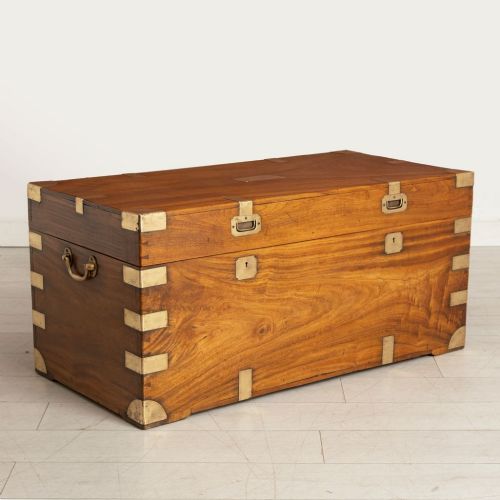
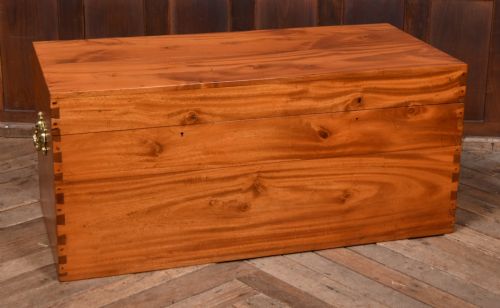
The version most commonly encountered on this page is the camphor wood or teak trunk from the nineteenth century, often bound in brass for durability. These chests combine utilitarian strength with the dense grain of exotic hardwoods sourced across the empire.
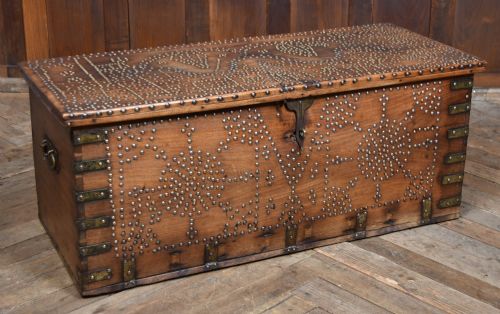
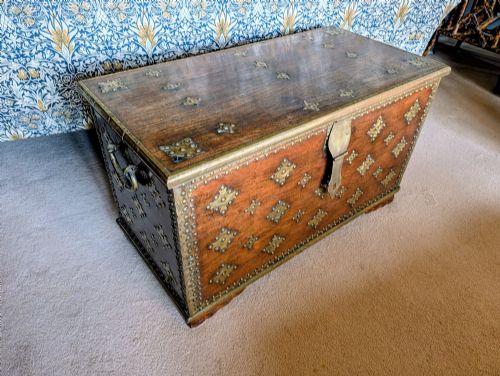
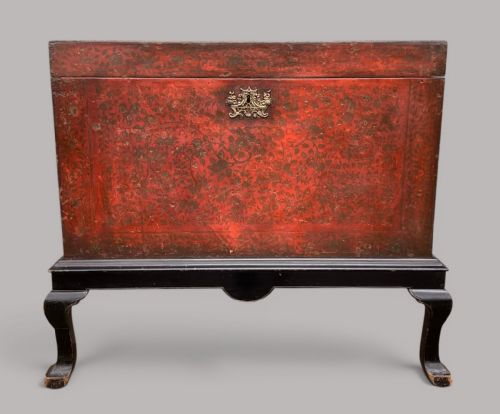
Makers shaped these trunks for portability and climate resistance, frequently utilising camphor wood to deter insects from stored garments. The forms range from plain merchant trunks to heavily decorated Zanzibar and campaign chests fitted with metal hardware.
Materials and construction
Carpenters constructed these trunks from durable tropical timbers such as camphor wood, teak, padouk, and walnut, chosen for their resilience against humidity and pests. These woods frequently display deep natural tones and heavy grains that withstand decades of use.
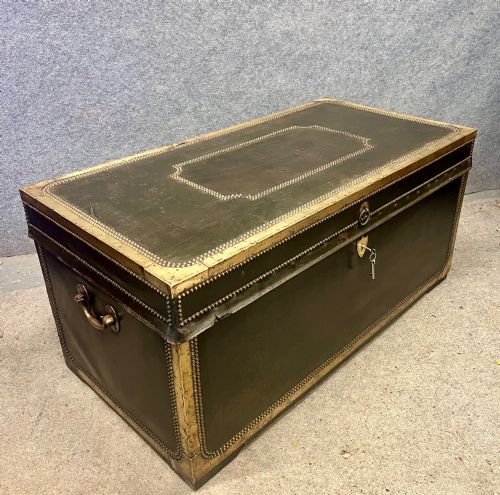
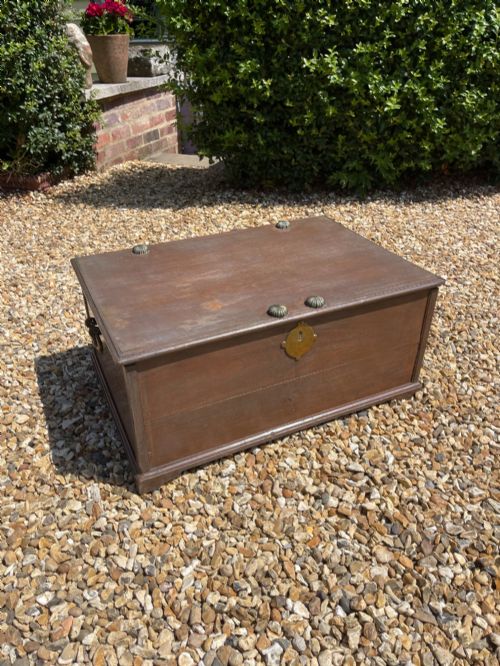
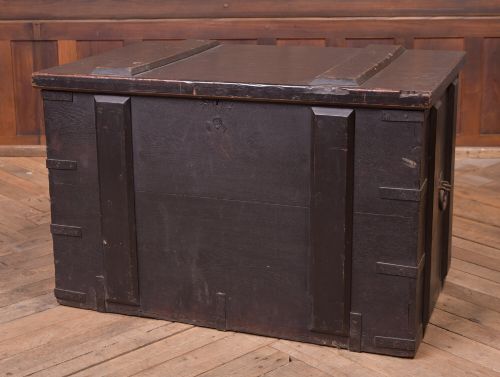
Metal reinforcement defines the construction, utilising brass corners, straps, and heavy mounts to protect the edges during transit. Iron studs and leather coverings also appear on Spanish and Portuguese variants, securing the heavy panels together.
Joinery focused on structural integrity, employing reinforced corners and sturdy recessed carrying handles suited for military officers and merchants on the move. Internal compartments and fitted tills occasionally provide extra organisation within the primary cavity.
Listings feature camphor wood, teak, padouk, and walnut timbers alongside brass and iron hardware across multiple centuries.
Distinctions in craftsmanship
Quality rests primarily in the selection of timber and the complexity of the brass mountings rather than simple age alone. Heavy gauge brass hardware and intricately pierced plates separate finer campaign and Zanzibar chests from plain utility trunks.
The integrity of the secondary woods and the retention of original interior fittings mark the distinction between standard travel pieces and superior examples. Dovetail precision and the condition of the camphor or teak panels dictate the overall structural standard.
The Colonial Blanket Box Glossary
- Camphor wood
- A fragrant timber native to Asia, prized for its insect-repellent properties and distinct aroma. It forms the body of many travel trunks.
- Campaign trunk
- A portable chest built in sections or fitted with recessed handles for military officers on active service. These pieces prioritize strength and modular transport.
- Padouk
- A heavy, dense exotic hardwood displaying rich reddish-brown hues, utilised in high-grade colonial furniture and strong boxes.
- Zanzibar chest
- An ornate storage box featuring elaborate brass studwork and strap hinges reflecting East African and Indian trade connections.
Colonial Blanket Box: Frequently Asked Questions
What is a colonial blanket box?
A colonial blanket box is a heavy storage chest constructed overseas during the eras of maritime trade and European expansion. They were built from durable regional timbers to transport and protect textiles.
These pieces reflect diverse cultural influences including Anglo-Indian, Dutch colonial, and Spanish designs, frequently featuring metal mounts for transit.
How do I identify camphor wood?
Camphor wood is identified by its distinct, medicinal aroma and pale to medium brown grain that darkens with age. It resists insect damage effectively.
Many nineteenth-century trunks use this timber specifically to protect stored blankets and woollens from moths during transit in humid climates.
Were these chests used by the military?
Many campaign trunks were specifically manufactured for military officers and colonial administrators who required portable furniture on active service. They feature robust iron or brass hardware.
Recessed carrying handles and reinforced corners allowed these chests to endure frequent loading onto ships and carriages.
How do I care for a teak trunk?
Teak requires minimal maintenance due to its natural oils, needing only occasional dusting with a dry cloth. Avoid placing the chest near direct heat sources.
Keeping the timber away from extreme humidity fluctuations prevents the wood panels and brass mounts from shifting over time.