
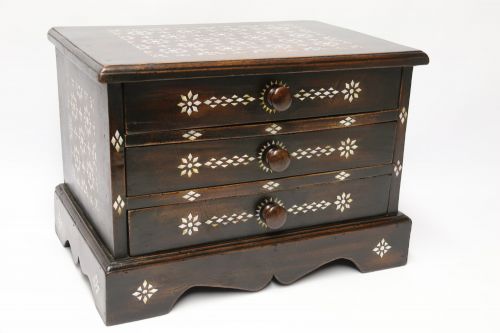
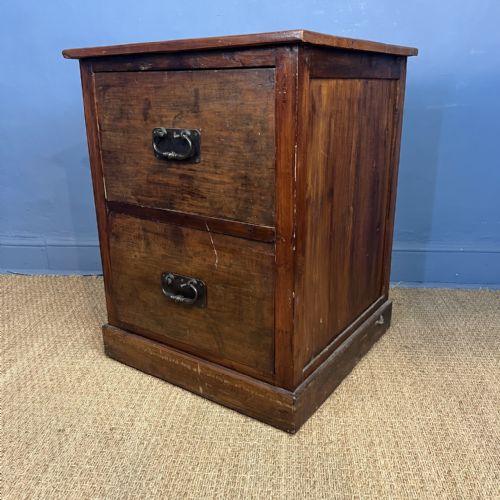
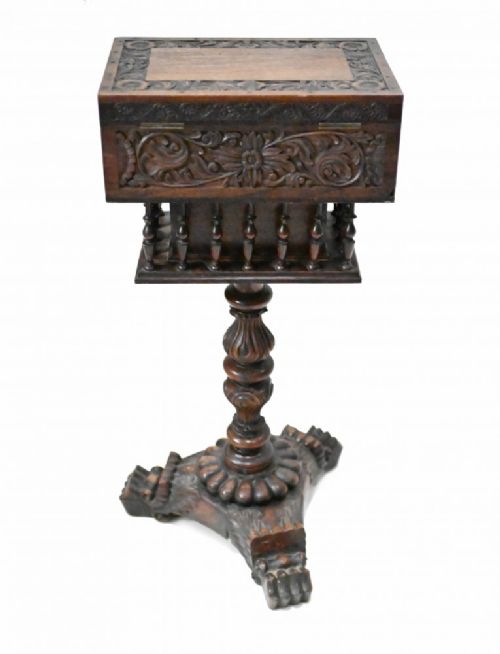

Colonial Anglo Indian Chest
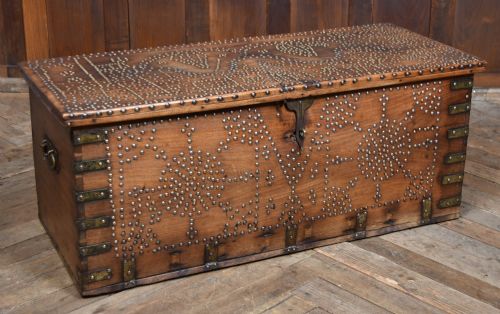
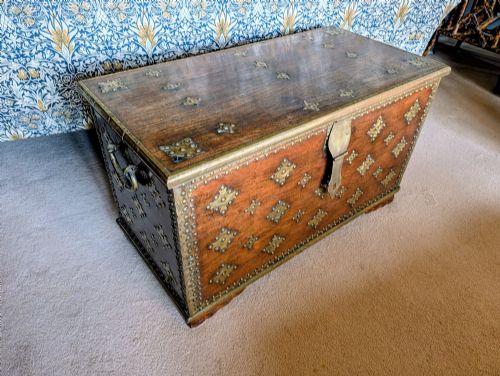
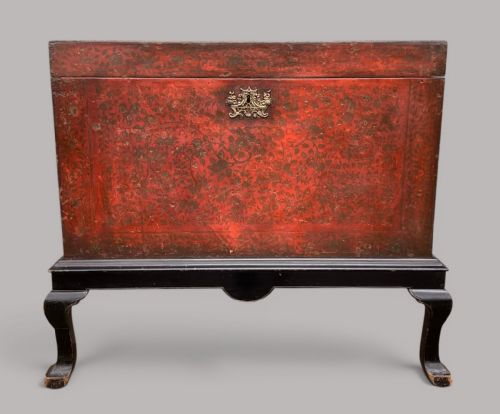
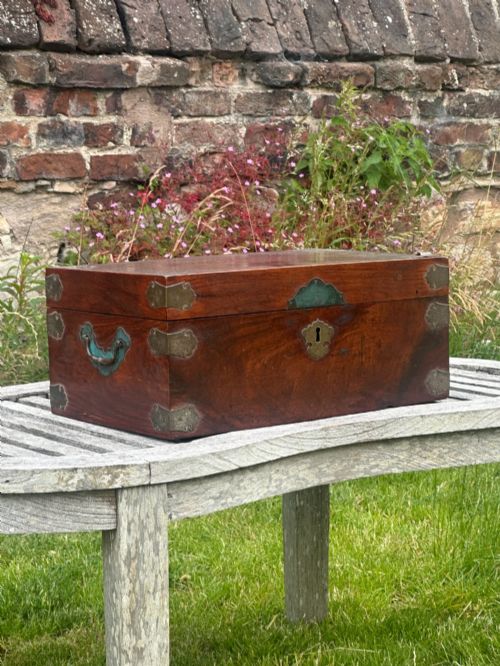
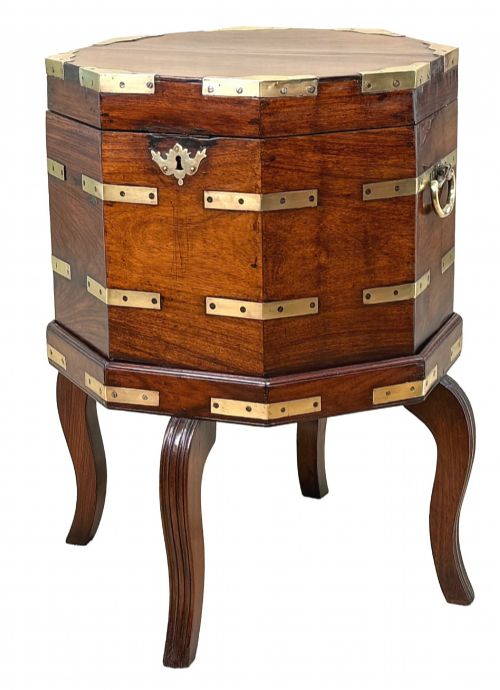
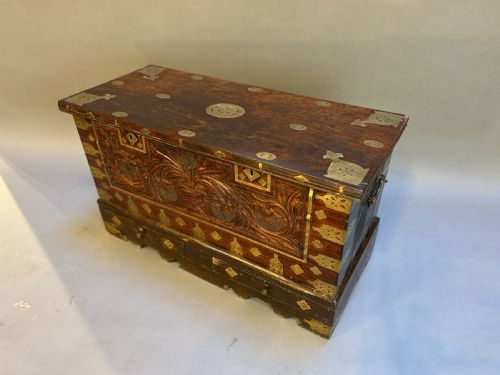
A colonial anglo indian chest brings substance and maritime history into a room, fashioned from dense tropical hardwoods with robust metal mounts.
Colonial Anglo Indian Chest
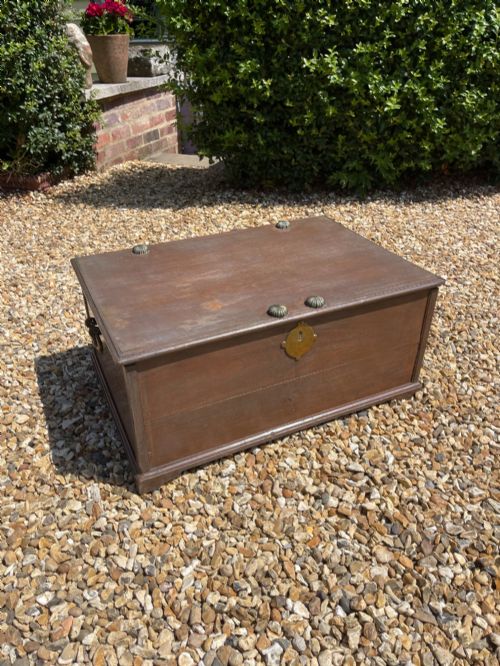
A colonial anglo indian chest encompasses durable campaign trunks, heavy merchants boxes, and sectional drawers made for travel across the British Empire. These pieces serve as practical storage items while displaying the distinct intersection of British furniture forms and South Asian craftsmanship.
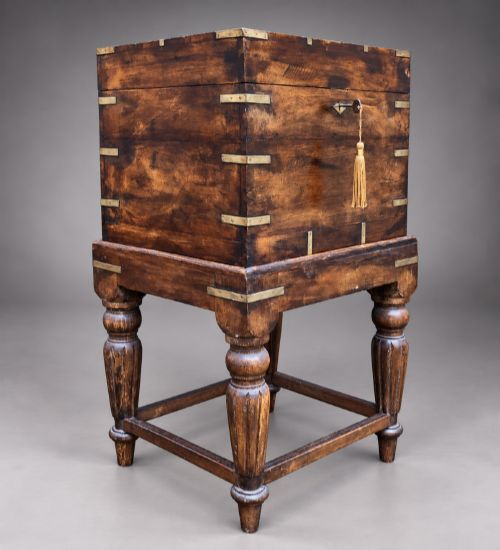
Most examples found here date from the nineteenth century, including Victorian campaign pieces alongside blanket boxes and cellarettes. The forms range from simple brass-bound camphor trunks to elaborate rosewood and padouk writing chests and filing cabinets.
Makers utilised resilient regional timbers to withstand tropical climates, resulting in sturdy containers designed for military officers and merchants on the move. Each object reflects the utilitarian needs of transport combined with decorative carving or brass strapwork.
Materials and construction
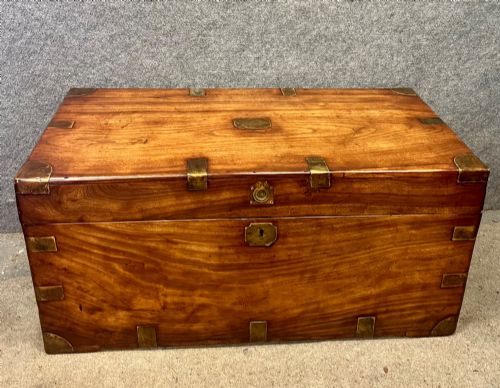
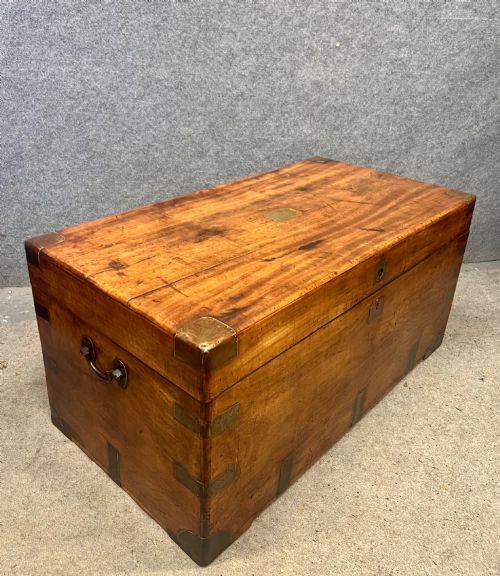
Construction relies heavily on dense tropical hardwoods such as teak, padouk, camphor wood, and ebony, chosen for their durability and resistance to humidity. These timbers are frequently accented with substantial brass corners, straps, and flush-fitting handles designed to endure rough handling during transit.
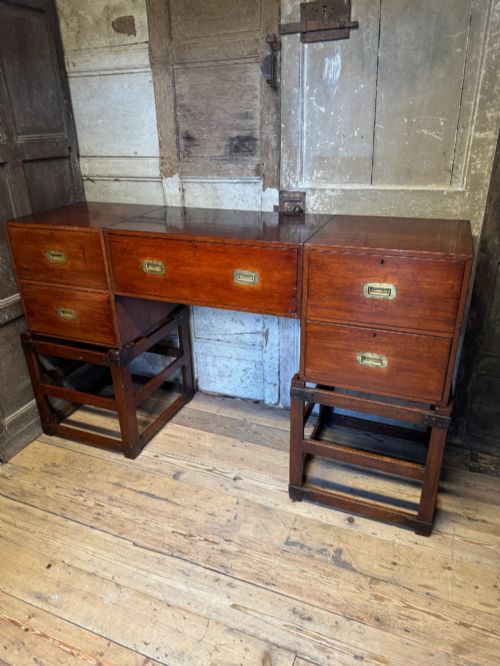
Many campaign trunks and chests are built in two separate sections with recessed carrying handles, allowing military personnel to pack and move them easily. Joinery prioritises structural integrity, often incorporating secret compartments, dovetailed drawers, and secure locking mechanisms.
Camphor wood trunks retain their distinct natural aroma decades after leaving Asia, acting as a built-in deterrent for moths.
Assessing the craftsmanship
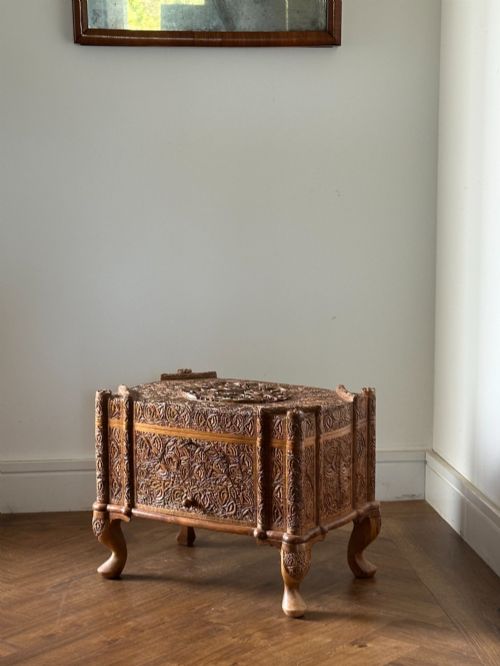
Quality rests in the precision of the brass binding, the crispness of any carved sandalwood or hardwood detailing, and the integrity of the underlying timber. Superior examples feature well-fitted internal drawers, intact original hardware, and secondary woods that match the exterior standard.
The sophistication of the internal arrangement distinguishes finer pieces, such as fitted writing slopes with secret compartments or secretaire drawers with pigeonholes. Better proportions and unwarped timber indicate superior original selection and subsequent preservation.
The Colonial Anglo Indian Chest Glossary
- Campaign chest
- A piece of furniture built in two or more sections with recessed brass handles and corner brackets, designed for easy dismantling and transport by military officers.
- Cellarette
- A lockable container or cabinet specifically designed to hold bottles of wine or spirits securely during travel or dining.
- Padouk
- A heavy, durable reddish-brown tropical hardwood native to Asia, frequently utilised in high-end colonial furniture and chests.
- Camphor wood
- A fragrant Asian timber traditionally selected for blanket and storage chests because its natural scent deters insects.
- Secretaire
- A desk or chest featuring a pull-out writing drawer fitted with small drawers and pigeonholes for correspondence.
Colonial Anglo Indian Chest: Frequently Asked Questions
How were these chests used originally?
These chests functioned primarily as portable luggage and secure storage for British officers, administrators, and merchants travelling throughout the colonies. They held uniforms, documents, valuables, and personal provisions during long maritime and land journeys.
Many designs featured modular sections or reinforced corners to withstand frequent loading onto ships and carriages. Over time, their practicality adapted to domestic settings as permanent storage furniture.
What woods are most common?
Teak and padouk appear most frequently among these listings, valued for their immense structural strength and resistance to tropical conditions. Camphor wood and ebony are also common, particularly for storage and decorative items.
These timbers were chosen because they maintained stability in fluctuating climates and offered resistance to wood-boring insects. Their natural density gives the pieces considerable weight and longevity.
How do I care for a hardwood chest?
Keep the timber conditioned by avoiding direct sunlight and maintaining stable indoor humidity levels to prevent wood movement. Gentle dusting with a dry cloth preserves the polished surface without stripping natural oils from the hardwood.
Brass mounts can be left with an aged patina or polished lightly with a suitable metal cleaner, taking care not to stain the surrounding wood. Regular inspection of hinges and locks ensures moving parts remain functional.
Are campaign chests modular?
Many campaign pieces are built in two separate stacking sections that lock together with metal brackets and pins for transit. This modular construction allowed owners to reduce the weight and bulk of a single large item during relocations.
Smaller examples, such as deed boxes and writing slopes, remain singular units designed to sit atop tables or desks. Both formats prioritise portability and efficient internal organisation.