
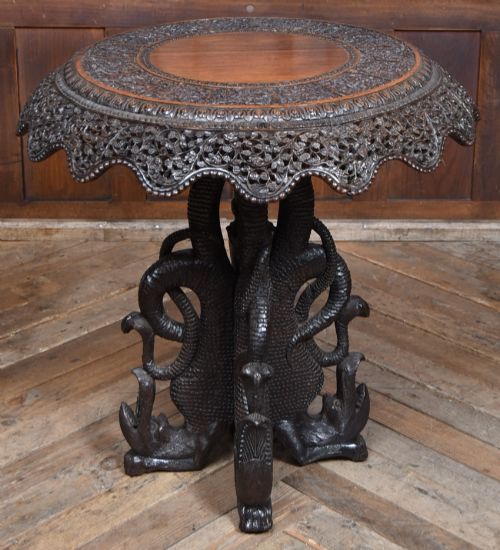
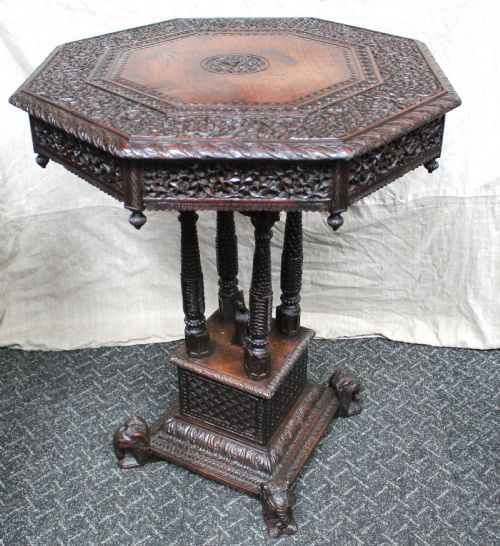
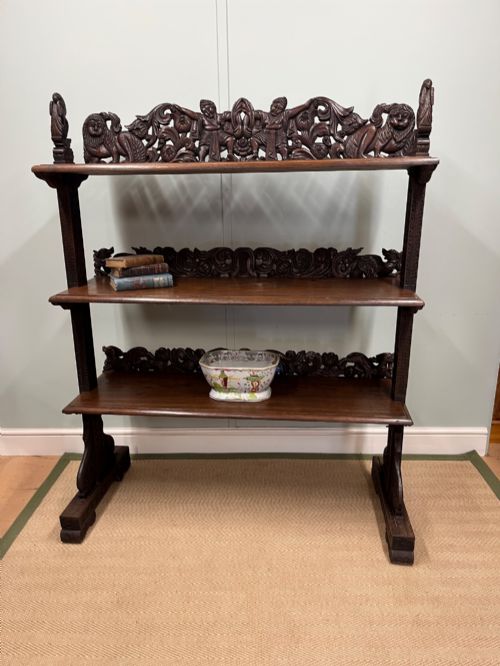
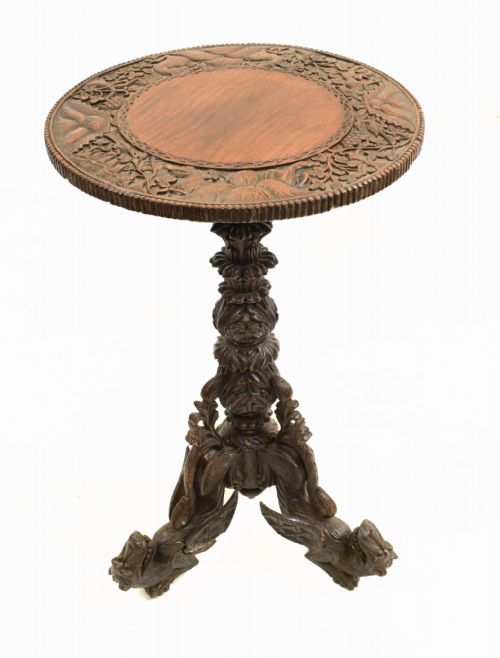
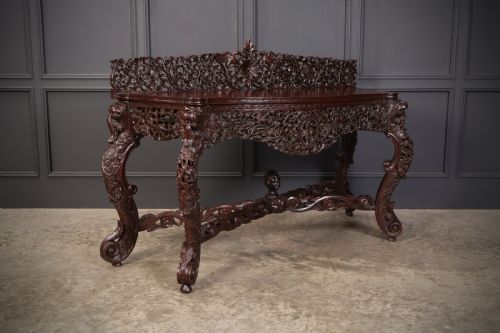
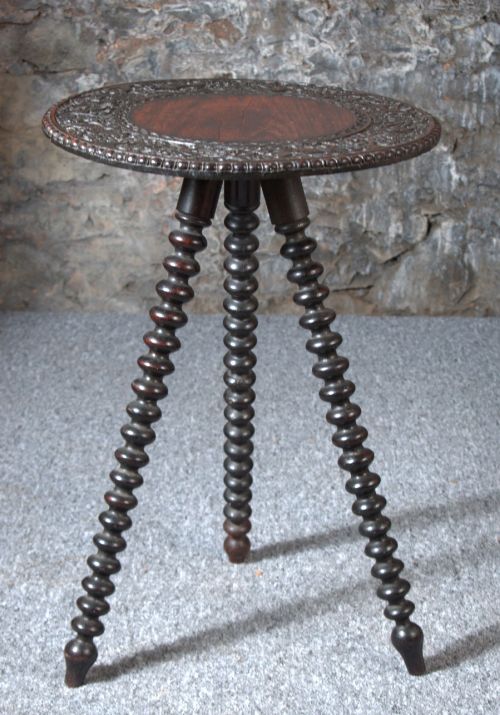


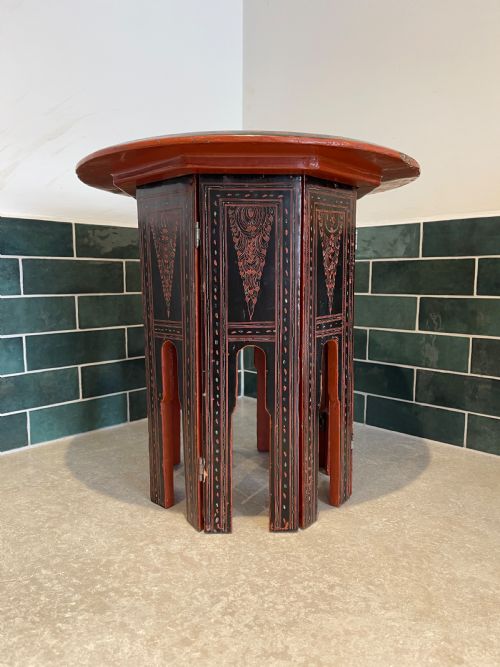
Colonial Anglo Burmese Table
A colonial anglo burmese table brings dense tropical hardwoods and intricate carving into a room, offering both history and sturdy utility.
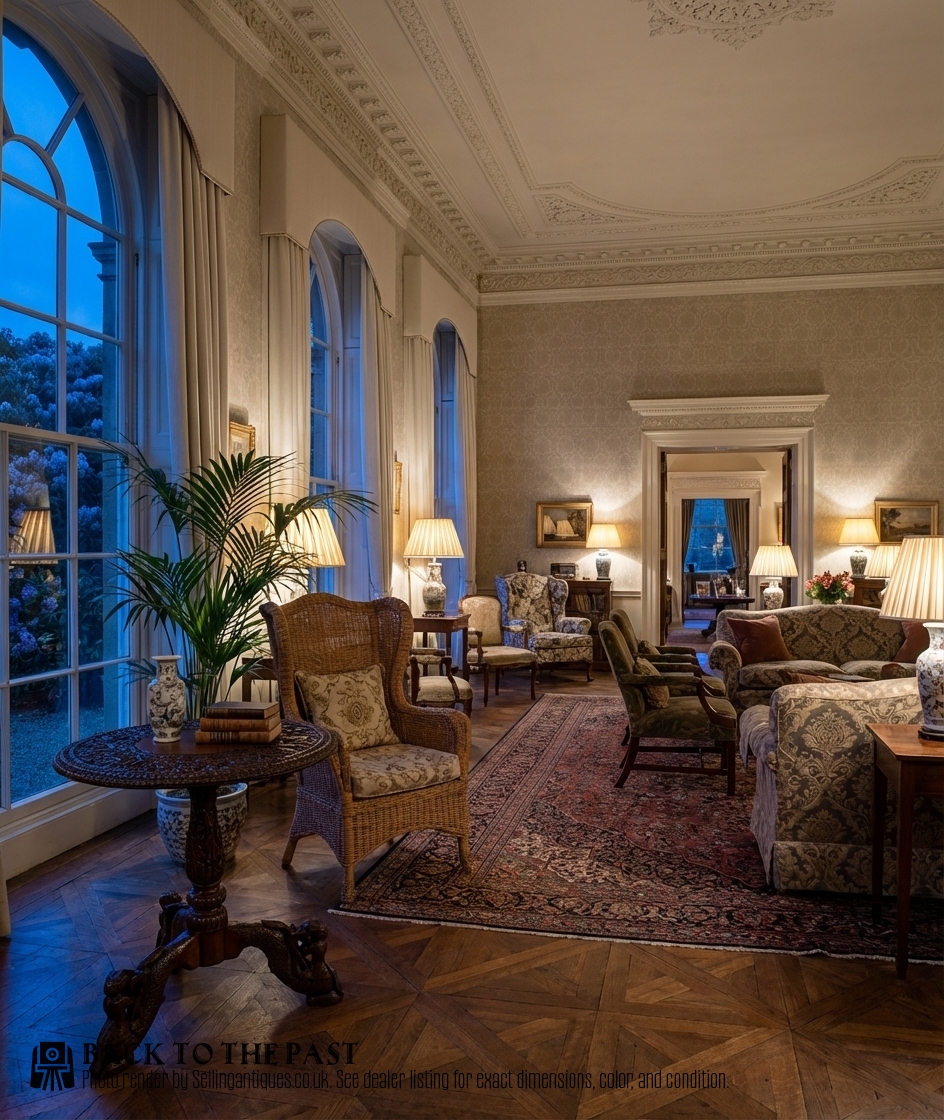
Colonial Anglo Burmese Table
When you search for a colonial anglo burmese table, you encounter nineteenth-century furniture shaped by British colonial presence and traditional Burmese craftsmanship. These pieces range from compact occasional tables to substantial dining tables and multi-tiered buffets.
Side tables and occasional tables appear most frequently on this page, often featuring circular tilt tops or square tiers. Console tables and village tables also feature among the items, reflecting varied domestic uses in colonial households.
The aesthetic bridges British furniture forms with Burmese woodcarving traditions, frequently drawing on styles described as Anglo-Burmese, Anglo-Indian, or Burmese vernacular. Dating spans primarily across the nineteenth century, with examples recorded from the eighteen-forties onwards into the twentieth century.
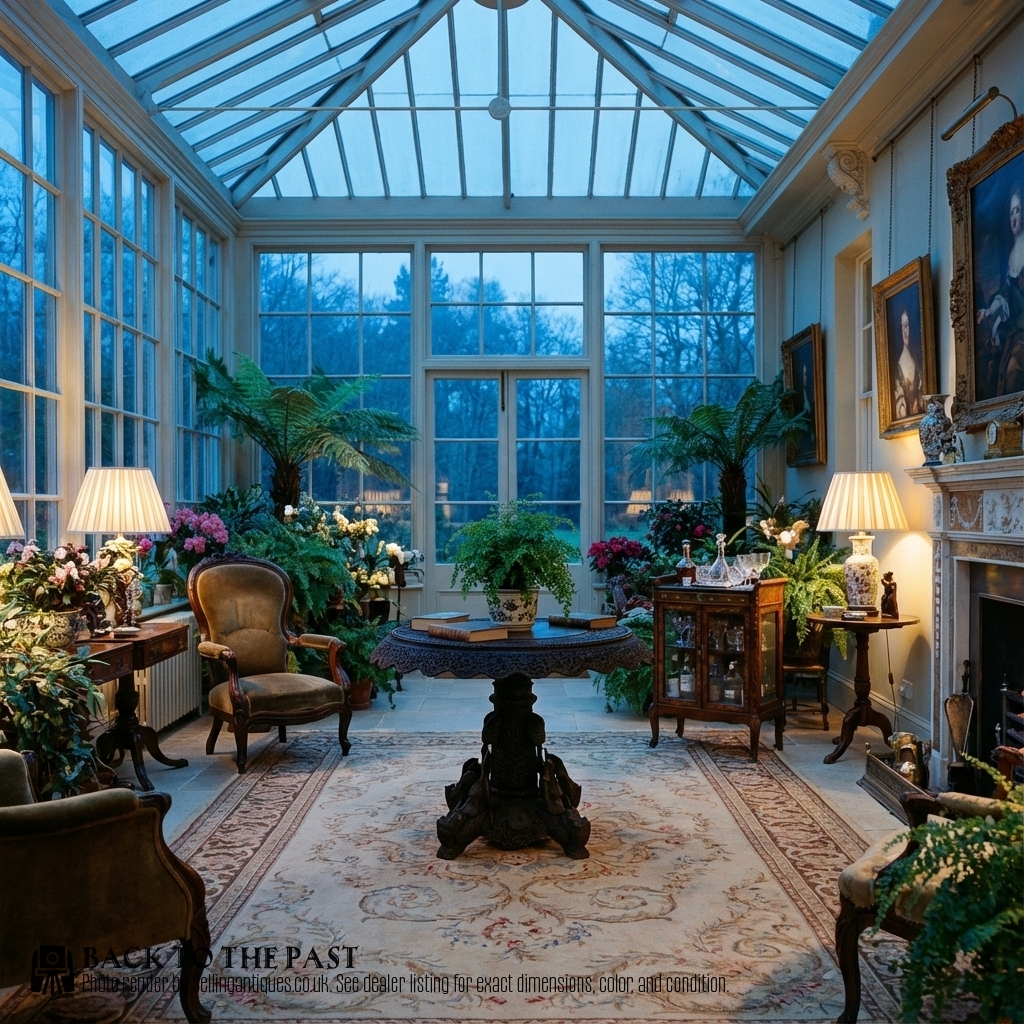
Materials and construction
Cabinetmakers utilised dense timbers native to the region, principally teak and various grades of padauk wood, alongside general hardwoods. These woods provide the heavy, durable foundation necessary for intricate surface carving.
Carving serves as the primary decorative technique, seen on heavily worked side tables and console tables with detailed figures or structural elements like elephant legs. Lacquer and brass components also appear, adding contrasting textures to wooden surfaces.
Listings show items spanning the nineteenth century, with specific dates recorded from eighteen-forty through nineteen-thirty.
Assessing quality and craftsmanship
The depth and crispness of the carving distinguish finer examples from simpler village pieces. Skilled carvers create deep relief work with clear separation in foliage, figures, and animal forms.
Timber selection and structural joinery also dictate standard, where dense padauk and well-seasoned teak maintain stability over time. The integration of functional elements, such as tilt mechanisms or multi-tiered shelving, shows the precision of the original workshop.
The Colonial Anglo Burmese Table Glossary
- Padauk wood
- A heavy, durable tropical hardwood with a reddish hue used extensively for carved furniture. It provides a stable base for detailed chisel work.
- Tilt top table
- A table with a hinged top that folds vertically when not in use. This mechanism allowed tables to be stored against walls in colonial spaces.
- Buffet
- A multi-tiered piece of furniture designed for serving or storage. Examples in this category often feature three carved tiers.
- Lacquer
- A protective and decorative coating applied to wooden surfaces. Burmese pieces sometimes employ this finish for smooth, coloured panels.
- Console table
- A table designed to be fixed against a wall, often featuring decorative front legs. These frequently display heavy carving and figures.
Colonial Anglo Burmese Table: Frequently Asked Questions
What is a colonial anglo burmese table?
It is a nineteenth-century table combining British furniture forms with traditional Burmese carving.
These pieces were made using tropical hardwoods like teak and padauk for use in colonial households.
How do I date a burmese table?
Dating relies on recorded periods, styles, and construction methods seen across nineteenth-century examples.
Most items date from the eighteen-forties to the early twentieth century, reflecting colonial trade and production eras.
What woods were used?
Cabinetmakers primarily used teak and padauk wood for their strength and suitability for deep carving.
These dense tropical hardwoods support the heavy ornamentation characteristic of the style.
Where were these tables used?
They furnished British colonial residences, offices, and bungalows in the region.
Their forms adapted to domestic needs, serving as side tables, dining tables, or serving buffets.