




Collector Display Case
A collector display case gathers small treasures safely behind glass, uniting tabletop bijouterie tables and upright vitrines from the Victorian era to the 1930s.
Collector Display Case
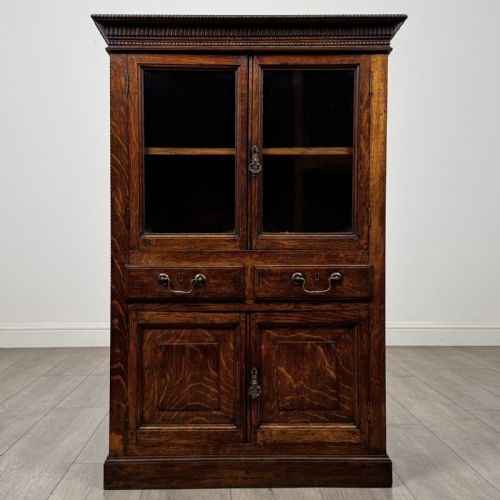
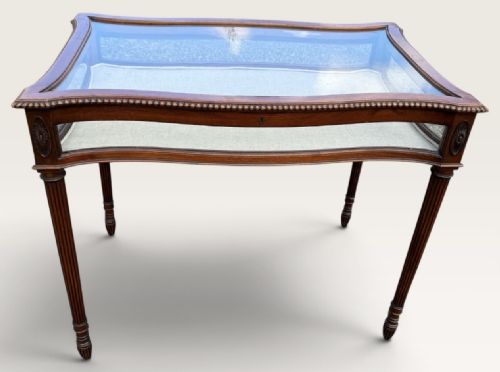
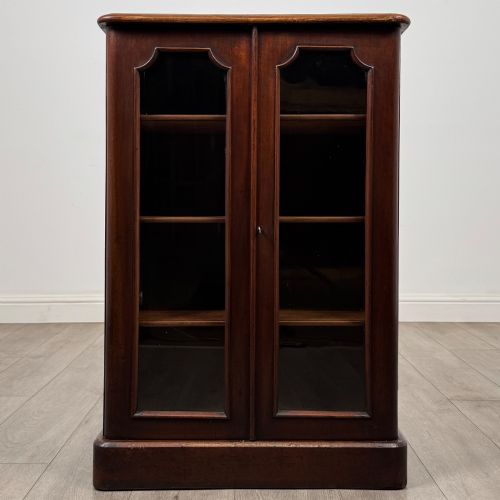
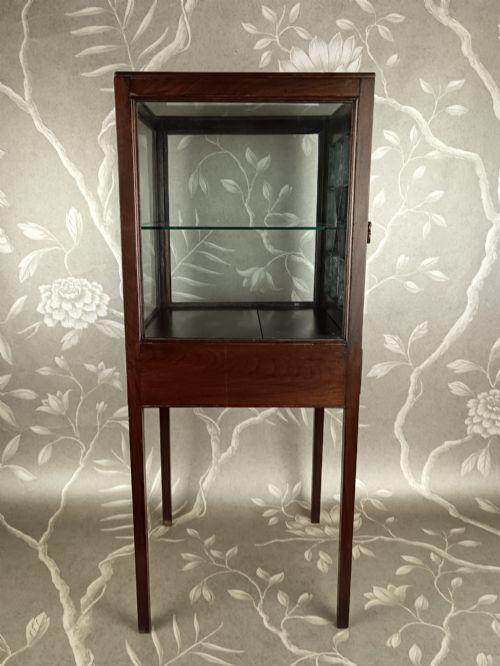
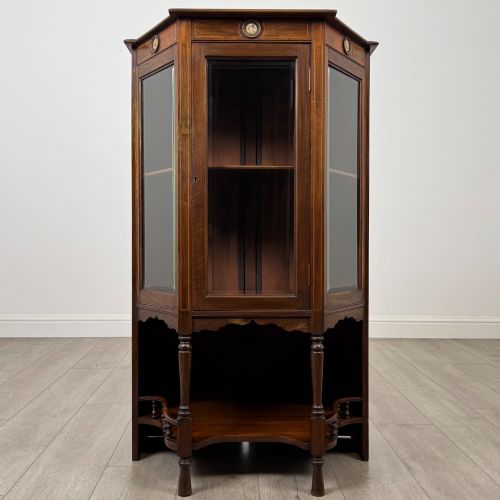
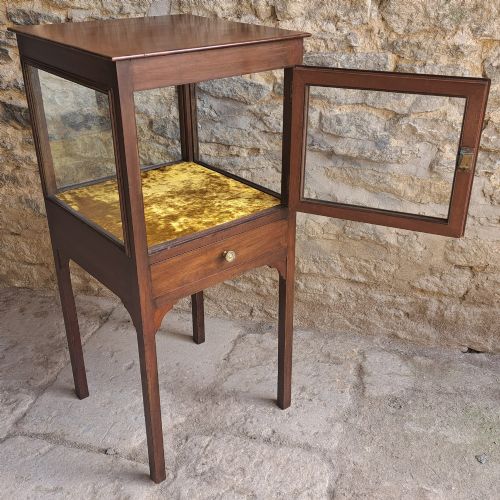
When you search for a collector display case, you look at vitrines, bijouterie tables, and countertop shop cases designed to hold small objects in plain view. The examples gathered here span from Georgian origins through Victorian and Edwardian iterations up to 1930s commercial pieces, utilising glass panels to protect delicate contents from dust while allowing inspection from all sides.
You are most likely to meet mahogany and oak countertop cabinets, alongside glazed tables meant for jewellery or specimens. These forms serve domestic collectors and retail spaces alike, offering upright shelving or shallow glazed wells where medals, coins, and curiosities rest securely.
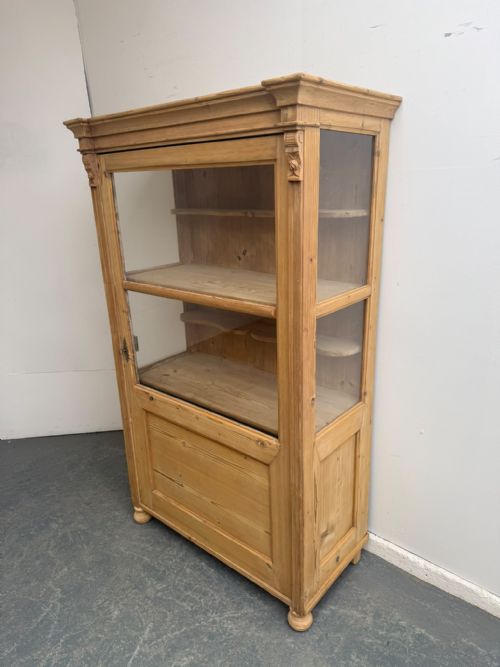
The selection ranges from tall freestanding shop cabinets to miniature tabletop cases and glass domes with wooden bases. Each variation reflects the specific display needs of previous centuries, whether for a Victorian drawing room or an early twentieth century merchant counter.
How they were made
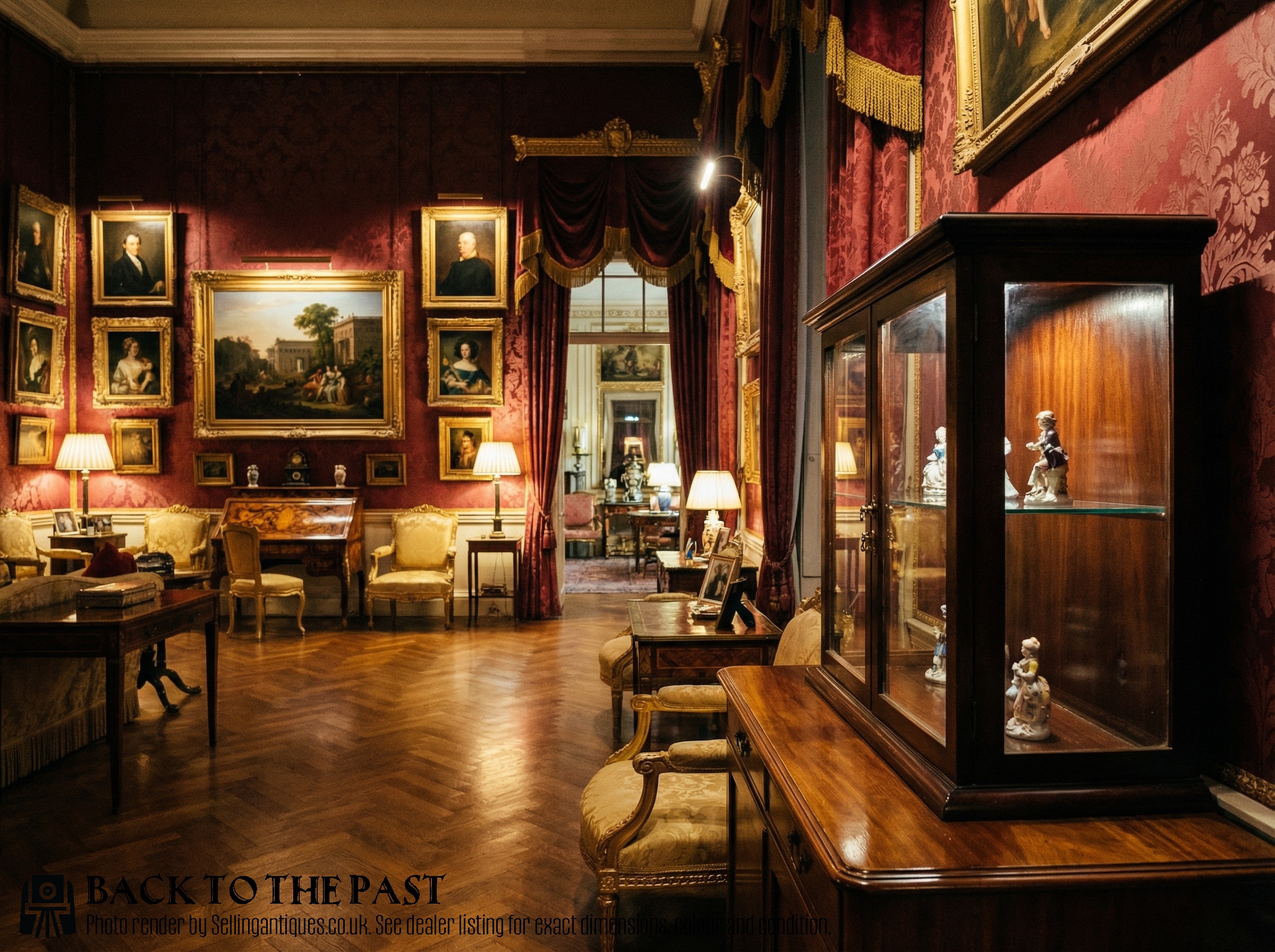
Cabinet makers constructed these cases primarily in mahogany, walnut, oak, and satinwood, frequently employing fine timber veneers and marquetry inlay to elevate the visual weight of the frame. Glazed doors and panels permit maximum light penetration, secured by brass hinges, locks, and handles that provide functional contrast to the dark polished woods.
Interior surfaces often incorporate mirrored backs or fabric linings, enhancing the brightness and presentation of stored artefacts. Ebonised finishes and brass mounts appear on specific pieces, applying deliberate decorative restraint characteristic of nineteenth and early twentieth century joinery.
Collector Display Case Retail Price Guide 2026
Typical asking prices for collector display case among the pieces listed under this phrase on Sellingantiques today, from the lower quarter to the upper quarter. They describe what is for sale here now, not the wider market.
One vintage display table carries later sign written detail for Breitling watches, bridging retail history with collector use.
What varies in quality
The distinction between standard utility shop fittings and superior domestic cabinets rests in the choice of timber and the refinement of internal joinery. Finer specimens display meticulous marquetry inlay, well-fitted lock mechanisms, and high grade clear glass without distortion.
Proportion and scale dictate the hierarchy of these pieces, where smaller bespoke collector cabinets demonstrate greater delicacy in their framing than mass produced commercial counters. The integrity of the original glass and the preservation of polished interior surfaces distinguish the exceptional examples from routine workshop output.
Edmonds
The Collector Display Case Glossary
- Bijouterie table
- A glass topped table designed specifically for displaying small valuable items such as jewellery, medals, and miniatures.
- Vitrine
- An enclosed glass cabinet used for exhibiting fine objects, curiosities, or porcelain.
- Marquetry
- Decorative woodwork where thin pieces of veneer are fitted together to form geometric or floral patterns on a furniture surface.
- Ebonised wood
- Timber treated with a chemical stain or paint finish to imitate genuine ebony, popular in nineteenth century cabinetry.
- Countertop cabinet
- A small glazed case built to sit upon a shop counter or domestic table for retail or private viewing.
Collector Display Case: Frequently Asked Questions
What is a bijouterie table?
A bijouterie table is a specialised display piece featuring a glazed top and a shallow internal compartment intended for jewellery, coins, and small artefacts.
These tables allowed Victorian and Edwardian collectors to present delicate items at a comfortable viewing height in a drawing room.
How do I tell Victorian from Edwardian cases?
Victorian cases often utilise heavier timbers like burr walnut and dark mahogany with rich, dense carving. Edwardian examples frequently introduce lighter satinwood, simpler geometric lines, and brighter inlaid details.
Construction methods also shift toward slightly more restrained commercial production by the early twentieth century.
Were these cases used in shops?
Many surviving examples originated as countertop or tall freestanding shop display cabinets used by merchants to sell small wares.
These commercial cases typically feature robust brass hardware, secure locks, and sometimes mirrored interiors to attract customer attention.
How should I clean a mahogany display case?
Clean the exterior wood using a soft, dry cloth and appropriate wax formulated for antique timber to maintain the polish. Avoid harsh chemical sprays that can strip the original patina and damage delicate veneer work.