




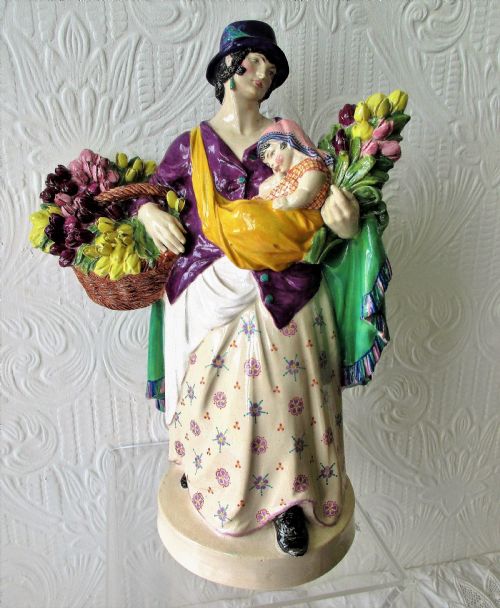
Collectible Ceramic Figurine
A collectible ceramic figurine brings character to a mantelpiece, translating centuries of social history into porcelain, bone china and earthenware.
Collectible Ceramic Figurine
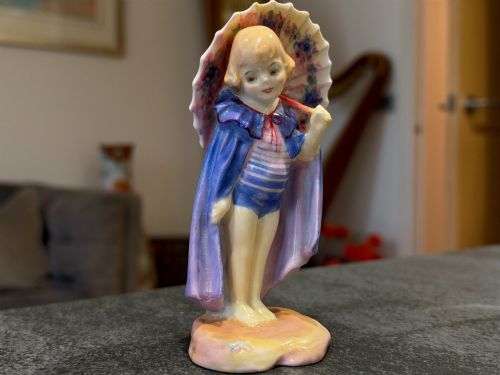
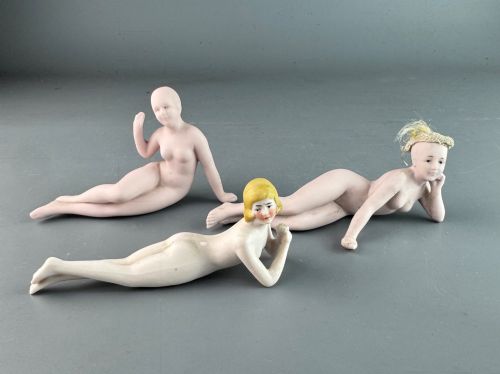
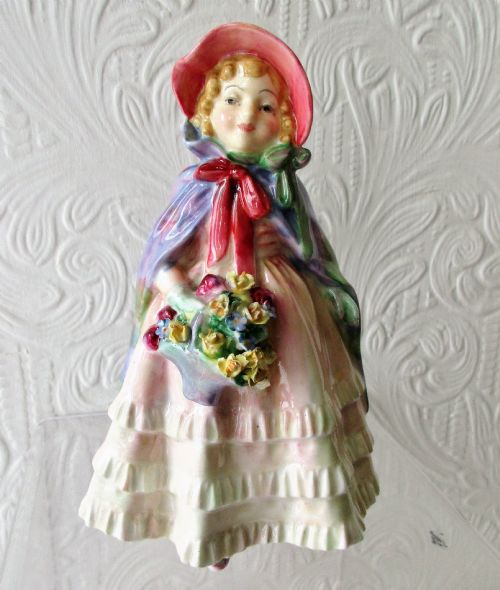
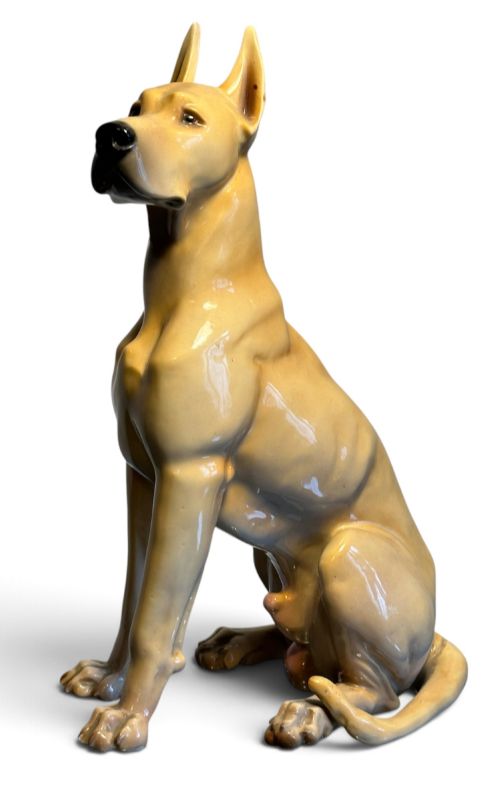
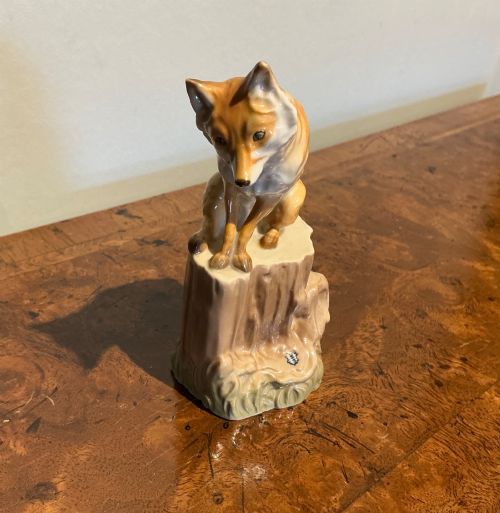
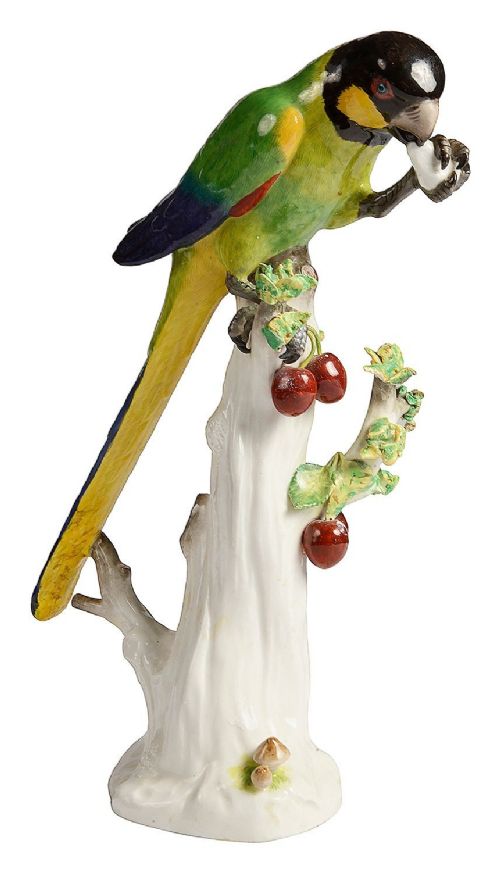
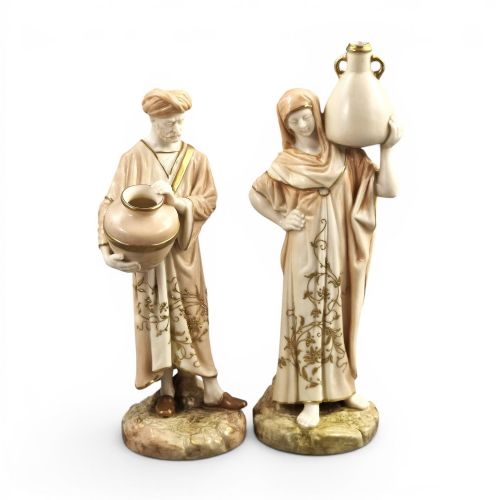
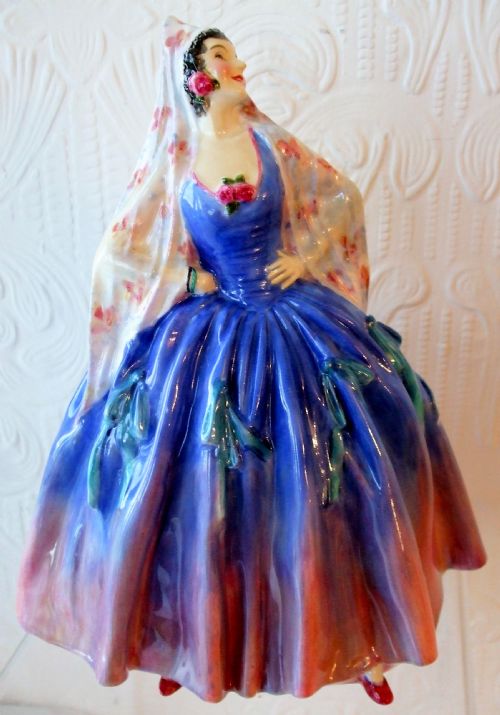
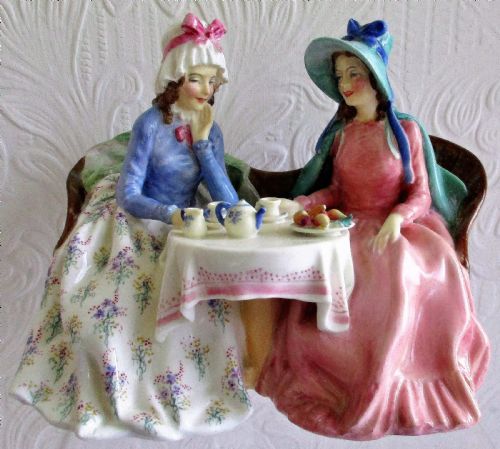
When searching for a collectible ceramic figurine, buyers encounter diverse forms ranging from eighteenth-century Georgian pastoral models to Art Deco figures of dancers and literary characters. The selection spans earthenware, bone china, and porcelain, reflecting the changing tastes of European kilns.
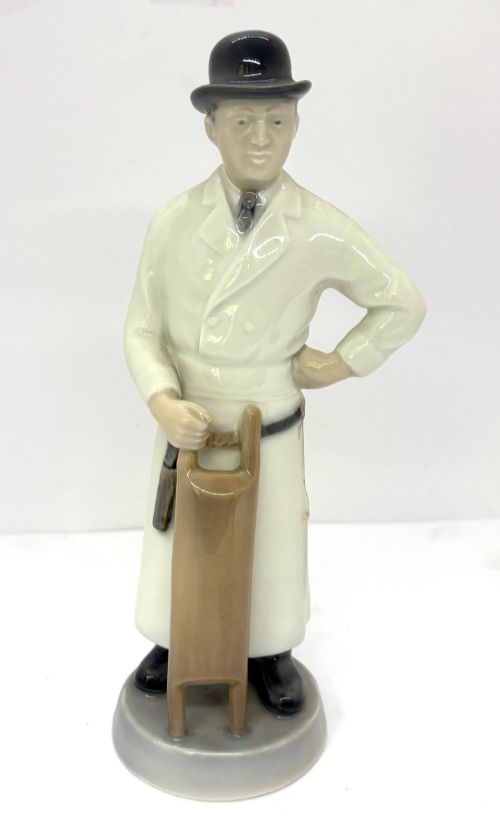
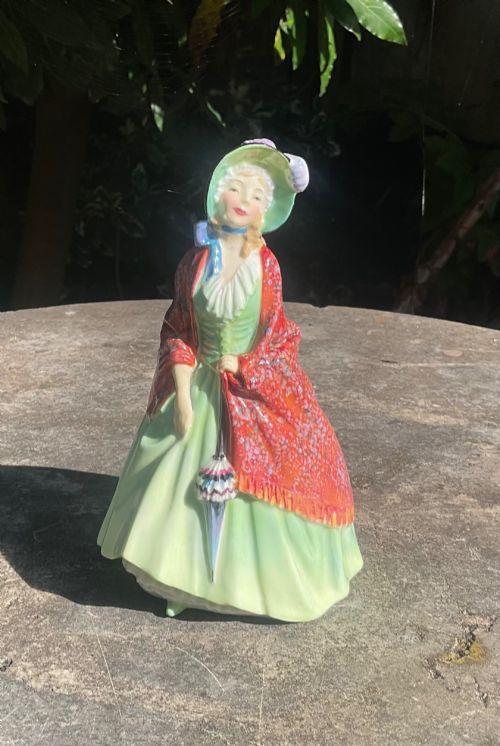
The versions most frequently met on this page include mid-twentieth-century English porcelain pieces, particularly Royal Doulton character studies, alongside nineteenth-century Staffordshire pottery figures and continental porcelain animals.
Makers utilised these mediums to capture specific human moments, from historical figures and market sellers to whimsical children and dancers, structured around distinct stylistic periods like the Edwardian era and Rococo Revival.
Materials and Manufacture
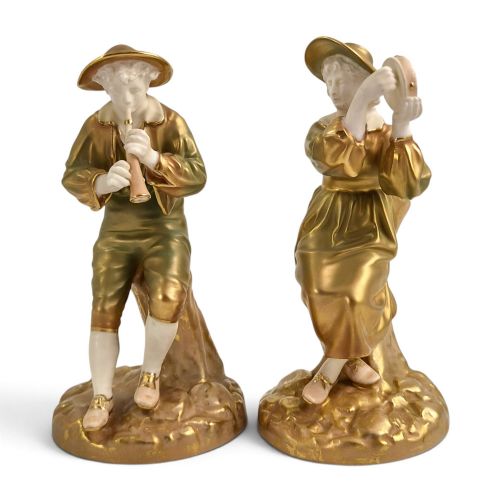
The creation of these objects relied upon careful moulding and slip-casting in porcelain, bone china, or earthenware, followed by meticulous hand-painting with enamel and sometimes finishing with gold leaf.
Factories employed modellers to carve initial prototypes, from which production moulds generated individual bodies and limbs that were assembled before the high-temperature glazes were applied and fired.
Collectible Ceramic Figurine Retail Price Guide 2026
Typical asking prices for collectible ceramic figurine among the pieces listed under this phrase on Sellingantiques today, from the lower quarter to the upper quarter. They describe what is for sale here now, not the wider market.
Materials represented across the inventory include earthenware, bone china, glazed porcelain, and applied gold leaf details.
Assessing Standard and Finish
Quality rests upon the crispness of the modelling and the precision of the hand-painting, where finer examples maintain sharp facial expressions and delicate surface details without blurring in the glaze.
The distinction between standard commercial output and superior execution also depends on the complexity of the piece, such as multi-figure groups or intricate lace effects applied directly to the porcelain body before firing.
Royal Doulton·Meissen·Royal Worcester·Derby·Royal Copenhagen·Charles Vyse·Ernst Bohne und Soehne
The Collectible Ceramic Figurine Glossary
- Bone China
- A type of soft-paste porcelain incorporating bone ash, known for its high strength, chip resistance, and translucent milky white body.
- Earthenware
- A porous pottery body fired at lower temperatures, typically finished with an opaque glaze as seen in traditional Staffordshire figures.
- Gold Leaf
- Extremely thin gold beaten into sheets, utilised for gilding borders, garments, and decorative accents on high-grade porcelain figures.
- Slip-casting
- A manufacturing technique where liquid clay slip is poured into a plaster mould to produce hollow ceramic figures with consistent walls.
Collectible Ceramic Figurine: Frequently Asked Questions
How do I clean antique porcelain?
Dust gently with a soft brush rather than submerging painted figures in water, as old enamels can be sensitive to moisture and harsh detergents.
Avoid using chemical cleaners or abrasive cloths that might disturb fragile gold leaf or delicate porcelain digits.
What is a half doll?
A half doll is a porcelain figure modelled from the waist upwards, originally manufactured to sit atop tea cosies, powder boxes, or cigarette strikers.
These pieces capture Art Deco and Edwardian fashions in miniature, often depicting flappers or ladies with elaborate hats.
How are periods identified?
Makers' marks stamped or painted on the underside provide the most reliable guide to dating, often corresponding to specific registration numbers or factory ciphers.
Stylistic cues such as the angular geometry of Art Deco or the romantic asymmetry of Rococo Revival also help establish the era of manufacture.
Where should I display figures?
Position figurines away from direct sunlight to prevent the hand-painted enamel colours from fading over time.
A stable, enclosed cabinet protects these delicate ceramic forms from accidental knocks and airborne dust accumulation.