



Collectable Silver Pocket Watch
A collectable silver pocket watch offers a tangible piece of mechanical history, prized for precision engineering and enduring personal style.
Collectable Silver Pocket Watch
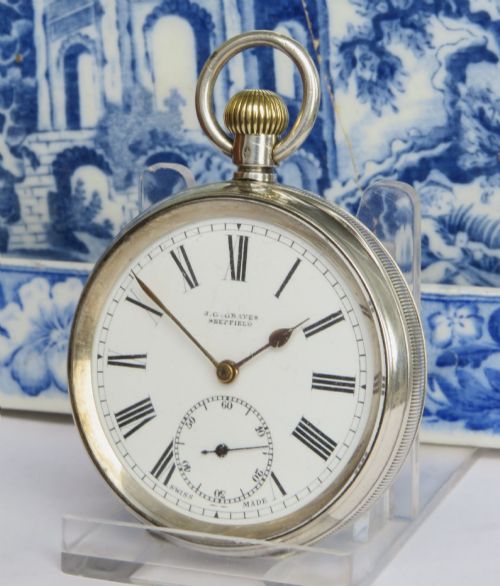
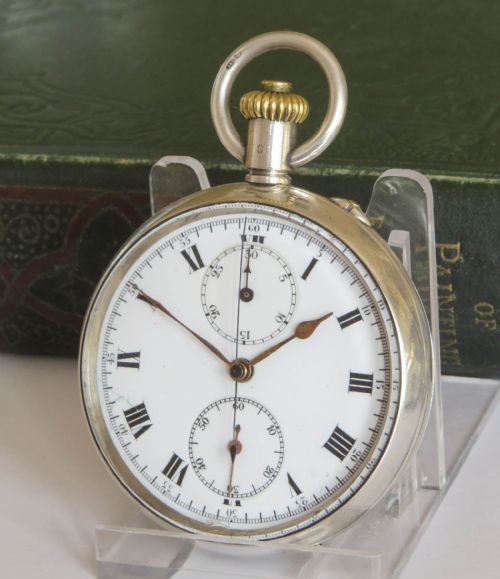
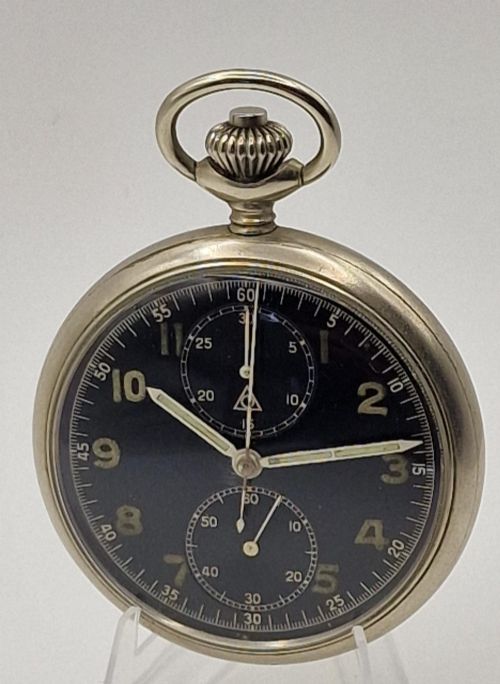
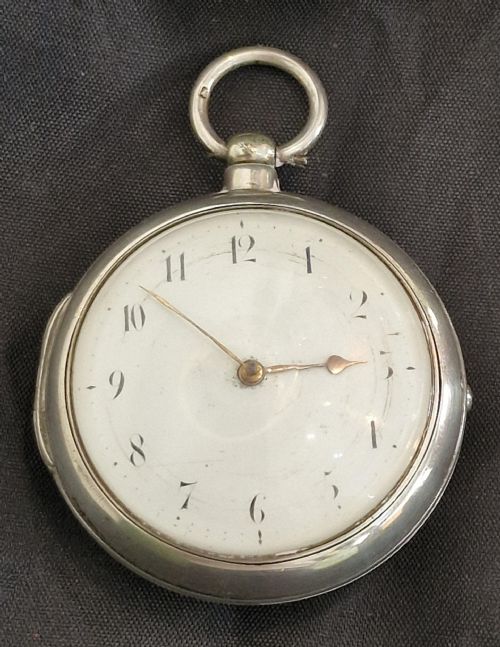
A collectable silver pocket watch spans centuries of horological development, ranging from Georgian verge movements to robust mid-century military issues. These portable timepieces served as daily essentials for gentlemen, railway officials and military personnel alike.
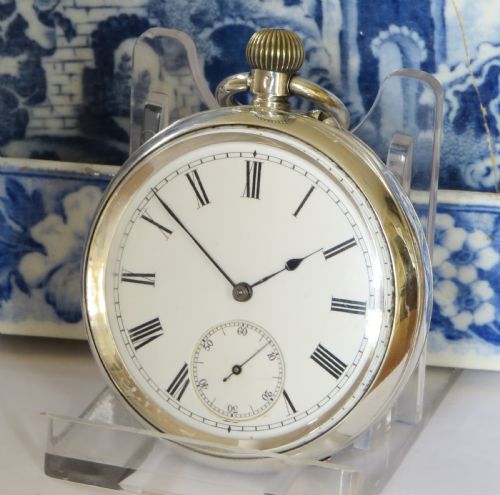
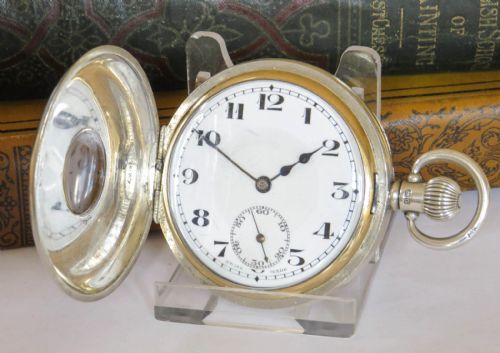
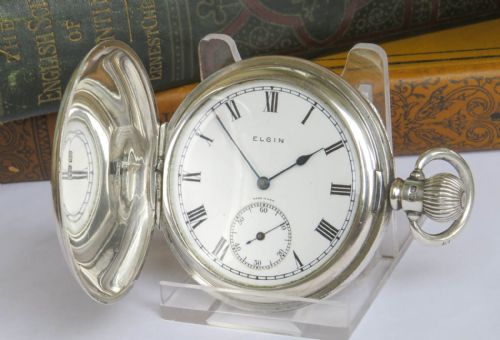
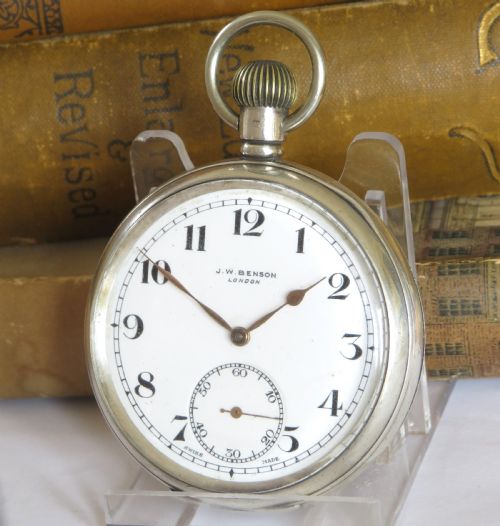
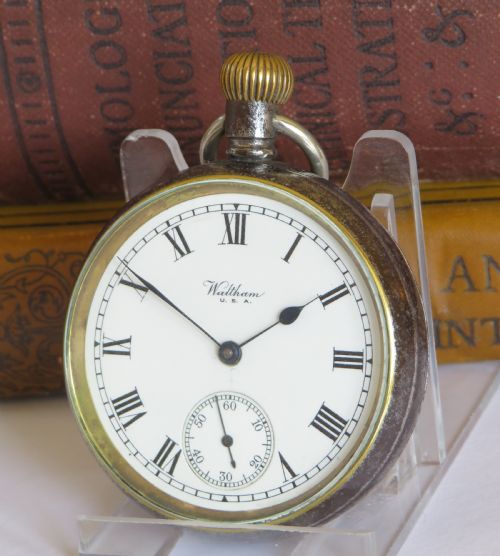
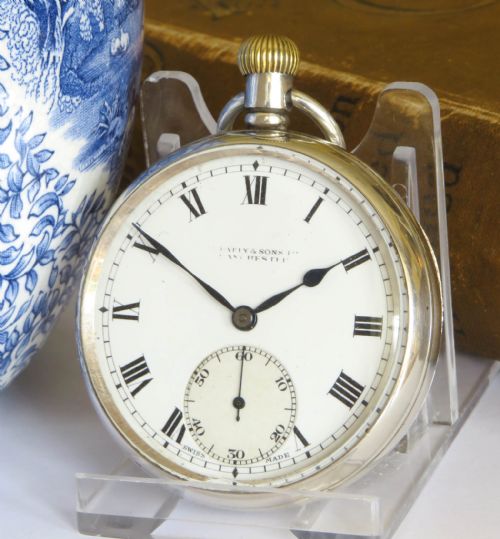
The versions most commonly met on this page include sterling silver hunter and open-face formats, often bearing hallmarks from the nineteenth and twentieth centuries. Many examples retain intricate enamel dials, subsidiary seconds, and associated chains or travel cases.
How they were made
Dials were commonly produced in white enamel with painted numerals, protected by fitted glass crystals. Additional details such as railway station names or military inscriptions were hand-applied or engraved directly onto the metal components.
Collectable Silver Pocket Watch Retail Price Guide 2026
Typical asking prices for collectable silver pocket watch among the pieces listed under this phrase on Sellingantiques today, from the lower quarter to the upper quarter. They describe what is for sale here now, not the wider market.
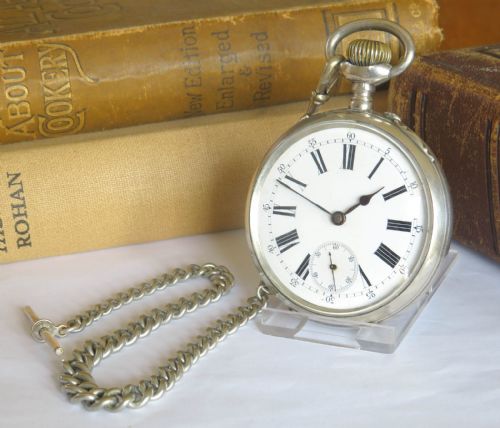
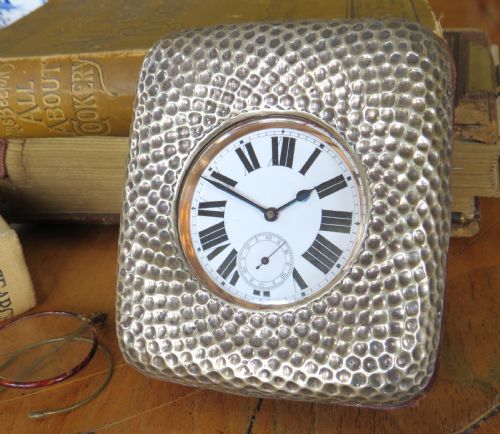
One remarkably large goliath watch arrives paired with its own travel chain, ready for a very pocket-heavy journey.
What varies in quality
The distinction between standard examples and superior specimens rests on the sophistication of the movement and the crispness of the silver case hallmarks. Watches featuring named makers, specialised railway provenances or military contracts command greater attention from collectors.
Condition plays a vital role, particularly the legibility of the enamel dial and the original integrity of the silver case. Pieces that retain specialised additions like travel stands or matched chains represent a higher tier of preservation.
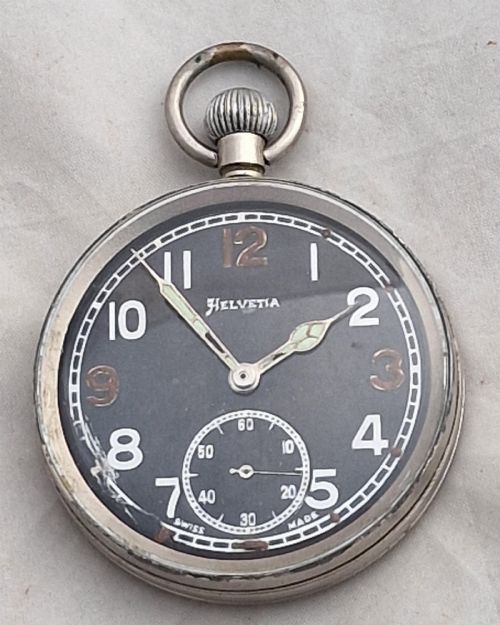
Elgin·Waltham·Cyma·Helvetia·Zenith·Vertex·J W Benson
The Collectable Silver Pocket Watch Glossary
- Hunter pocket watch
- A pocket watch featuring a spring-loaded metal cover that protects the glass dial from scratches. This hinged lid snaps open via a button integrated into the crown.
- Open-face pocket watch
- A timepiece lacking a protective metal cover over the dial, allowing immediate reading of the time. The pendant and winding crown typically sit at the twelve o'clock position.
- Verge escapement
- An early mechanical escapement mechanism utilising a vertical rod with pallets engaging a crown wheel. This traditional arrangement characterises many Georgian pocket watches.
- Goliath pocket watch
- An exceptionally large timepiece designed for desk use, carriage travel or hanging inside a vehicle. These substantial watches frequently incorporate robust mechanical movements.
Collectable Silver Pocket Watch: Frequently Asked Questions
Can I wear a pocket watch daily?
Wearing a pocket watch daily remains entirely practical provided the piece is handled with care and kept away from moisture. Securing the watch with an appropriate chain or fob through a waistcoat or trouser pocket prevents accidental drops.
Regular servicing by a professional horologist ensures the mechanical movement continues running accurately. Store the watch securely in a padded box or travel case when not in active use.
What is a railway pocket watch?
Railway pocket watches were specialised timepieces issued to station masters, conductors and engine drivers to maintain strict timetabling. These watches required high-precision movements and bold, clear dials for instant legibility in low light.
Many bear specific railway company engravings on the case back or dial, documenting their official service history. Such pieces represent a functional intersection of industrial transport and fine horology.
How do I identify the period?
Dating a silver pocket watch involves examining hallmarks stamped inside the case, which indicate the assay office and exact year of manufacture. Stylistic clues such as Art Deco numerals, Edwardian typography or Georgian verge movements also narrow the era.
Movement serial numbers often allow direct cross-referencing with historical manufacturer production records. Comparing these various markers provides a reliable timeline for each individual piece.