
1920s Mechanical Pocket Watch
A 1920s mechanical pocket watch delivers precise interwar craftsmanship in a portable format that collectors appreciate.
1920s Mechanical Pocket Watch
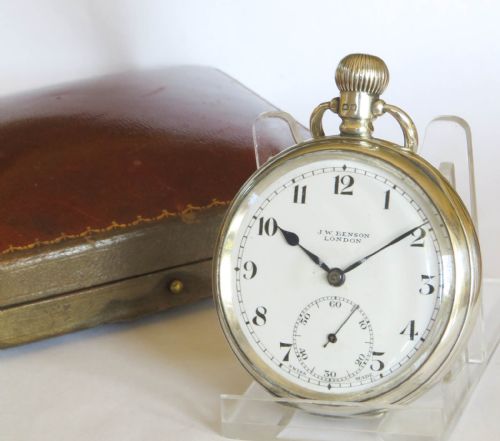
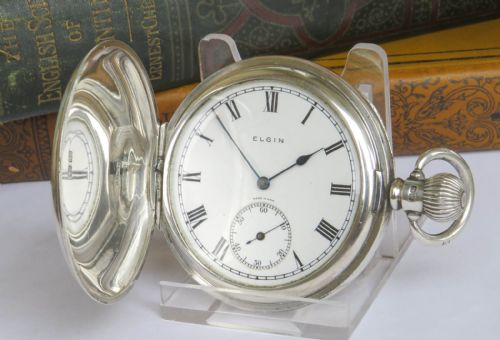
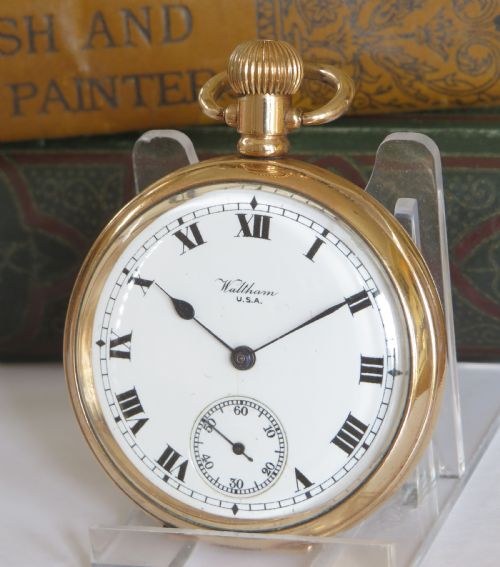
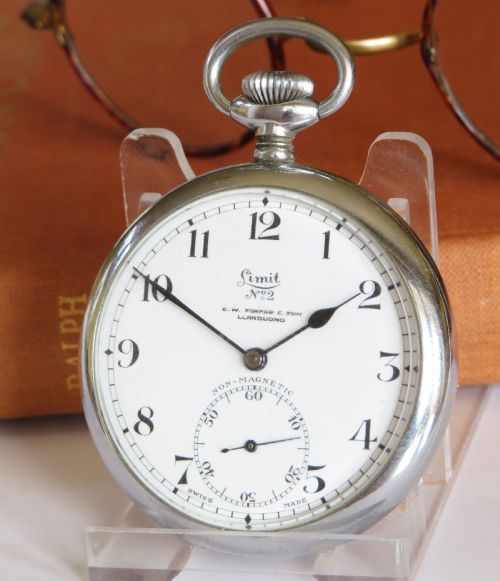
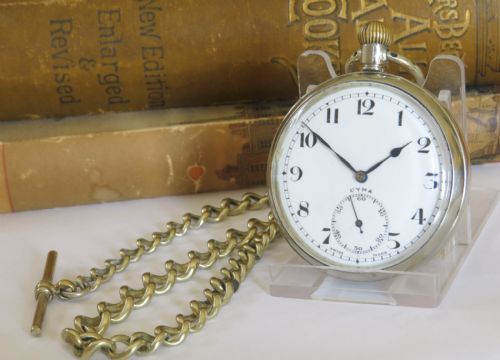
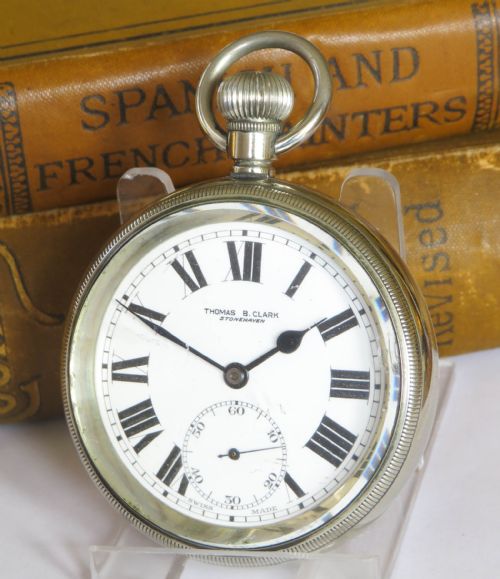
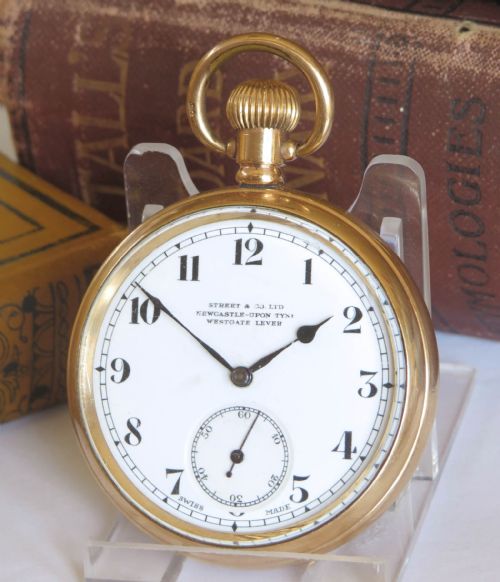
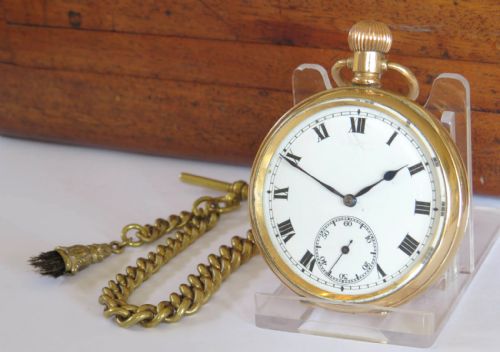
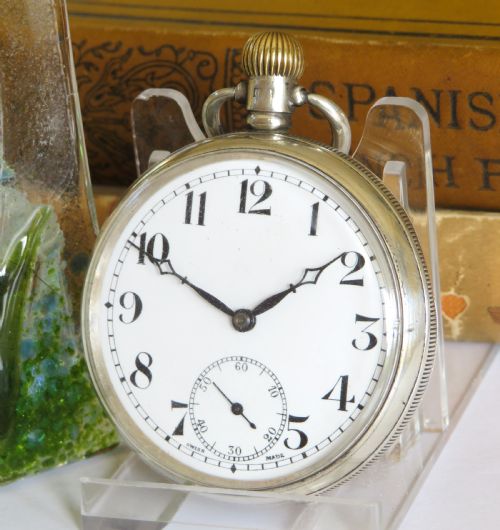
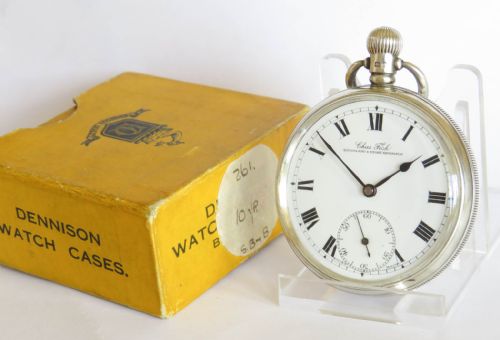
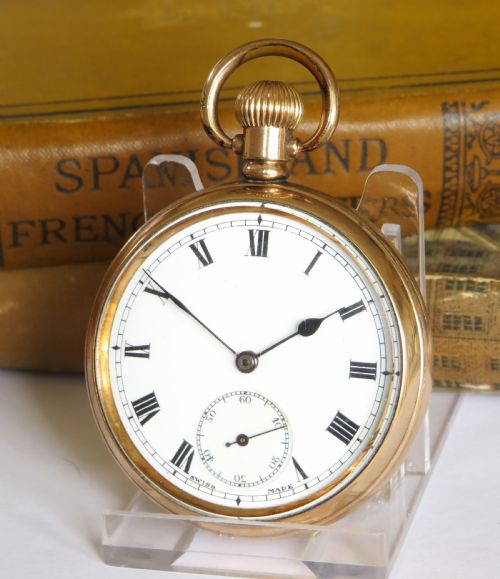
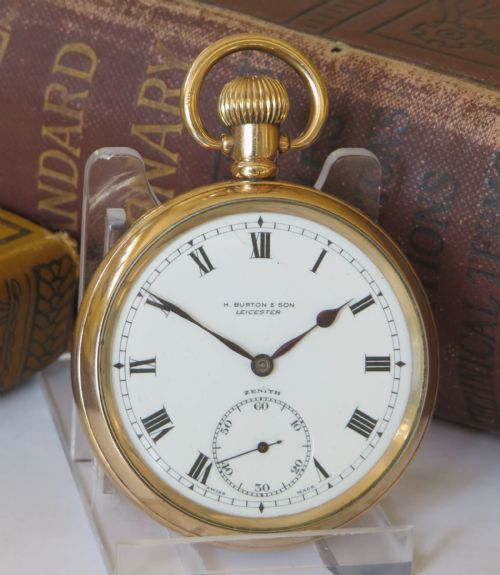
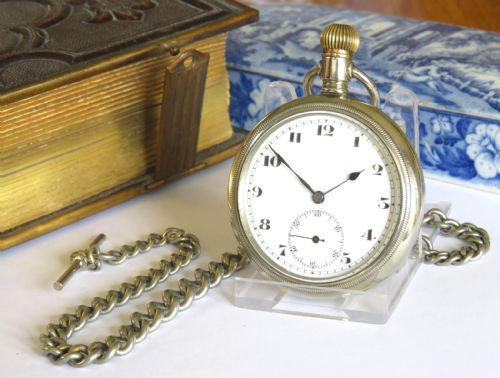
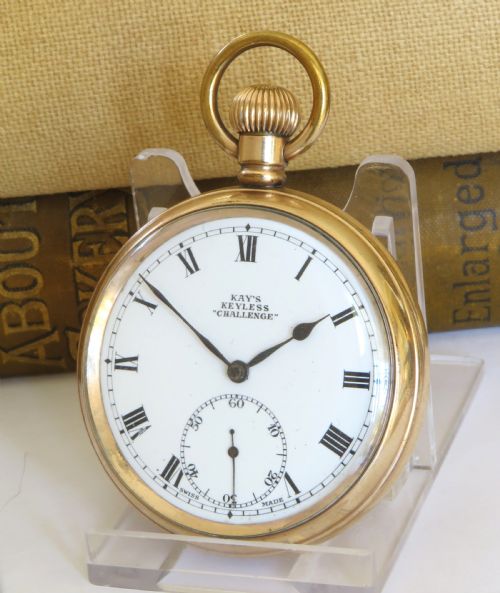
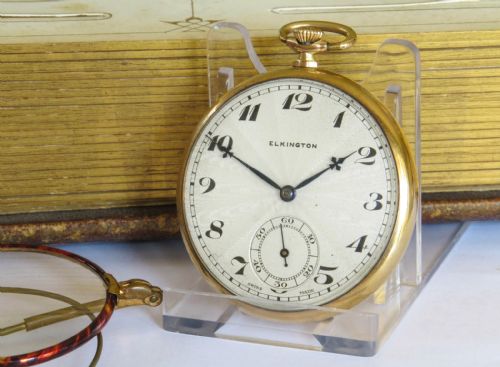
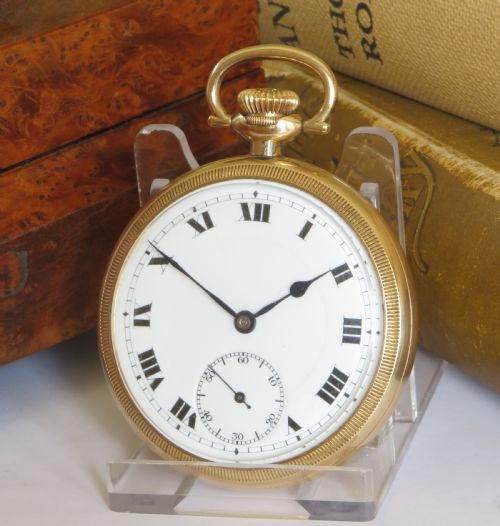
A 1920s mechanical pocket watch represents portable timekeeping from the early 20th century. These pieces include open faced designs and hunter cases, often accompanied by matching chains.
Makers ranging from major watch houses to regional names appear across the inventory. Each timepiece demonstrates the standard mechanical construction of the decade.
Materials and construction
Cases utilise sterling silver, gold, gold plate, steel and mixed metal constructions. Enamel is common for the dial faces, paired with protective glass covers.
Movements rely on stem winding mechanics enclosed within sturdy metal housings. Many examples feature engine turned exterior patterns on the metal cases.
The inventory records pocket watches spanning the Art Deco style and early 20th century British manufacturing.
Assessing quality and standard
Quality rests in the precision of the mechanical movement and the preservation of the exterior case. Solid silver and gold pieces sit above plated alternatives in material value.
The clarity of the enamel dial and the presence of original maker signatures distinguish superior examples. Complete sets that include matching chains offer a more cohesive historical record.
J W Benson·Elgin·Waltham·Cyma·Zenith·Omega
The 1920s Mechanical Pocket Watch Glossary
- Hunter pocket watch
- A pocket watch featuring a spring-loaded metal cover that protects the glass dial face. This case style requires pressing a crown button to release the lid.
- Open faced pocket watch
- A timepiece lacking a protective front cover, allowing immediate view of the dial. This form was widely utilised for rapid time checks during the interwar period.
- Stem winding
- A mechanism that allows the watch to be wound using the crown at the top rather than a separate key. This development became standard practice by the early 20th century.
- Engine turned
- A decorative surface technique involving precise geometric patterns cut into metal case backs. This ornamentation is typical of Art Deco metalwork.
1920s Mechanical Pocket Watch: Frequently Asked Questions
How do I wind a 1920s mechanical pocket watch?
Turn the crown at the top of the watch clockwise until resistance is felt. Avoid over-winding to protect the internal spring mechanism.
Set the time by pulling the crown outward slightly and rotating it to the correct position before pushing it back.
What is the difference between a hunter and an open faced watch?
A hunter watch includes a hinged metal lid that shields the glass dial from scratches and impacts. The cover springs open when the crown is depressed.
An open faced watch leaves the dial permanently exposed for instant reading without opening a cover.
Can I wear a pocket watch daily?
These timepieces function well for regular wear when handled with care. Secure the watch with an appropriate chain to prevent accidental drops.
Mechanical movements require periodic professional servicing to maintain accurate timekeeping over years of use.
What materials were used for these watches?
Cases consist of sterling silver, solid gold, gold plate, steel and base metals. Dials are typically formed from white enamel with painted numerals.
Glass crystals protect the dial face, while internal components comprise brass and specialised steel alloys.