




1920s Vintage Pocket Timepiece
A 1920s vintage pocket timepiece is a mechanical companion of the interwar years, offering precise engineering and distinctive Art Deco styling.
1920s Vintage Pocket Timepiece
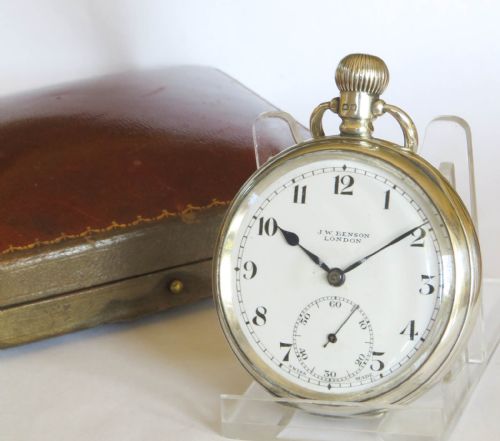
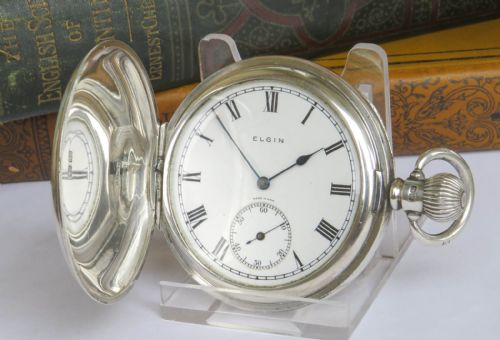
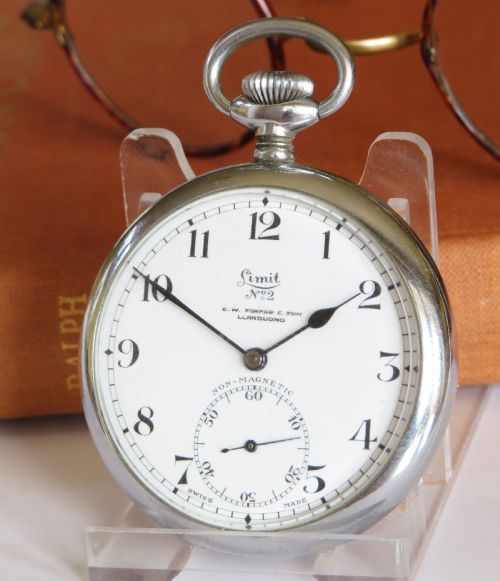
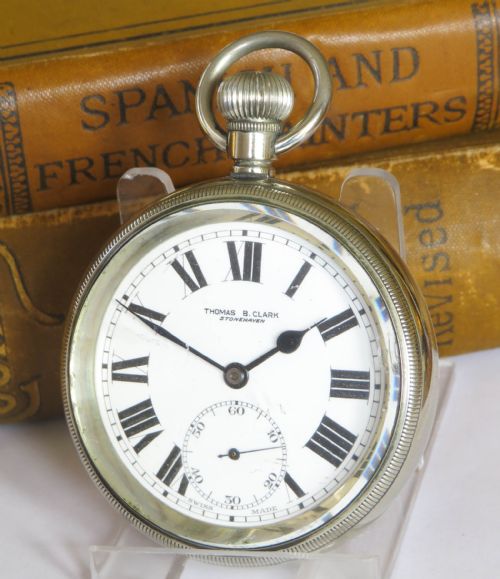
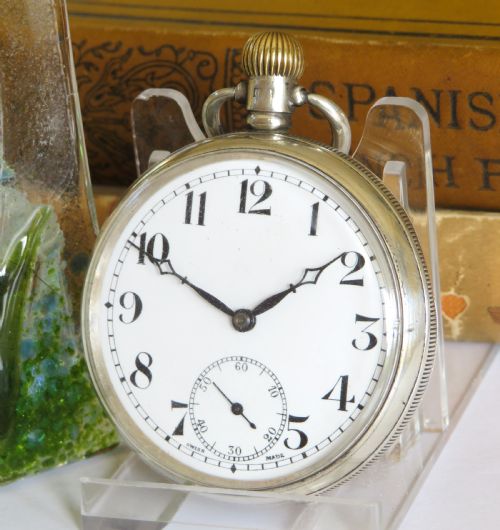
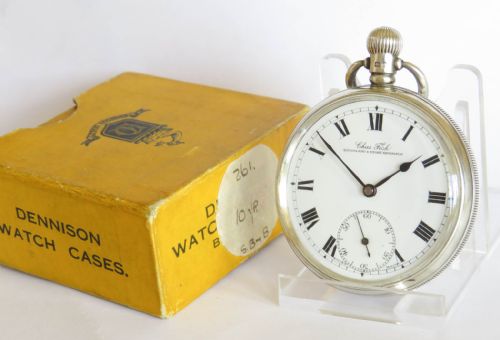
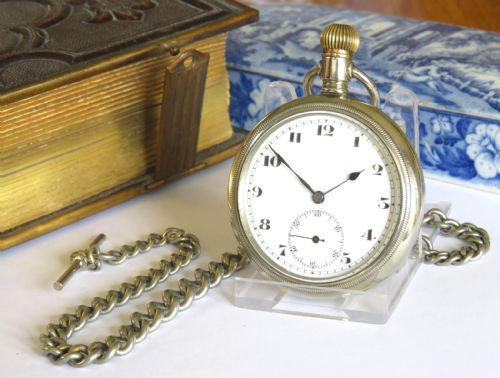
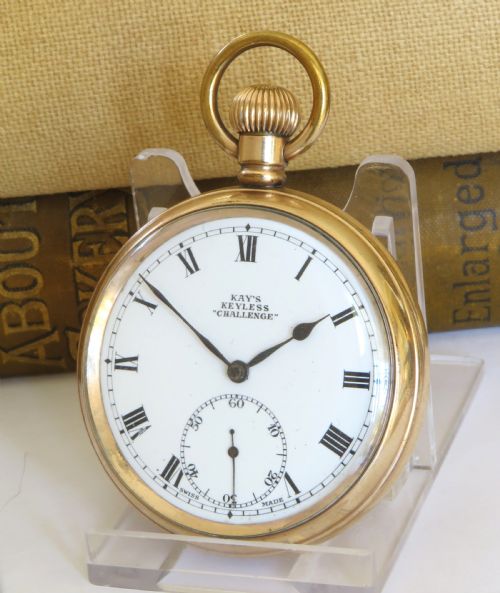
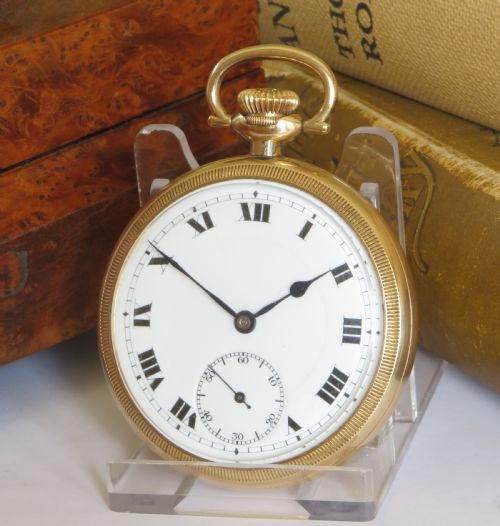
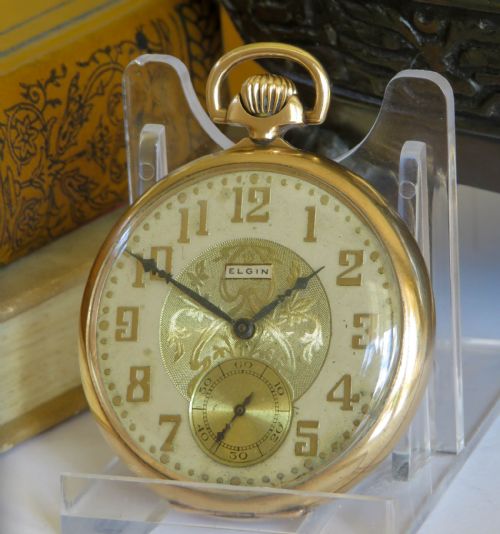
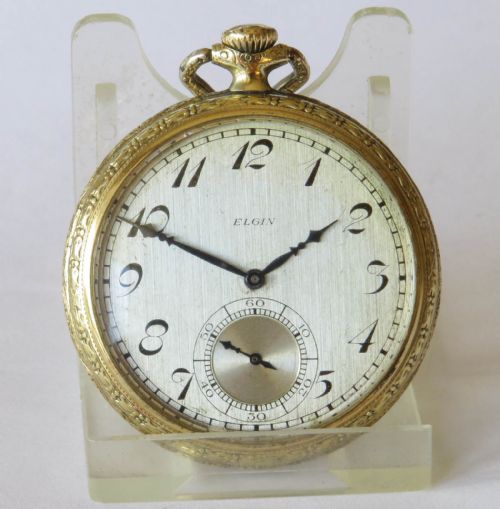
A 1920s vintage pocket timepiece encompasses mechanical pocket watches and travel clocks produced during the 1920 and 1930 periods. The pieces on this page include open-faced watches, hunter variants, half hunter designs, and foldable silver cases with presentations.
Makers and brands represented in these examples range from J W Benson, Elgin, Limit, Revue, Horos, Kays, Globe Watch Co, Lonville, Nirvana International, Record, Tavannes, Omega, to Monte Ancre. Origin points recorded in the titles span British locations such as Llandudno and Stonehaven, alongside Swiss manufacture.
How they were made
Construction relies upon metals such as steel, gold, gold plate, silver, and sterling silver, frequently detailed with glass and enamel dials. Cases often feature engine-turned decoration applied to the exterior metal surfaces.
Movements are mechanical, exemplified by jewelled Swiss mechanisms like the fifteen jewel configuration seen on gold pocket watches. Hallmarked silver is utilised for travel clock cases and pocket watch bodies alike.
Listings demonstrate both open-faced and hunter configurations produced in silver, gold, and gold-plated metals during the 1920 and 1930 periods.
What varies in quality
The choice of casing material creates a primary distinction, moving from gold plate and standard metal up to solid sterling silver, nine-carat gold, and fourteen-carat gold. Precious metal construction elevates the inherent substance of the object.
Complexity of the casing design also separates examples, distinguishing standard open-faced models from half hunter and full hunter pieces, or engine-turned items. Internal specifications such as jewelled movements further define the grade of manufacture.
J W Benson·Elgin·Limit·Revue·Horos·Globe Watch Co·Lonville·Nirvana International·Record·Tavannes·Omega·Monte Ancre
The 1920s Vintage Pocket Timepiece Glossary
- Hunter pocket watch
- A pocket watch featuring a spring-hinged metal cover that protects the glass dial from damage. This protective lid is released via a push-piece on the crown.
- Half hunter pocket watch
- A variation of the hunter case where the outer lid has a glass-centred aperture or glazed window, allowing the time to be read without opening the cover.
- Engine-turned
- A decorative technique involving precise geometric patterns engraved into metal casing by a lathe. This ornamentation is characteristic of Art Deco design.
- Gold plate
- A layer of gold bonded to a base metal core, providing the appearance of solid gold at a different scale of production. It appears frequently across interwar timepieces.
- Hallmarked silver
- Precious metal stamped with official assay marks to guarantee its silver purity. These stamps verify the standard of the material.
1920s Vintage Pocket Timepiece: Frequently Asked Questions
What is a half hunter pocket watch?
A half hunter pocket watch possesses a protective metal lid over the dial with a small central window. This permits a quick glance at the hands without releasing the spring catch.
Such designs balance protection for the glass face with immediate readability during daily use.
How do I wind a 1920s pocket watch?
Winding is typically performed by turning the crown at the top of the pendant clockwise until resistance is met. Care should be taken not to overwind the mechanical movement.
Setting the time involves pulling the crown gently upward or pressing a small pin set into the case, depending on the specific mechanism.
What materials were used for these watches?
Makers utilised a spectrum of materials including steel, gold plate, silver, sterling silver, nine-carat gold, and fourteen-carat gold. Enamel and glass complete the dial components.
Precious metals are frequently identified by hallmarks stamped into the inner casing.
Where were these pocket timepieces made?
Production spanned British firms and Swiss manufacturers, with specific locations like Llandudno and Stonehaven appearing in historical inscriptions. Swiss movements were widely integrated into international brands.
British silver case manufacturing often carried official assay office hallmarks.