

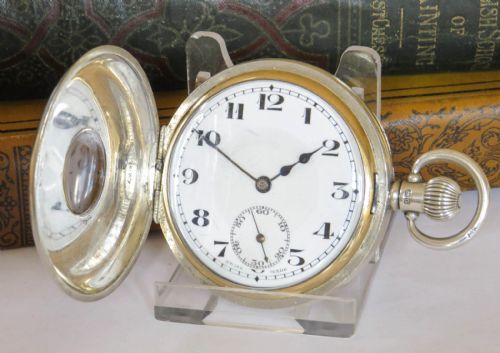
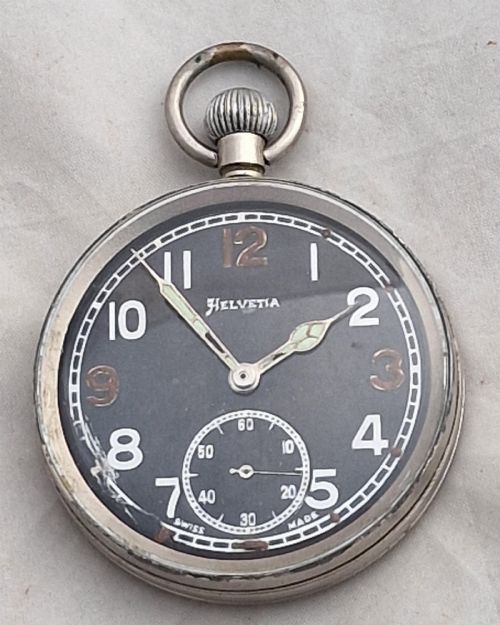
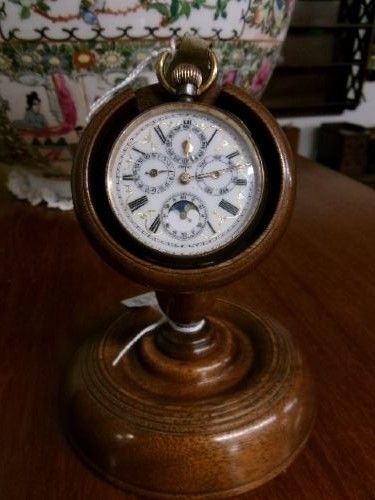
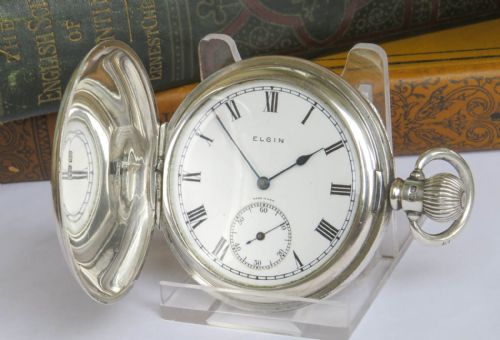
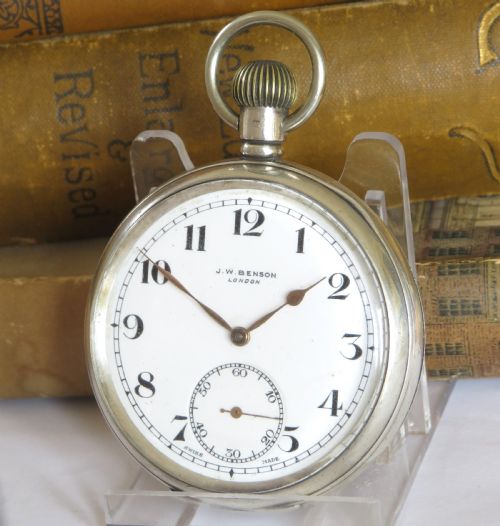
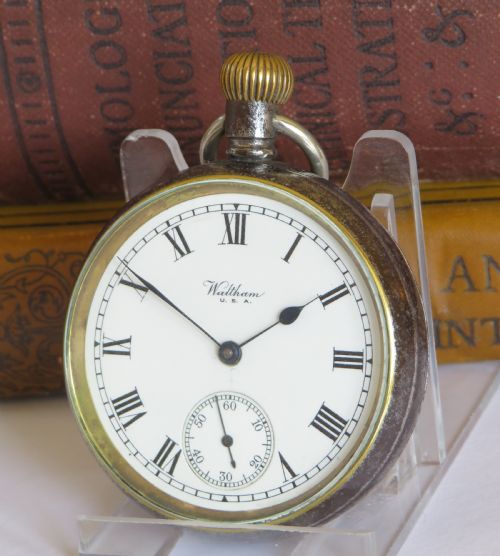
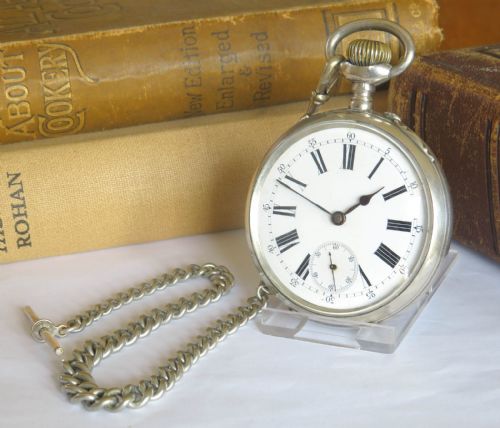
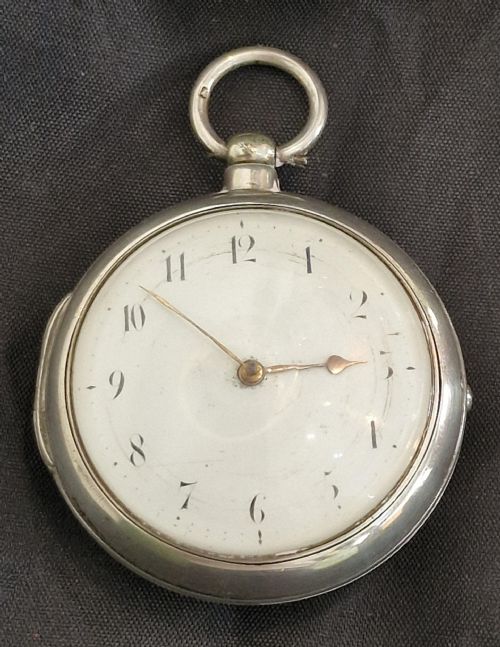


Collectable Pocket Watch
These collectable pocket watch examples are portable timekeepers and accessories spanning centuries of precision craftsmanship.
Collectable Pocket Watch
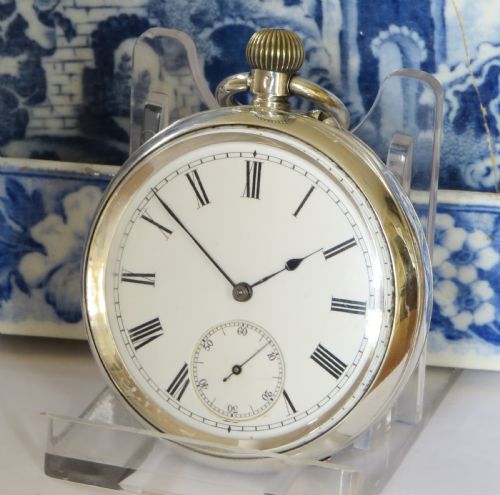
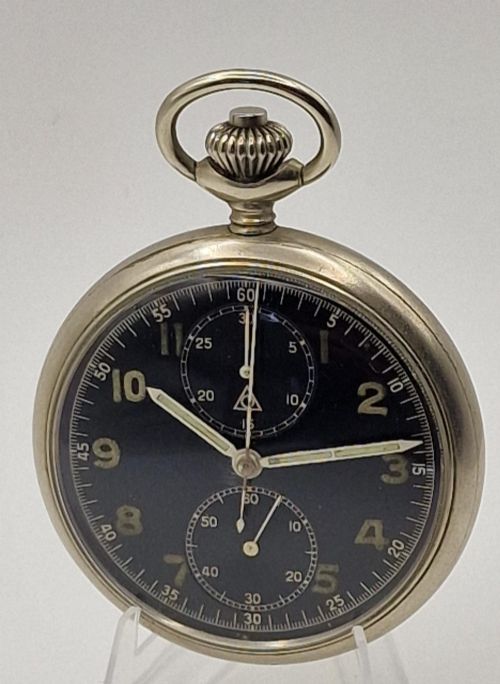
A collectable pocket watch represents a portable mechanical timekeeper housed in a protective case, often attached to a chain or fob for secure carrying in a waistcoat pocket. These pieces span centuries of horological evolution, ranging from early Georgian examples to robust military and railway issues of the mid-twentieth century.
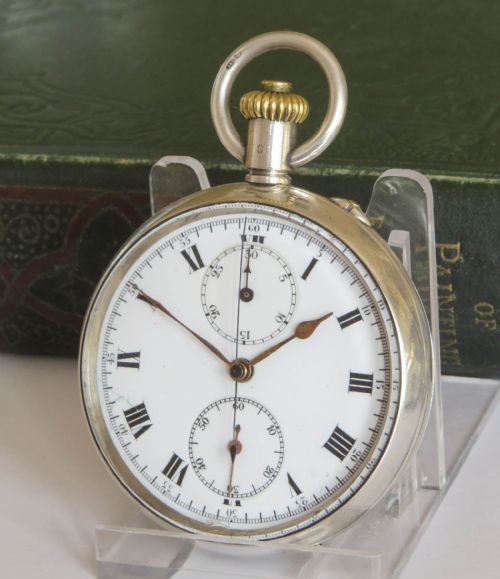
Buyers on this page will most frequently encounter pocket watches from the late nineteenth and early twentieth centuries, including Edwardian and Art Deco designs. These specimens often feature silver cases, enamel dials, and mechanical movements produced by established watchmakers.
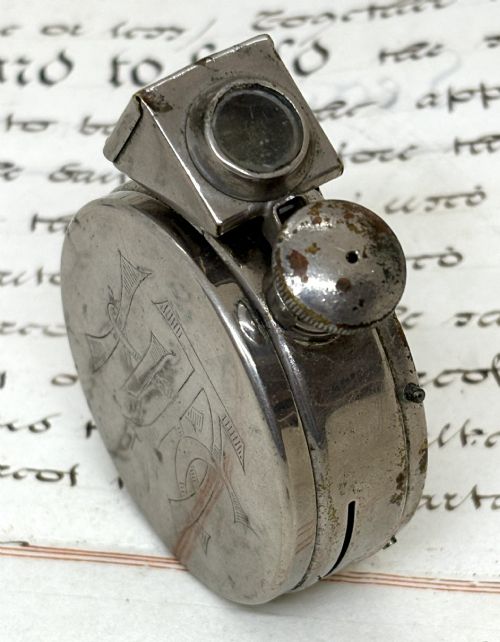
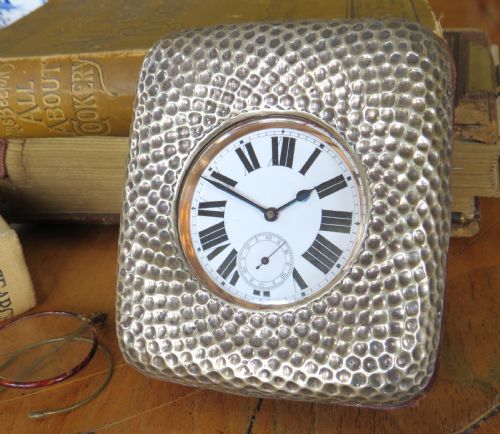
Beyond standard timekeepers, the selection encompasses specialised variants such as hunter cases, goliath watches, railway memorabilia, and related accessories like watch hooks. Each object reflects the functional requirements and stylistic tastes of its specific period.
How they were made
Cases utilise a variety of metals suited to the period and purpose, spanning silver, gold plate, steel, nickel, gunmetal, and chrome. Enamel is frequently applied to dials for clear legibility and decorative effect, protected by fitted glass crystals.
Movements rely on intricate mechanical gearing assembled by hand, housed within protective outer cases that often incorporate hinged dust covers. Specialist variants, such as calendar or moonphase complications, require advanced micro-mechanical engineering.
Collectable Pocket Watch Retail Price Guide 2026
Typical asking prices for collectable pocket watch among the pieces listed under this phrase on Sellingantiques today, from the lower quarter to the upper quarter. They describe what is for sale here now, not the wider market.
Materials recorded across the inventory include solid silver, gold plate, gunmetal, chrome, steel, nickel, enamel, and glass.
What varies in quality
The degree of refinement in the movement and the complexity of the dial work distinguish finer pieces from standard utilitarian timekeepers. Hand-painted maritime scenes or intricate calendar mechanisms indicate higher status and superior craftsmanship.
The choice of casing material and the integrity of the metalwork play a significant role in the overall calibre of the object. Solid silver or gold-cased examples from notable makers demonstrate a level of finishing superior to base metal industrial counterparts.
Helvetia·Cyma·J W Benson·Waltham·Vertex·Consul·Elgin·Zenith·Phoenix·A. Golay-Leresche Geneve
The Collectable Pocket Watch Glossary
- Hunter pocket watch
- A pocket watch featuring a spring-loaded metal cover that protects the glass dial from damage. This design requires the user to press a crown button to flip the lid open.
- Half hunter pocket watch
- A watch case design incorporating a small glass aperture or transparent ring on the outer lid. This allows the wearer to read the hands without opening the protective cover.
- Verge escapement
- An early mechanical escapement mechanism utilised in antique timepieces. It regulates the release of power from the mainspring through a crown wheel and pallet arrangement.
- Goliath pocket watch
- An oversized pocket watch produced primarily for desk travel or carriage use. These substantial timepieces often require dedicated stands or heavy duty chains.
- Enamel dial
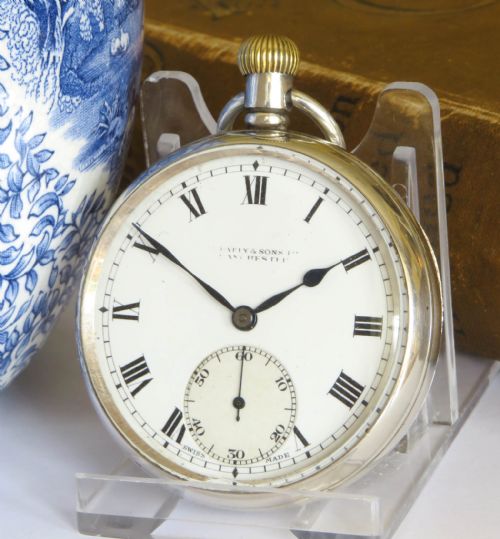
- A watch face created by fusing powdered glass to a metal substrate at high temperatures. This technique produces a durable, smooth surface that resists fading.
Collectable Pocket Watch: Frequently Asked Questions
How do I wind a pocket watch?
Most mechanical pocket watches are wound by turning the crown clockwise until resistance is felt. Care must be taken not to overwind the mainspring, as this can damage the internal components.
Key-wound antique specimens require a dedicated winding key inserted into a square arbor on the rear case or dial face. Ensure the correct key size is utilised to prevent stripping the winding square.
What is the difference between a hunter and an open face watch?
An open face watch has no protective metal cover over the glass crystal, allowing the time to be read immediately at a glance. This style is typical of railway and military issues where rapid visibility is essential.
A hunter watch encloses the dial behind a hinged metal lid that springs open via the crown mechanism. This design provides extra protection for the glass during active daily wear.
How were railway pocket watches used?
Railway pocket watches served as critical precision instruments for station masters and train crews to coordinate timetables accurately. Strict standards governed their accuracy, legibility, and maintenance.
These timepieces were often secured to the uniform via sturdy chains and stored in dedicated waistcoat pockets. Their reliable movements ensured safe synchronisation across railway networks.
How do I care for an antique pocket watch?
Store the timepiece in a clean, dry environment away from extreme temperature fluctuations and magnetic fields. Regular handling should be gentle to avoid dropping or jarring the delicate internal mechanics.
Service the mechanical movement periodically through a qualified horologist to ensure proper lubrication and timekeeping performance. Avoid exposing older cases and paper dial linings to moisture.