





Collectable French Art Glass
Collectable French art glass brings together brilliant colour and inventive design from the peak of European studio glassmaking.

Understanding collectable French art glass
Collectable French art glass covers decorative vessels produced during the early decades of the twentieth century. These pieces primarily take the form of vases and decorative bowls representing both Art Nouveau and Art Deco movements. Buyers find works originating from renowned French studios and makers working between nineteen hundred and nineteen thirty.
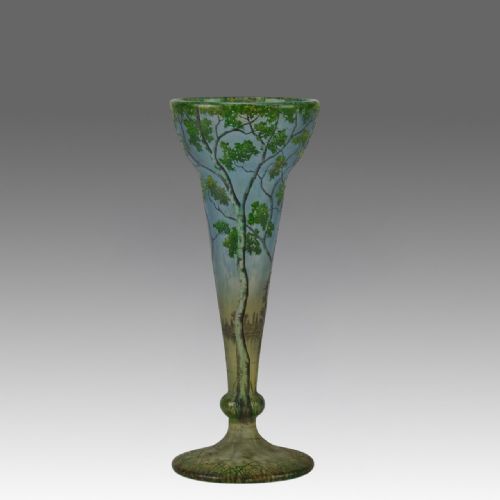
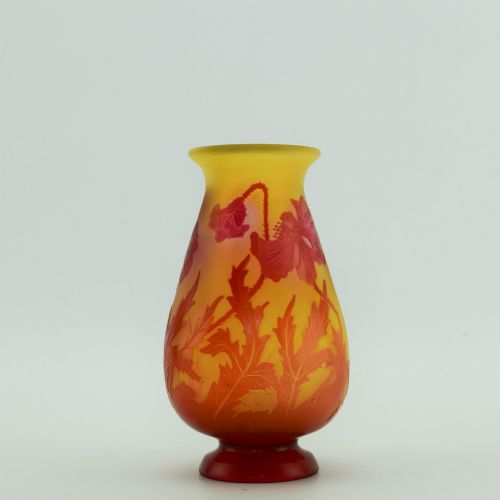
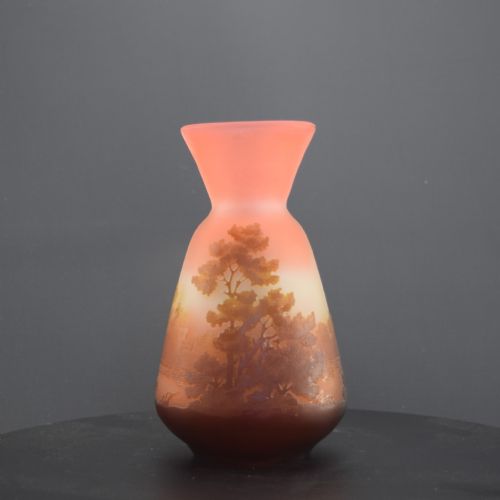
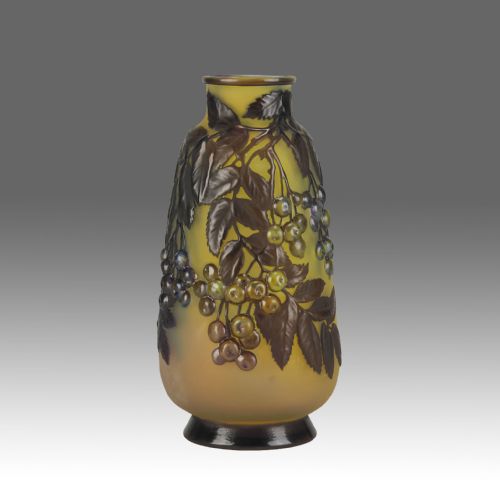
Art Nouveau examples display naturalistic motifs such as poppies, landscapes, and aquatic themes. Art Deco works shift towards geometric clarity and stylized botanical subjects like mistletoe. Each piece demonstrates the distinctive aesthetic priorities of its specific decade.
Materials and technique
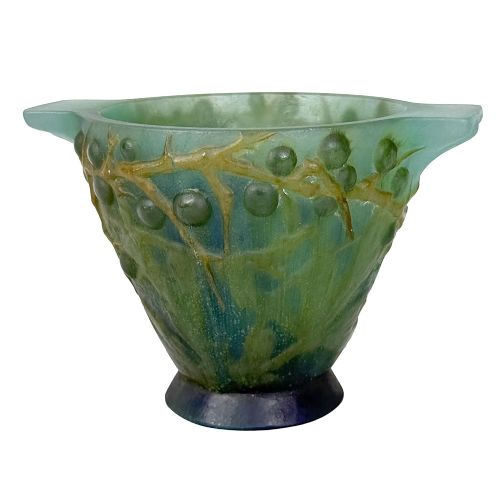
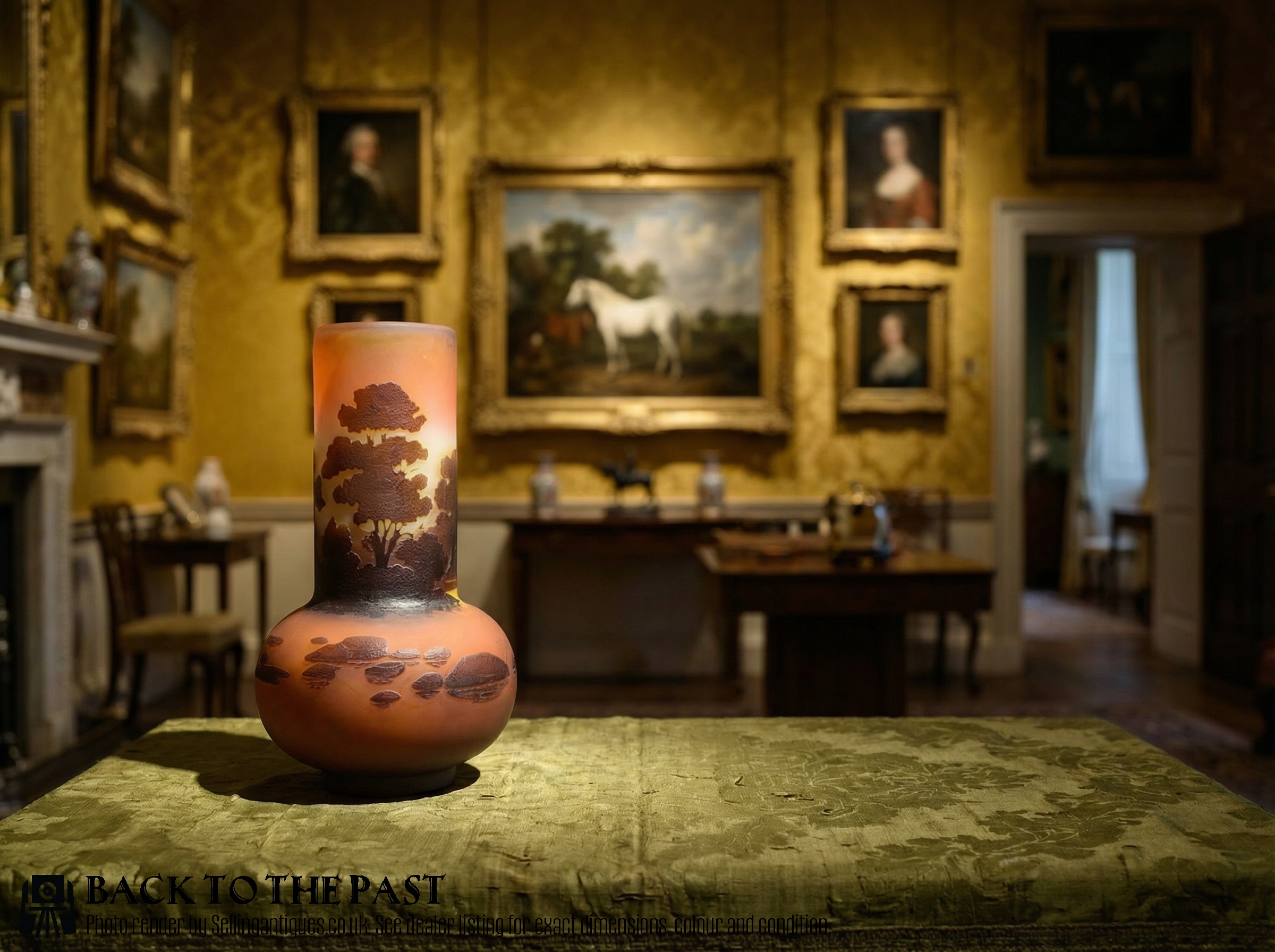
Makers utilised specialised techniques including cameo glass, acid-etched glass, opalescent glass, pate de verre, enamel, and moulded glass. Galle and Daum employed cameo glass and acid-etching to build up multi-coloured landscape and floral designs. Henry Bergé and Amalric Walter worked extensively in pate de verre, creating textured, granular surfaces.
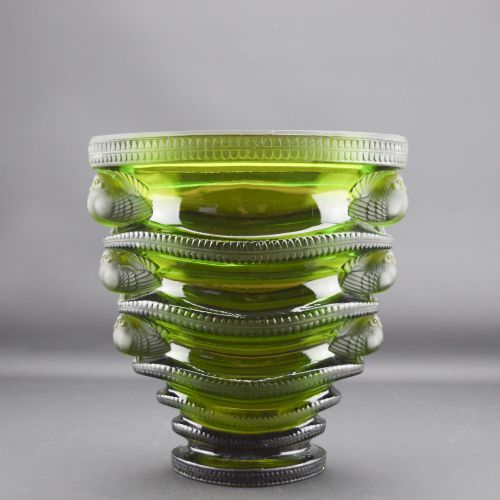
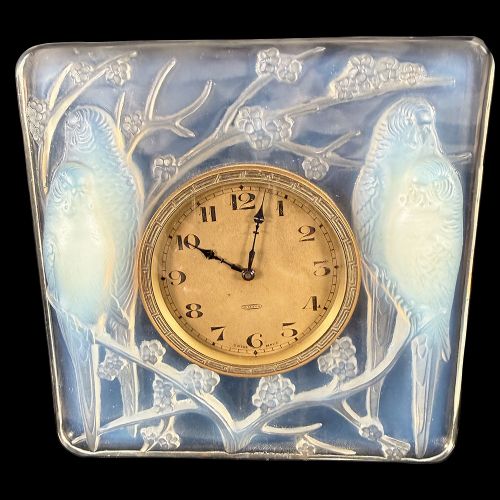
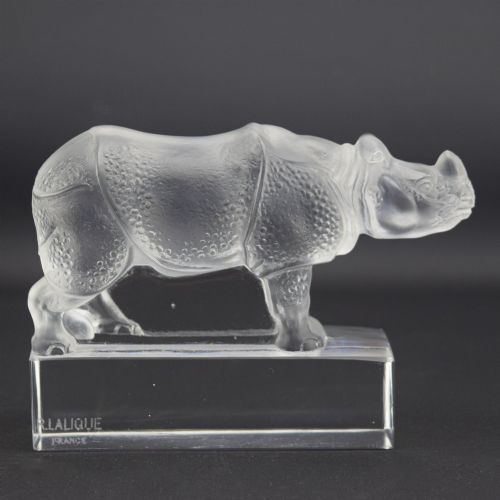
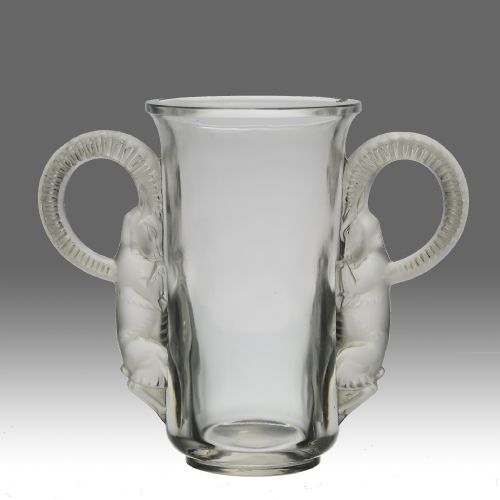
René Lalique utilised opalescent and moulded glass to achieve striking translucency and sculptural depth. The combination of coloured glass layers, chemical etching, and kiln-forming created varied surface textures. Artisans manipulated glass chemistry to produce rich brown, peach, and tonal variations across individual vessels.
Retail Price Guide 2026
Typical UK retail prices for collectable french art glass, calculated from the Sellingantiques database of over a million retail prices indexed since 2003. This retail price guide relies exclusively on Sellingantiques data; no external sources or auction records are used, so the figures do not describe the wider market.
Galle artists found inspiration for their aquatic vases in murky ponds, turning pond weeds into high art.
Assessing quality
Quality in these glass pieces rests on the crispness of execution and the ambition of the design. Acid-etched cameo works succeed when the depth of the layers creates genuine pictorial perspective rather than flat contrast. Pate de verre demands precise control over colour distribution and texture during the kiln firing.
Moulded and opalescent vessels achieve distinction through sharp definition in the relief work and a lively play of light within the material. The signature or mark of the maker, whether cameo signature or moulded stamp, confirms the standard of studio production.
Henry Bergé·Amalric Walter·Galle·Daum·René Lalique
The Collectable French Art Glass Glossary
- Cameo glass
- A vessel formed of multiple layers of differently coloured glass fused together, then carved or acid-etched to create a raised design. This technique allows for intricate tonal contrast and pictorial depth.
- Pate de verre
- Glass paste packed into a mould and fused in a kiln to produce objects with a sugary, granular texture and dense colour. The method creates solid, sculptural pieces with subtle surface mottling.
- Acid-etched glass
- Glass treated with hydrofluoric acid to eat away specific areas of the surface, creating designs or frosted textures. It offers a precise alternative to hand-carving.
- Opalescent glass
- Glass containing agents that cause it to milky-blue in transmitted light and warm amber in reflected light. Makers utilise this effect to highlight moulded relief details.
- Art Nouveau
- An international style of art and architecture prominent between eighteen ninety and nineteen ten, characterised by undulating asymmetrical lines inspired by natural forms. French glassmakers adopted this vocabulary for floral and landscape vessels.
Frequently Asked Questions
What is cameo glass?
Cameo glass involves layering different colours of glass and then removing portions of the outer layers to reveal the contrasting colour beneath.
Artists use carving tools or acid-etching to achieve precise pictorial designs such as landscapes and florals.
Where should I display my vase?
Place your glass vessel in a position with strong natural light to highlight its colour and transparency.
Avoid direct, intense sunlight that might alter sensitive pigments over extended periods.
What is pate de verre?
Pate de verre translates as glass paste, formed by packing crushed glass and fluxes into a mould before firing.
This technique produces opaque, granular objects with rich tonal variation and tactile surface quality.