

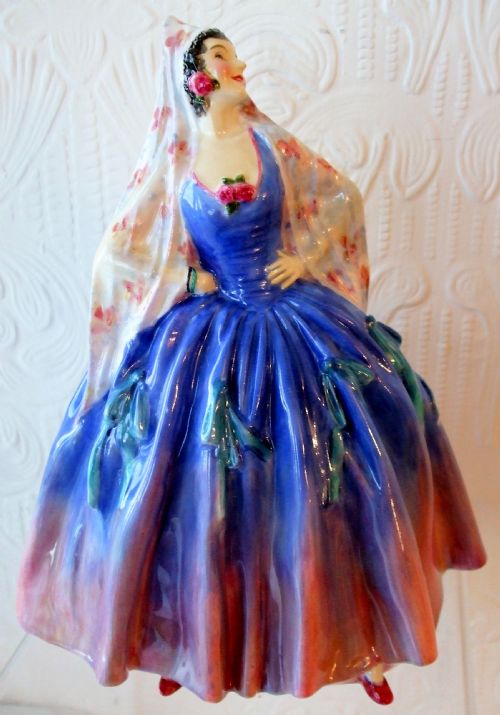


Collectable English China
Collectable english china spans centuries of domestic artistry, offering cabinet plates, teacups and figures that reward careful study.
Collectable English China
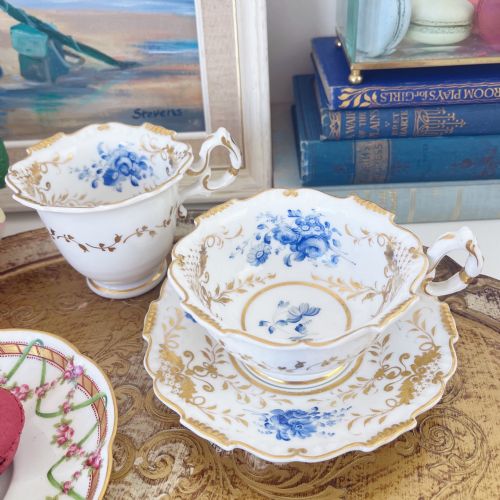
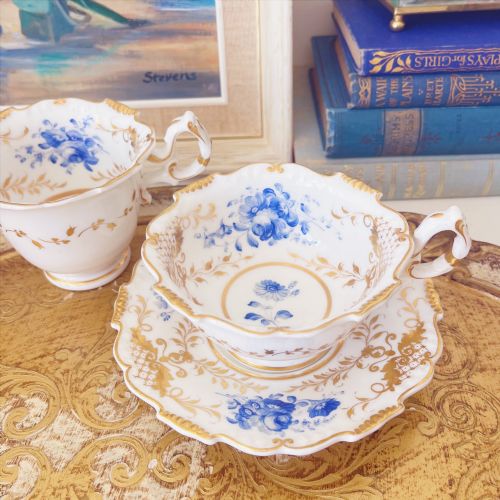
When you search for collectable english china, you encounter objects ranging from Georgian tea bowls to mid-century figures and painted plates. The selection draws heavily on nineteenth-century pieces alongside works produced across the twentieth century up to the 1960s.
The material takes many forms, predominantly porcelain and bone china, shaped into cabinet plates, teacups and saucers, decorative bowls, vases and figurative sculptures. These diverse objects reflect distinct periods including Regency, Victorian, Edwardian and Art Deco aesthetics.
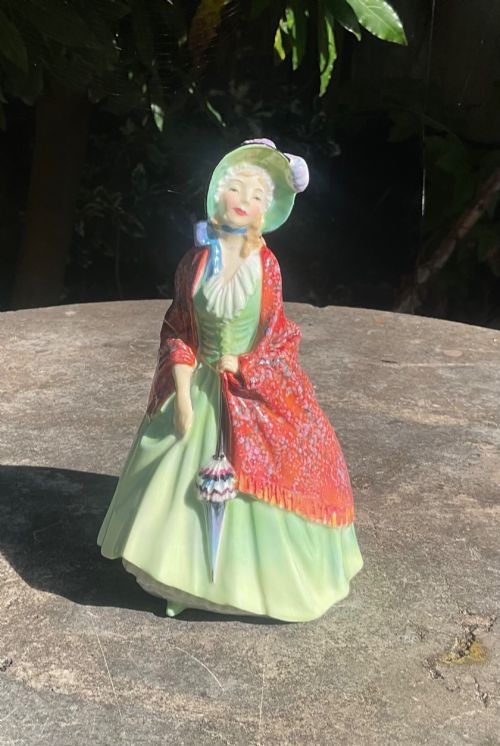
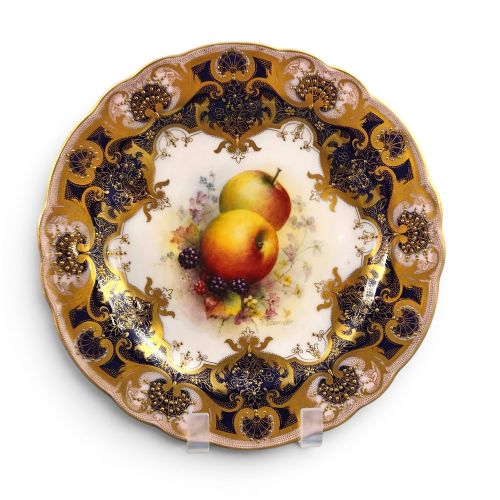
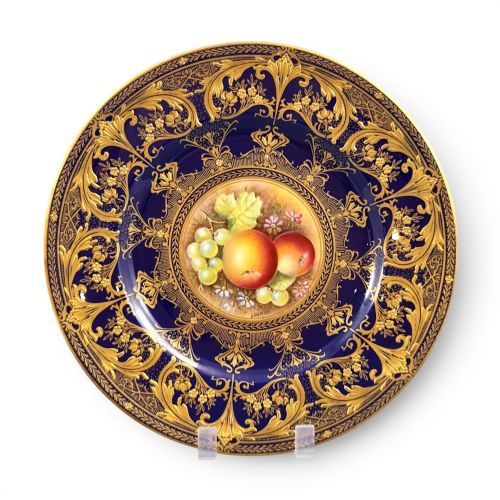
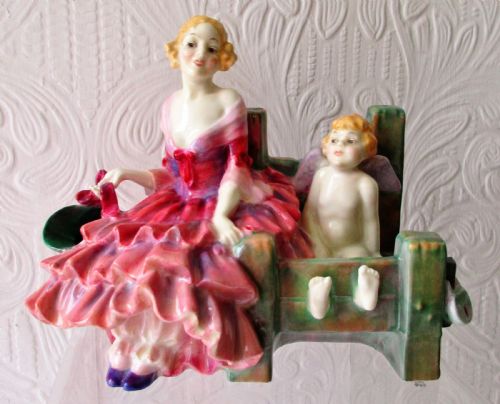
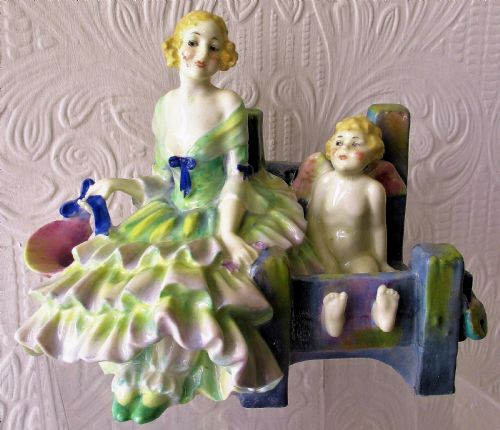
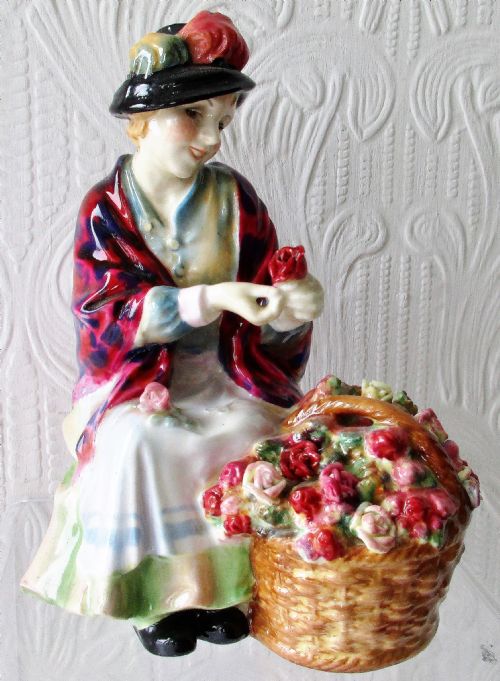
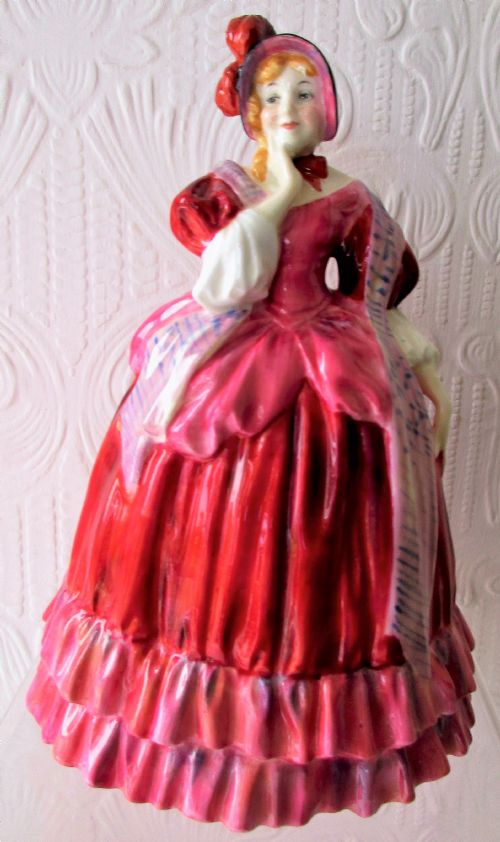
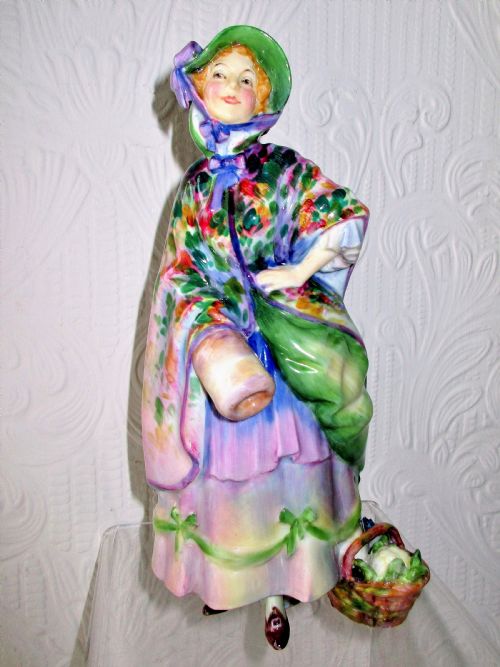
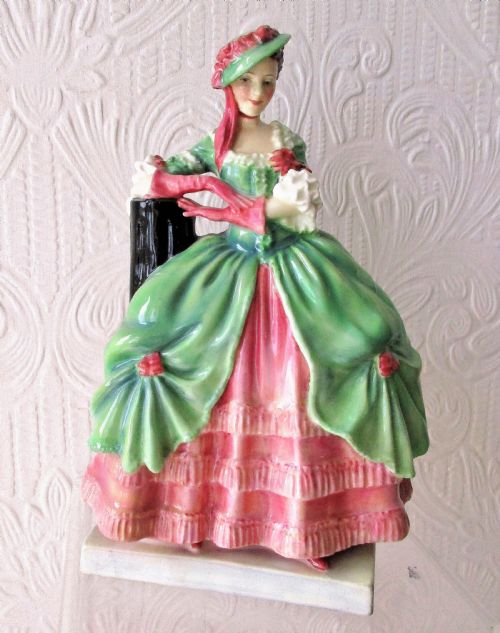
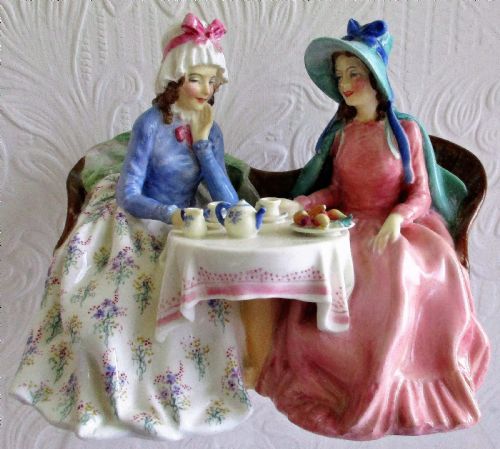
You are most likely to meet Royal Doulton porcelain figurines alongside Royal Worcester painted fruit plates and various nineteenth-century tea trios. Each category demonstrates specific regional traditions associated with historic English potteries.
Materials and methods
The pieces rely on refined porcelain and bone china bodies, shaped either by throwing on a wheel or pressing into moulds to create intricate figurines, plates and vessels. Artisans then applied glaze to seal the surface before firing the ceramic in kilns at high temperatures.
Decoration involved meticulous hand-painting, often enhanced with gold leaf, gilt and enamel details to produce rich botanical scenes, figures and patterns. Specific workshops employed specialist artists to execute hand-painted fruit, floral motifs and oriental designs directly onto the glazed porcelain.
Listings feature porcelain and bone china from the Georgian era through to the 1960s, encompassing figures, plates and vases.
Distinctions in standard
The fineness of the painting dictates much of the distinction between standard items and exceptional works, particularly on cabinet plates where artist-signed fruit and floral studies demand superior brushwork. The crispness of mould relief on porcelain figures and relief-moulded vases similarly separates routine factory output from master modeller execution.
The application of gold leaf and enamel also marks the divide, with precision gilding and vibrant glaze effects indicating higher tier production. Preservation of the painted surface, glaze integrity and clarity of factory backstamps further inform the standing of individual pieces.
H & R Daniel·Royal Doulton·Royal Worcester·Flight Barr & Barr·Wedgwood·Coalport
The Collectable English China Glossary
- Bone china
- A type of porcelain incorporating bone ash, developed to produce a strong, translucent ceramic body used widely in English tableware.
- Cabinet plate
- A decorative plate intended for display in a cabinet rather than for dining use, frequently featuring hand-painted scenes.
- Enamel
- Opaque vitreous material fused to the surface of porcelain to add colourful decorative details and patterns.
- Gilt
- A thin layer of gold applied to the surface of the ceramic to accent rims, handles and decorative motifs.
- Trio
- A matching set comprising a teacup, a saucer and a matching secondary plate.
Collectable English China: Frequently Asked Questions
How do I identify older english china?
Examination of the base often reveals factory backstamps, impressed marks or pattern numbers that correspond to specific production eras. Stylistic indicators like glaze texture and hand-painted details also help distinguish earlier Georgian and Victorian pieces from twentieth-century manufacture.
Comparing the weight, translucency and ceramic body composition provides additional clues to age. Porcelain and bone china evolved significantly across the eighteenth and nineteenth centuries, altering the feel of the material.
What is a cabinet plate?
A cabinet plate is a decorative ceramic plate produced primarily for display within a cabinet or on a wall rather than for serving food. These pieces typically feature elaborate hand-painted artwork, gilt borders or intricate fruit and floral studies by named artists.
Because they were meant for viewing, cabinet plates frequently survive in pristine condition with minimal wear to the glazed surface. They represent some of the highest painting standards achieved by historic English potteries.
How should I display porcelain figures?
Porcelain figurines require stable placement away from direct sunlight and areas subject to sudden temperature fluctuations. Enclosed display cabinets protect delicate hand-painted surfaces, gold gilding and fragile extremities from dust and accidental impact.
adequate spacing prevents crowding, allowing the modelling and facial expressions of figures to remain clearly visible. Avoid placing pieces near heat sources that might stress the ceramic body over time.
Are painted fruit plates genuine antique art?
Painted fruit plates from English factories often represent the work of specialist ceramic artists who trained specifically in botanical and still-life painting. Workshops employed accomplished painters to execute detailed studies of apples, peaches and grapes directly onto the porcelain body.
These pieces function as miniature canvases framed by gilded borders and rope edges. Signed works by notable painters carry particular significance within the history of English ceramics.