
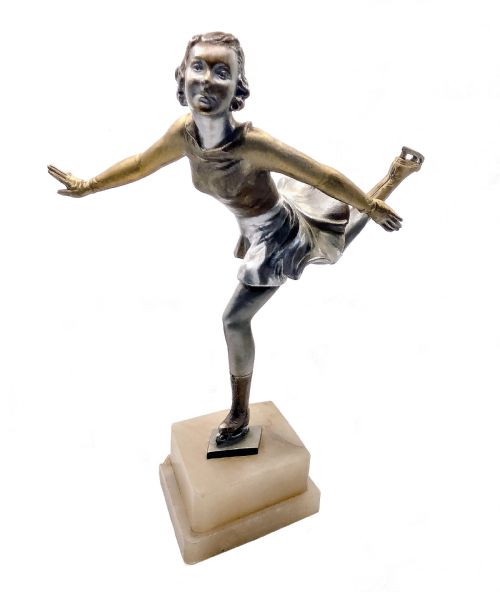


Cold Painted Metal Figurine
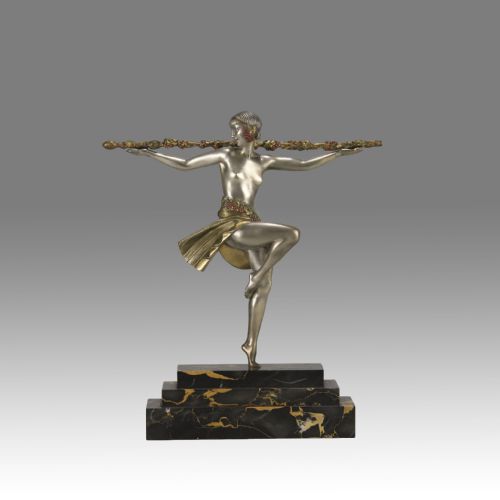
A cold painted metal figurine brings expressive colour and character to a desk or mantelpiece through detailed miniature casting.
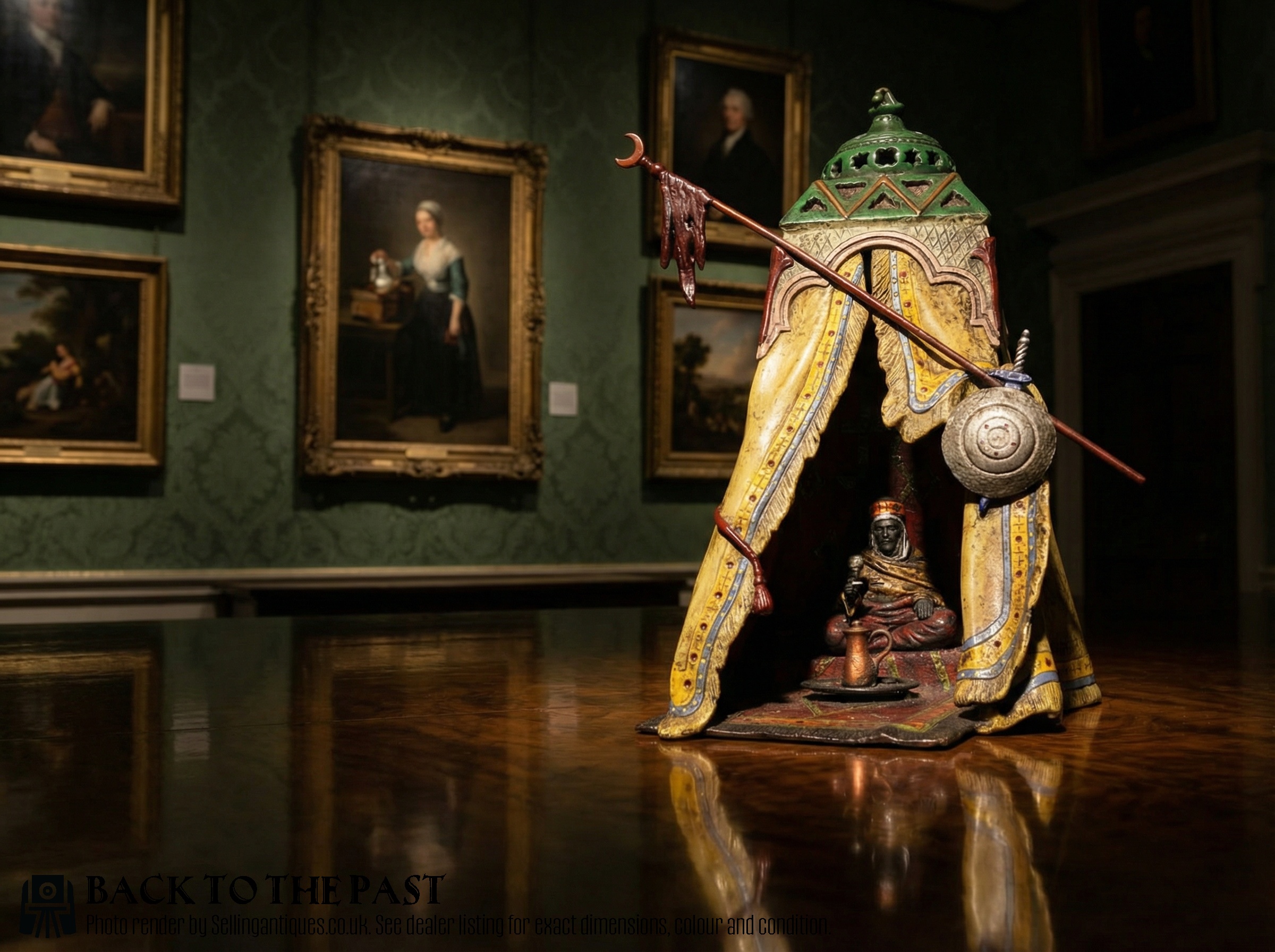
Cold Painted Metal Figurine
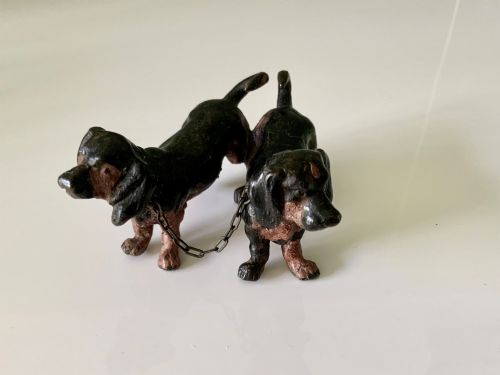
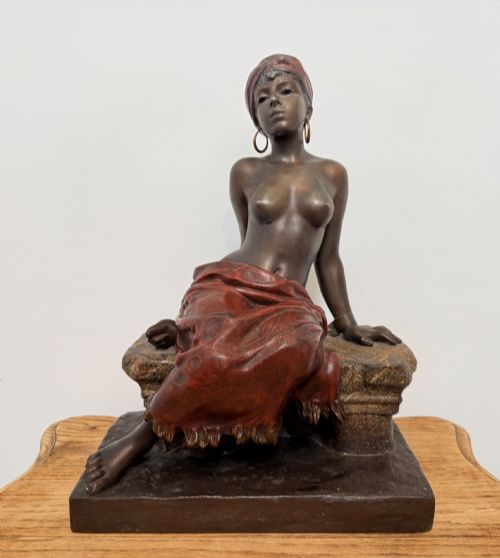
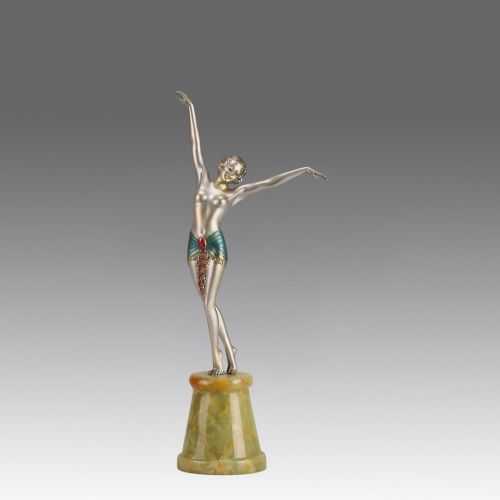
A cold painted metal figurine represents small sculptural works produced across the nineteenth and early twentieth centuries, spanning animal studies, human figures, and utilitarian items like inkwells or match strikers. When searching for a cold painted metal figurine, buyers encounter diverse subjects ranging from realistic wildlife and dogs to dancers and Orientalist scenes. The pieces on this page originate predominantly from the Victorian, Edwardian, and Art Deco periods, capturing changing tastes from naturalism to stylised modern forms.
Most examples originate from Austrian workshops or French foundries, utilising materials such as bronze, spelter, and marble or onyx bases. Formats vary from miniature animals and birds to larger table figures and desk accessories. The selection balances decorative appeal with functional objects that served everyday purposes in domestic interiors.
How they were made
Foundries cast these figures primarily in bronze or spelter using traditional methods, often mounting them onto natural stone plinths made of onyx or marble. Spelter served as a common base metal for economic French figures, while bronze formed the foundation for detailed Austrian and Viennese animal or human studies.
Makers applied polychrome oil or enamel paints directly onto the cold metal without subsequent firing, a technique that produced vibrant surface detail. Artisans also integrated functional elements like inkwells, pin cushions, and lighters directly into the cast metal body.
Some Victorian dogs were cast with such mischievous humour that even a stern desk clerk could not resist a smile.
What varies in quality
The quality of the material foundation and the integration of auxiliary elements, such as fitted stone plinths or functional inkwells, influence the overall calibre of the work. Maker attribution and foundry marks further distinguish pieces produced by established Viennese or French workshops from anonymous commercial output.
Pierre le Faguays·Josef Lorenzl·Fabergé·Franz Bergman·Jennings Brothers·Geo Maxim·Stephan Buchinger
The Cold Painted Metal Figurine Glossary
- Cold-painted bronze
- A bronze sculpture decorated with unfired oil paint applied directly to the metal surface. This technique allows for intricate polychrome detailing on small animal and human figures.
- Spelter
- A zinc-based alloy commonly used as an economical substitute for bronze in decorative figures. It accepts metallic or painted finishes well and appears frequently in Art Deco sculptures.
- Vienna bronze
- Small bronze sculptures produced by Austrian foundries, renowned for naturalistic animal studies and Orientalist subjects. These pieces received careful hand-painted cold finishing.
- Orientalist
- An artistic style reflecting Western fascination with Middle Eastern and North African subjects. Figures in this genre often depict figures in traditional regional dress.
- Onyx
- A banded variety of chalcedony used frequently as a heavy decorative base for metal figures and desk accessories. It provides a stable and polished plinth for small sculptures.
Cold Painted Metal Figurine: Frequently Asked Questions
What is cold painting?
Cold painting is a technique where oil or enamel colours are applied directly to a cast metal object without heat firing. This method preserves delicate surface details on small bronzes and spelter figures.
Because the paint remains unfired, these surfaces require careful handling to prevent flaking or loss over time.
How do I clean these figures?
Dust these pieces gently with a soft dry brush to protect the delicate painted surface. Avoid liquid cleaners, water, or chemical solvents which can strip the cold-painted colours.
Displaying the figurine away from direct sunlight also helps prevent the painted pigments from fading.
Are these pieces functional?
Many examples combine decorative sculpture with practical uses, functioning as inkwells, match strikers, pin cushions, or table lighters. Victorian and Edwardian makers frequently integrated utility into art objects for the desk or smoking room.
Other items served purely as decorative ornaments, animal studies, or car mascots.
How do I distinguish bronze from spelter?
Bronze is a heavier, copper-based alloy with a resonant sound and high durability, while spelter is a softer zinc alloy. Spelter figures often show a lighter weight and may reveal a greyish metal underneath any worn paint.
Foundry marks and the crispness of the casting details also help identify the underlying metal.