



Cobalt Glass Vessel
A cobalt glass vessel brings a deep, striking blue hue to any room, offering both decorative beauty and functional history.
Cobalt Glass Vessel
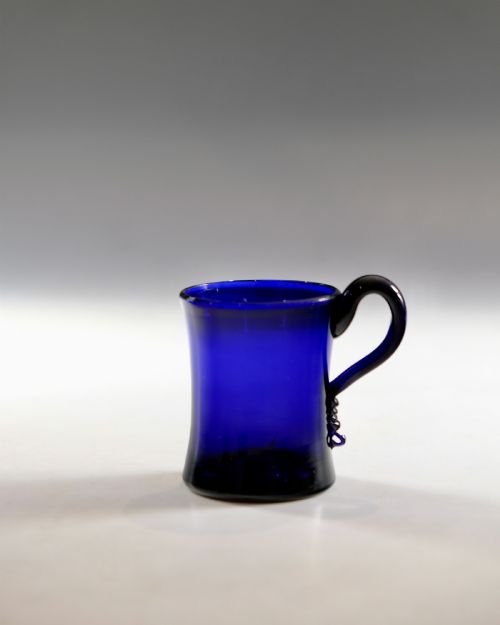
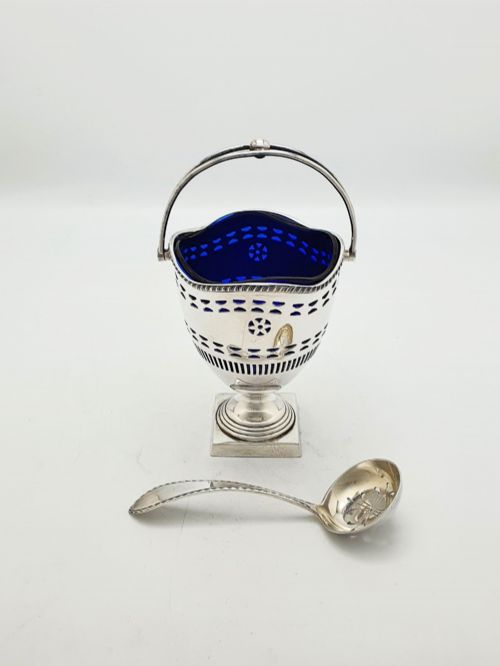
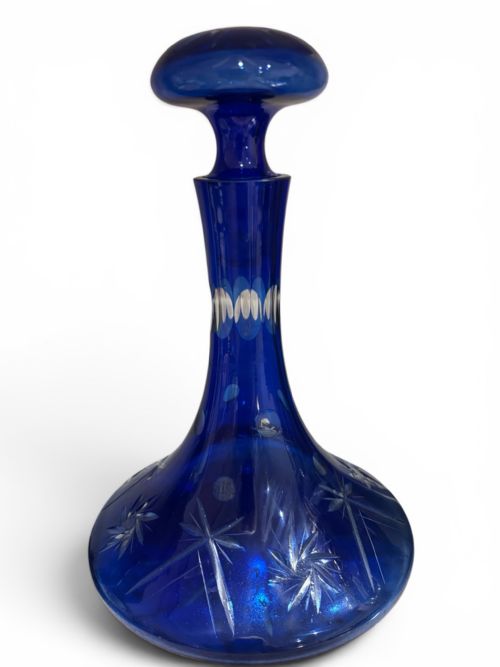
A cobalt glass vessel encompasses various forms ranging from Georgian bonnet glasses and tankards to Victorian mustard pots, sugar bowls, decanters, and apothecary bottles. Buyers search for this specific phrase to acquire rich blue glass items that often incorporate sterling silver, silver plate, or pewter mounts.
The selections span multiple eras, including 18th Century, Georgian, Victorian, Edwardian, and Art Deco periods. Alongside British and Bohemian examples, one finds Chinese Peking octagonal bottle vases and Belgian pieces.
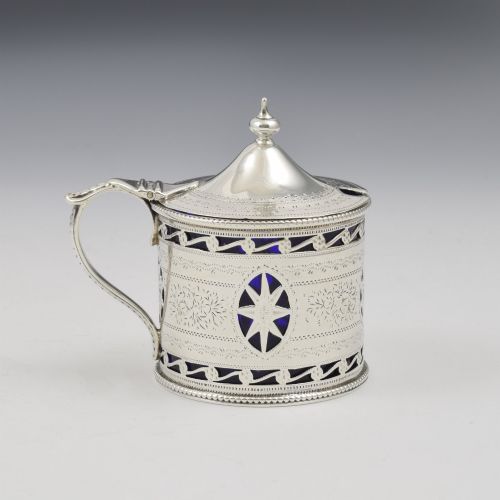
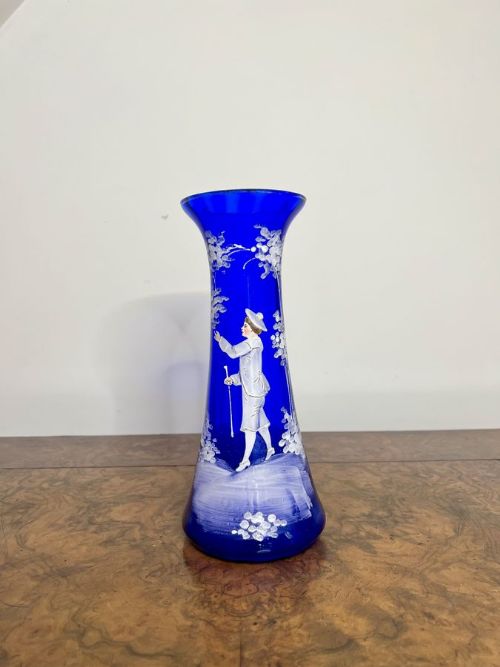
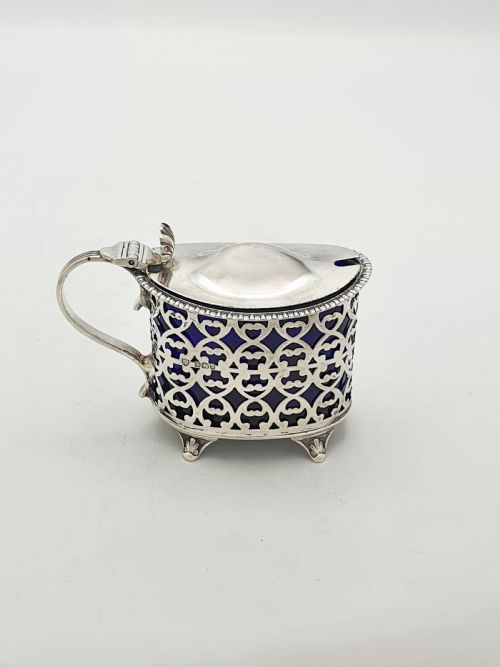
Vessels on this page appear as standalone decorative vases, cut-to-clear glassware, or functional tableware such as mustard pots complete with glass liners. Each piece demonstrates the enduring appeal of deep blue coloration combined with traditional craftsmanship.
Materials and construction
Makers utilised lead glass, lead crystal, and standard glass infused with cobalt to achieve the characteristic vibrant blue tone. Enamel paint, silver plate, sterling silver, and pewter overlay frequently supplement the glass body.
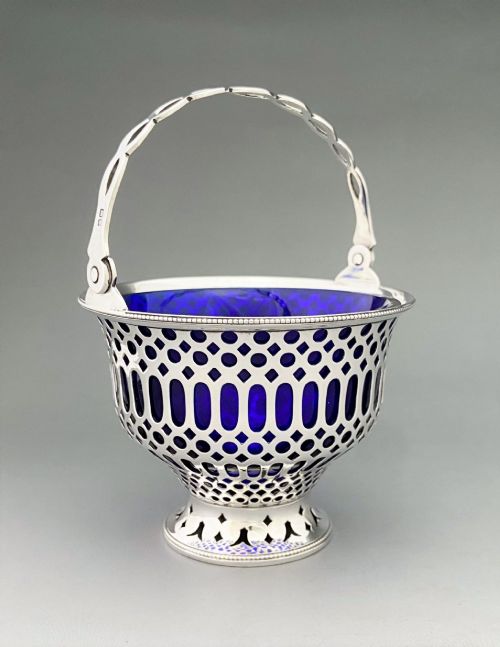
Techniques range from free-blowing and cutting-to-clear to pierced silver metalwork that cradles delicate blue liners. Apothecary bottles display painted white labels directly on the coloured glass surface.
Listings feature items spanning the 18th Century, Georgian, Victorian, Edwardian, and Art Deco periods, incorporating sterling silver, lead crystal, enamel, and pewter.
Determinants of quality
Quality rests upon the depth and uniformity of the cobalt hue, alongside the precision of any cut glass facets or enamel painted details. Superior examples display crisp cutting and well-preserved surface decoration.
The calibre of accompanying metalwork, such as pierced sterling silver frames or pewter overlays, dictates the overall grade of the piece. Maker attribution and the crispness of hallmarks on silver components further elevate a vessel's standing.
Nathan & Hayes·Val St. Lambert
The Cobalt Glass Vessel Glossary
- Cobalt glass
- Glass coloured by the addition of cobalt oxide during melting, resulting in a rich, intense blue shade. This material remains stable and retains its vivid colour over centuries.
- Bonnet glass
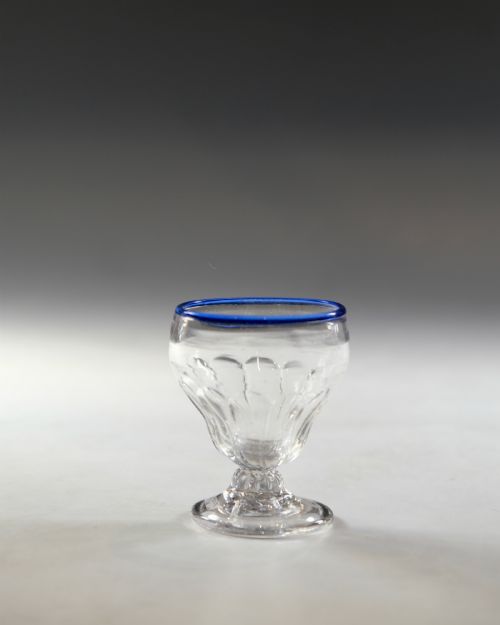
- A small, footed glass bowl used in the 18th century for sweetmeats or floating wicks. They often feature ogee bowls and blue glass rims.
- Cut to clear
- A double-layered glass technique where the outer coloured layer is carved away to expose the clear glass beneath. This creates sharp contrast and intricate patterns.
- Apothecary bottle
- A vessel designed to hold medicines, chemicals, or tinctures in a dispensary. They frequently feature enamel-painted labels to identify the contents.
- Pewter overlay
- Decorative metalwork applied directly to the exterior of a glass vessel. This technique gained particular popularity during the Art Nouveau period.
Cobalt Glass Vessel: Frequently Asked Questions
What is a cobalt glass vessel used for?
These vessels served diverse roles throughout history, functioning as dining table accessories like mustard pots and sugar bowls, or as decorative vases and apothecary bottles. Their rich colour also protected light-sensitive contents in medical settings.
Today, collectors utilise them as striking decorative centrepieces or functional containers within period home interiors.
How do I identify a Georgian cobalt glass vessel?
Georgian pieces typically exhibit specific forms such as double ogee bonnet glasses, small tankards, or swing-handled baskets. The glass often shows subtle bubbles or irregularities characteristic of 18th-century production methods.
Matching the object type and general manufacturing traits to the period helps confirm the age of these early items.
What distinguishes Victorian blue glass?
Victorian examples frequently incorporate cut-to-clear patterns, enamel painted decorations, or Mary Gregory style motifs. They also commonly feature hallmarked sterling silver mounts, such as pierced mustard pot frames.
The combination of vibrant blue glass with ornate silver work or applied pewter defines much of the 19th-century output.
Are silver mounts common on these vessels?
Silver mounts appear frequently on mustard pots, sugar bowls, and baskets from the Victorian and Edwardian eras. These mounts usually take the form of pierced sterling silver or silver plate frames that support the glass liner.
Checking for maker marks and silver hallmarks provides a reliable method for dating the metal components.
How should I clean my cobalt glass?
Cleaning requires gentle handling, particularly for pieces that feature enamel paint or delicate metal mounts like pewter or silver. Lukewarm water and mild soap suffice for removing dust without risking surface damage.
Harsh abrasives and sudden temperature changes must be avoided to preserve both the glass and any historic metalwork.