

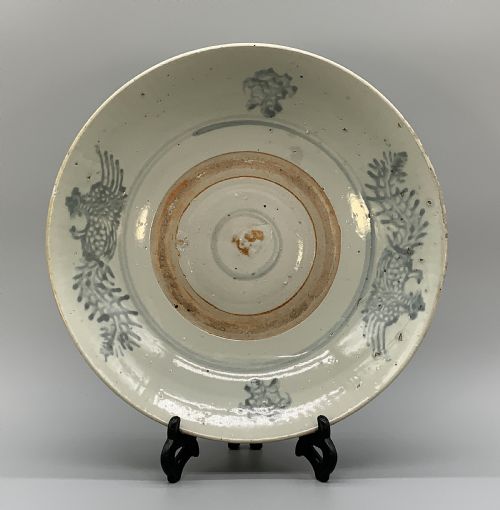


Cobalt Ceramic Serving Platter
A cobalt ceramic serving platter brings deep blue pigment and generous scale to the table, combining utility with rich decorative presence.
Cobalt Ceramic Serving Platter
A cobalt ceramic serving platter is a large vessel intended for presenting food, rendered distinctive by its durable body and cobalt blue decoration. When you search for a cobalt ceramic serving platter, you encounter pieces spanning from the eighteenth century through the early twentieth century.
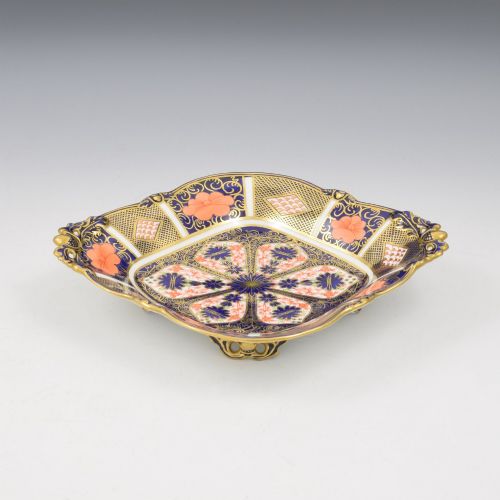
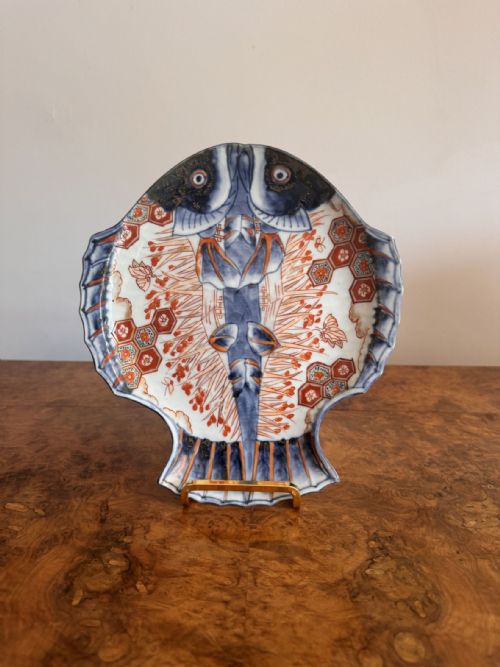
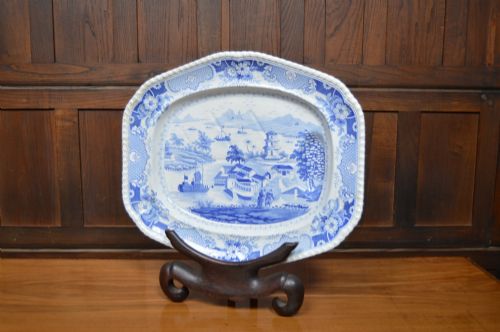
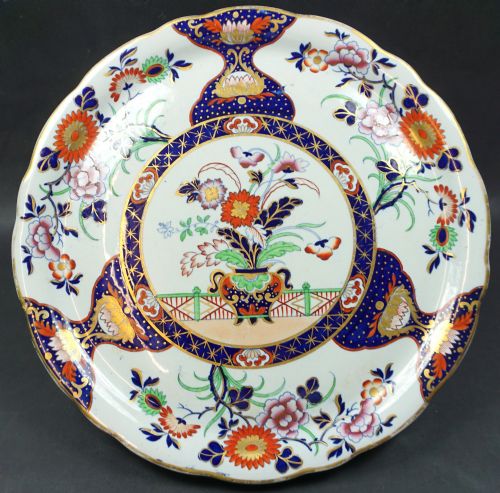
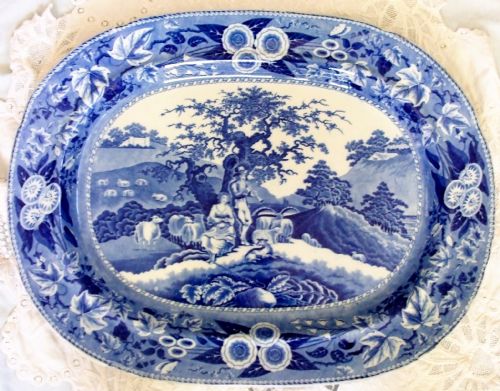
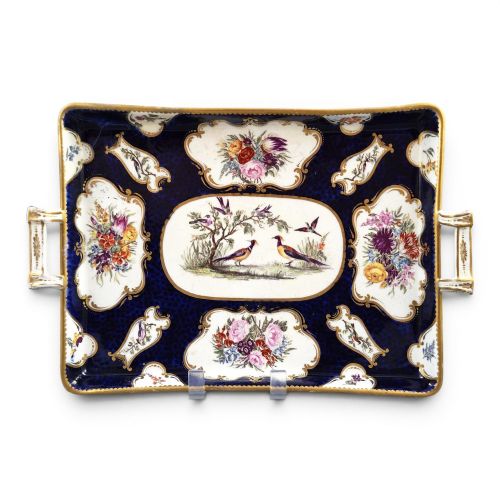
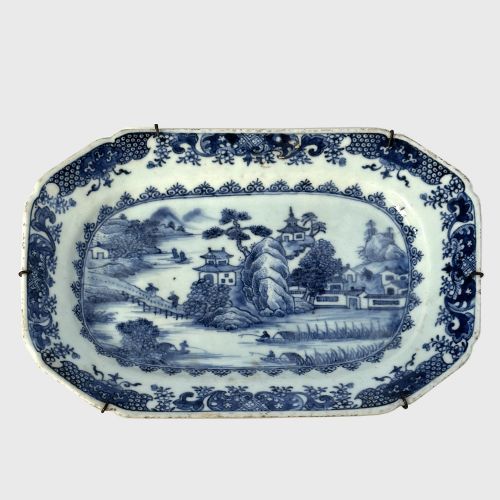
The selections on this page encompass English transferware meat platters, Chinese export porcelain, Japanese imari dishes, and delft chargers. These items range from sturdy ironstone daily ware to fine porcelain display pieces.
The forms vary from traditional oval serving platters to octagonal dishes, square plates, and deep chargers. Each piece reflects the specific ceramic traditions of its period and origin.
Materials and Techniques
The pieces on this page are fashioned from porcelain, earthenware, and ironstone, each providing a different weight and finish. Cobalt pigment is applied directly to the body or over a white slip before firing, allowing the mineral to absorb high temperatures without losing intensity.
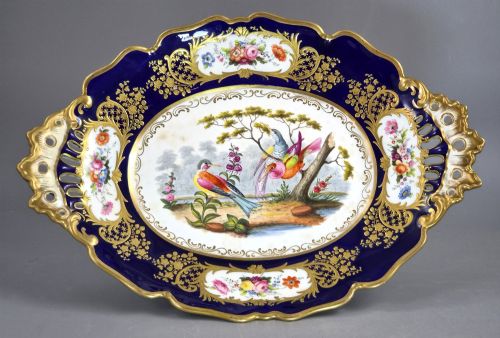
Transfer printing allows intricate scenes like classical ruins or exotic birds to be applied mechanically to the surface. Hand painting utilises fine brushes for botanical studies and imari patterns, sometimes supplemented by enamel, gilding, or gold leaf.
Glazing seals the ceramic body beneath a clear or tinted vitreous layer, protecting the pigment and giving the platter its glossy sheen.
The listings on this page span the 18th century through the 1920s, featuring earthenware, porcelain, ironstone, and traditional cobalt pigment.
Assessing Quality and Execution
The modelling of the ceramic body itself sets exceptional pieces apart, seen in moulded borders, pierced rims, or unusual shapes like fish forms and octagonal dishes. Heavier ironstone meat platters rely on deep wells and drainage systems executed with structural integrity.
The depth of the glaze and the uniformity of the firing contribute significantly to the visual weight and longevity of the surface.
Royal Crown Derby·Coalport·Hicks and Meigh·Mason·Spode·Ridgway·Mintons·Thomas Lakin·Don Pottery
The Cobalt Ceramic Serving Platter Glossary
- Cobalt Pigment
- A metallic oxide used to create a deep blue colour underglaze decoration on ceramics. It remains stable at extreme kiln temperatures.
- Transferware
- A method of decorating pottery by transferring a design from an engraved copper plate onto tissue paper and thence to the ceramic body. This technique enabled uniform mass production of detailed pictorial scenes.
- Charger
- A large decorative plate or shallow dish used historically for ceremonial service or as a base beneath other courses. They frequently feature elaborate painted or printed motifs.
- Ironstone
- A dense, durable type of earthenware patented in the nineteenth century to rival true porcelain. It withstands heavy kitchen and dining use.
- Imari
- A style of Japanese export porcelain characterised by underglaze blue and overglaze iron red, gold, and green. English potteries later imitated these distinctive oriental patterns.
Cobalt Ceramic Serving Platter: Frequently Asked Questions
How were cobalt serving platters used historically?
These large platters were primarily designed for presenting joints of meat, poultry, or large courses at the dining table. Their generous proportions accommodated substantial meals during formal dinners.
Many examples feature wells and channels to collect juices, demonstrating their practical role in nineteenth-century domestic service before transitioning to decorative display.
Can I use an antique ceramic platter for serving food today?
While many ironstone and sturdy porcelain platters remain physically robust, historic pieces often bear crazing and historical wear. Using them for dry foods is generally safer than acidic items.
Hand washing is essential to preserve the old glaze and any delicate overglaze gilding or enamel decoration present on the surface.
How do I distinguish Chinese export porcelain from English imari?
Chinese export pieces from the eighteenth century typically exhibit finer, lighter porcelain bodies with hand-painted cobalt beneath a slightly bluish or clear glaze. The painting style reflects specific dynastic trade periods.
English imari patterns, produced by factories like Royal Crown Derby in the nineteenth and twentieth centuries, combine iron red and gold overglaze with cobalt, often on heavier porcelain or earthenware.
What is the difference between earthenware and ironstone?
Earthenware is a porous, lower-fired ceramic that requires glazing to become impermeable to liquids. It tends to be lighter and more delicate in early tablewares.
Ironstone is a heavily vitrified, dense type of earthenware developed to resist chipping and heavy wear, making it the preferred material for nineteenth-century meat platters.