


Cobalt Blue White Pottery
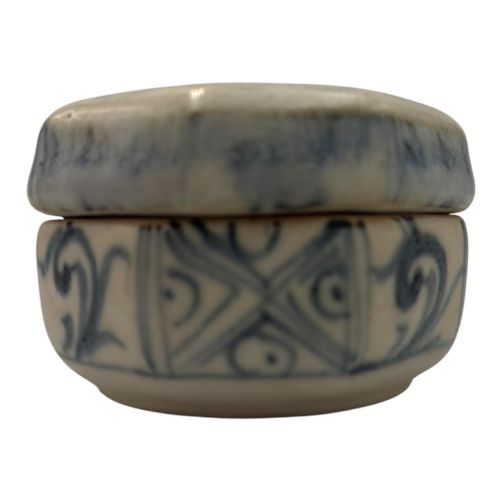
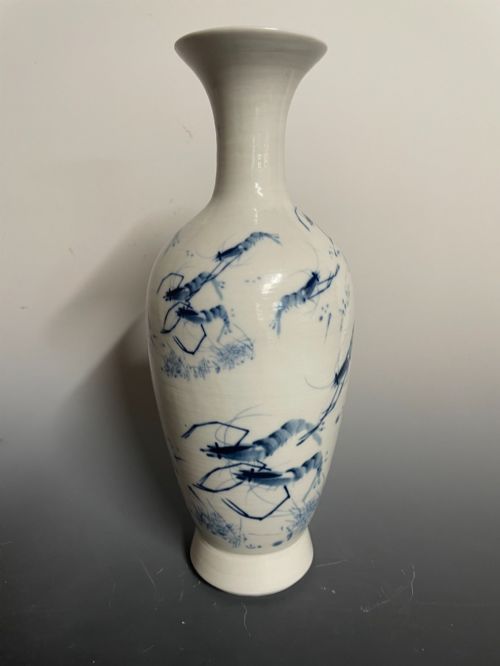
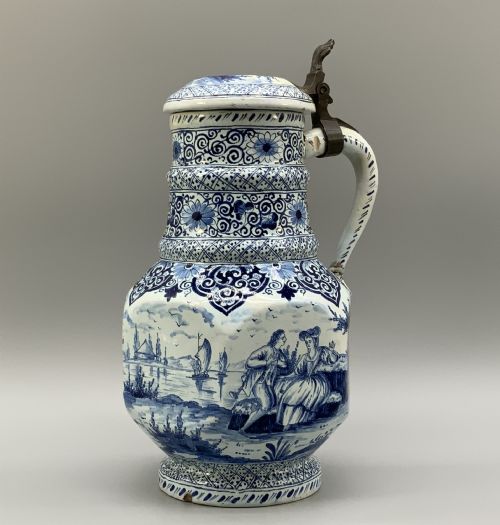
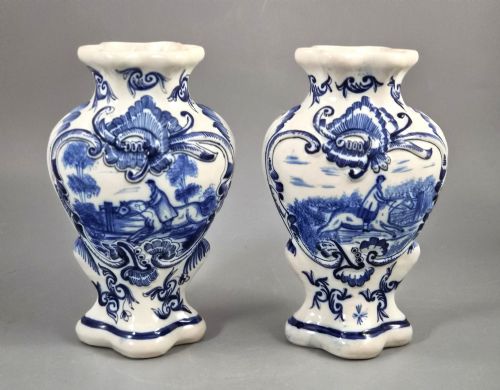
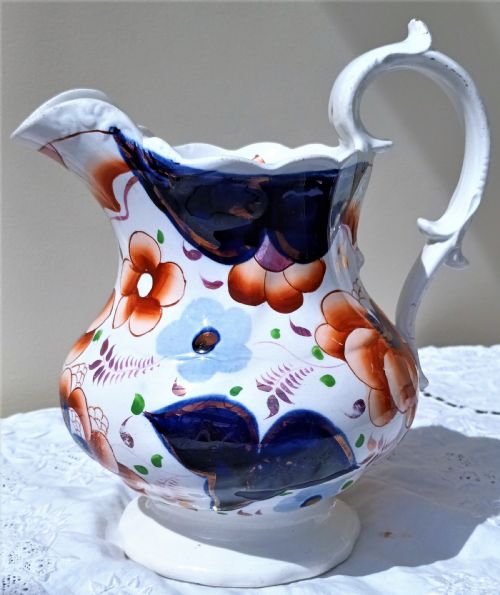
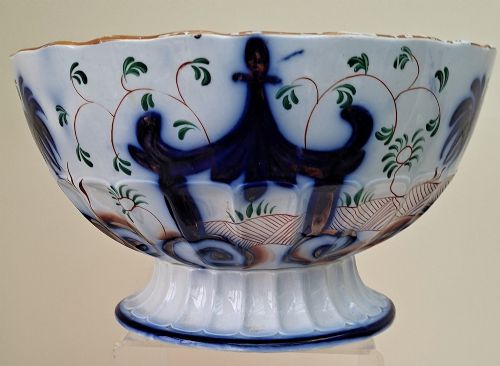
These examples of cobalt blue white pottery span centuries of ceramic tradition, offering collectors historic chargers, chargers, jugs, and decorative vessels.
Cobalt Blue White Pottery
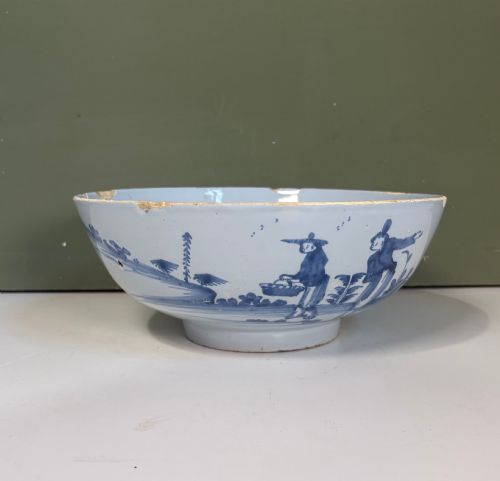
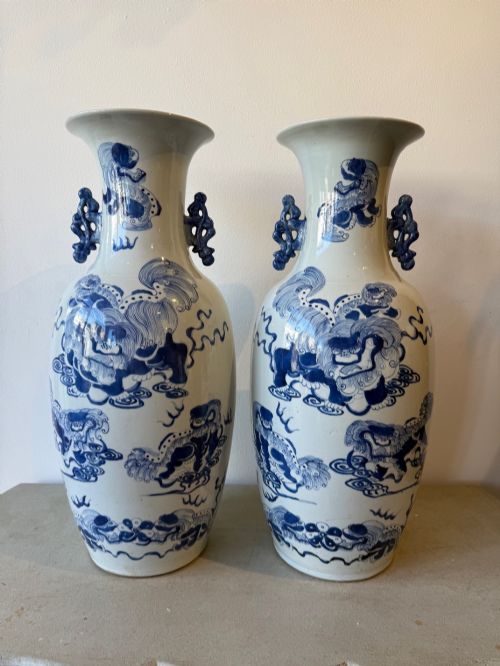
Cobalt blue white pottery encompasses a broad sweep of historic ceramic production, spanning Chinese porcelain, Japanese Arita Imari, Dutch Delftware, and English earthenware. When searching for this category, buyers encounter everything from early Asian export pieces to European tin-glazed chargers and nineteenth-century transferware.
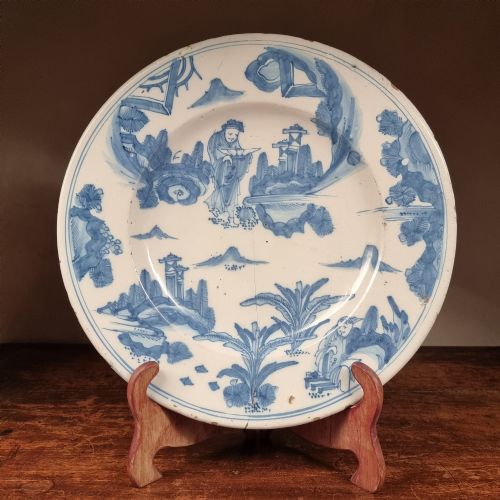
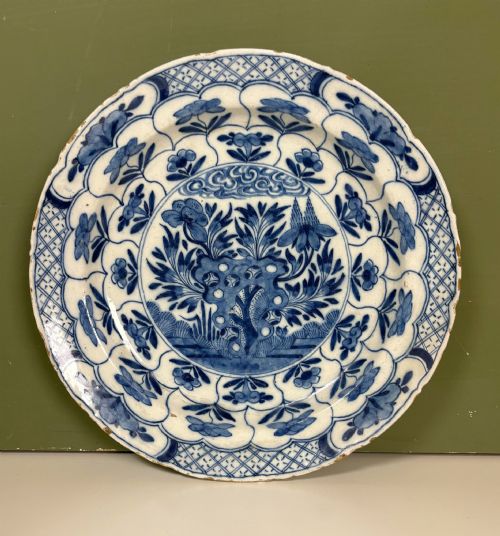
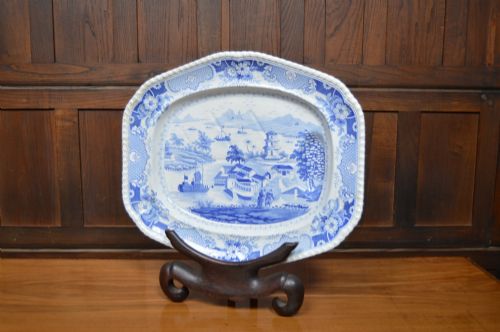
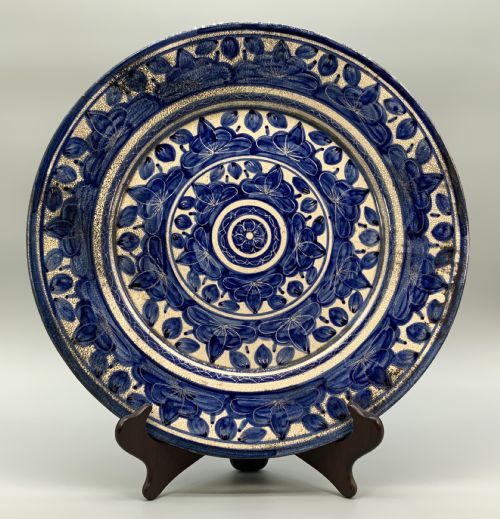
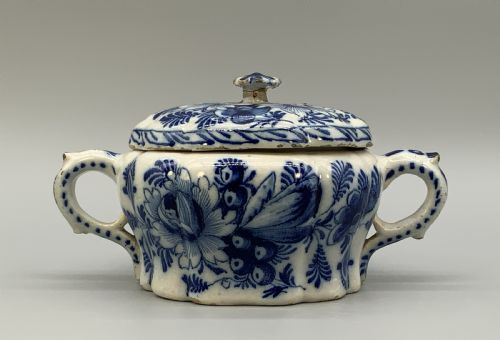
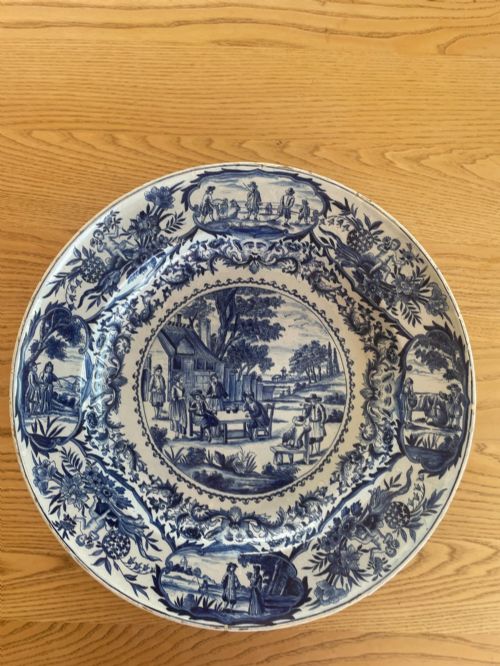
The selection on this page relies heavily on eighteenth-century and seventeenth-century Delftware, alongside Victorian transfer-printed platters and bowls. Objects range from monumental chargers and lidded posset pots to utilitarian jugs and small decorative plates.
Geographic origins vary widely across the inventory, moving from English potteries in Staffordshire and Lambeth to continental workshops in France and the Netherlands, as well as East Asian kilns.
Materials and Technique
Makers utilised earthenware, porcelain, and ceramic bodies, often coating them in tin glaze or standard transparent glaze. Cobalt pigment provided the characteristic blue colour, applied directly to the surface or beneath the glaze before firing.
Decoration techniques combined hand-painted motifs with transfer-printing methods, allowing potteries to produce both individual pictorial scenes and intricate repeating patterns across plates, bowls, and hollowware.
Listings feature earthenware, porcelain, and tin-glazed ceramic materials spanning the seventeenth century through the Edwardian period.
Assessing Quality
Quality rests upon the crispness of the cobalt application and the control achieved during the high-temperature firing process. Finer pieces display stable pigment without excessive running into the surrounding glaze.
Artistic execution dictates distinction, separating standard production wares from pieces featuring carefully rendered hand-painted motifs or finely detailed transfer prints.
Fourmaintraux-Courquin·J. & R. Riley·J. & R. Clews·Doulton Burslem·Copeland Spode
The Cobalt Blue White Pottery Glossary
- Tin Glaze
- An opaque white glaze containing tin oxide, providing a smooth surface for painted cobalt decoration on earthenware bodies. This technique forms the foundation of traditional Delftware.
- Transferware
- A pottery decoration method where a design is engraved on a copper plate, inked with cobalt pigment, and transferred to the ceramic body via tissue paper. It gained popularity during the Georgian and Victorian periods for mass-producing detailed patterns.
- Charger
- A large decorative plate intended for display on a wall or sideboard rather than daily dining use. These pieces often showcase the most ambitious cobalt painted scenes in a collection.
- Posset Pot
- A historic vessel with handles and a spout, used for serving a traditional hot drink made of curdled milk mixed with wine or ale. Surviving examples from the seventeenth and eighteenth centuries are prized by ceramic historians.
- Faience
- European tin-glazed earthenware produced in imitation of imported Chinese porcelain and Italian majolica. French and continental kilns manufactured these decorative wares using cobalt pigments.
Cobalt Blue White Pottery: Frequently Asked Questions
What is tin-glazed earthenware?
Tin-glazed earthenware is pottery coated with a white glaze containing tin oxide, creating an opaque surface suitable for painting with cobalt pigment.
This method underpins traditional Delftware and faience production across Europe during the seventeenth and eighteenth centuries.
How do I care for antique pottery?
Antique pottery requires gentle handling and cleaning using mild soap and warm water, avoiding harsh chemicals or dishwashers entirely.
Display these ceramic items away from direct sunlight and sudden temperature shifts to protect the historic glaze and body.
What distinguishes transferware from hand-painted pieces?
Transferware utilises a printed paper template to apply repeatable cobalt patterns onto the ceramic surface before glazing.
Hand-painted pieces show individual brushstrokes and minor variations in the cobalt pigment applied directly by the decorator.
Were chargers used for dining?
Chargers served primarily as large decorative display plates on sideboards or walls rather than for eating meals.
Their substantial size provided artisans a broad canvas for elaborate cobalt blue scenes and floral motifs.