


Cobalt Blue White Pitcher
These cobalt blue white pitcher examples bring classic ceramic depth to a room, offering rich visual contrast and lasting historical utility.
Cobalt Blue White Pitcher
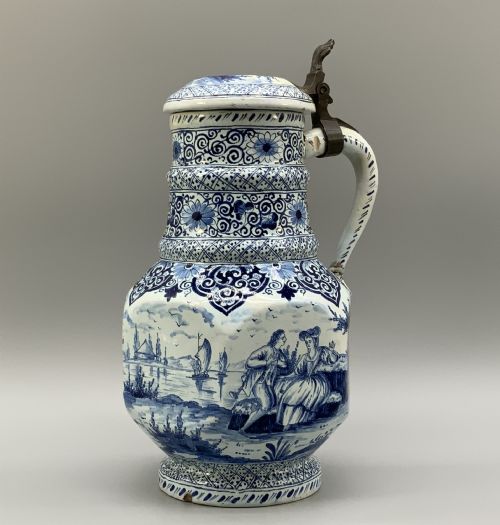
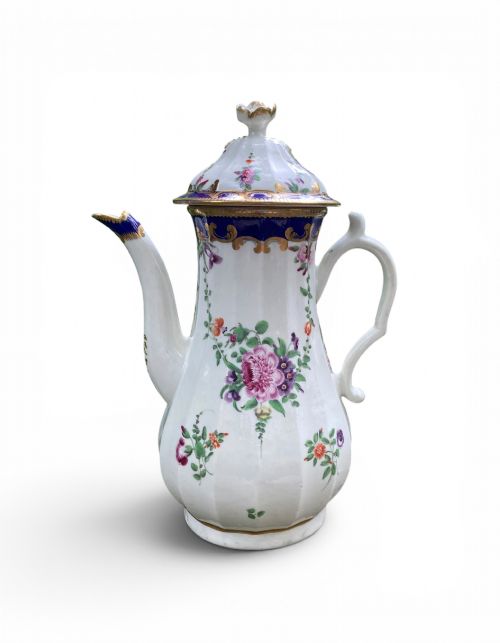
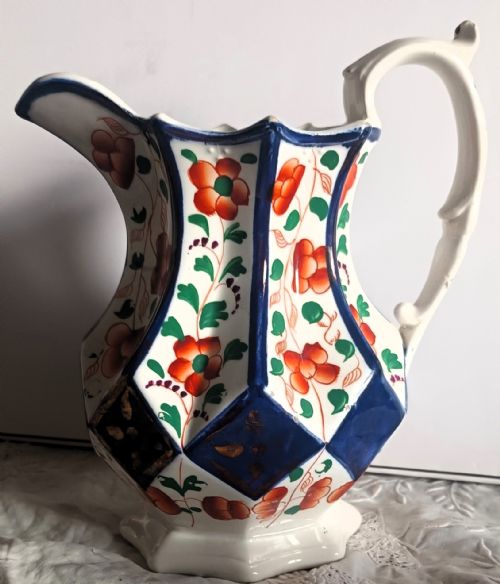
A cobalt blue white pitcher brings together centuries of ceramic tradition, spanning English earthenware, Dutch delftware, and fine porcelain forms. When searching for a cobalt blue white pitcher, collectors encounter robust domestic vessels and decorative pouring jugs from the eighteenth and nineteenth centuries.
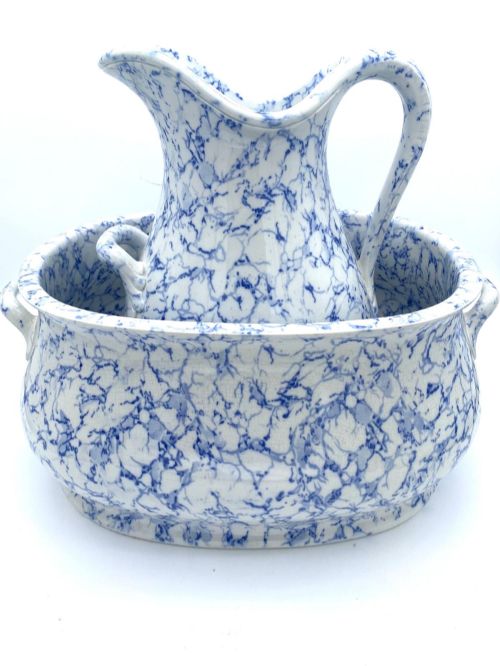
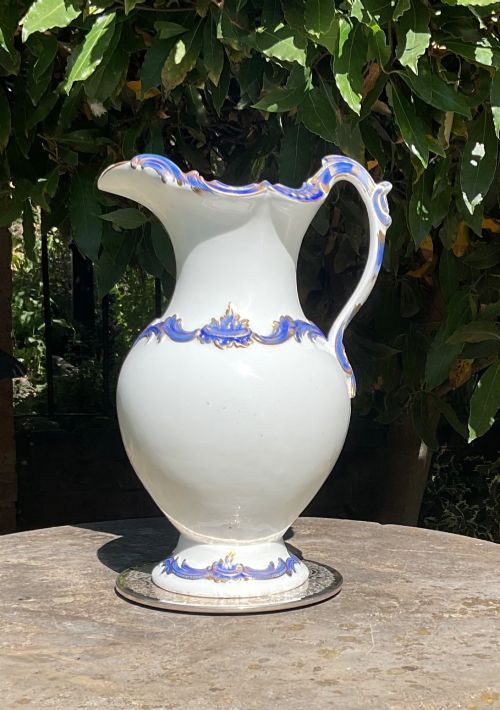
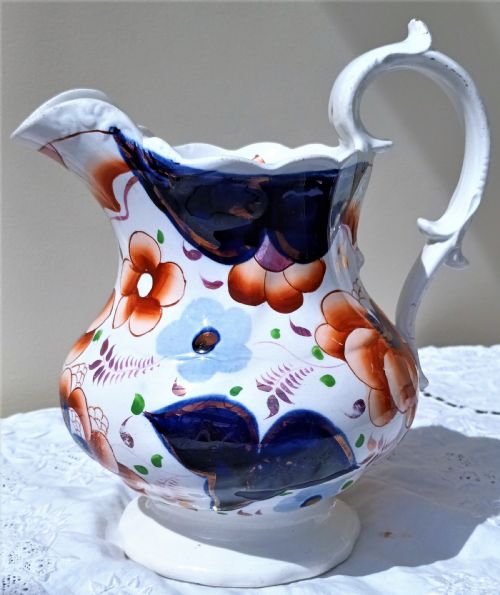
The selection here encompasses diverse periods, from Georgian earthenware to Victorian wash sets and early twentieth-century Chinese export styles. Many pieces display rich blue pigments against crisp white backgrounds, utilising traditional patterns ranging from floral motifs to architectural transfers.
Materials and construction methods
Potters shaped these vessels from earthenware, ironstone, and porcelain, applying mineral glazes to achieve a durable surface. Cobalt oxides provided the deep blue pigmentation, which potters painted directly onto the clay body or tin glaze before firing.
Many examples feature applied handles, hand-painted decorations, or transfer-printed scenes set beneath a protective gloss layer. Specialised techniques like tin-glazing and salt-glazing created smooth, impermeable finishes suited for liquids and daily use.
Listings for this phrase include examples spanning earthenware, porcelain, and ironstone across the eighteenth and nineteenth centuries.
Evaluating craftsmanship and condition
Quality rests in the crispness of the cobalt decoration, the evenness of the white glaze, and the precision of the potter's thrown form. Superior examples display sharp pigment boundaries without blurring, alongside balanced proportions and crisp handle attachments.
The clarity of the transfer print or the finesse of the hand-painted brushwork distinguishes finer studio output from standard utilitarian ware. Preservation of the original glaze surface and minimal firing flaws further elevate the standing of any individual piece.
Minton·Masons Ironstone·Caughley Coalport·Worcester
The Cobalt Blue White Pitcher Glossary
- Cobalt blue
- A deep blue metallic pigment used under the glaze to decorate ceramics. It withstands high firing temperatures without losing its intense colour.
- Tin-glazed earthenware
- Pottery coated with a white tin oxide glaze that provides an opaque surface for painted cobalt decoration. This technique defines traditional delftware production.
- Transfer printing
- A method of applying detailed designs to pottery via a copper plate engraving and tissue paper carrier. It allowed complex pictorial scenes to be replicated consistently.
- Ironstone
- A heavy, durable type of feldspathic earthenware patented in the nineteenth century. It resists chipping and served as a robust alternative to porcelain.
- Mask head jug
- A pouring vessel featuring a moulded human or mythical face beneath the spout. These sculptural elements often terminate the upper handle attachment.
Cobalt Blue White Pitcher: Frequently Asked Questions
How were these pitchers used originally?
These vessels served various domestic functions, from pouring water and milk at the table to holding liquids in wash sets and apothecary settings.
Larger examples often functioned as part of toilet sets for bedroom washing, while smaller jugs handled table service or served as decorative display pieces.
How do I care for antique ceramic pitchers?
Wash these pieces gently by hand using mild soap and lukewarm water, avoiding abrasive sponges that might scratch the historic glaze.
Keep them away from direct sunlight and sudden temperature shifts to protect the underlying ceramic body and any delicate surface decorations.
How can I tell an eighteenth-century piece from a Victorian one?
Earlier pieces often feature tin-glazed earthenware bodies with hand-painted tin oxides, showing slight irregularities from wood-fired kilns.
Victorian examples frequently utilise ironstone or refined porcelain, often incorporating transfer-printed patterns and standardised factory marks on the base.
Are these pitchers safe for holding liquids today?
While many remain structurally sound, historic glazes can contain trace metals or develop microscopic hairline cracks over centuries of use.
It is generally wiser to display them as decorative objects rather than using them for daily food and beverage service.